
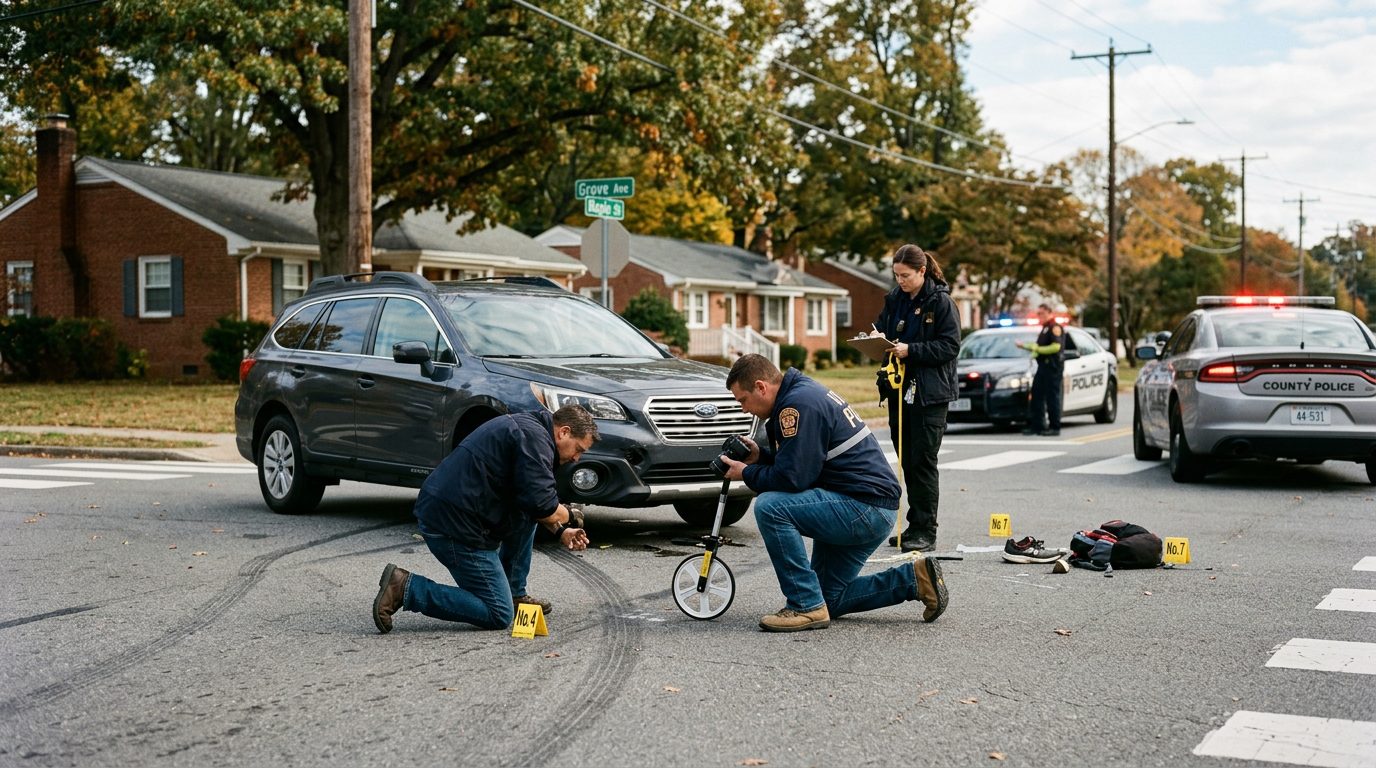
Pedestrian Injuries | Virginia
Who Handles Pedestrian Injury Cases in Virginia?
Being struck while walking or crossing the road can bring serious injuries and many unanswered questions at once. Here is how the firm approaches these cases for people across the Shenandoah Valley, Richmond and Henrico County.
Where the firm works
Virginia
Clients from across the state
Published November 21, 2026
Being hit as a pedestrian can leave you hurt, shaken and unsure what comes next. The attorney for a pedestrian injury case is a personal injury lawyer who handles the type of crash that caused the harm. In Virginia, that usually means car accident law, or truck and commercial vehicle accident law when a large commercial vehicle was involved.
Which Lawyers Handle Pedestrian Injury Cases in Virginia?
A pedestrian hit by a passenger car has a car accident claim. A pedestrian hit by a tractor-trailer or other commercial vehicle has a truck or commercial vehicle accident claim. The vehicle involved and the injury both shape which area of law fits.
Many pedestrian cases overlap several areas. A serious head or spinal injury can bring in traumatic brain injury or spinal cord injury issues, and a death brings in wrongful death law.
The firm handles car accidents, truck accidents, commercial vehicle accidents, catastrophic injuries, traumatic brain injury, spinal cord injury and wrongful death. The firm’s offices are in Winchester and Harrisonburg, and it represents people in the northern Shenandoah Valley, Richmond and Henrico County. For an overview of commercial vehicle claims, read the commercial vehicle accident guide.
Not sure what your next step is?
Talk it through with Correll Law Firm — we can walk you through how a situation like yours is usually handled and what your options are.
How Correll Law Firm Handles Pedestrian Injury Claims
Clear answers to a few direct questions tell you more than labels do.
Useful questions include:
- How long has the lawyer handled crash claims like yours?
- Are pedestrian and commercial vehicle claims part of the lawyer’s regular work?
- How will the lawyer explain the claim and keep you updated?
Specific details you can check matter more than general praise. A good answer is plain, direct and tied to your own crash. Write down the answers so you can refer back to them. Notice how the lawyer talks about your injuries and options. Plain, honest answers matter more than promises about a particular result.
What Happens After a Driver Hits a Pedestrian?
The first steps are medical care and a clear record of what happened. Pedestrian injuries are not always obvious at the scene, so get checked even if you only feel shaken. A common mistake is waiting to get checked until pain grows worse, which can leave a gap in the medical record.
Virginia requires a driver involved in a crash with injury or death to stop and report it to police immediately (Va. Code §§ 46.2-371, 46.2-894). You can read the statute at Va. Code § 46.2-894.
Records that often matter later include:
- names and contact details of witnesses
- photos of the scene, the vehicle and your injuries
- the police report number
- medical, prescription and billing records
Witnesses move on quickly, so names collected at the scene carry real weight. Memories also fade, and early notes help keep the details straight.
What to Share With a Lawyer and What to Be Careful About
Share a complete, accurate account of what happened, including details that seem minor. Say what you remember and say plainly what you don’t. A guess stated as fact can cause problems later.
An insurance adjuster may ask for a recorded statement or a written account. Those words can be used in the claim, so you may wish to talk with a lawyer before giving one. Ask before you sign any form from an insurer, since some forms can affect what you can later claim.
Keep a daily journal of symptoms, missed work and everyday activities you can no longer do. Keep copies of everything you send to or receive from an insurer. Let the lawyer know about prior injuries or health problems to the same body parts, since insurers often ask about them.
Social media posts about the crash can be read by the other side, so it helps to pause before posting. Bring your questions about the process to the conversation. A lawyer can explain how your facts relate to the claim.
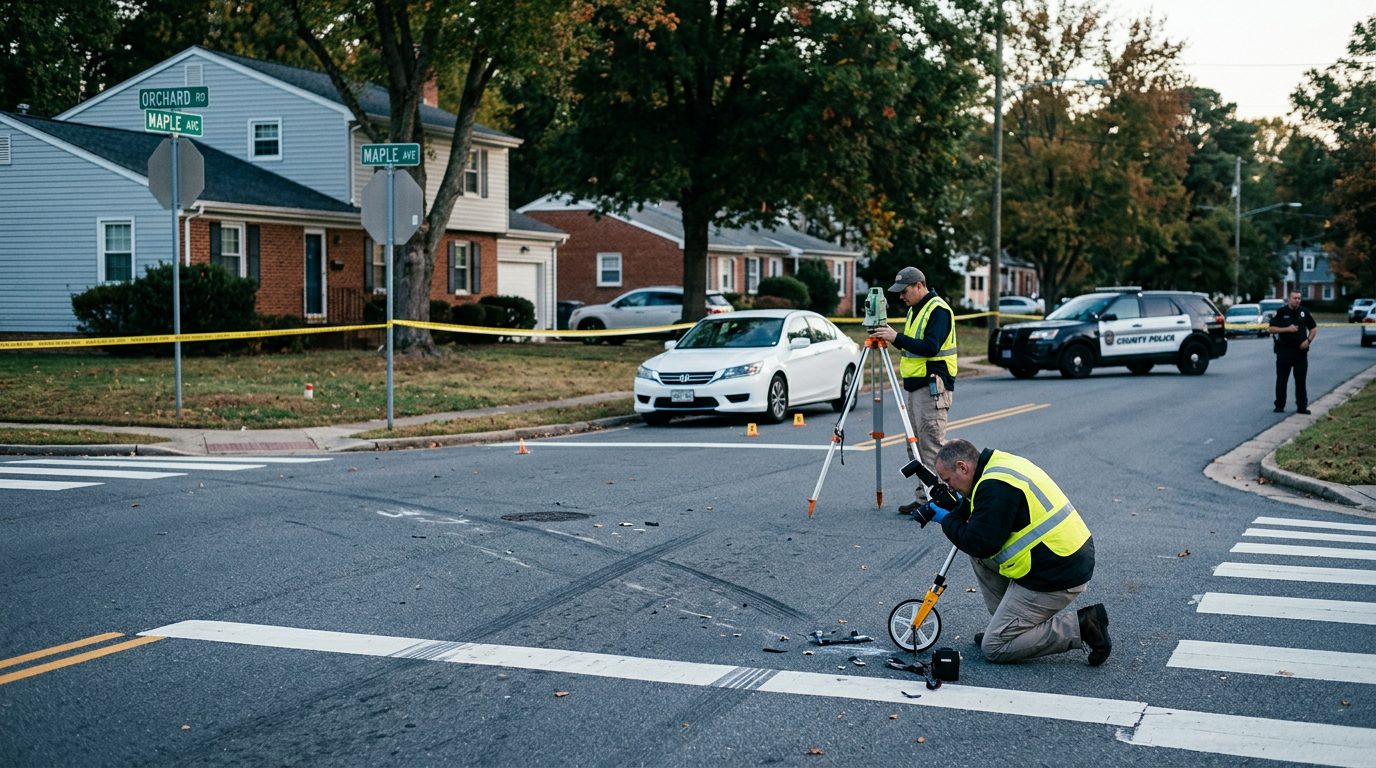
How Long a Pedestrian Has to File a Claim in Virginia
Virginia generally allows two years from the date of injury to file a personal injury lawsuit (Va. Code § 8.01-243(A)); the clock runs from the date of injury, not the date of discovery, with narrow exceptions. The statute is at Va. Code § 8.01-243.
Some claims carry shorter notice rules. Va. Code § 15.2-209 reads: “Every claim cognizable against any county, city, or town for negligence shall be forever barred unless the claimant or his agent, attorney, or representative has filed a written statement of the nature of the claim, which includes the time and place at which the injury is alleged to have occurred, within six months after such cause of action accrued.” Va. Code § 15.2-209 reads: “Failure to provide such statement shall not bar a claim against any county, city, or town, provided that the attorney, chief executive, or mayor of such locality, or any insurer or entity providing coverage or indemnification of the claim, had actual knowledge of the claim, which includes the nature of the claim and the time and place at which the injury is alleged to have occurred, within six months after such cause of action accrued.” The statute is strictly applied, although it includes an actual-knowledge provision. A pedestrian struck by a city or county vehicle may wish to raise timing questions right away.
Which deadlines apply depends on the facts of your crash, so earlier questions help. The notice rule and the lawsuit deadline run on separate tracks, and the shorter one can come first. Waiting also gives evidence more time to fade, from witness memories to scene details.
Damages in a Pedestrian Injury Claim: Pain, Suffering and Other Losses
Damages are the losses a claim seeks to recover because of the crash. Pain and suffering is one non-economic category, separate from medical bills and lost income.
Those losses turn on the injury, its effect on daily life and the evidence. Losses in a pedestrian claim may include medical treatment, lost wages, reduced ability to work and trouble with everyday activities. Medical records tie those losses to the crash, so keep them organized. Each category has its own proof, so the records you keep now can matter for each one.
If a pedestrian dies, a different set of rules applies.
A Virginia wrongful death action is filed by the decedent’s personal representative within two years of the death (Va. Code §§ 8.01-50(C), 8.01-244(B)), on behalf of the family members the statute protects. Virginia wrongful death damages cover the family’s sorrow, mental anguish and loss of the decedent’s companionship, guidance and care; lost income and services; medical expenses from the injury; funeral expenses; and, for willful or wanton conduct, punitive damages (Va. Code § 8.01-52). The statutes are at Va. Code § 8.01-50, Va. Code § 8.01-244 and Va. Code § 8.01-52.
Not sure what your next step is?
Talk it through with Correll Law Firm — we can walk you through how a situation like yours is usually handled and what your options are.
Catastrophic Injuries in Pedestrian Crashes
Pedestrians face a higher risk of serious injury in crashes, according to the Governors Highway Safety Association. A person on foot has no seat belt, airbag or vehicle frame around them.
Traumatic brain injury is damage to the brain caused by a blow or jolt to the head. Spinal cord injury is damage to the nerves inside the spinal column, which can affect movement and feeling.
Catastrophic injuries can require long-term care and rehabilitation, and they can affect work and home life for a long time. Follow-up medical care is part of documenting these injuries over time.
For a discussion of truck-involved crashes, read the guide to truck accident claims. Harrisonburg readers can also review the tractor-trailer crash guide for Harrisonburg.
Frequently Asked Questions
Can a pedestrian recover if they were partly at fault?
Virginia follows contributory negligence: if you are found even partly at fault, you may be barred from recovering, with limited exceptions. Talk to a lawyer about your facts.
Is the two-year period the deadline to report a crash?
No. The two-year period is the deadline to file a lawsuit, not the deadline to report a crash (Va. Code § 8.01-243).