
Hit-and-Run Crashes | Virginia
When the Driver Leaves the Scene: What Happens Next in Virginia
How police usually start an investigation, which evidence tends to matter most, and how the firm helps people hurt in these crashes.
Where the firm works
Virginia
Serving the Shenandoah Valley, Front Royal, Richmond and Henrico County
Published November 15, 2026
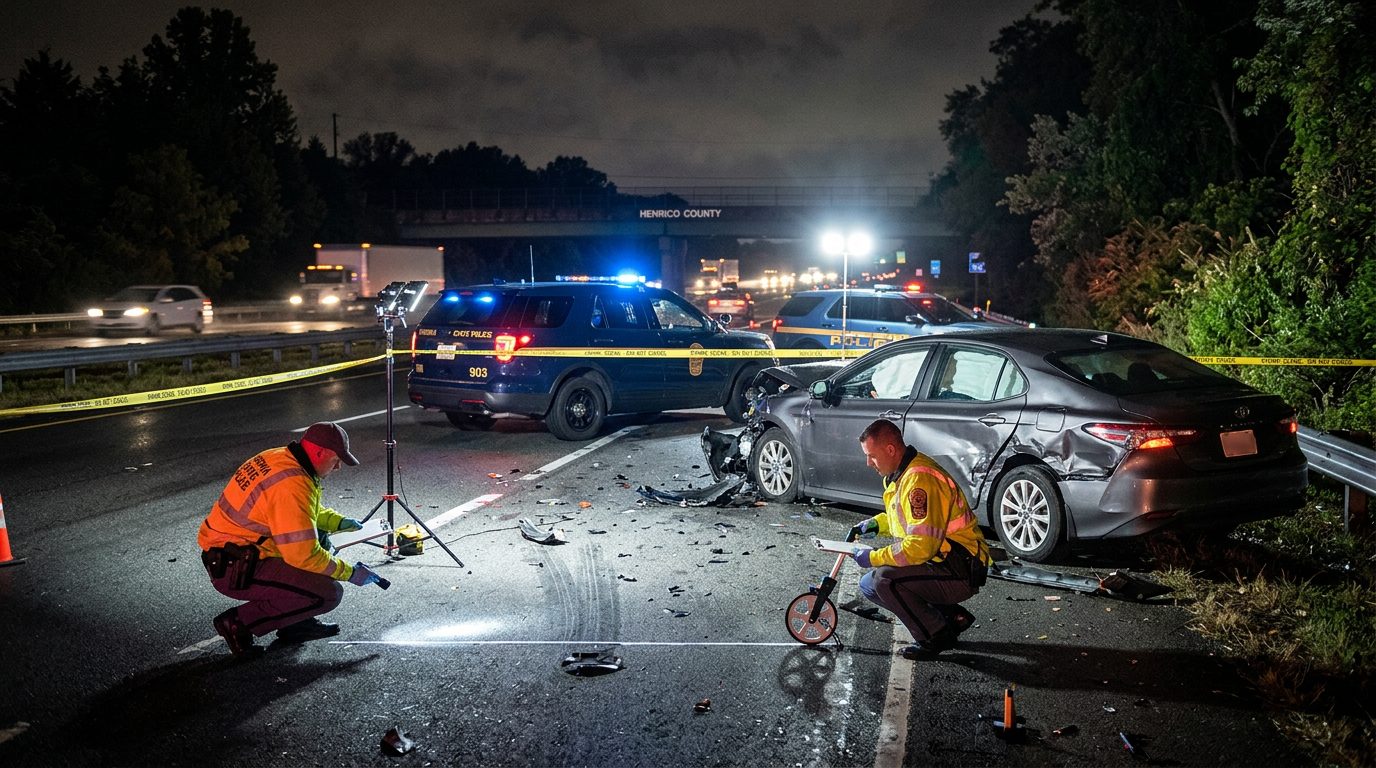
Were you hurt in a crash where the other driver drove away? Police generally respond to a crash with injuries, and a reported hit and run creates an official police crash report. How far the investigation goes depends on the facts available.
Short answer: will police investigate a hit and run?
How far a police investigation of a hit-and-run goes can depend on the leads available. A hit and run is a crash where the other driver leaves before giving information, so the case often turns on identifying that driver or that vehicle.
Some people assume a hit and run with no plate number goes nowhere. Police work from the clues that the scene and witnesses provide.
Officers who respond can document the scene, note damage, and record what witnesses saw. The Virginia State Police handle many crash reports across the state.
Crashes involving a commercial vehicle have their own factors. The commercial vehicle accidents guide for Virginia covers the wider picture.
If a driver left you hurt and you are unsure what comes next, we are glad to talk through your situation with you. Talk it through with Correll Law Firm — we can walk you through how a situation like yours is usually handled and what your options are.
What Virginia law requires of a driver after a crash
Virginia requires a driver involved in a crash with injury or death to stop and report it to police immediately (Va. Code §§ 46.2-371, Va. Code § 46.2-894).
For the person who was hurt, a prompt report to police starts the official record.
What investigators may look at after a hit and run
Investigators may start with the crash scene, the damage left behind, and the details in the police report. Each piece can point toward a vehicle, a direction of travel, or a driver.
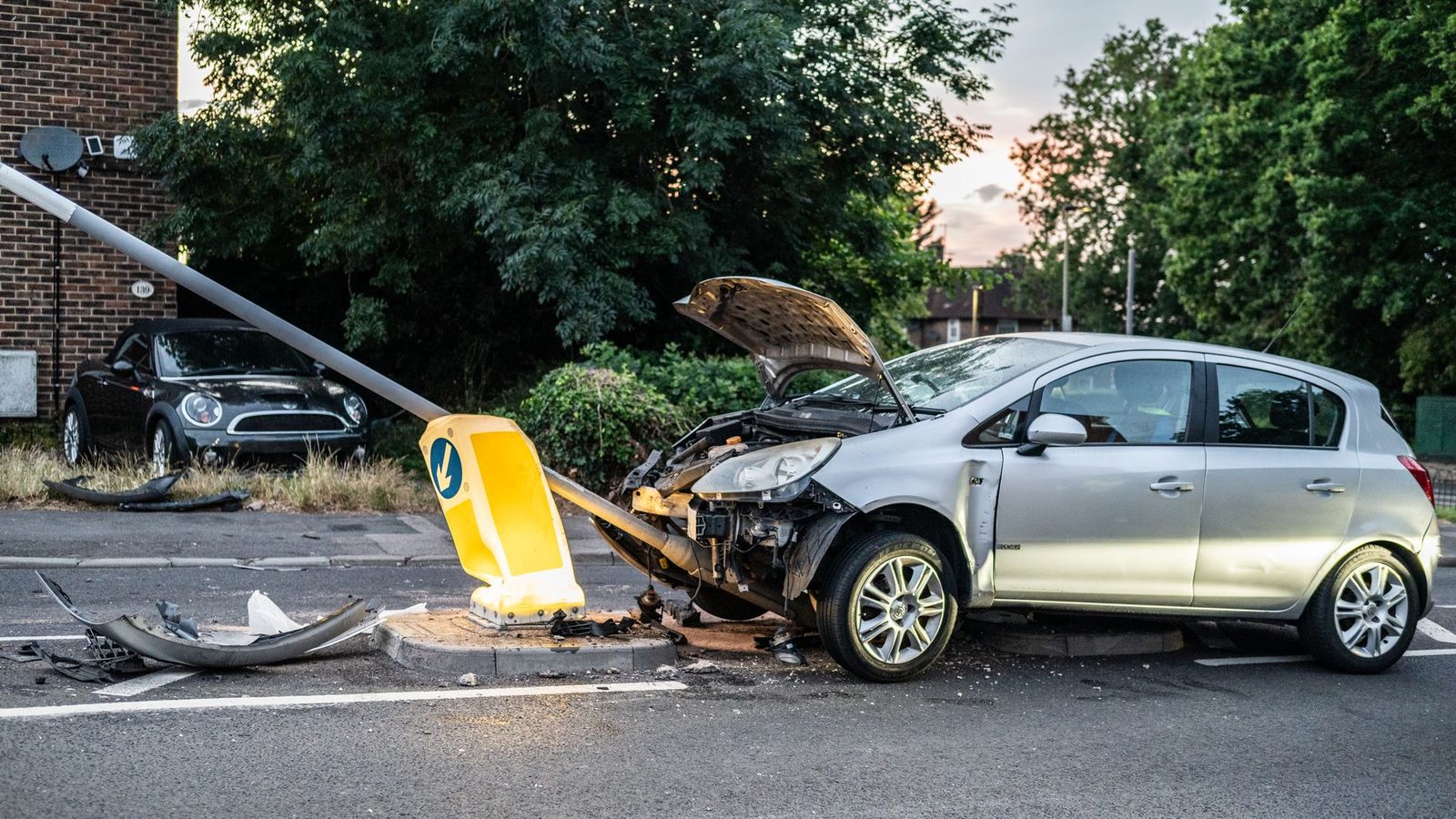
Debris often matters. Broken glass, pieces of a lamp or bumper, and paint marks on the road can help match a vehicle to the crash. Photos taken at the scene can capture these items before they are moved or swept away.
Witness statements are often a key lead. A witness may recall the vehicle’s color, its direction of travel, or part of its license plate. Even a partial plate can open a line of inquiry.
Surveillance and digital evidence may exist too. Video from nearby businesses, traffic cameras, or phones may show the crash or the vehicle leaving. Whether any of it still exists depends on where and when the crash happened, and on how quickly the evidence is requested.
Why some hit-and-run cases stall
A case often stalls when there is no witness, no plate number, no identifiable vehicle, and no usable video. Each missing piece removes a path investigators might follow.
Damage with no identifiable vehicle is hard to trace. A scrape on a fender may not show the make or model of the car that caused it. A crash at night with no nearby witnesses can leave little to follow.
The commercial context can change the picture. A work van or commercial bus may carry a company name, logo, or fleet number, and those markings can narrow the search.
Some hit-and-run crashes stay unsolved. Henrico County Police track unsolved hit-and-run traffic fatalities.
Steps that can help the investigation
Prompt, accurate facts help most. Get the police report number, the officer’s name and badge number, and the time and place of the crash.
Write down what you remember while it is fresh. Note the other vehicle’s make, model, and color, any partial plate, the direction it traveled, and any company name or logo.
Take photographs of the scene and of your vehicle’s damage. Keep a written record of your injuries, doctor visits, and treatment, since those records can matter later.
Collect contact details for any witnesses. Note where each person was standing when they saw the crash.
The filing deadline for a later injury lawsuit
Virginia generally allows two years from the date of injury to file a personal injury lawsuit (Va. Code § 8.01-243(A)); the clock runs from the date of injury, not the date of discovery, with narrow exceptions.
It is not the deadline to report the crash to police, which the statute requires immediately.
When the injured person has died, a different rule applies. A Virginia wrongful death action is filed by the decedent’s personal representative within two years of the death (Va. Code §§ 8.01-50(C), 8.01-244(B)), on behalf of the family members the statute protects.
Not sure what your next step is?
Talk it through with Correll Law Firm — we can walk you through how a situation like yours is usually handled and what your options are.
Related questions readers ask
Do police take hit-and-run crashes seriously?
Investigators then work from whatever evidence they can gather.
How long does a hit-and-run investigation take?
Timing varies with the leads that develop, such as witness details or video that comes to light later.
Is it hard to prove a hit and run?
The main difficulty is usually identifying the other vehicle or driver. Evidence gathered early, such as witness details and photographs, can matter a great deal.
Why don’t police investigate some hit-and-runs?
Investigations often stall when witnesses, plate details, vehicle details, or video are missing. The section on stalled cases above explains why.
Where a hit-and-run question fits within a wider crash claim
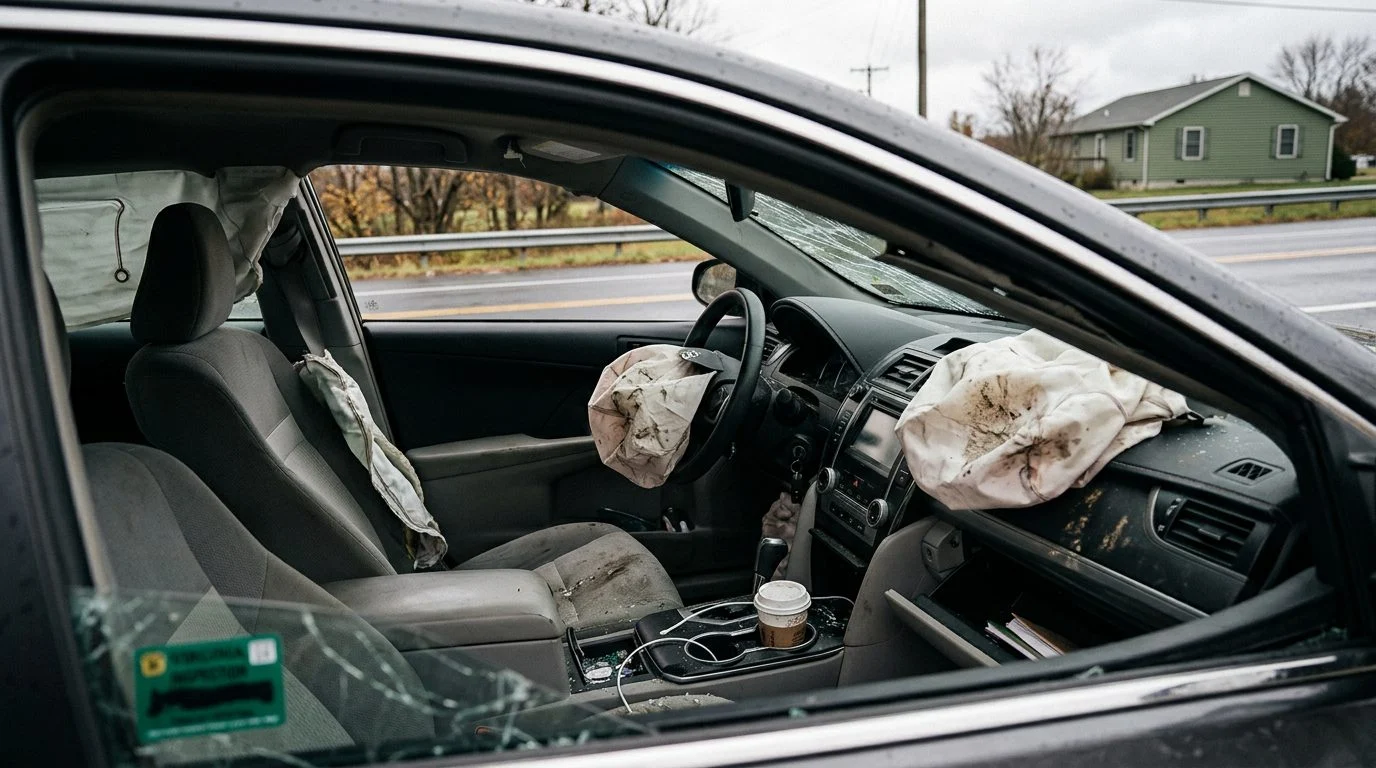
A police report is one record among several that can matter in a later injury claim. Medical records, photographs, witness contact details, and notes about the scene can all help show what happened.
Keeping those details in one place makes them easier to share later. A hit and run can also mean the injured person must describe events without the other driver’s account, so early facts carry extra weight.
Readers in the Shenandoah Valley, Winchester, Harrisonburg, Richmond, and Henrico County face the same Virginia rules described on this page.