
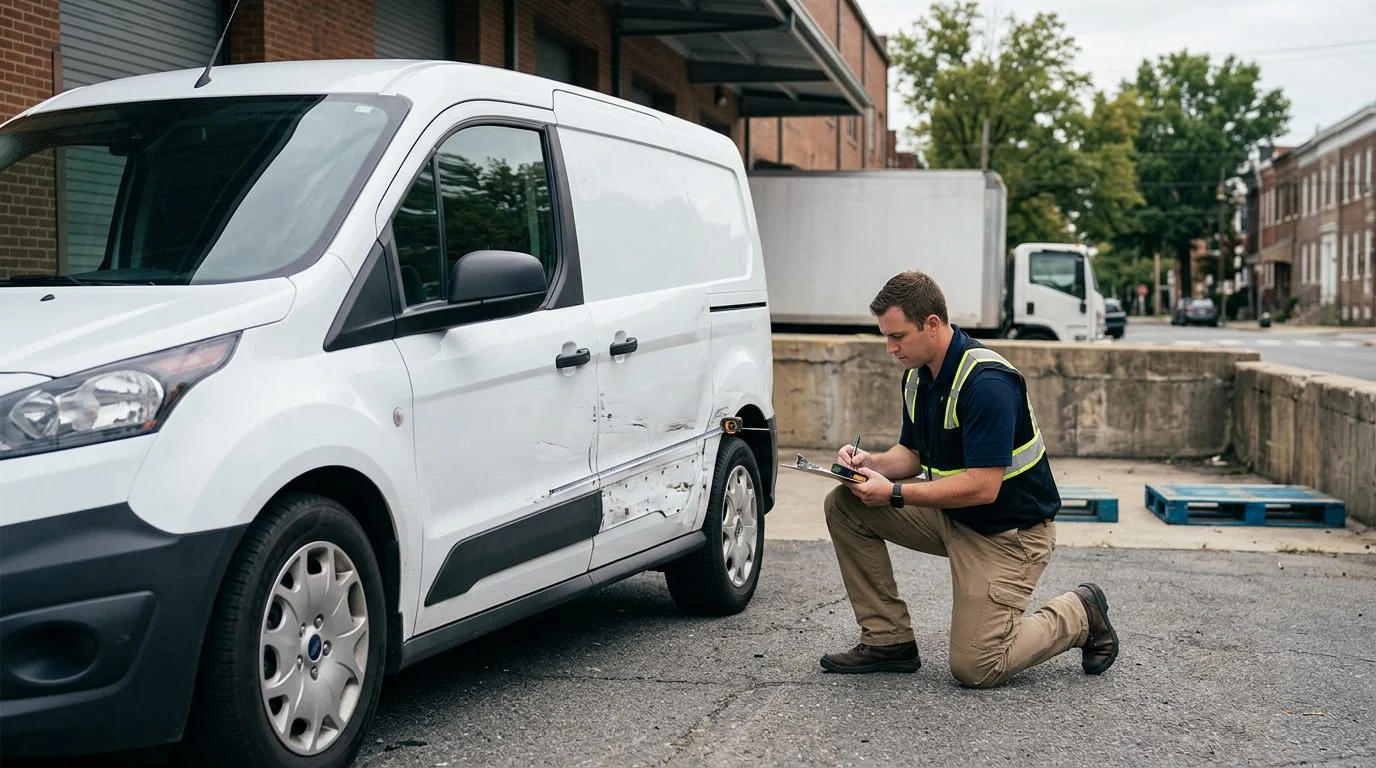
Car Accidents | Winchester, Harrisonburg and the Shenandoah Valley
Hurt by Another Driver? Here Is What Virginia Residents Should Know
The firm focuses on people injured in car and truck crashes, and this guide explains how a claim against the other driver works in plain terms.
Published November 10, 2026
After a crash, many people ask whether they can take legal action against the other driver. Can a driver sue another driver? After a crash leaves you hurt, it is natural to wonder whether you have a claim and what happens next.
A person hurt by another driver’s negligence may bring a claim against that driver. This guide explains how a suit against a driver differs from an insurance claim, and how fault, time limits and passengers fit in.
The Short Answer: Can a Driver Sue Another Driver?
Whether a claim against another driver is possible depends on the facts of each crash. The injured person must also show that the negligence was a proximate cause of the harm.
A lawsuit is a court case against the driver personally, and it turns on what that driver did. Correll Law Firm serves people from the Shenandoah Valley to Richmond and Henrico County. For the wider picture when a large truck is involved, see the firm’s guide on commercial vehicle accidents in Virginia.
Not sure what your next step is?
Talk it through with Correll Law Firm — we can walk you through how a situation like yours is usually handled and what your options are.

Suing the Driver Versus Filing an Insurance Claim
Suing the driver and filing an insurance claim are two separate steps. An insurance claim is a request made to an insurer under a policy. A lawsuit is a court case against the person responsible for the crash.
An insurer may make an early settlement offer. An offer is a proposal, not a court ruling, so a person may wish to understand what it covers before deciding how to respond.
The terms of a release matter too. Under Va. Code § 8.01-35.1, when a release or covenant not to sue is given in good faith to one of the persons liable for the same injury, it does not discharge any other person from liability unless its terms so provide, and any amount recovered against the others is reduced by the amount stipulated or the consideration paid, whichever is greater.
A person can think about a lawsuit while an insurance claim is still open. The Virginia Department of Motor Vehicles publishes the state’s Virginia DMV minimum insurance requirements for drivers.
When Both Drivers Share Some Blame
When both drivers may share blame, the shared-fault rule can decide whether a claim can go forward. Virginia follows contributory negligence: if you are found even partly at fault, you may be barred from recovering, with limited exceptions. Talk to a lawyer about your facts.
Shared blame is a common issue in disputed crashes. The facts about signals, speed, lane position and timing matter. Each driver’s conduct is examined on its own, so the facts about both vehicles count.
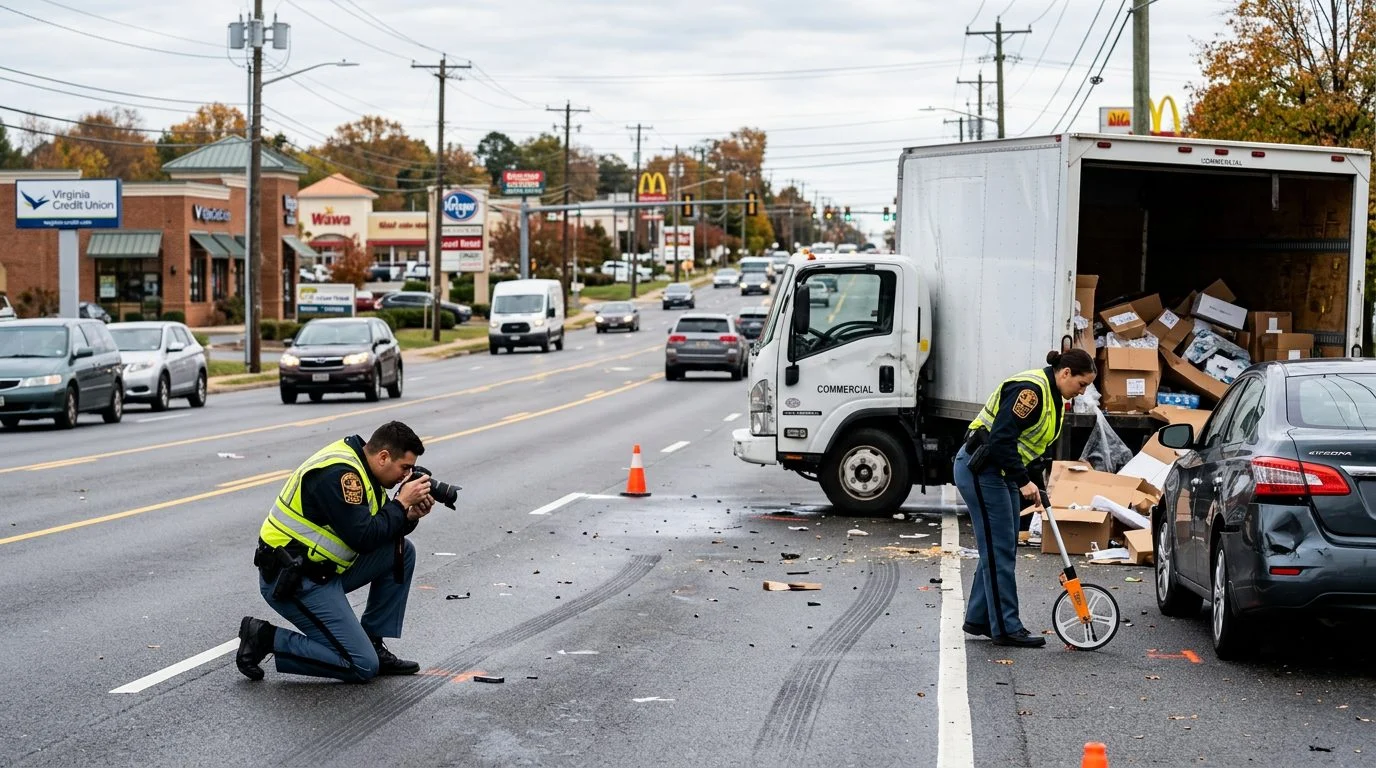
Photos of vehicle damage, the final resting positions of the cars and independent witness accounts help show who did what. A common mistake is making statements at the scene about who was at fault. Those words can be repeated later, so keep statements brief and factual.
When the Other Driver Disputes What Happened
A disputed story does not end the question. It makes the physical evidence and the timeline more important.
Virginia requires a driver involved in a crash with injury or death to stop and report it to police immediately (Va. Code §§ 46.2-371, 46.2-894). The statutes are Va. Code § 46.2-371 and Va. Code § 46.2-894. The first statute requires the driver to immediately give notice of the accident to a law-enforcement officer (Va. Code § 46.2-371); the duty to render reasonable assistance to an injured person is in the second.
Reporting is a separate duty from the lawsuit deadline.
A common mistake is relying on memory alone. Photos from the scene, the police report number and witness names keep the account tied to facts.
How Much Time Does a Person Have to File?
The clock generally starts on the date of injury. Virginia generally allows two years from the date of injury to file a personal injury lawsuit (Va. Code § 8.01-243(A)); the clock runs from the date of injury, not the date of discovery, with narrow exceptions. The statute’s text is at Va. Code § 8.01-243.
Some claims carry notice requirements that run out sooner than the lawsuit deadline, so early attention to timing is wise. Dates like the crash, the first medical visit and the insurer’s first letter are worth noting.
Passengers, Injured Drivers, and Families After a Fatal Crash
A passenger can have a claim too, and a fatal crash raises a separate claim for the family. A passenger hurt in a crash may have a claim against a negligent driver, and the facts decide which drivers are involved.
When a crash is fatal, the family’s claim follows a set path. A Virginia wrongful death action is filed by the decedent’s personal representative within two years of the death (Va. Code §§ 8.01-50(C), 8.01-244(B)), on behalf of the family members the statute protects. The statute’s text is at Va. Code § 8.01-50. Under Va. Code § 8.01-53, any award goes to a defined class of survivors and beneficiaries.
Virginia wrongful death damages cover the family’s sorrow, mental anguish and loss of the decedent’s companionship, guidance and care; lost income and services; medical expenses from the injury; funeral expenses; and, for willful or wanton conduct, punitive damages (Va. Code § 8.01-52). The damages rule is at Va. Code § 8.01-52.
The punitive damages rule is separate. Virginia allows punitive damages for actual malice, or for willful or wanton conduct or recklessness showing a conscious disregard for the safety of others, capped at $350,000 (Va. Code § 8.01-38.1). The cap is in Va. Code § 8.01-38.1.
Not sure what your next step is?
Talk it through with Correll Law Firm — we can walk you through how a situation like yours is usually handled and what your options are.
Feeling Sympathy for the Other Driver
Feeling sorry for the other driver does not decide whether a claim exists. Many people feel that way, especially when the other driver was hurt too, and those feelings are normal. A person can feel compassion and still ask what happened and who is responsible.
The question turns on the facts of the crash and the injuries involved. A common mistake is waiting out of kindness. Delay uses up time and lets physical evidence fade.
Common Questions
Can I sue the other driver personally in Virginia?
Yes, a person hurt in a crash may bring a claim against the at-fault driver. Whether it holds up depends on the facts.
What if the other driver lied about the crash?
A disputed account does not by itself end a claim. Photos, witnesses and police records help show what happened.
Can I still think about a lawsuit after an insurer’s offer?
Yes, a person can. The offer’s terms, including any release, deserve a close look.