
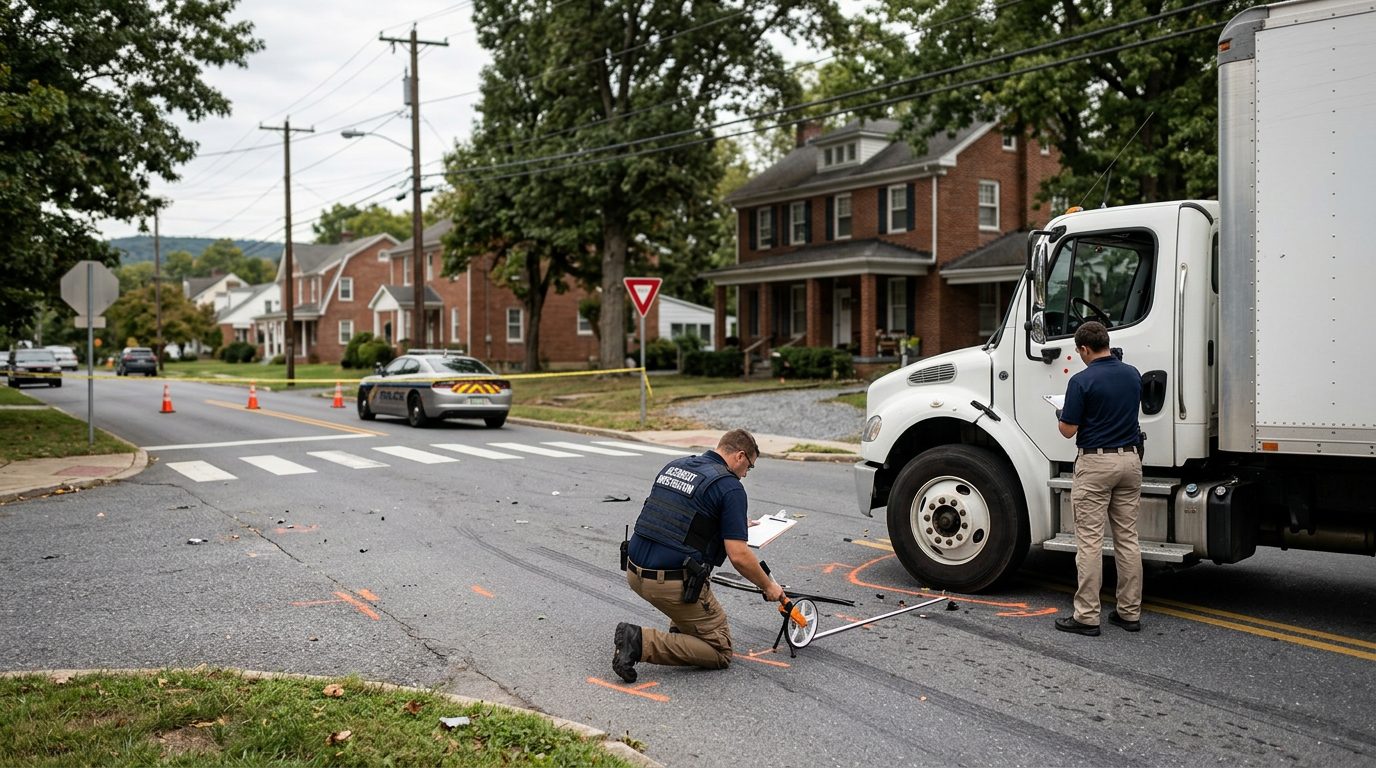
Traumatic Brain Injury | Truck Crashes | Winchester, Virginia
Brain Injuries From a Truck Crash: Guidance From Correll Law Firm
A brain injury can change how a person thinks, works and cares for their family, often long after the crash. The firm helps injured people and families across the Shenandoah Valley understand their options.
Published November 15, 2026
After a crash with a large truck, many people first ask how serious the injury is and whether it will heal. A head injury can be easy to miss at the scene, so the questions often come later.
A brain injury from a truck crash may support a claim against more than one party. Early medical care, careful records and attention to filing deadlines all matter in Virginia.
What a Traumatic Brain Injury From a Truck Crash Involves
A traumatic brain injury happens when a blow, jolt or penetrating force damages the brain. Car and truck crashes are a known cause, according to the Administration for Community Living.
Severity ranges from a concussion to a severe injury with effects that can last long after the crash. The firm handles traumatic brain injury claims that range across this spectrum.
Commercial trucks are much heavier than cars. In a collision, that weight can throw the occupants of a smaller vehicle into sudden, violent motion. People on foot and on bicycles can also suffer head injuries when a large truck strikes them.
Symptoms can change over days and weeks. An early exam may not show the full picture, so the first diagnosis is rarely the last word on the injury.
This guide is written for injured people and families in the Shenandoah Valley, Richmond and Henrico County.
If a truck crash left you or a family member with a brain injury, you may have questions about who may be responsible, and the firm can talk with you about them. Talk it through with Correll Law Firm — we can walk you through how a situation like yours is usually handled and what your options are.

Who May Be Responsible After a Commercial Truck Crash
More than one party may be responsible after a commercial truck crash. Possible parties include the truck driver, the motor carrier that employs the driver, and the truck owner if it is a different company. The owner-versus-driver liability guide covers these roles in more detail.
Cargo can also play a role. Federal rules require each commercial motor vehicle, when transporting cargo on public roads, to be loaded and secured so it does not leak, spill, blow or fall from the vehicle, under 49 C.F.R. § 393.100.
Virginia requires a driver involved in a crash with injury or death to stop and report it to police immediately (Va. Code §§ 46.2-371, 46.2-894). The two-year period discussed later in this guide is the deadline to file a lawsuit, not the deadline to report a crash (Va. Code § 8.01-243).
Common Causes of Serious Truck Crashes
Several causes can be looked into after a serious truck crash. Fatigue, distraction, speeding, impairment and unsecured cargo are the main ones to examine.
Federal hours-of-service rules limit how long a property-carrying driver may work. A driver may not drive after 14 consecutive hours following 10 consecutive hours off duty, under 49 C.F.R. § 395.3. The same rule limits total driving time and sets weekly on-duty caps. The hours-of-service guide explains these limits in more detail.
Another federal rule bars a driver from operating a commercial vehicle when fatigue, illness or another cause makes it unsafe, under 49 C.F.R. § 392.3.
Distraction, speeding and drug or alcohol impairment can also be investigated. Each one leaves its own trail of records and witnesses.
Knowing the cause early helps decide which records to pursue. A fatigue question points toward logs and dispatch messages. A cargo question points toward loading records and inspection notes.
Evidence That Matters in a Brain Injury Truck Case
Records that show what happened often matter most, and some can be lost. Relevant records may include driver logs, trip records, dispatch communications, maintenance and inspection files, and cargo paperwork.
Post-crash testing is another key area.
The rule sets time limits. An alcohol test not given within 2 hours must be documented with the reasons. Attempts to give an alcohol test stop after 8 hours. The post-crash testing guide covers this in more depth.
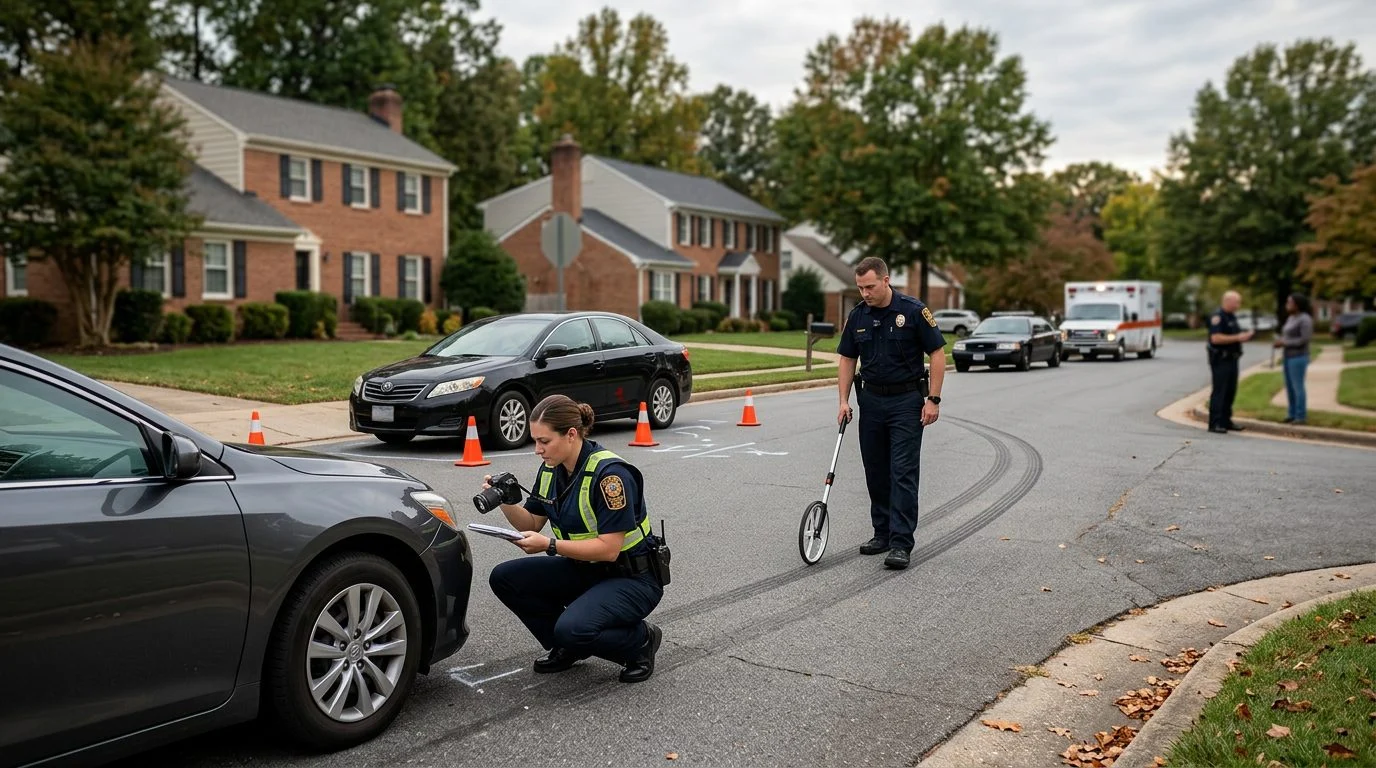
Scene photographs, police reports, vehicle damage and witness statements can also show how the crash happened.
Much of the trucking evidence sits with the trucking company. The firm may send requests asking that those records be preserved.
Medical Documentation and Symptoms to Track
Prompt medical evaluation after any head impact helps document the injury, even when symptoms seem mild.
Symptoms people often describe after a brain injury include headaches, trouble with memory or concentration, dizziness, sleep changes, mood changes and sensitivity to light or noise. Some of these may appear later, not on the day of the crash.
A written symptom journal helps. Note what you feel, when it happens and how it affects work, driving and family life. Consistent follow-up visits with treating providers also build a clear medical record.
The firm reviews medical records as part of a claim and may review them with qualified medical providers.
Damages in Traumatic Brain Injury Claims
Damages in a brain injury claim usually cover losses the injury causes. These can include past and future medical care, rehabilitation, lost income, reduced ability to earn, and changes in daily life and relationships. A claim’s value depends on the medical record and the facts of the crash.
Wrongful death claims follow a different list of losses. Virginia wrongful death damages cover the family’s sorrow, mental anguish and loss of the decedent’s companionship, guidance and care; lost income and services; medical expenses from the injury; funeral expenses; and, for willful or wanton conduct, punitive damages (Va. Code § 8.01-52).
Not sure what your next step is?
Talk it through with Correll Law Firm — we can walk you through how a situation like yours is usually handled and what your options are.
Deadlines and How the Firm Handles a Truck Brain Injury Case
Virginia generally allows two years from the date of injury to file a personal injury lawsuit (Va. Code § 8.01-243(A)); the clock runs from the date of injury, not the date of discovery, with narrow exceptions.
Some claims carry notice requirements that run out sooner than the lawsuit deadline.
A Virginia wrongful death action is filed by the decedent’s personal representative within two years of the death (Va. Code §§ 8.01-50(C), 8.01-244(B)), on behalf of the family members the statute protects.
Correll Law Firm’s offices are located in Winchester and Harrisonburg. It serves clients from the Shenandoah Valley, Richmond and Henrico County. A typical truck accidents matter moves through a few steps:
- Intake: the firm reviews the crash facts and the injury.
- Evidence: the firm may send requests to preserve records.
- Records: police reports, medical records and trucking records are gathered.
- Medical review: the records are reviewed with medical providers.
- Options: the firm discusses possible next steps with the injured person or family.
Common Questions About Truck Crash Brain Injury Claims
These answers cover questions people often raise after a truck crash.
How do I sue a trucking company?
A claim is generally filed as a lawsuit in court. It may name the driver, the carrier or the truck owner, based on the facts.
Can I still have a claim if the other driver left the scene?
Identifying a driver who leaves the scene can be hard. The options depend on the facts.
What if I was partly at fault?
Virginia follows contributory negligence: if you are found even partly at fault, you may be barred from recovering, with limited exceptions. Talk to a lawyer about your facts.
Do symptoms have to appear right away?
Not always. Some brain injury symptoms may appear days or weeks later, so prompt medical evaluation and a symptom journal help document them.