
Pain and Suffering After a Virginia Injury: What Your Claim May Include
A plain-language guide to how pain, daily life and lasting harm fit into an injury claim, and where the firm's work begins.
Published November 13, 2026
Being hurt in a crash can change how you sleep, work and spend time with family. After an injury, it is common to wonder how the pain you have endured fits into a claim under Virginia law. This page explains what that harm covers and the Virginia rules that shape it.
The Short Answer: Pain and Suffering in a Virginia Injury Claim
Pain and suffering is a noneconomic harm. It describes how an injury hurts you, not a receipt or a wage record.
Medical bills and lost wages are out-of-pocket losses. You prove them with bills, invoices and pay records. Pain and suffering is harder to measure, so a jury weighs it rather than adding up paperwork. That is why two people with similar injuries can have different claims.
When a truck is involved, more than one party may share responsibility. The firm handles car, truck and commercial vehicle crash claims for people from the Shenandoah Valley to Richmond and Henrico County. For more, read the commercial vehicle accident guide.
If a crash left you hurt and unsure what your losses may mean, you don't have to sort it out alone, and the firm is ready to listen. Talk it through with Correll Law Firm — we can walk you through how a situation like yours is usually handled and what your options are.
What Pain and Suffering Covers
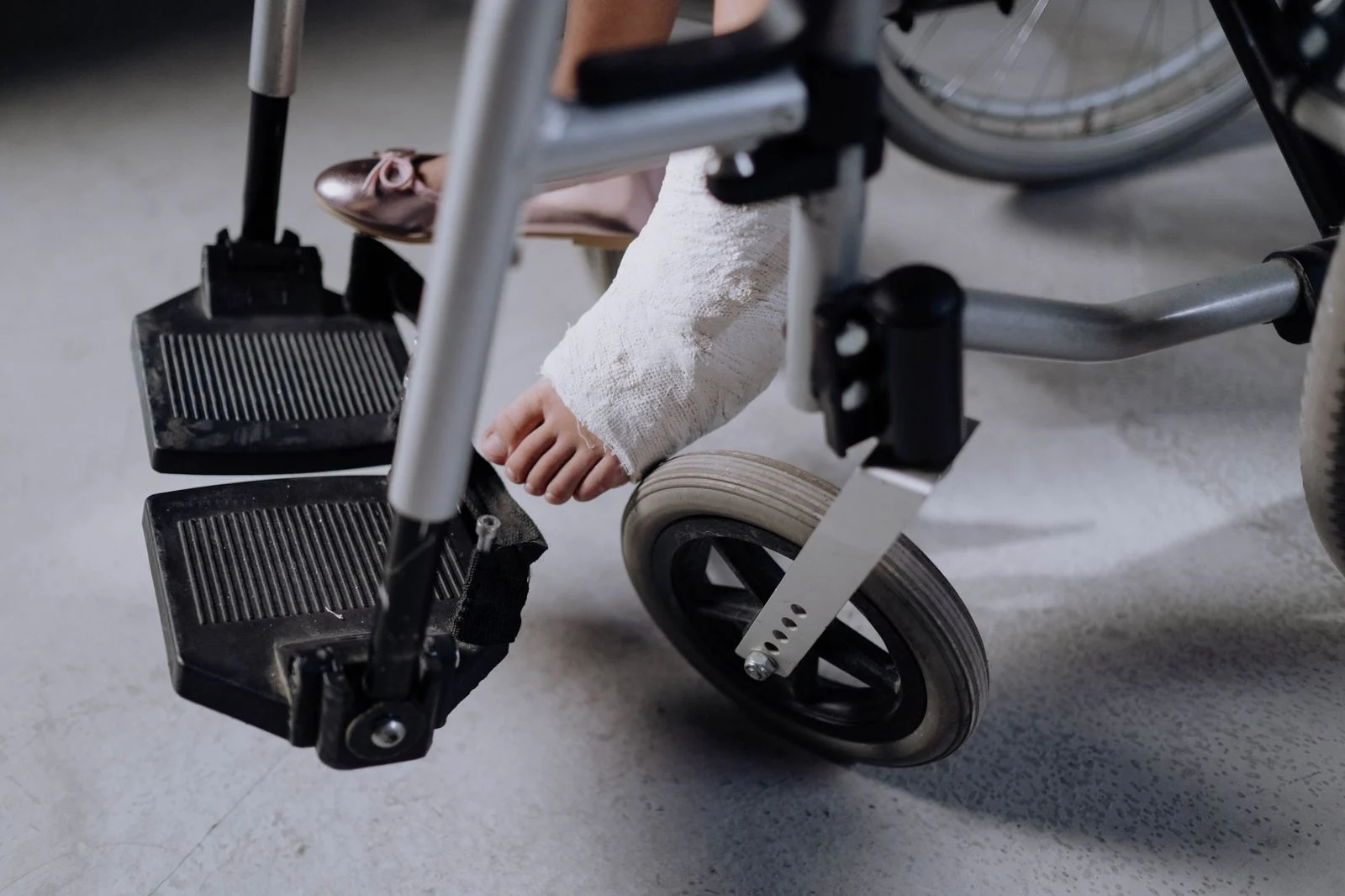
Pain and suffering covers the physical and emotional effects of an injury on your daily life. It usually falls into three areas.
Physical pain is the most visible. It can include ongoing pain, limits on movement, and pain during therapy or recovery from surgery. Describe how it changes from day to day, not only on the worst day.
Emotional distress is the second area. After a serious crash, many people feel anxiety, fear of driving, nightmares or trouble sleeping. Mental anguish is the term for that deep distress. It is a real harm, and it can affect work and family life.
Lost enjoyment of life is the third. It covers hobbies, work routines and family roles you can no longer do the same way. A parent who cannot lift a child, or a worker who cannot stand through a shift, may feel that loss every day.
These areas often overlap. A sleep problem can come from both pain and fear. Describe the harm in full rather than sorting it into neat boxes. The claim looks at how the injury changed your life, not only the diagnosis.
How Pain and Suffering Is Shown With Evidence
Pain and suffering is shown through the same records that show what happened to you. Medical records carry the most weight. Emergency notes, imaging, treatment plans and provider notes describe symptoms and limits in the provider’s own words.
Consistency matters too. Report symptoms to your provider as they happen, including small ones. Gaps in treatment give the other side a reason to question how serious the injury was. Long stretches with no care can make a claim harder to support, even when the pain is real.
A simple daily journal helps. Note what hurts, what you could not do and how your sleep went. Keep entries factual and dated, because they show change over time.
Witnesses help as well. Family, coworkers and friends can describe what they saw: a missed season of softball, a changed work schedule or a new fear of highways. Their accounts add detail that records alone may not show.
Fault and injury evidence often overlap. For how fault is judged in one common crash type, see who is at fault in a rear-end collision in Virginia.
Emotional Distress and Mental Injuries in a Virginia Claim
Emotional injuries after a serious crash can be part of the harm you describe, and they are shown through records and history. Distress that comes with a physical injury is usually easier to connect to the crash. A treating provider can note anxiety, sleep loss or depression as part of the injury picture.
Distress without a physical injury can be harder to pursue. The facts decide whether it fits. Many people hold back on mental health because they feel it is private. Sharing those symptoms with your provider is what allows them to be recorded.
Keep notes on when fear keeps you off the road or away from work. Those details show how the crash changed daily life, not just your mood on a single day.
For how these claims arise after a large truck crash, see can you sue for being rear-ended by a semi-truck.
Filing Deadlines and Partial Fault
Virginia generally allows two years from the date of injury to file a personal injury lawsuit (Va. Code § 8.01-243(A)); the clock runs from the date of injury, not the date of discovery, with narrow exceptions.
Some claims carry notice requirements that run out sooner. A claim against a county, city or town for negligence must be preceded by a written statement filed within six months (Va. Code § 15.2-209), unless the locality’s attorney, chief executive, or mayor, or its insurer or entity providing coverage or indemnification of the claim, had actual knowledge of the claim within six months.
Partial fault is the other rule that shapes a claim. Virginia follows contributory negligence: if you are found even partly at fault, you may be barred from recovering, with limited exceptions. Talk to a lawyer about your facts.
Early statements about the crash can be used later. Keep your account accurate and simple.
Reporting the Crash and Why It Matters for the Record
Virginia requires a driver involved in a crash with injury or death to stop and report it to police immediately (Va. Code §§ 46.2-371, 46.2-894).
The two-year period in the last section is the deadline to file a lawsuit, not the deadline to report a crash. When injuries from the crash prevent a driver from stopping and reporting right away, the driver is still required to make the report to the State Police or local law enforcement as soon as reasonably possible (Va. Code § 46.2-894).
A prompt, accurate police report records the time, place and people involved. That record can be compared with medical notes written later. Gaps between the crash and the first visit can raise questions, so tell the first provider about every symptom, even ones that seem minor. Photos of the vehicles, the road and your injuries, taken soon after the crash, can also help show the scene.
If your crash involved a tow truck or a roadside work zone, see tow truck accident injury in Virginia.
Not sure what your next step is?
Talk it through with Correll Law Firm — we can walk you through how a situation like yours is usually handled and what your options are.
Pain and Suffering in a Wrongful Death Case
When a crash leads to death, the claim is brought for the family under Virginia law. A Virginia wrongful death action is filed by the decedent’s personal representative within two years of the death (Va. Code §§ 8.01-50(C), 8.01-244(B)), on behalf of the family members the statute protects.
Family members generally do not file the action: it is brought by the deceased’s personal representative, except that a fetal death action is brought by the natural mother, or if she dies or is under a disability, by the administrator of her estate, her guardian, or her personal representative. They share in the recovery, and Va. Code § 8.01-53 sets out who is eligible to share.
Virginia wrongful death damages cover the family’s sorrow, mental anguish and loss of the decedent’s companionship, guidance and care; lost income and services; medical expenses from the injury; funeral expenses; and, for willful or wanton conduct, punitive damages (Va. Code § 8.01-52).
The injured person’s own pain and suffering is not one of those listed damages. Families who lost someone often ask about this, so it helps to understand the list clearly. Keep hospital, funeral and income records together from the start, since they show the losses the statute lists.
Punitive Damages: When They Are Available in Virginia
Virginia allows punitive damages for actual malice, or for willful or wanton conduct or recklessness showing a conscious disregard for the safety of others, capped at $350,000 (Va. Code § 8.01-38.1).
Ordinary carelessness does not meet that standard.
Punitive damages are separate from pain and suffering. They are not a substitute for it, and the facts decide whether they apply.