
Car Accidents | Virginia
Who's at Fault in a Parking Lot Crash in Virginia?
Fault depends on how the crash happened. Here is what shapes the answer, and how the firm helps people from the Shenandoah Valley to Richmond and Henrico County.
Published October 28, 2026
Short answer: fault in a parking lot crash depends on how it happened
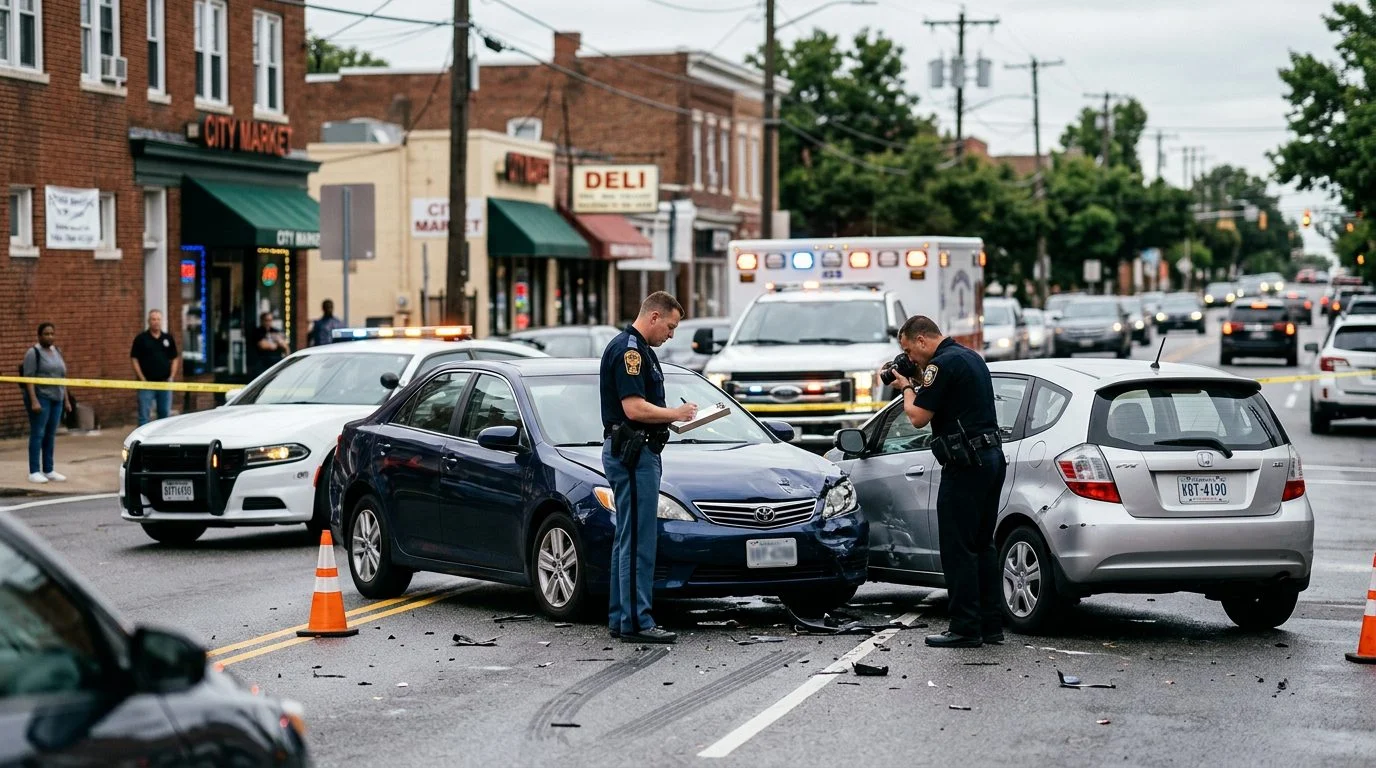
Fault in a parking lot crash depends on the facts of that crash. No single rule always blames the driver who was backing up or the driver who was struck. Most disputes turn on who was moving, who was stopped, how fast each vehicle was going, what each driver could see, and what signs or lane markings were in place.
Parking lot crashes are often low speed, but they can still cause real injuries and real disagreements about fault. Each driver usually tells a different story. The early facts often shape how the rest of the claim is handled. The firm handles car accidents and truck accidents, including commercial vehicle crashes, so the sections below cover the questions that come up most.
If a parking lot crash left you hurt, you may have a claim, and the firm is glad to talk through what happened. Talk it through with Correll Law Firm — we can walk you through how a situation like yours is usually handled and what your options are.
When two drivers back into each other
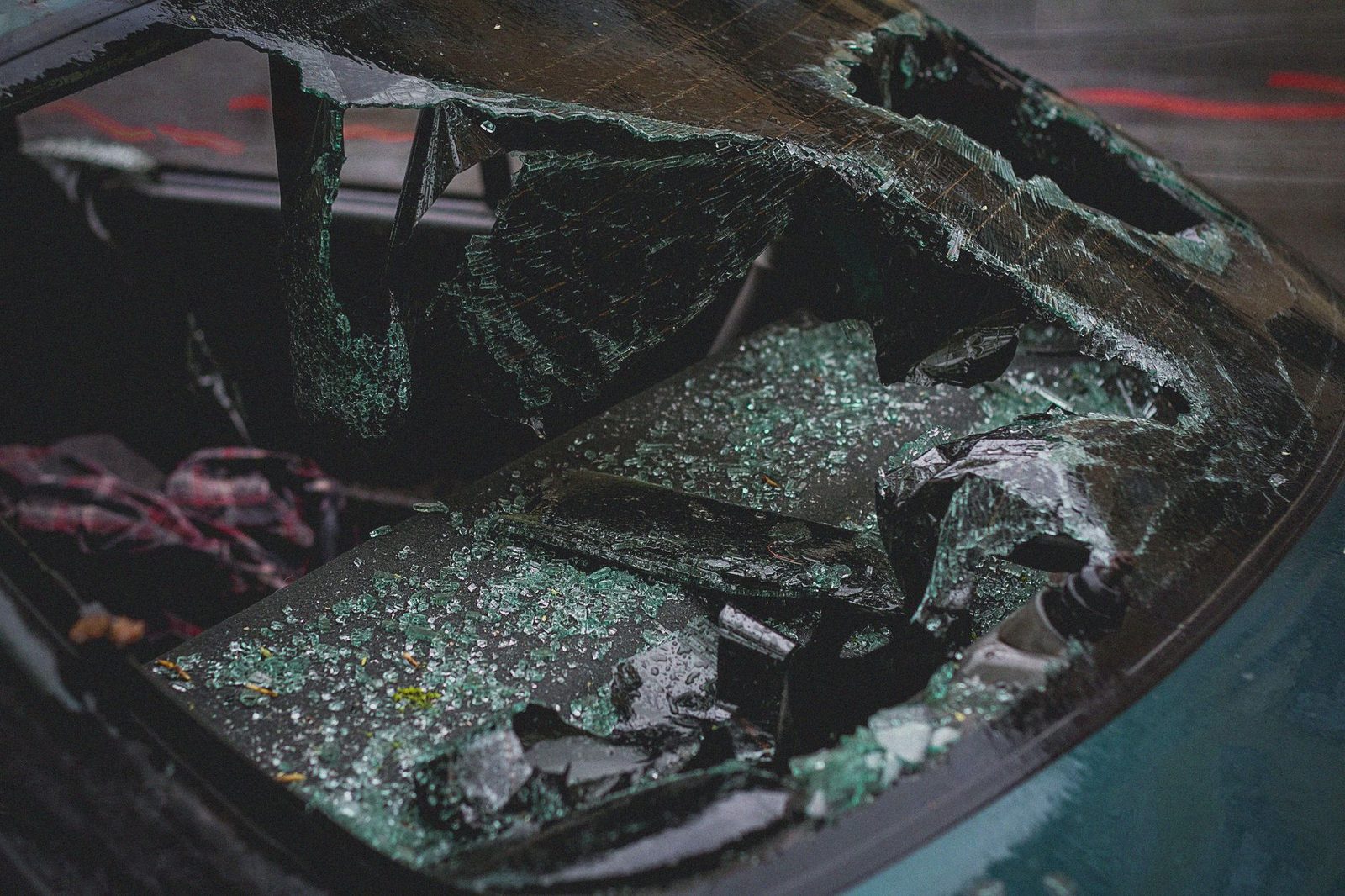
Two drivers backing into each other is one of the most common lot disputes. Each driver may say the other came into their path. Both cars are moving slowly, so each may feel the other should have seen them.
The key questions are simple to state. Who had a clear path? Who checked mirrors or a backup camera before moving? Was one driver already leaving a space while the other turned in? The damage often helps answer them. The spot where the vehicles touched, and which bumper, door or corner was hit, can show how the cars were positioned.
Photos and witnesses help too. Photos taken soon after the crash capture where the cars came to rest, before anyone moves them. Witness names and phone numbers matter, because a neutral person’s account can help resolve a dispute about who was moving.
Right of way, moving traffic and people on foot
Parking lot layouts often decide who was expected to yield. Painted arrows, stop signs and the usual flow of traffic all help show what each driver should have expected. A driver leaving a space and a driver moving down the drive aisle may each see the other’s path differently. The question becomes where each car was pointed and whether the driver leaving looked before backing out.
Crashes involving people on foot raise different questions. A reviewer may ask how fast the car was moving, whether the driver could see the person between parked cars, and whether the driver was looking ahead at the time. A lot is private property, so its layout is often the clearest evidence of how traffic was meant to move.
A driver who was turning or changing direction may need to explain what checks were made first. That explanation matters because it shows what the driver could see at the moment of the move. Short, specific answers about those checks usually carry more weight than general statements that the driver was careful.
Parking lot crashes involving trucks and commercial vehicles
Truck and commercial vehicle crashes in a lot raise more questions than car-to-car crashes. Delivery vans, box trucks and larger commercial vehicles have wider turns and bigger blind spots. A driver may not see a small car near the side or rear of the vehicle, even when checking mirrors.
Commercial crashes can also involve more parties and more records. The vehicle may belong to a company rather than the driver. The questions often include what the vehicle was doing, whether a helper guided the move, whether mirrors and cameras were working, and whether loading or unloading was happening nearby at the time.
The firm handles truck accidents and commercial vehicle accidents. For the wider picture of how these crashes are handled, the firm’s commercial vehicle accidents guide covers the main issues.
When both drivers may share the blame
Many lot crashes involve movement by both drivers. Each driver may be partly responsible in the eyes of an insurer or a court. Virginia’s rule on shared blame is strict, so it matters early.
Virginia follows contributory negligence: if you are found even partly at fault, you may be barred from recovering, with limited exceptions. Talk to a lawyer about your facts.
The injured person does not have to pick only one driver. Early, accurate notes about each driver’s account can help sort out the facts later.
Reporting the crash, police response and evidence to keep
Virginia requires a driver involved in a crash with injury or death to stop and report it to police immediately (Va. Code §§ 46.2-371, 46.2-894). The driver’s duties appear in Va. Code § 46.2-371, which requires the driver to immediately give notice of the accident to a law-enforcement officer, and in Va. Code § 46.2-894, which applies to any accident in which a person is killed or injured or in which an attended vehicle or other attended property is damaged, and requires the driver to stop as close to the scene as possible, give name, address, driver’s license number and vehicle registration number, and render reasonable assistance to anyone injured.
Whether officers respond to a lot collision depends on the facts. Relevant facts include whether anyone was hurt and whether traffic was blocked. A police report can be useful later, so note the report number if one is given.
Evidence to keep includes photos of both vehicles, the damage and the lot. It also includes witness names and contact details, plate numbers, and medical records after any injury. Requests for security video should be made quickly, since footage is often overwritten.
Insurance context matters too. Adjusters compare accounts, photos and damage. Before giving a recorded statement, a person may wish to understand what is being asked.
Not sure what your next step is?
Talk it through with Correll Law Firm — we can walk you through how a situation like yours is usually handled and what your options are.

Time limits to keep in mind
Virginia generally allows two years from the date of injury to file a personal injury lawsuit (Va. Code § 8.01-243(A)); the clock runs from the date of injury, not the date of discovery, with narrow exceptions.
Some claims carry notice requirements that run out sooner than the lawsuit deadline. Under Va. Code § 8.01-243, unless otherwise provided in that section or by other statute, the two-year period applies to actions for personal injuries and for damages resulting from fraud; it is the deadline to file a lawsuit, not the deadline to report a crash to police.
A common mistake is waiting for insurance talks to finish before thinking about deadlines. The clock keeps running while a claim is handled. The firm also serves people in Richmond and Henrico County.
Related practice areas
- Commercial Vehicle Accidents in Virginia: What Injured People and Families Should Know First
- How do I look up an accident report in Virginia?
- Virginia Car Accident Claim vs. Trial: How Each Path Works
- Car Accident Claim Without a Lawyer: Virginia Risks
- Truck Accident Evidence to Prove Driver Fault in Virginia
- Injuries That Qualify for a Serious Injury Claim in Virginia