
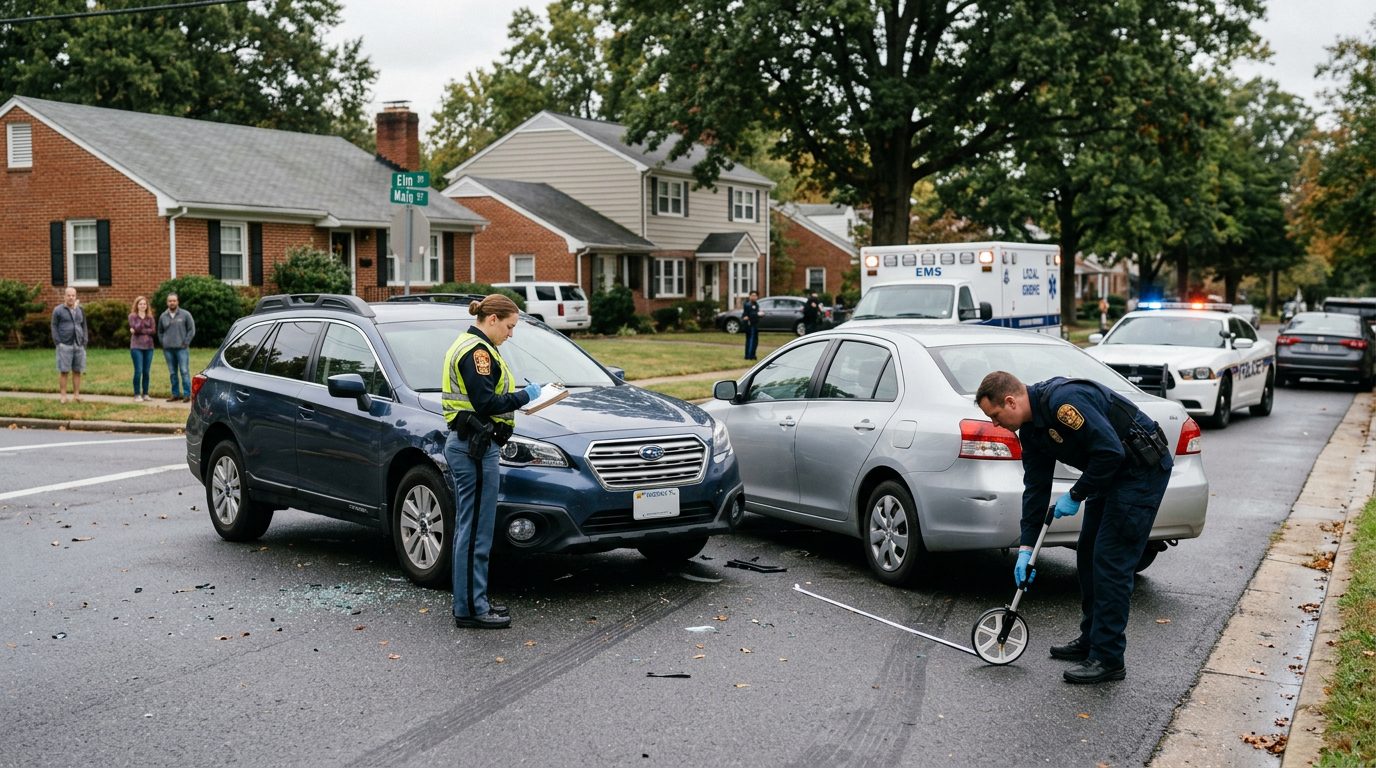
Car Accidents | Winchester, Harrisonburg and the Shenandoah Valley
Hurt in a Crash You Didn't Cause? Know What to Tell Your Own Insurer
A plain-language guide to the reporting steps that help protect your position after a collision you did not cause.
Published November 17, 2026
A crash you didn’t cause can still leave you wondering what to tell your own insurer. Telling your insurer promptly is usually the safer course, even when you believe the other driver is to blame.
Short answer: should you report a crash you did not cause?
Usually, yes, because the other driver’s story may not match yours. An early report puts your version of events on record while the details are fresh. Your own policy may also include coverage that applies to a crash someone else caused. Many policies ask for prompt notice of any accident, whoever caused it. Think of the report as a record, not a verdict. It tells your insurer what happened, and it does not decide who was at fault. Waiting can make the timeline harder to rebuild later.
If you were hurt in a crash you didn't cause, you may have a claim, and the firm is willing to talk through your facts with you. Talk it through with Correll Law Firm — we can walk you through how a situation like yours is usually handled and what your options are.
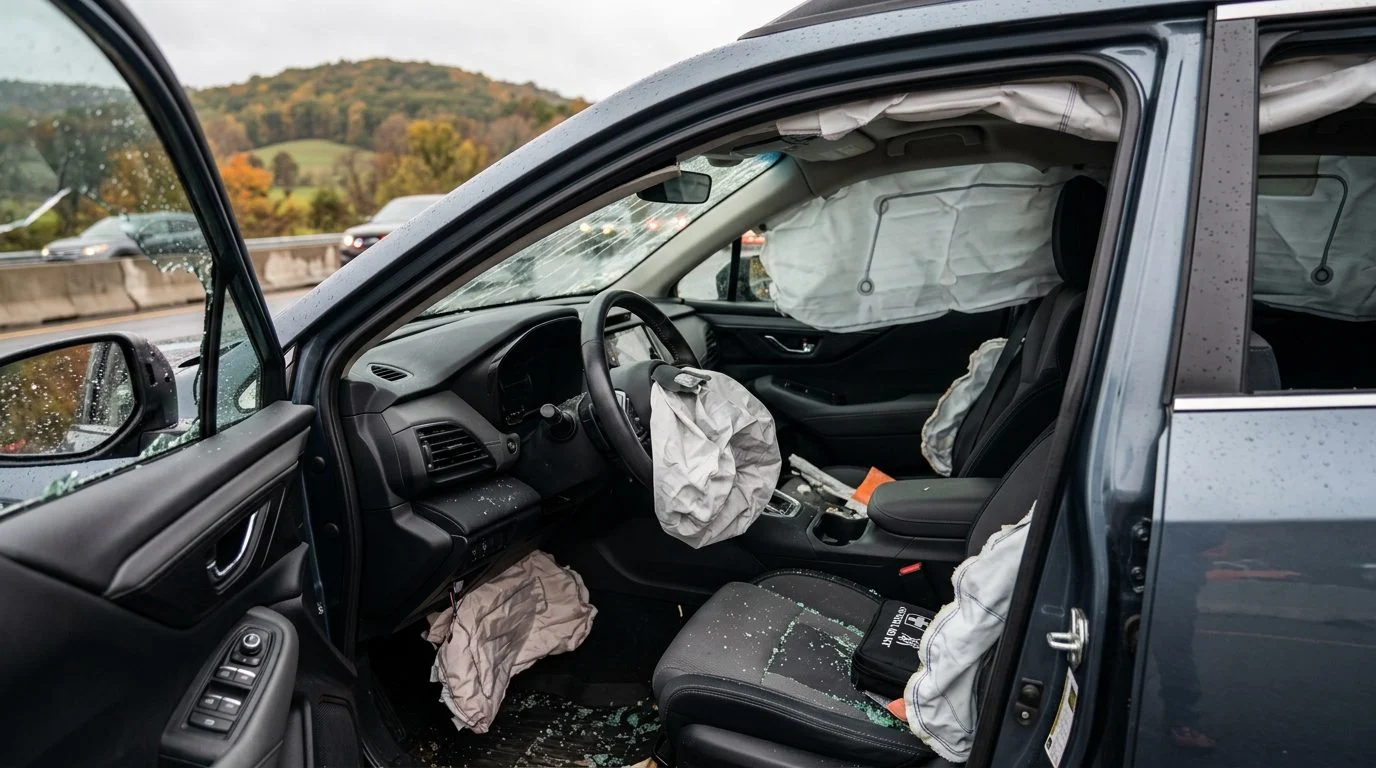
Why reporting matters even when the other driver caused the crash
Other drivers’ insurers do not always accept the account they are given, and disputes can surface weeks later. A record made close to the crash helps when that happens. Coverage is the second reason. Under Va. Code § 38.2-2206, an auto liability policy generally must include provisions that pay the insured what they are legally entitled to recover from the owner or operator of an uninsured motor vehicle. The same section requires underinsured motorist coverage with limits equal to the uninsured motorist limits. Va. Code § 38.2-2206 reads: “The endorsement shall provide that underinsured motorist coverage shall be paid without any credit for the bodily injury and property damage coverage available for payment, unless any one named insured signs an election to reduce any underinsured motorist coverage payments by the bodily injury liability or property damage liability coverage available for payment by notifying the insurer as provided in subsection C of § 38.2-2202.” These protections matter because the Insurance Information Institute notes that drivers are financially responsible for accident damages, medical bills and other liabilities. Some policies also include medical payments coverage, which can help with medical bills after a crash. Whether any of this applies to you turns on the policy language and the crash itself.
Report the crash to police first
Virginia requires a driver involved in a crash with injury or death to stop and report it to police immediately (Va. Code §§ 46.2-371, 46.2-894).
Consider a driver involved in a crash with injury or death who does not notify law enforcement right away. Under Va. Code § 46.2-371, a willful failure to make the report required in this section is a Class 4 misdemeanor. A police report also gives a neutral record of when and where the crash happened and who was involved. Keep the report number, because your insurer may ask for it. Remember that the two-year period discussed later is the deadline to file a lawsuit, not the deadline to report a crash.
What information to give your own insurer
Give your insurer the basic facts: the date, time, location, and the drivers and passengers involved. Include the other driver’s name, address, driver’s license number and vehicle registration number when you can get them. Va. Code § 46.2-894 lists the identifying details a driver in an injury crash must report to police or to the person struck. Also share the vehicles involved, any visible damage, and the names and contact details of witnesses. Gather photos of the vehicles and the scene. Keep them together with the police report number and your written notes. Write down what you remember the same day, while the details are clear. Stick to what you know. If you don’t know an answer, say so and explain that you’ll share more when you have it.
What to avoid saying to an insurance company
Don’t admit fault, even in passing. A simple “I’m sorry” can be repeated back as an admission, so describe what happened instead. Don’t guess at speeds, distances or what the other driver was doing. Stick to what you saw and did. Don’t describe your injuries as minor or fully healed before a medical evaluation is complete, because symptoms can change over time. If an adjuster asks for a recorded statement, slow down. Read each question, answer only what you know, and say when you are unsure. It is reasonable to ask for time to review your notes first.
What if the insurer suggests you were partly at fault?
Virginia follows contributory negligence: if you are found even partly at fault, you may be barred from recovering, with limited exceptions. Talk to a lawyer about your facts.
A single sentence in a recorded account can be read in more than one way. Keep your own description of the crash short and factual. Describe only what you saw and did, and let the other facts come out through the records.
Not sure what your next step is?
Talk it through with Correll Law Firm — we can walk you through how a situation like yours is usually handled and what your options are.
What happens when the other driver gives false information
Drivers sometimes change or dispute their account after a crash. Written notes, photos and witness details make a changed story easier to test. Write down the other driver’s statements as you heard them, with the time and place. Avoid arguing about the crash at the scene, since that can make the situation harder to manage. If the other driver refuses to give information, note the time, the place and what you asked for. Then report that to police. Tell your insurer about any statement that conflicts with what you know. Recording the conflict early keeps it on the record from the start.
How the other driver’s insurance claim works
The other driver’s insurer handles claims made against its own insured. That process is separate from your own policy’s coverages, even when the same crash is involved. The Virginia State Corporation Commission’s Bureau of Insurance states that it cannot represent a claimant in litigation or determine the monetary value of a car accident claim. Requests for a recorded statement or a quick offer deserve careful review before you respond.
Will reporting raise my rates?
Rate effects vary by insurer, by policy and by how a claim is classified. No single answer fits every driver. Ask your own insurer how your policy’s rating terms treat a claim where another driver is responsible. Some drivers worry that reporting a crash they didn’t cause will hurt them. Keeping the claim record accurate is what protects you if rates or coverage are questioned later. You can also ask the insurer to explain in writing how the claim will be recorded.
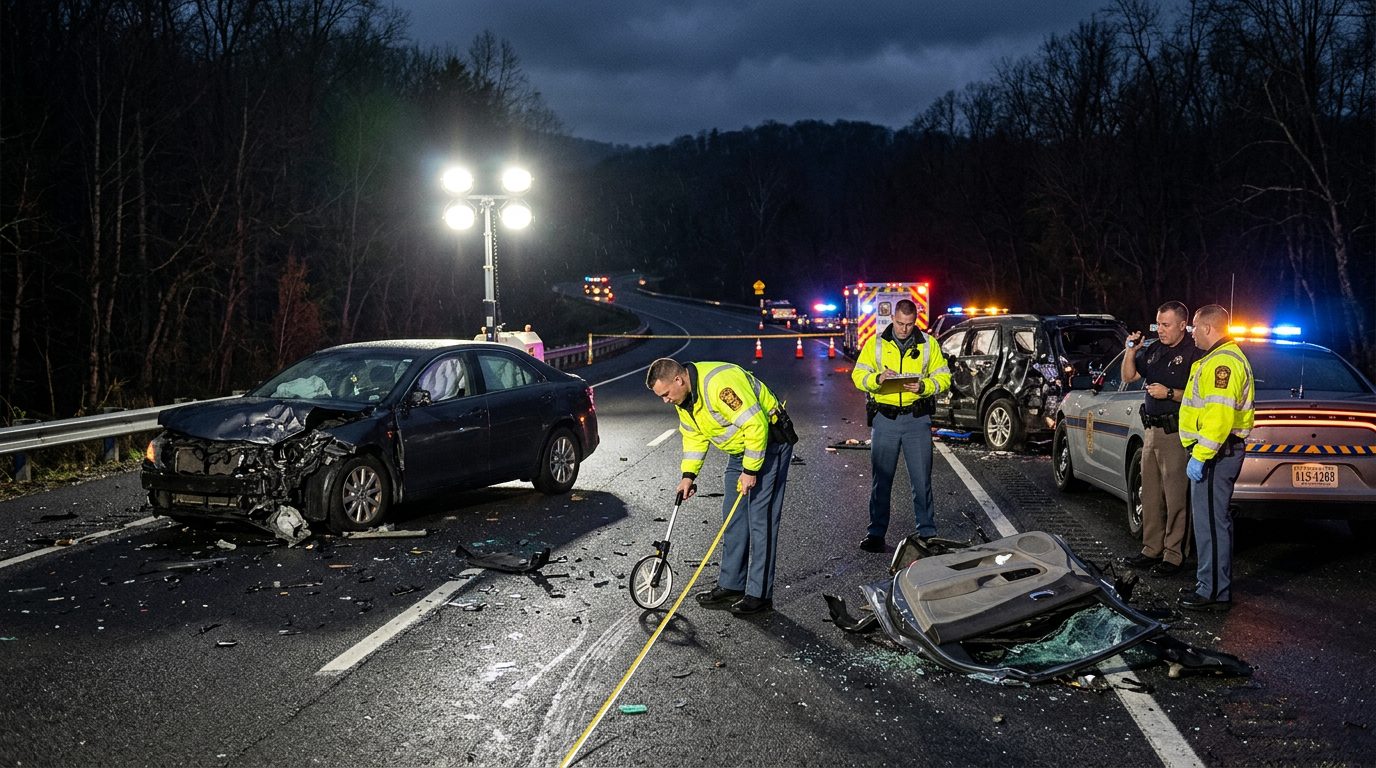
Timing, injuries and the steps to take next
Get a medical evaluation after any crash, even if you feel fine. An early record shows what you reported and when. Keep records of every visit, bill and treatment recommendation, and note how your injuries affect work and daily life.
Virginia generally allows two years from the date of injury to file a personal injury lawsuit (Va. Code § 8.01-243(A)); the clock runs from the date of injury, not the date of discovery, with narrow exceptions. Under Va. Code § 8.01-243, unless otherwise provided in that section or by other statute, every action for personal injuries, whatever the theory of recovery, shall be brought within two years after the cause of action accrues. For some malpractice claims against a health care provider, the two-year period is extended under subsection C, so the deadline can differ; reporting promptly still protects your options. For a broader overview, read the commercial vehicle accidents guide for Virginia.
Quick answers
Do I have to report a crash to my own insurer if it wasn’t my fault?
Usually it is the safer choice, and your policy’s notice terms set the timing.
Will a not-at-fault report raise my rates?
It varies by insurer and policy, so ask how your own policy treats the claim.
Can I give the basic facts without a recorded statement?
Yes, sharing the basic facts is a separate step from answering detailed questions on tape.