
Truck Accidents | Winchester, Harrisonburg and the Shenandoah Valley
Offered Cash After a Truck Crash? Pause Before You Accept.
A quick offer from a trucking company can feel like help. Here is how to protect your health and your options.
Published November 17, 2026
A truck crash is frightening, and a driver or company representative may offer you money right at the roadside. You may wonder whether taking it is the simple answer. Short answer: be cautious, and don’t sign anything or accept money until you understand your injuries and your options.
This page explains why these offers happen, what to do next, and how Virginia’s deadlines and fault rules can affect a later claim. It is written for readers across the Shenandoah Valley, including Winchester and Harrisonburg, and for people in the northern Shenandoah Valley, Richmond and Henrico County.
Why a Truck Driver or Company May Offer Cash at the Scene
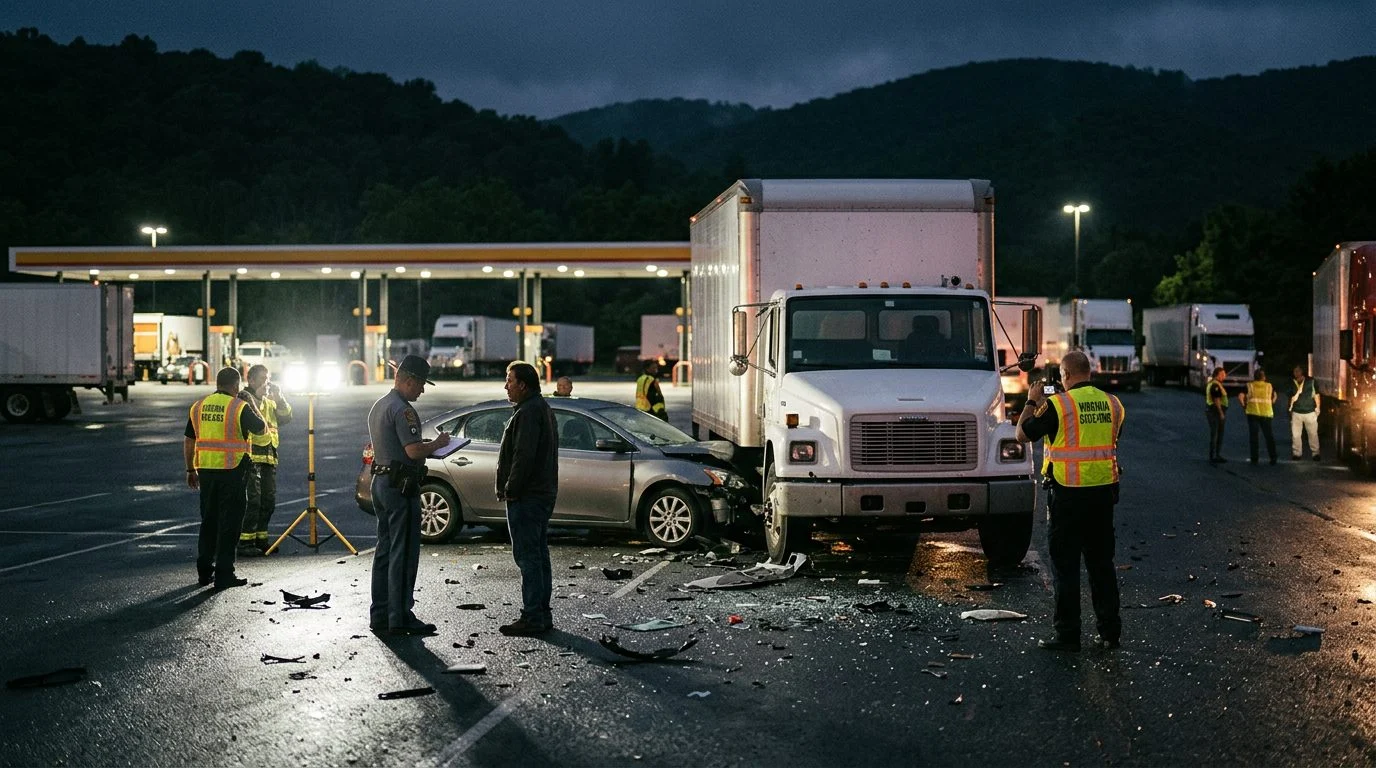
A truck driver or trucking company may offer cash at the scene to resolve the matter quickly, often before anyone knows how badly people are hurt. The offer usually comes from someone who works for the driver, the company or its insurer.
Commercial truck crashes often involve more parties than a typical car crash. The carrier and its insurer usually become involved, and people working for them may reach out to the injured person soon after.
An offer made in the first minutes may not reflect injuries you don’t know about yet. Neck pain, headaches, dizziness and back pain can appear hours or days after a crash. Shock can mask pain, so a person may feel fine at first.
Road noise, a large truck and the sudden impact can leave people shaken and unable to think clearly. That is exactly when a quick offer feels like relief. Still, an offer made at the roadside may not match what your injuries turn out to be.
If a truck driver offered you cash after a crash, you may have real questions about your rights, and you don't have to sort them out alone. Talk it through with Correll Law Firm — we can walk you through how a situation like yours is usually handled and what your options are.
Is It Better to Take Cash or Go Through Insurance?
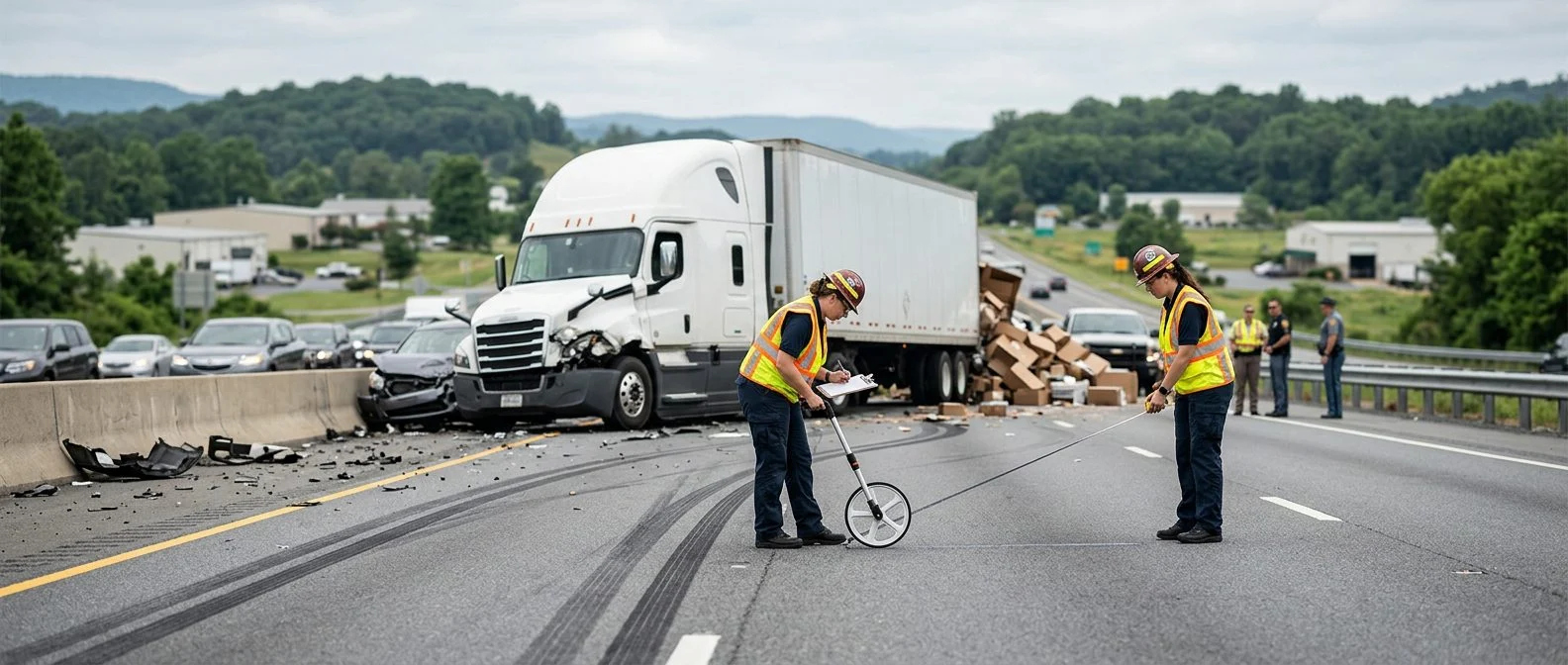
Taking cash at the scene and going through insurance are two different paths. The difference often matters more than the offer itself.
An insurance claim gives time for medical records and the facts to come together, so you can see your full picture before you decide.
Ask for time. You don’t have to sign a form, receipt or statement at the scene. If someone hands you paper, read every word and ask what it releases.
Virginia law treats releases with care. Under Va. Code § 8.01-35.1, a release given in good faith to one of two or more persons liable for the same injury does not discharge the others unless its terms so provide, but any amount later recovered from the others is reduced by the amount stated in the release or paid for it, whichever is greater.
Write down what was said and who said it. Include the driver’s name, the company name, the unit number, and any card or phone number you were given. Write these notes the same day, while the details are fresh.
Steps to Take Right After a Truck Crash
The first steps are to report the crash, get medical care and document what happened. Each one protects your health and your ability to show what occurred.
Virginia requires a driver involved in a crash with injury or death to stop and report it to police immediately (Va. Code §§ 46.2-371, 46.2-894). The driver’s duties are spelled out in Va. Code § 46.2-894.
Get medical care even if you feel fine. Symptoms such as headache, neck pain or dizziness can show up later. Tell the provider about every symptom, and keep every record.
Take photos of the scene, the vehicle damage, the truck’s company name and unit number, and the road conditions. Collect names and contact details from witnesses. Ask the police for the report number.
Federal rules also reach the trucking side. Early questions about those records can help a later claim. Keep paper and digital copies of everything in one folder.
Partial Fault and How a Cash Offer Can Affect Your Claim
A statement made at the scene about who caused the crash can be used later, so keep it factual and brief.
Virginia follows contributory negligence: if you are found even partly at fault, you may be barred from recovering, with limited exceptions. Talk to a lawyer about your facts.
Insurers and company representatives may suggest that you caused the crash. A cash offer can come with that suggestion attached, sometimes in the same breath.
When you speak with police or company representatives, describe what you saw and did. Don’t guess about speed, distance or who had the right of way. It’s fine to say “I’m not sure” when you aren’t.
Note the time and place of the crash in your own words, so your account stays tied to the facts.
Virginia’s Two-Year Filing Deadline
Virginia generally allows two years from the date of injury to file a personal injury lawsuit (Va. Code § 8.01-243(A)); the clock runs from the date of injury, not the date of discovery, with narrow exceptions. The rule appears in Va. Code § 8.01-243.
Don’t mix this up with the crash-report duty.
Some claims carry notice requirements that run out sooner. Waiting while an insurer reviews a cash offer can use up time you may need, so write down the date of the crash the day it happens. Injuries can take time to show their full effect, so keep the deadline in view from the start.
Related Commercial Truck Crash Issues
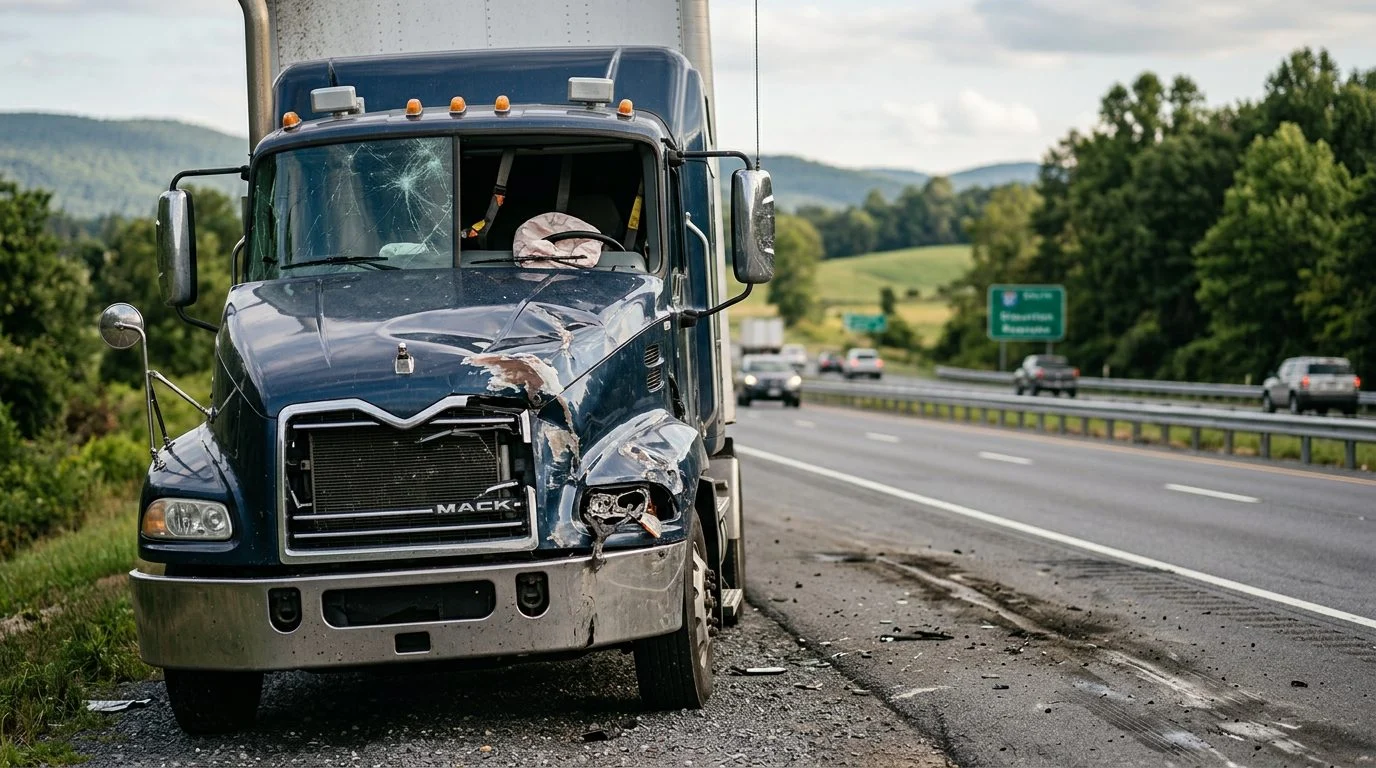
Truck crashes can involve more than one party, so the question of who may be sued matters.
Federal hours-of-service limits also apply to many commercial drivers. 49 CFR § 395.3 sets the driving-time limits. Rules like these can matter when a crash raises questions about driver fatigue.
Some crash types raise their own questions. The firm’s commercial vehicle accident guide covers the claim process. Underride and rear-end semi-truck crashes, and amputation injuries from commercial vehicle crashes, carry their own medical and equipment issues.
If a crash caused a death, this rule applies: A Virginia wrongful death action is filed by the decedent’s personal representative within two years of the death (Va. Code §§ 8.01-50(C), 8.01-244(B)), on behalf of the family members the statute protects.
Can a truck driver offer money at the scene?
Yes, a driver or company representative can make an offer at the scene. Whether to accept it depends on the facts, including your injuries.
Can accepting money at the scene affect a later lawsuit?
It can. What you sign matters, and a release can affect claims against others.