
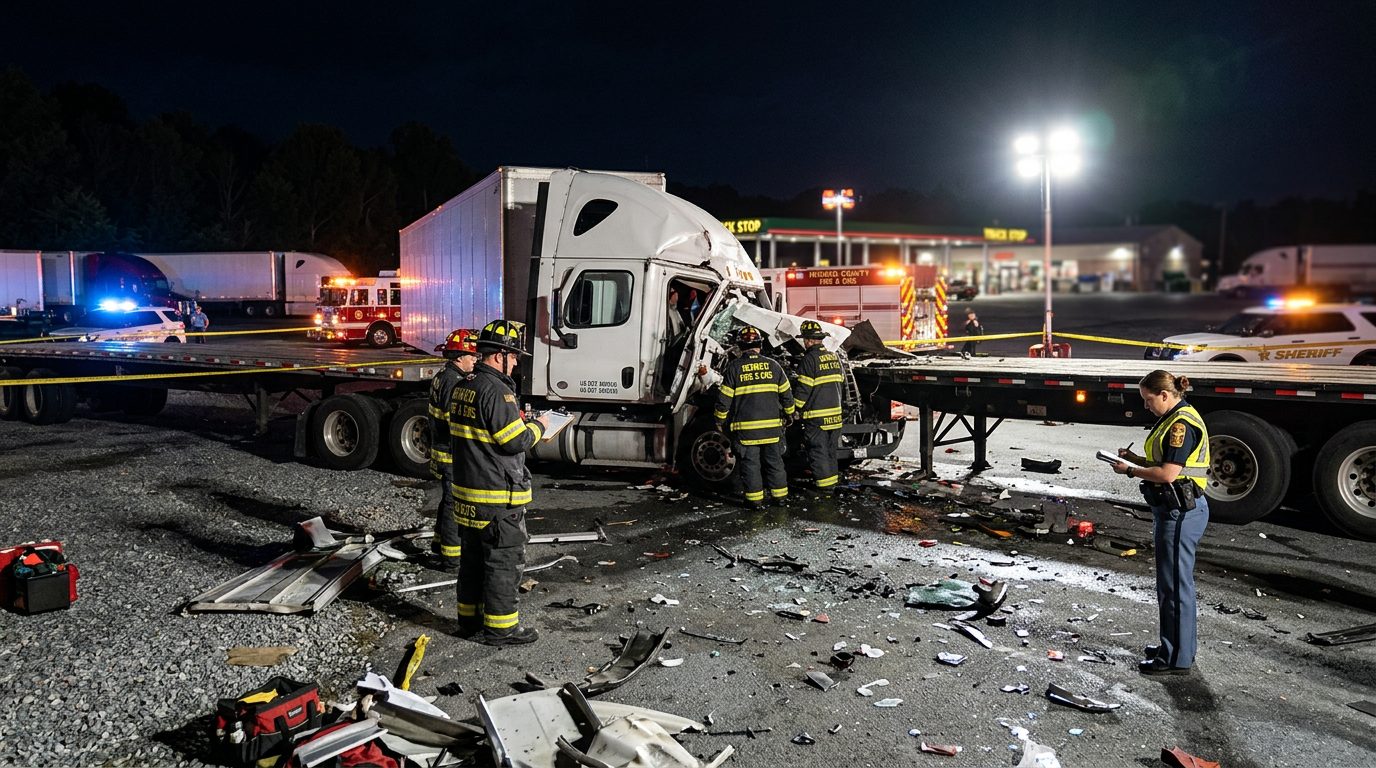
Truck Accidents | Virginia
After a Fatal Truck Crash: Steps for Virginia Families in the First Weeks
Police reports, hospital forms, the truck's records and insurer letters can all arrive at once. A calmer order can make them easier to manage.
Published November 18, 2026
After a family member dies in a truck crash in Virginia, the first weeks can bring police calls, hospital paperwork, funeral decisions and letters from insurers, often all at once. The short answer is to handle the crash report, the truck and its records, and the death paperwork first, then deal with insurers and the legal deadline in order.
This guide sets out those steps in the order many families find easiest to follow. It explains Virginia law in general terms and links to the official text so you can read the rules yourself.
Start With What Needs Attention First
Start by naming one family member to handle contact with police, hospitals, the funeral home and insurers. Grief makes it hard to think clearly, and one point of contact keeps the family from repeating the same details to many offices.
Next, make a short written list and sort the tasks by urgency. Medical records, the crash report and funeral arrangements each have their own timing, so a list keeps the most urgent items in view.
Gather the decedent’s identification, insurance cards, vehicle information and the contact details of anyone who was at the scene or spoke with the family. Hospitals, the medical examiner and the investigating agency will each ask for pieces of this information. Keeping it in one folder saves time later.
Families may also wish to write down what they remember about the crash while the details are fresh. A short note with dates and times is enough, and the family’s point of contact can keep it.
If your family is facing this loss, you do not have to sort out the next steps alone. Talk it through with Correll Law Firm — we can walk you through how a situation like yours is usually handled and what your options are.
Report, Police and the Crash Report
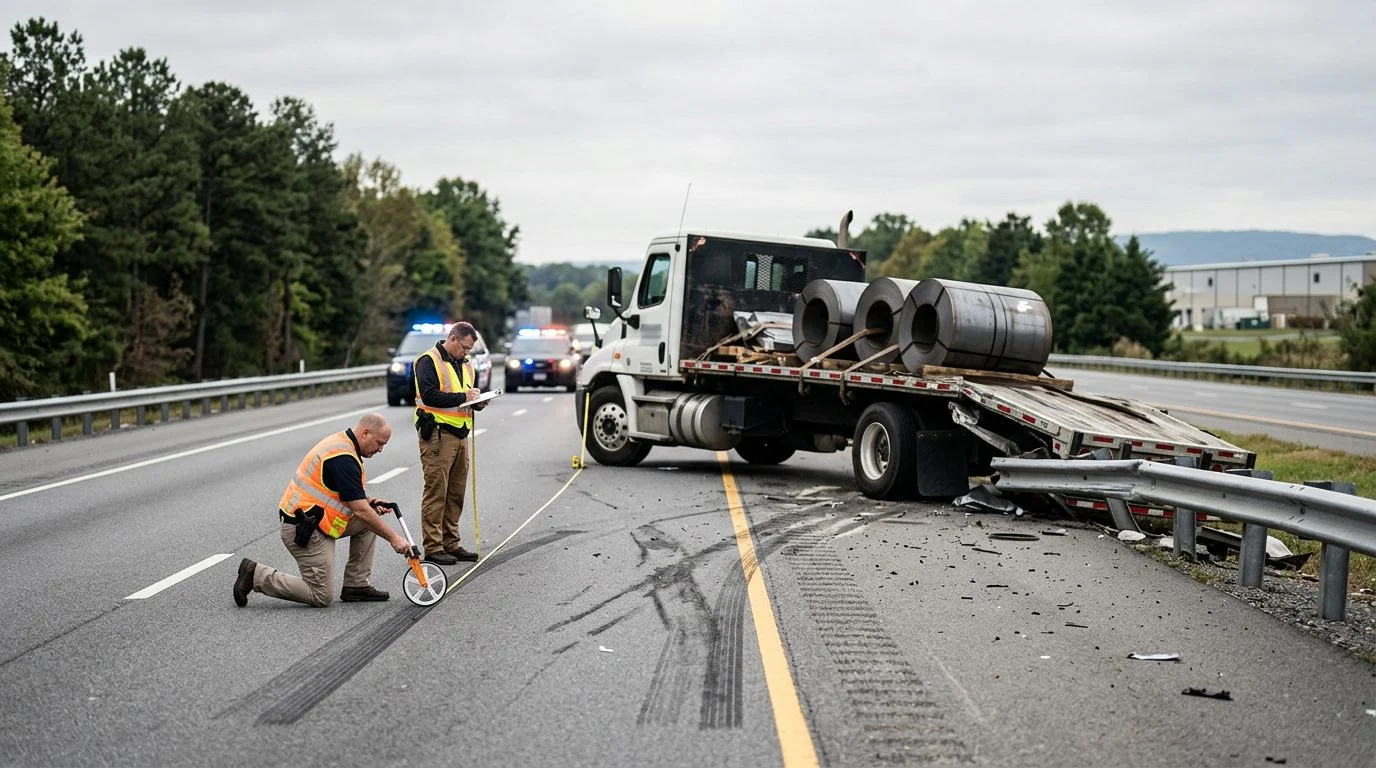
Virginia law places the first reporting duty on the driver. Families may still wish to confirm that a report was made. Virginia requires a driver involved in a crash with injury or death to stop and report it to police immediately (Va. Code §§ 46.2-371, 46.2-894).
The two-year period discussed later is the deadline to file a lawsuit, not a deadline to report a crash (Va. Code § 8.01-243).
Ask the investigating agency for the case or report number. Ask how to request a copy of the crash report once it is available, and note the date you asked.
Keep a log of every officer, agency and phone call, with dates and names. A written log makes questions easier to answer later, when details may be hard to recall.
If the report contains details the family believes are wrong, the family may wish to raise that with the agency in writing. A written request creates a clear record of what the family said and when.
Preserving the Truck, Vehicle and Records
Families may wish to ask in writing that the truck, its trailer and any electronic data be kept. The request should ask that nothing be repaired, released or sold without notice.
Trucks may carry electronic data, and that data can be lost if the vehicle is moved, repaired or scrapped. An early written request helps make sure the family’s wishes are on record.
Federal hours-of-service rules limit how long commercial drivers may drive and when they must rest. Driving-time records may matter to the questions that follow (FMCSA hours-of-service rules).
Ask the investigating agency where the vehicle is stored and who has custody of it. Those answers decide who the family should ask for access.
Photograph or list any personal belongings recovered from the vehicle, and keep them in a safe place. Save messages, photos, dashcam footage and witness contact details the family receives. Phones get replaced and footage gets deleted, so back up these items early.
Medical Examiner, Hospital Records and the Death Certificate
Ask the medical examiner or coroner’s office whether an autopsy was performed. Ask how the family can obtain the report.
Request complete hospital and emergency records from each facility. Include records from transport from the scene, so the family has one full timeline of care.
Medical records can be long and hard to read during grief. Families may wish to ask a trusted friend or relative to help sort them. Note any gaps in the timeline and ask the facility about them in writing.
Order several certified copies of the death certificate. Banks, insurers, courts and agencies often ask for an official copy, and some ask for their own.
Keep a folder of every medical bill, statement and insurance explanation tied to the crash. Keep the originals and make copies for the working file.
Funeral Arrangements and Keeping Receipts
Funeral planning can move forward while the crash steps continue. Receipts matter most, because they document each funeral expense.
Ask the funeral home for an itemized statement that lists each service and product. Keep every receipt for funeral, burial, transport and memorial expenses in one place.
Virginia wrongful death damages cover the family’s sorrow, mental anguish and loss of the decedent’s companionship, guidance and care; lost income and services; medical expenses from the injury; funeral expenses; and, for willful or wanton conduct, punitive damages (Va. Code § 8.01-52).
Punitive damages are a separate question. Virginia allows punitive damages for actual malice, or for willful or wanton conduct or recklessness showing a conscious disregard for the safety of others, capped at $350,000 (Va. Code § 8.01-38.1). A jury would need to find that the conduct met this standard. Ordinary negligence does not meet it.
Speaking With Insurers and Other Parties
Families may wish to route insurer calls through their point of contact. They may also ask that every request come in writing.
Adjusters may call early. Ask for the caller’s name, company and claim number, and write them down. Families may wish to hold off on recorded statements and on signing any settlement papers until they understand what those papers cover.
Keep a written record of every insurance call, including the date, the time and what was said.
Virginia law also bars a claim the injured person already settled. A settlement accepted before death can block a later action for the same injury (Va. Code § 8.01-51). Check any document from the injured person’s file with this in mind.
Avoid posting details of the crash, the truck company or the decedent’s final days on social media. Posts may be read by insurers and by others involved in the case.
Not sure what your next step is?
Talk it through with Correll Law Firm — we can walk you through how a situation like yours is usually handled and what your options are.
Who May Bring a Wrongful Death Action in Virginia
Under Va. Code § 8.01-51, no action may be maintained by the personal representative of a person who, after injury, compromised the claim and accepted satisfaction for it before his death (Va. Code § 8.01-51). A Virginia wrongful death action is filed by the decedent’s personal representative within two years of the death (Va. Code §§ 8.01-50(C), 8.01-244(B)), on behalf of the family members the statute protects.
Under the statute, a wrongful death action is brought by and in the name of the personal representative of the deceased person, not by family members themselves. A fetal death action is brought by the natural mother, but if she dies or is under a disability as defined in § 8.01-2, it may be initiated or maintained by the administrator of her estate, her guardian, or her personal representative qualified to bring such action. Under the statute, damages go to a defined group of beneficiaries, beginning with the surviving spouse and the children of the decedent (Va. Code § 8.01-53).
Any compromise of the claim needs the approval of a court under the statute, whether or not a suit has been filed (Va. Code § 8.01-55). Families may find that step unfamiliar, so it is worth knowing early.
Families may wish to talk with a lawyer about their own facts before agreeing to anything.
Key Takeaways for the First Weeks
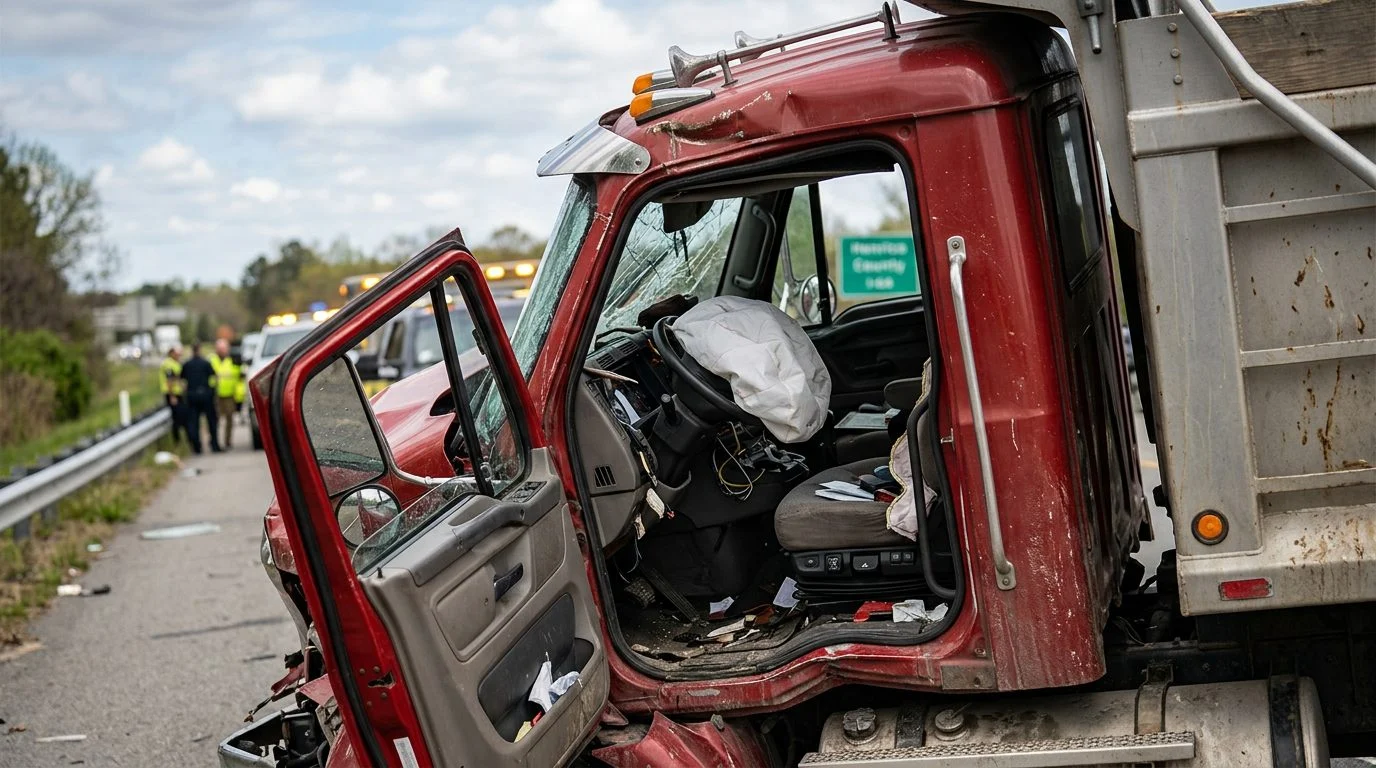
Work in this order: report and request the crash report, preserve the vehicle and records, gather medical and death documents, keep funeral receipts, and track every insurer contact.
Write the two-year date from the date of death on a calendar now, so it is not missed.
The timelines in this guide are general Virginia rules. The facts of each crash decide which steps matter most. Families across the Shenandoah Valley, Richmond and Henrico County face these same first steps under the same Virginia rules.
Taking one task at a time is reasonable while grieving. A family does not have to finish everything in the first week.