
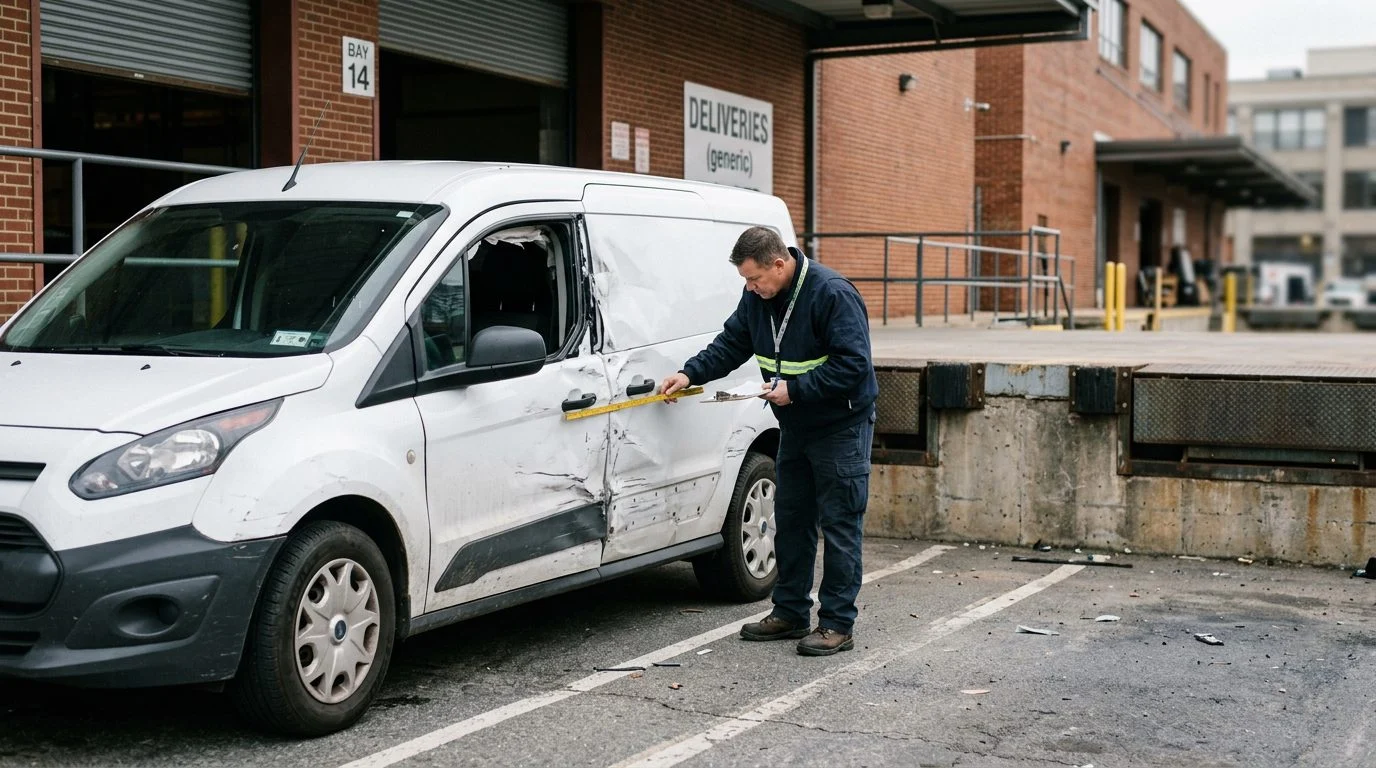
Commercial Vehicle Crashes in Virginia | Winchester, Harrisonburg and the Shenandoah Valley
After a Commercial Vehicle Crash in Virginia, Knowing What to Do Next Matters
Plain-language guidance for people hurt in crashes involving trucks and other commercial vehicles, from the Shenandoah Valley to Richmond and Henrico County.
Published October 31, 2026
Yes, when a crash involves injury or death. Virginia’s stop-and-report rule covers commercial vehicles as well as passenger cars. If you’re wondering whether you must report a crash with a truck, van or bus, the answer turns on the facts of the crash, not the type of vehicle. This page explains when the duty applies, how it differs from the deadline to file a lawsuit, and what it means for families. It is written for drivers, passengers, witnesses and relatives in Winchester, Harrisonburg, Richmond, Henrico County and across the Shenandoah Valley.
The Short Answer: Virginia’s Crash Reporting Duty
Virginia requires a driver involved in a crash with injury or death to stop and report it to police immediately (Va. Code §§ 46.2-371, 46.2-894). The duty does not depend on the vehicle. Va. Code § 46.2-894 sets out the steps. The driver must stop as close to the scene as possible without blocking traffic. The driver must also give a name, address, driver’s license number and vehicle registration number to the State Police or local law enforcement agency, and also to the person struck and injured if that person appears capable of understanding and retaining the information, or to the other driver or occupant of the vehicle collided with, or to the custodian of other damaged property. The driver must give reasonable help to anyone hurt, including taking that person to a doctor or hospital when treatment is apparent or requested.
A separate law, Va. Code § 46.2-371, requires immediate notice of the accident to a law-enforcement officer when the accident results in injury to or death of any person. A willful failure to give that report is a Class 4 misdemeanor.
Not sure what your next step is?
Talk it through with Correll Law Firm — we can walk you through how a situation like yours is usually handled and what your options are.

When the Duty to Stop and Report Applies
Do I have to report a commercial vehicle crash in Virginia? The answer turns on whether anyone was injured or killed. The stop-and-report duty applies to crashes that involve injury or death, and the same statute also reaches crashes that damage an attended vehicle or other attended property. The statute covers any accident resulting in injury to or death of any person.
Commercial crashes often involve more than one vehicle, and sometimes more than one company. The statute applies to the driver of each vehicle involved in a crash that kills or injures a person or in which an attended vehicle or other attended property is damaged. Each of those drivers carries the duty.
Scene safety matters too. When injuries sustained in the crash prevent a driver from complying right away, Va. Code § 46.2-894 requires the driver, as soon as reasonably possible, to make the required report to the State Police or local law-enforcement agency, and to make a reasonable effort to locate the person struck, the driver or some other occupant of the vehicle collided with, or the custodian of the damaged property, and report to them the driver’s name, address, driver’s license number and vehicle registration number.
One common mistake is assuming someone else will handle the report. Under § 46.2-371, someone acting for the driver may give the notice. The duty still belongs to the driver.
Reporting Is Not the Same as Filing a Lawsuit
Reporting a crash and filing a lawsuit are two separate steps with two separate timelines. Virginia generally allows two years from the date of injury to file a personal injury lawsuit (Va. Code § 8.01-243(A)); the clock runs from the date of injury, not the date of discovery, with narrow exceptions.
The two-year period is the deadline to file a lawsuit, not the deadline to report a crash. Virginia requires a driver involved in a crash with injury or death to stop and report it to police immediately (Va. Code §§ 46.2-371, 46.2-894). Filing a lawsuit is a court step that can come much later. The full text of the limitation rule is in Va. Code § 8.01-243.
Why a Police Report Matters After a Commercial Vehicle Crash
A police report creates a written record of the crash, made close to the time it happens. It can note the date, the place, the vehicles and drivers, and the injuries people report at the scene. The Virginia DMV crash reports page explains how crash-report records are kept.
Commercial carriers face additional oversight. The Virginia State Police Motor Carrier Safety Unit inspects commercial trucks and buses for safety compliance. Its examination reports can be requested for crash investigations. Federal rules also apply. Under 49 C.F.R. § 390.15, motor carriers must maintain an accident register for 3 years after the date of each accident.
Keep copies of any paperwork from police or from the other driver’s insurer. Keep a personal record of symptoms, missed work and medical visits. Some symptoms may show up later, so write them down as they appear. The firm’s guide on delayed brain injury symptoms covers this in more detail.
When Willful or Wanton Conduct Is Involved
Reporting duties are separate from questions about why a crash happened.
Virginia allows punitive damages for actual malice, or for willful or wanton conduct or recklessness showing a conscious disregard for the safety of others, capped at $350,000 (Va. Code § 8.01-38.1). The statute is at Va. Code § 8.01-38.1. The jury is not told about the cap. Each crash turns on its own facts.
When a Commercial Vehicle Crash Causes a Death
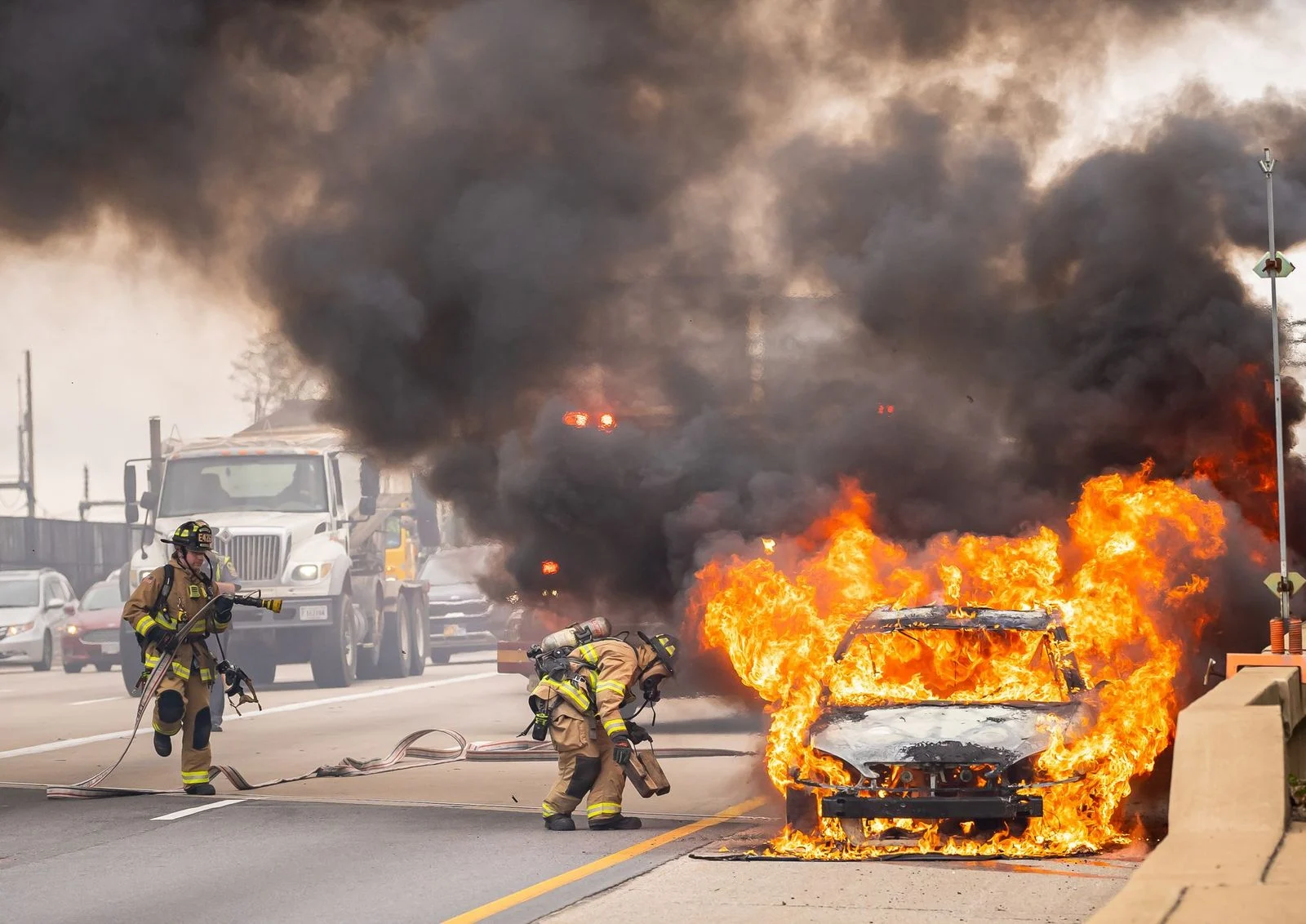
When a crash causes a death, the reporting duty still applies. The family’s legal questions are different. A Virginia wrongful death action is filed by the decedent’s personal representative within two years of the death (Va. Code §§ 8.01-50(C), 8.01-244(B)), on behalf of the family members the statute protects.
Va. Code § 8.01-50 makes any person, corporation, or ship or vessel whose wrongful act, neglect, or default caused a death liable for damages where that act is such as would, if death had not ensued, have entitled the injured person to maintain an action, even though the injured person has died. Readers in Henrico County can also review the firm’s guide on a wrongful death case arising from a work van crash.
Frequently Asked Questions
Do I have to report a commercial vehicle crash in Virginia if someone is hurt?
Yes. A crash that causes injury or death triggers the stop-and-report duty under Va. Code § 46.2-894.
What happens if a driver does not stop after a crash with injuries?
A driver convicted under that section for a crash that causes injury or death is guilty of a Class 5 felony.