
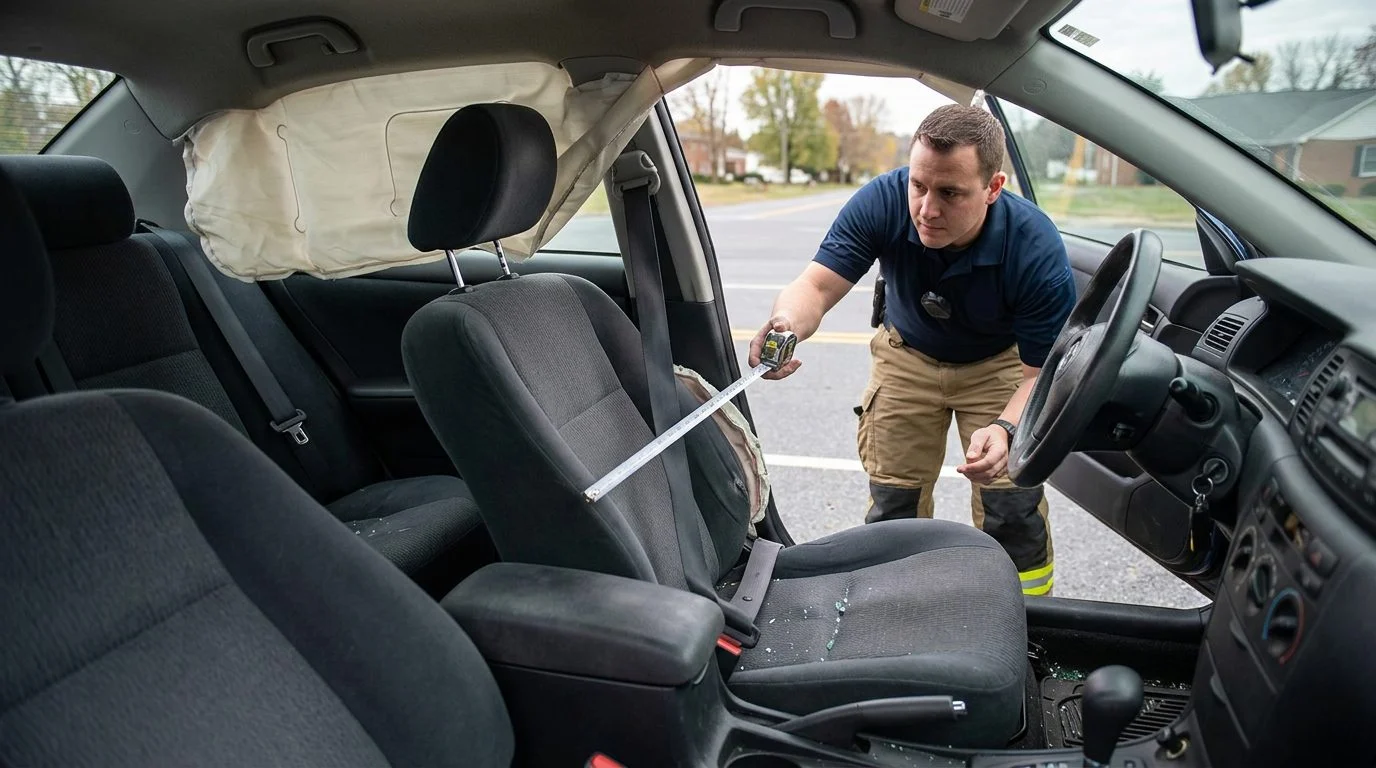
Car Accidents | Virginia
Rear-End Crash in Virginia? Here Is How Fault Is Looked At
A plain-language guide for drivers and families across the Shenandoah Valley, Richmond and Henrico County.
Published November 14, 2026
A rear-end collision can leave you hurt, shaken and unsure whose fault it was. In Virginia, the answer comes from what each driver did before and during the crash, not from which car ended up at the back.
Drivers, insurance adjusters and police officers often reach different conclusions at the scene. This guide explains the facts that usually matter and the Virginia rules that can shape a claim.
The Short Answer: Fault Depends on What Each Driver Did
Fault in a rear-end collision turns on each driver’s conduct. The question is whether the rear driver kept a safe distance and paid attention, and whether the front driver acted in a sudden or unexpected way. The crash facts usually decide the question, so the answer depends on the facts.
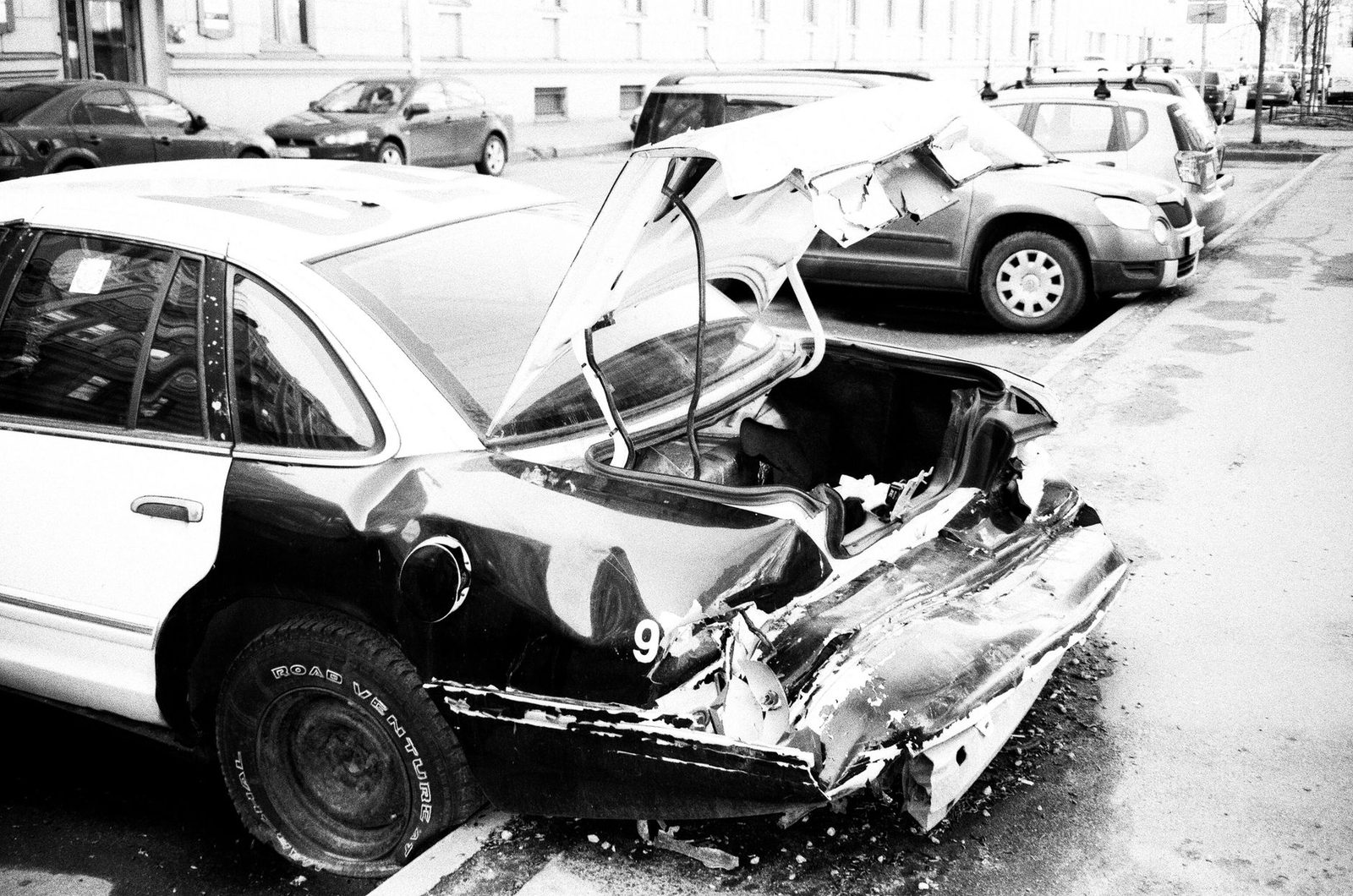
Following distance, speed, attention, road and weather conditions, and the timing of any braking or lane change all matter. A photo of the damage rarely tells the whole story. Investigators look at how the crash happened, not only where the cars stopped.
The same question applies to big rigs and other commercial vehicles. For those crashes, read the commercial vehicle accidents guide on this site.
If a rear-end crash has left you with questions about who may be responsible, the firm is glad to talk through what happened with you. Talk it through with Correll Law Firm — we can walk you through how a situation like yours is usually handled and what your options are.

Is the Driver Who Hits From Behind Always at Fault?
No. The driver in back is not always at fault, even though many people assume so. The rear driver has the job of keeping a safe gap and avoiding the car ahead. That is why following distance, speed and attention are often central.
But the lead driver’s actions can change the picture. A driver who stops abruptly for no clear reason may share responsibility for the crash. So may a driver who cuts in front of another car at a short gap. Position in line does not settle the question by itself. The conduct of both drivers does.
Common Causes of Rear-End Collisions
Most rear-end crashes come from following too closely, driving too fast for traffic or weather, or not leaving room to stop. Many drivers underestimate how much space they need at highway speed. A gap that feels safe can disappear in a second or two when traffic slows.
Distraction is another common cause. Phones, navigation screens, eating and adjusting controls pull attention away from the road. Fatigue and impairment can do the same. A driver who is not fully paying attention may not notice the car ahead slowing.
Stop-and-go traffic creates many of these crashes. Interstate 81 runs through both Winchester and Harrisonburg, and traffic there can slow quickly. Wet pavement, snow, fog or glare can also make stopping take longer than drivers expect.
When the Lead Driver’s Actions May Contribute
Some facts can point toward the driver in front. Stopping suddenly without a reason that a following driver could reasonably expect is one example. Brake lights that were not working, if the facts show this, can also matter.
Backing up into a travel lane, or stopping in a travel lane without warning, can contribute to a crash. So can changing lanes abruptly or cutting in front of a car at a short gap. In these cases, the same collision can involve the conduct of both drivers.
Evidence That Shows Who Did What
Good evidence often decides these cases. Start with the police report, including the officer’s notes, diagram and any citations. Reports can contain errors, so read every line and compare it with what the drivers remember.
Photographs and video matter as well. Dashcam footage, business cameras and traffic cameras may show braking, speed and lane position. Recordings can be overwritten, so earlier requests are better. Vehicle damage patterns, skid marks and the final rest positions of the cars also show how the impact happened.
Witness statements carry weight when they are written down while memory is fresh. Phone and vehicle data can show speed, braking or phone use. An insurer’s denial of liability is a claim position, not a final decision about fault. The Virginia auto insurance guide explains that some optional coverage may pay for an insured’s own injuries or vehicle damage regardless of fault.
Rear-End Crashes Involving Trucks and Commercial Vehicles
A loaded truck needs much more distance to stop than a passenger car. Because of that, following distance and speed get close review in truck crashes. Commercial vehicle crashes also tend to leave more records than car crashes.
Driver logs, dispatch communications, company policies and maintenance files can show what happened before the impact. Brake condition and cargo weight may also come into question. These records help show what the driver and the carrier knew and did.
Responsibility may involve more than one party, such as the driver, an employer or a maintenance contractor.
Not sure what your next step is?
Talk it through with Correll Law Firm — we can walk you through how a situation like yours is usually handled and what your options are.
Crashes With Tow Trucks and Vehicles Stopped on the Road
A vehicle stopped on the roadway can create a sudden hazard for drivers approaching at speed. A tow truck working a scene is one example. Fault in these crashes still turns on each driver’s conduct.
Key questions include how fast the approaching driver was going, whether that driver could see the stopped vehicle in time, and how the stopped vehicle was positioned. A distracted or tailgating driver may still bear responsibility, even when the stopped vehicle also posed a hazard. The tow truck driver’s conduct can be part of the review too.
For more on these crashes, see the tow truck accident injuries page on this site.
How Virginia’s Partial-Fault Rule Can Affect a Claim
Virginia’s partial-fault rule plays a major role in rear-end cases. Virginia follows contributory negligence: if you are found even partly at fault, you may be barred from recovering, with limited exceptions. Talk to a lawyer about your facts.
Because of this rule, the conduct of both drivers gets close attention.
Crash Reporting and Filing Deadlines
Timing matters after any rear-end crash. Virginia requires a driver involved in a crash with injury or death to stop and report it to police immediately (Va. Code §§ 46.2-371, 46.2-894). That duty is about reporting the crash, not about filing a claim.
Virginia generally allows two years from the date of injury to file a personal injury lawsuit (Va. Code § 8.01-243(A)); the clock runs from the date of injury, not the date of discovery, with narrow exceptions.
Because of that, it helps to act early on the paperwork and the evidence.
When the Conduct Goes Beyond Ordinary Carelessness
Most rear-end crashes involve ordinary carelessness, such as following too closely or looking away from the road. Some conduct is treated differently under Virginia law.
Virginia allows punitive damages for actual malice, or for willful or wanton conduct or recklessness showing a conscious disregard for the safety of others, capped at $350,000 (Va. Code § 8.01-38.1). The cap is set by Va. Code § 8.01-38.1.
Consider a hypothetical driver who ignores clear warnings while speeding through heavy traffic.