
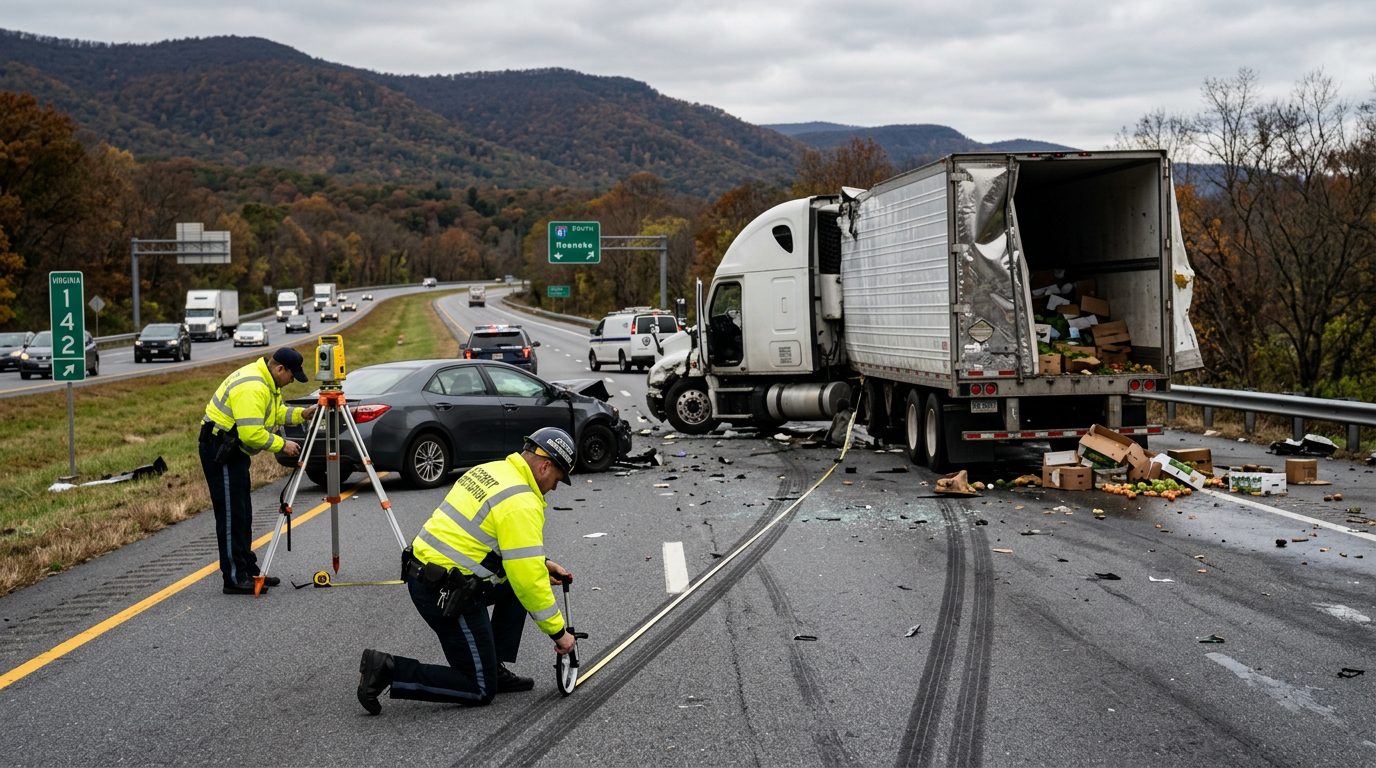
Truck Accidents | Virginia
Who Pays Your Medical Bills After a Truck Accident?
A serious truck crash brings bills from many directions at once. Here is how the common sources of payment fit together, and what you can do now to keep your options open.
Where the firm works
Two offices
Winchester and Harrisonburg, Virginia
Virginia
Serving the Shenandoah Valley, Front Royal, Richmond and Henrico County
Published November 17, 2026
After a truck crash, medical bills can arrive fast and from many places. Several sources may help pay them: your health insurance, your own auto policy, and the insurer of the party who may be responsible for the crash.
The order in which these sources respond turns on the crash details, the policies in place and the injuries involved. This page explains each source in plain language, along with the Virginia rules that affect them.
Who Pays Medical Bills After a Truck Accident in Virginia
More than one source may pay for crash-related care, and those sources can work together. A commercial truck crash can create many bills at once. Ambulance transport, emergency department care, X-rays and scans, hospital stays, follow-up visits and prescriptions often come from different providers, each with its own billing office.
Some bills arrive weeks or months after the crash, long after the first emergency care. That spread is why it helps to think of payment as a set of sources rather than one bill. Trucks are large, and a crash may involve a motor carrier, a driver and sometimes a third party, so the insurance picture can have more layers than a typical car crash.
For a broader view of truck and commercial vehicle claims in Virginia, read the firm’s guide to commercial vehicle accidents in Virginia.
If a truck crash has left you with bills you can't sort out, you don't have to face it alone. The firm offers a free case evaluation to talk through your situation. Talk it through with Correll Law Firm — we can walk you through how a situation like yours is usually handled and what your options are.

Health Insurance as a First Source of Payment
Many injured people first send crash-related care to their health insurer. That may be an employer plan, a plan you buy yourself or a government program you qualify for. Tell each provider and the insurer that the care relates to a crash. Insurers may handle crash-related claims differently, so that detail matters.
Ask your plan how it handles that before you agree to any resolution of your claim. Keep the plan’s written answer with your other records.
Medicare secondary payer rules explain how this works.
Auto Coverage on the Injured Person’s Own Policy
Your own auto policy may include coverage for medical care after a crash. Some policies offer medical payments coverage, and others may include different coverage for medical bills. What applies depends on what you bought.
Check your declarations page and your policy language, since coverage varies from policy to policy. Don’t assume you have this coverage, and don’t assume you don’t. The policy itself is the best place to find out.
This coverage is separate from any claim against the other driver or a trucking company. The two can interact, and your insurer or the other side may ask how each one applies. Keep your policy documents with your crash records so you can answer those questions quickly.
The At-Fault Party’s Insurance Company
When another party may be responsible, that party’s liability insurance is often the source a claim is made against. A claim seeks money for injuries and medical expenses the at-fault party caused.
Commercial truck crashes can involve several insurers. These may include the motor carrier, the driver’s own policy and, in some cases, policies covering the cargo or the party that loaded it. Which ones apply turns on who was involved and how the crash happened.
Virginia law addresses cases with more than one at-fault party.
Virginia’s collateral source rule also matters.
A claim against the at-fault party is separate from billing your health insurer. Medical bills are one part of the damages a claim may address. Virginia generally allows two years from the date of injury to file a personal injury lawsuit (Va. Code § 8.01-243(A)); the clock runs from the date of injury, not the date of discovery, with narrow exceptions. Under Va. Code § 8.01-243(A), unless otherwise provided in this section or by other statute, every action for personal injuries, whatever the theory of recovery, must be brought within two years after the cause of action accrues.
Why the Crash Report and Records Matter
A police report helps show how a truck crash happened and who was involved. Virginia requires a driver involved in a crash with injury or death to stop and report it to police immediately (Va. Code §§ 46.2-371, 46.2-894). The statutes are Va. Code § 46.2-371 and Va. Code § 46.2-894.
The driver of a vehicle involved in an accident resulting in injury or death must immediately give notice of the accident to a law-enforcement officer. Keep the two straight when you talk with insurers or providers.
Useful records include the officer’s report number, photographs of the scene and vehicles, witness names, and the truck’s company name and unit number. These details help document the crash. Insurers and providers may also ask for these records when they review medical bills.
Keeping Track of Bills, Records and Follow-Up Care
A running list of every provider, bill and insurance statement helps you answer questions later. Record each provider, each date of service and each bill in one place. An explanation of benefits is a statement your health plan sends after it processes a claim, so save those too.
Keep copies of prescriptions, referrals, therapy notes, imaging reports and mileage to appointments. Follow-up care often continues for months. Bills can keep arriving after insurance has paid its share, so keep letters and statements together to see which items are still open.
Long-term treatment creates ongoing records. A traumatic brain injury or spinal cord injury may require therapy, doctor visits and equipment over time, and that record grows with the care. Records from that period can matter later in a claim, especially when treatment continues.
Not sure what your next step is?
Talk it through with Correll Law Firm — we can walk you through how a situation like yours is usually handled and what your options are.
Talking With Insurance Adjusters About Medical Care
An adjuster may ask for a recorded statement, medical authorizations and copies of records early on. Answer factual questions about where you were, who you saw and what happened to you.
Be careful about a few things. Don’t estimate speed, don’t guess about who was at fault, and don’t describe your injuries as fully healed before a doctor has said so. Stick to what you know.
Keep a written note of who you spoke with, when, and what was said. Write down your symptoms and treatment as they happen, in plain words, so your descriptions stay consistent over time.
Virginia follows contributory negligence: if you are found even partly at fault, you may be barred from recovering, with limited exceptions. Talk to a lawyer about your facts.
Medical Expenses When a Family Member Has Died
When a truck crash causes a death, medical bills from the injury before death can be part of the family’s claim. Those bills, along with receipts for care and hospital stays, belong in the same record as the other crash documents.
Virginia wrongful death damages cover the family’s sorrow, mental anguish and loss of the decedent’s companionship, guidance and care; lost income and services; medical expenses from the injury; funeral expenses; and, for willful or wanton conduct, punitive damages (Va. Code § 8.01-52).
A Virginia wrongful death action is filed by the decedent’s personal representative within two years of the death (Va. Code §§ 8.01-50(C), 8.01-244(B)), on behalf of the family members the statute protects. The filing rules are in Va. Code § 8.01-50 and Va. Code § 8.01-244.
The personal representative brings the action, within the time limits specified in § 8.01-244. Keeping the injury-period bills and receipts in one place makes that process easier to follow.
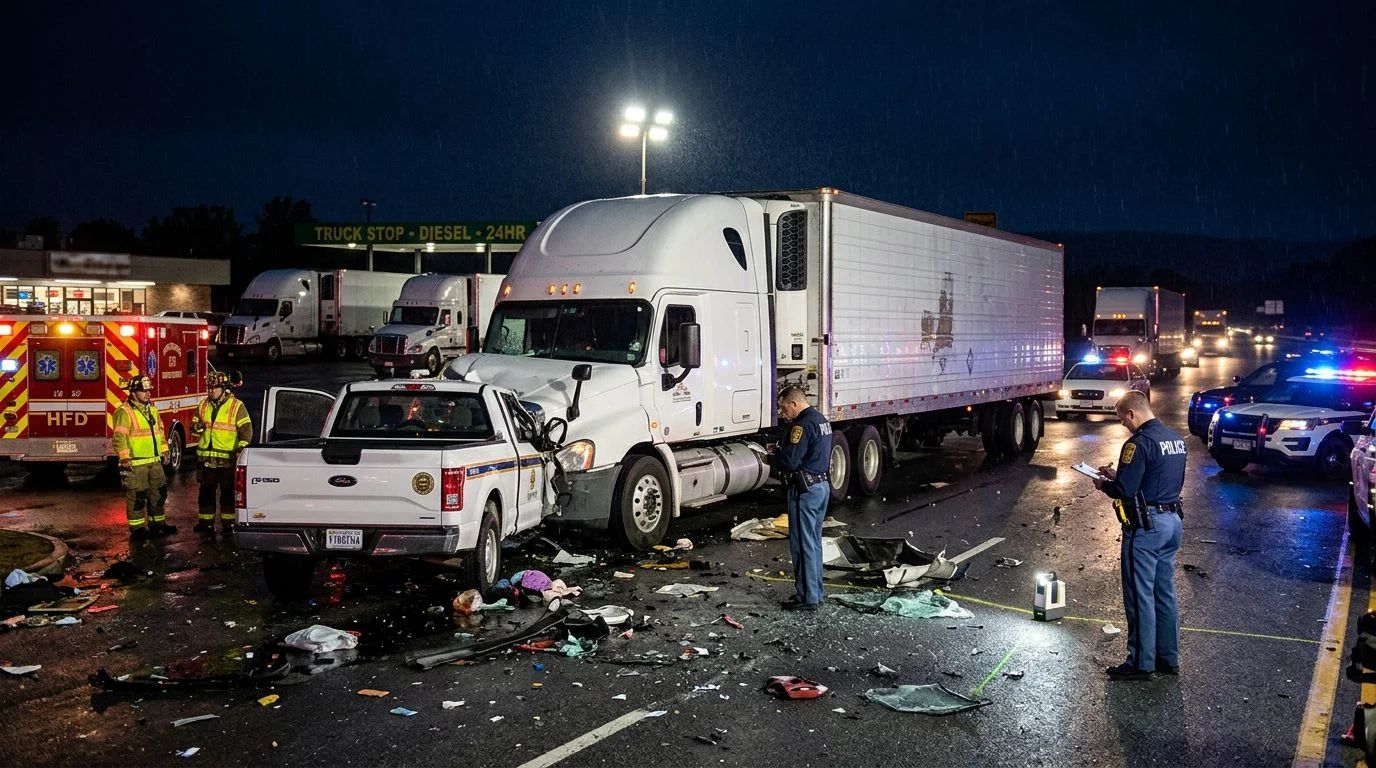
Putting the Medical Bill Picture Together
Health insurance, your own auto coverage where it applies, and the at-fault party’s insurer are the main sources for truck crash medical bills. Each one may respond on its own timeline and under its own terms.
Tracking every bill and every insurer’s response is the common thread. A simple list of what was billed, what was paid and what is still open keeps the picture clear. For the broader framework, return to the firm’s commercial vehicle accidents guide.
Does health insurance pay for truck accident bills in Virginia?
It may. Many injured people first send crash-related care to their health plan, and the plan’s terms decide what it covers.
Does my own car insurance pay medical bills after a crash?
It may, if your policy includes medical coverage. Review your declarations page, since coverage varies from policy to policy.
Can a family recover medical bills after a fatal truck crash?
Virginia wrongful death law may allow it, through a claim filed by the decedent’s personal representative, as explained above.