
Truck Crashes | Virginia
Finding the USDOT Number After a Truck Crash
A few characters painted on a truck can open a public record about the company that runs it. Here is how to find that number and what it can reveal.
Published November 14, 2026
Wondering how to find the USDOT number on a truck after a crash? The number is the fastest way to identify the company that operated the truck. It is usually painted or decaled on the cab doors, and it often appears on paperwork the driver carries. You can enter it in FMCSA’s public safety records to see the carrier’s listed details.
This guide covers where the number sits, where else it may show up, and how to read the records that follow. It also explains what the number can and cannot tell you.
What a USDOT Number Is
A USDOT number is an identification number the Federal Motor Carrier Safety Administration (FMCSA) issues to a motor carrier. FMCSA issues it after it receives and processes the carrier’s identification form, but certain applicants must first pass a pre-authorization safety audit before being issued the number (49 CFR 390.19T). Some interstate commercial carriers must register and obtain the number, according to FMCSA’s registration guidance.
The number ties a truck to a federal safety file. It identifies the company running the truck. That company may not be the driver’s employer in name, and it may not be the truck’s owner. Federal rules allow only the legal name or a single trade name on the identification forms, so the legal name on file is the one to compare against the truck.
Not sure what your next step is?
Talk it through with Correll Law Firm — we can walk you through how a situation like yours is usually handled and what your options are.
Where the Number Appears on the Truck
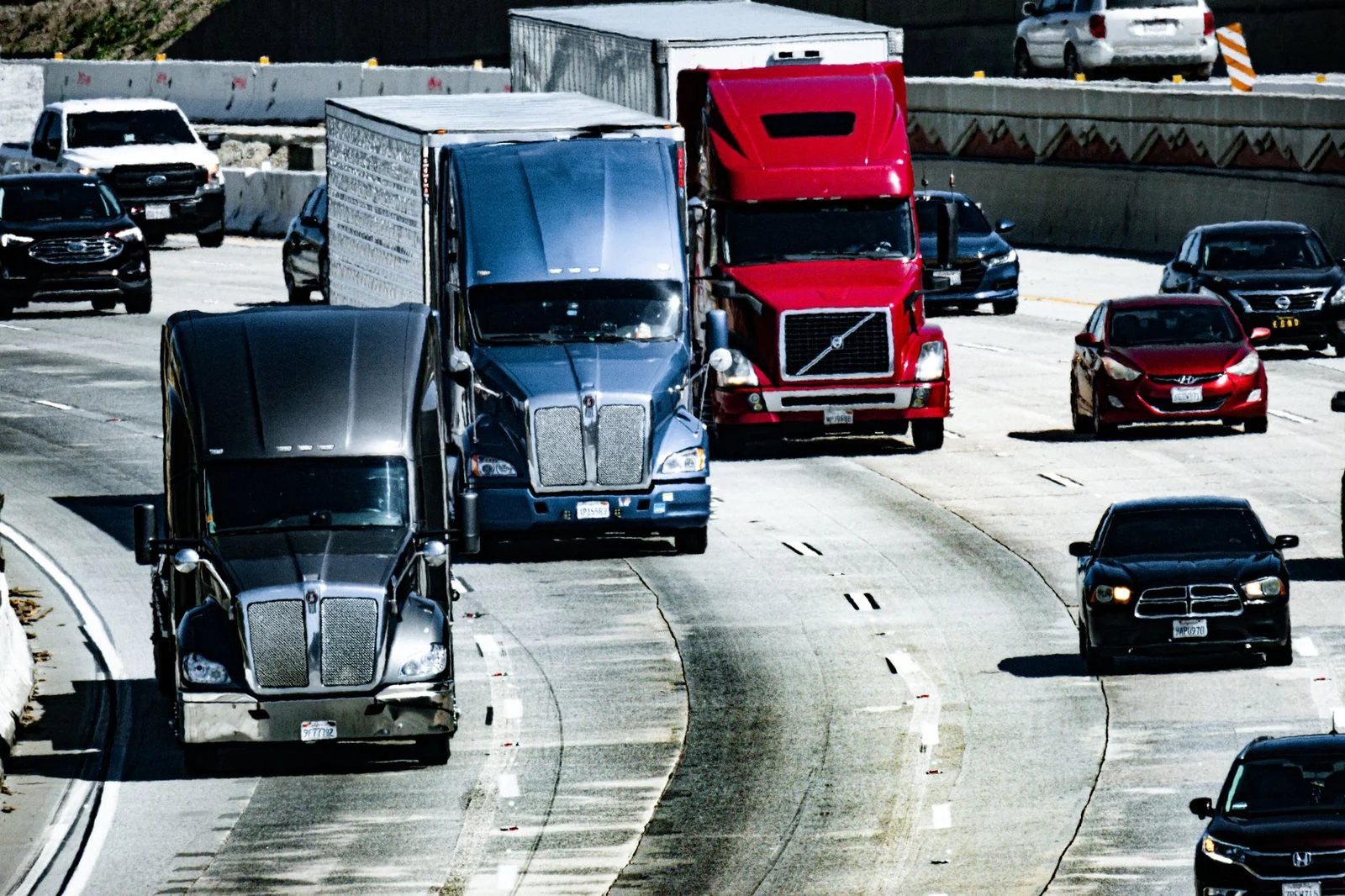
The USDOT number is usually on the tractor’s doors, and it can also appear on the sides or rear of a trailer. Placement varies by carrier and vehicle, so check every side of the rig.
Look for the letters “USDOT” before the digits. Some trucks also show an MC number or a docket number. Those are separate numbers, so don’t mix them up when you compare records.
After a crash, the number may be hard to read. Damage, dirt, or debris can hide it. Photos taken at the scene can preserve it, even after the paint is scraped or the doors are repaired. Take a wide shot of the whole truck, then close shots of each door and any trailer markings. Note the truck’s color and any unit number you can see.
Other Places to Find the Number After a Crash
The number often appears on paperwork the driver carries and on the police crash report. Check the bill of lading, the shipping papers, and any driver vehicle inspection report. A lease, a rental document, or a trip receipt may also list the carrier.
A police crash report may list the carrier’s name and number. Ask the responding agency for a copy. Virginia requires a driver involved in a crash with injury or death to stop and report it to police immediately (Va. Code §§ 46.2-371, 46.2-894). That duty is one reason a police record often exists.
If the truck has left the scene, the carrier name on the police report and your photos are the next best sources of the number.
Using the Number to Look Up the Carrier in FMCSA Records
You can enter a USDOT number in FMCSA’s public Safety Measurement System (SMS) to view a carrier’s public safety information. Open the carrier’s record after you search.
The public entry includes carrier identification details, crash data reported to FMCSA, and the Crash Indicator BASIC. The Crash Indicator BASIC is one of FMCSA’s public measures, built from crashes reported to the agency.
The entry shows what FMCSA has on file. It may not capture every event or every detail of your crash. A record may also lag behind recent events, so check the date on what you see.
Reading the Carrier Information in Context
A carrier’s record shows what has been reported, not what caused your crash. Read the legal name, the operating status, and the address on file. If the name painted on the truck differs from the record, write down both names and the date you looked.
A single entry does not decide what happened in one crash.
The vehicle’s own records may matter too, including maintenance and onboard data. The firm’s related guides explain those records in more detail.
Why the Number Matters for the Records That Follow
The USDOT number helps connect your crash to the carrier’s records. Under 49 CFR 395.26, an electronic logging device automatically records the date, time, commercial motor vehicle geographic location, engine hours, vehicle miles, driver or authenticated user identification data, vehicle identification data, and motor carrier identification data. If an intermediate recording is made during a period when the driver indicates authorized personal use of a commercial motor vehicle, the engine hours and vehicle miles are left blank, and location is recorded with a single decimal point resolution (approximately within a 10-mile radius).
Other records have short minimum periods. A carrier must keep records of duty status for at least six months from receipt (49 CFR 395.8). Where the rule applies, a carrier must keep driver vehicle inspection reports, the certification of repairs, and the certification of the driver’s review for three months from the date the written report was prepared; it does not apply to a private motor carrier of passengers (nonbusiness), a driveaway-towaway operation, or a carrier operating only one commercial motor vehicle (49 CFR 396.11). Legible copies that accurately reflect the information required in the record may stand in for originals, except as otherwise provided in the rules (49 CFR 390.31).
Because those periods are short, record the number and take photos early. An early note keeps the trail easier to trace later. Insurance and operating details on the carrier record can also help show who may be involved in a claim.
Not sure what your next step is?
Talk it through with Correll Law Firm — we can walk you through how a situation like yours is usually handled and what your options are.

Timing and Next Steps for Information Gathering
Gather the number and your crash documents now, because deadlines run whether or not your paperwork is complete. Virginia generally allows two years from the date of injury to file a personal injury lawsuit (Va. Code § 8.01-243(A)); the clock runs from the date of injury, not the date of discovery, with narrow exceptions.
Some claims carry notice requirements that run out sooner than the lawsuit deadline. Don’t wait to collect these facts.
If someone died in the crash, wrongful death cases follow a separate framework and are filed by a personal representative. The firm’s guide on commercial vehicle accidents in Virginia gives the broader picture.
Frequently Asked Questions
Is a USDOT number the same as an MC number?
No. They are separate numbers, and some trucks display both, so check which label sits beside each one.
Can I check a carrier’s record with only the USDOT number?
Yes. FMCSA’s public Safety Measurement System lets you enter a USDOT number to open the carrier’s public record.