
Virginia Crash Law | Winchester and Harrisonburg
Leaving the Scene of a Crash in Virginia: What Is at Stake
A plain-language guide to the legal consequences that can follow a driver who leaves, and what injured people and families should understand.
Where the firm works
Winchester
Office in Winchester
Harrisonburg
Office in Harrisonburg
Published November 19, 2026
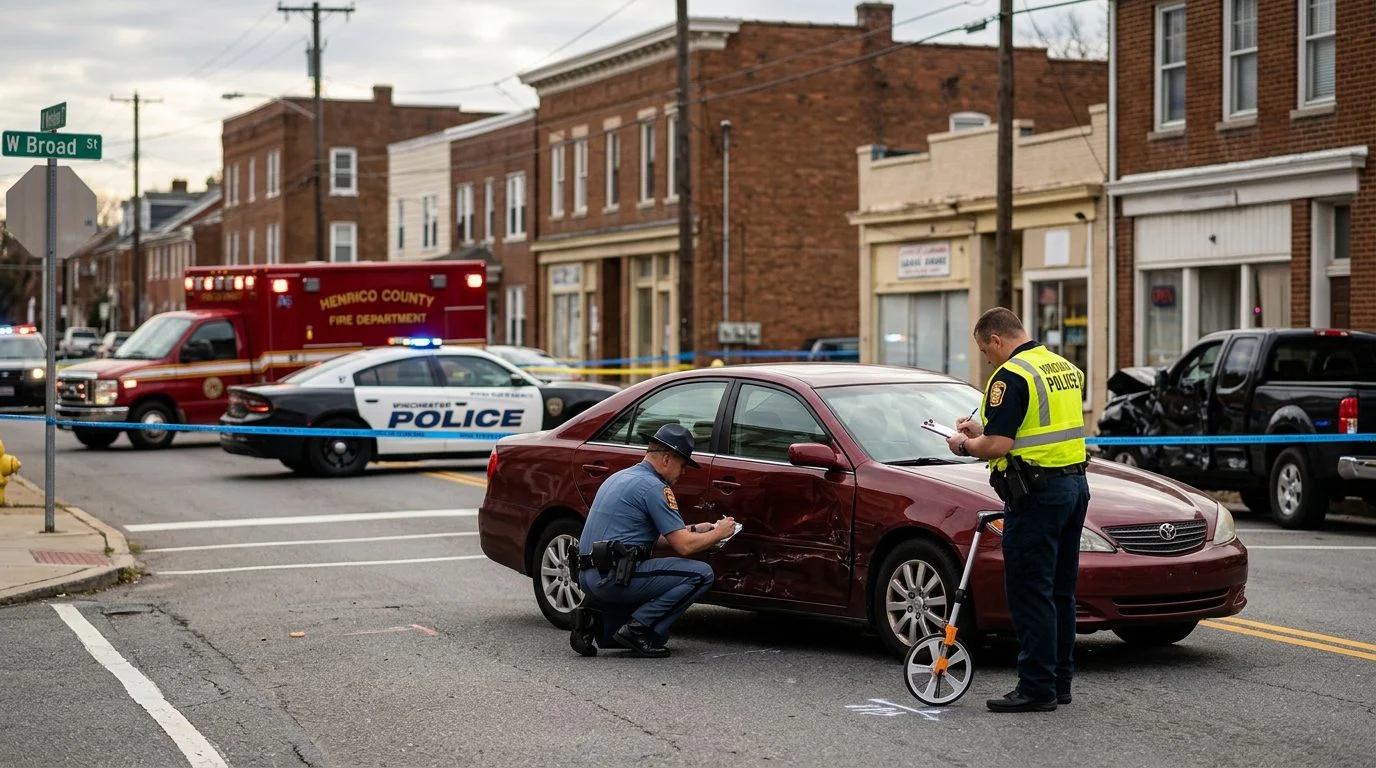
A crash can leave people hurt, shaken and unsure what to do next. If you were involved, you may be asking what the law requires and what happens if a driver leaves.
Virginia requires a driver in a crash with injury or death to stop and report it right away. Leaving the scene can bring criminal charges, and it can also affect the civil claims of people who were hurt. Here is how those rules work.
What Virginia law requires after a crash with injury or death
Virginia requires a driver involved in a crash with injury or death to stop and report it to police immediately (Va. Code §§ 46.2-371, 46.2-894). The full duty is in Va. Code § 46.2-894.
The driver must stop as close to the scene as possible without blocking traffic. The driver must give his or her name, address, driver’s license number and vehicle registration number. That information goes to State Police or local police, to the injured person if that person can understand it, or to the driver or another occupant of the vehicle collided with or the custodian of other damaged property.
The driver must also give reasonable help to anyone hurt. That includes taking the person to a doctor, surgeon or hospital when treatment looks necessary or the injured person asks for it.
Va. Code § 46.2-371 adds a separate duty to notify a law-enforcement officer right away.
Stopping also creates an early, clear record of where the crash happened and who was involved.
If you were hurt in a crash, or lost someone in one, you do not have to sort out the legal questions alone. The firm is glad to talk with you about your situation. Talk it through with Correll Law Firm — we can walk you through how a situation like yours is usually handled and what your options are.
Reporting a crash and filing a lawsuit run on different clocks
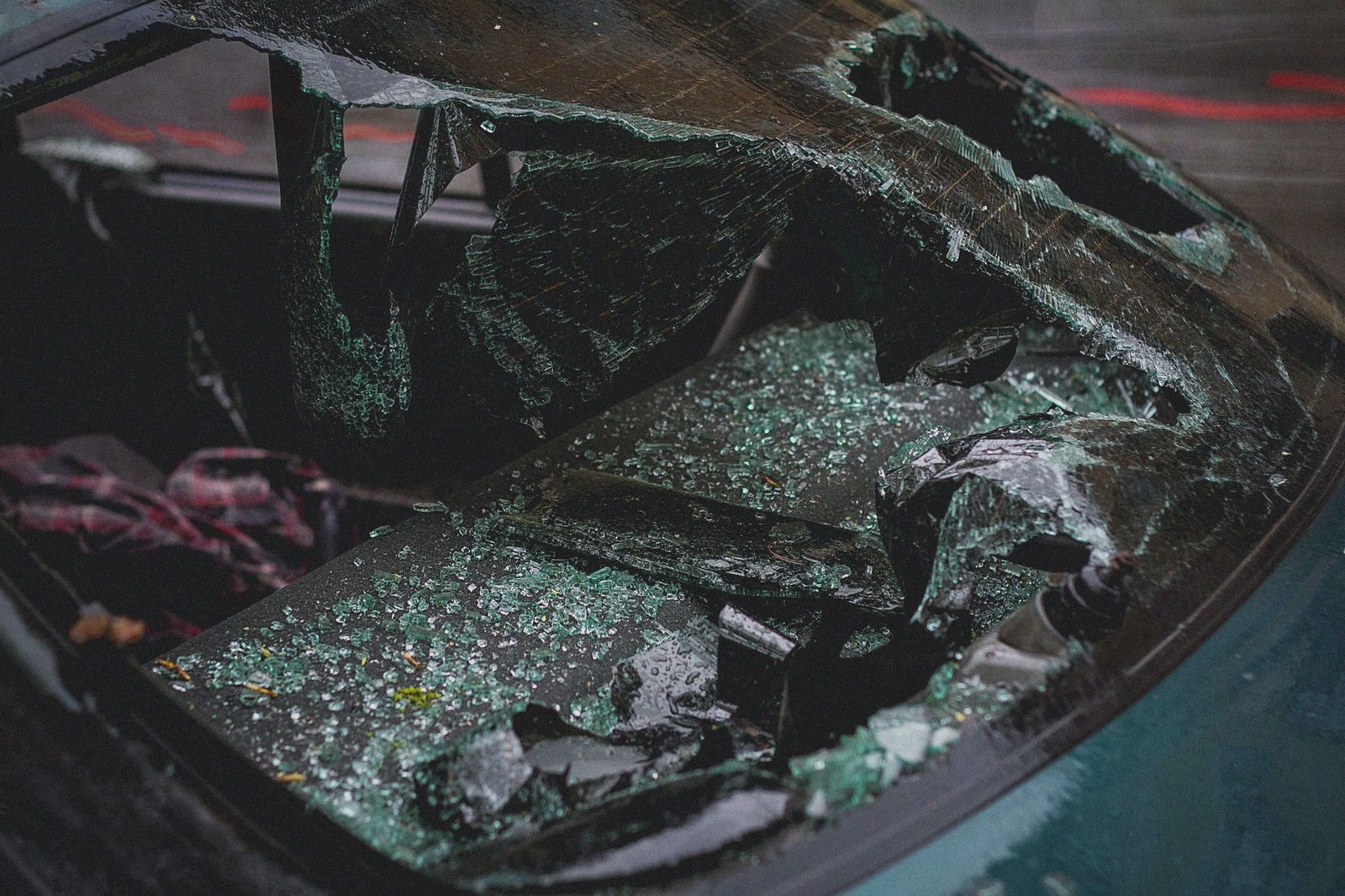
The duty to report is immediate, while the deadline to sue is measured in years. Virginia generally allows two years from the date of injury to file a personal injury lawsuit (Va. Code § 8.01-243(A)); the clock runs from the date of injury, not the date of discovery, with narrow exceptions. The statute is at Va. Code § 8.01-243.
A person still in treatment is still on that clock. Dates matter from the first day, because a missed deadline can bar a claim.
Some claims carry notice requirements that run out sooner. If a claim for negligence is against a county, city or town, the claimant must file a written statement of the claim, including the time and place of the injury, within six months after the cause of action accrued, or the claim is forever barred. Failure to file is not a bar if the attorney, chief executive, or mayor of the locality, or any insurer or entity providing coverage or indemnification of the claim, had actual knowledge of the claim, including its nature and the time and place of the injury, within that period (Va. Code § 15.2-209). The right deadline depends on the facts of each claim.
When the injured person dies: wrongful death claims
When a crash kills someone, Virginia’s wrongful death law governs the family’s claim. A Virginia wrongful death action is filed by the decedent’s personal representative within two years of the death (Va. Code §§ 8.01-50(C), 8.01-244(B)), on behalf of the family members the statute protects. The text is at Va. Code § 8.01-244.
Va. Code § 8.01-53 sets out which relatives belong to the group that receives a wrongful death recovery.
Virginia wrongful death damages cover the family’s sorrow, mental anguish and loss of the decedent’s companionship, guidance and care; lost income and services; medical expenses from the injury; funeral expenses; and, for willful or wanton conduct, punitive damages (Va. Code § 8.01-52). Under Va. Code § 8.01-52, expert testimony is admissible to prove lost income and services.
Punitive damages and leaving the scene
The claim still turns on how the crash happened and what harm followed.
Leaving the scene can matter in another way. Under § 46.2-894, a violation that results in injury or death is a Class 5 felony; under Va. Code § 8.01-44.5:1, a plaintiff in a personal injury or death action arising from that felony may be awarded punitive damages, which Virginia allows for actual malice, or for willful or wanton conduct or recklessness showing a conscious disregard for the safety of others, and Va. Code § 8.01-38.1 provides that the total punitive damages awarded against all defendants found liable may not exceed $350,000.

Commercial trucks and common questions
A crash with a commercial truck follows the same duty to stop and report. It often involves more parties, such as the truck’s owner and its insurer, which can make the facts harder to sort out.
The firm works from locations in Winchester and Harrisonburg. It handles car accident, truck accident and commercial vehicle accident matters, along with catastrophic injury, traumatic brain injury, spinal cord injury and wrongful death claims. For more on commercial vehicle crashes, see the firm’s commercial vehicle accident guide.
Frequently asked questions
What does Virginia law require after an injury crash?
Under Va. Code § 46.2-894, the driver of a vehicle involved in an accident in which a person is killed or injured must immediately stop as close to the scene as possible without obstructing traffic and report to the State Police or local law-enforcement agency. Virginia’s duty applies to crashes that injure or kill someone or that damage an attended vehicle or other attended property, so stopping is the safe step.
Does the duty to stop apply to commercial truck drivers?
Yes. The duty applies to the driver of any vehicle involved in a crash with injury or death, under Va. Code § 46.2-894.