
Truck Accidents | Work Zone Crashes | Virginia
Hurt in a Work Zone Truck Crash? Start With the Facts
Lane closures, shifting traffic and heavy trucks can turn a routine road into a dangerous place. Here is how these crashes differ and what can help you understand your options.
Where the firm works
VA
Serving the Shenandoah Valley, Richmond and Henrico County
Published November 17, 2026
Being hit by a large truck in a road work area is frightening. The scene can change in seconds, and workers nearby may be hurt too.
A crash in a work zone with a commercial vehicle in Virginia can involve the truck driver, the trucking company and a contractor on the job. Virginia requires a driver to report the crash right away, and filing deadlines apply. This page explains what to know about the crash, the records that may matter and the rules that may apply. For a broader overview, see the firm’s commercial vehicle accidents page.
Why Work Zones Raise the Risk for Commercial Vehicles
Work zones are risky for large trucks because the road changes shape quickly. Lanes may shift, shoulders may narrow, and temporary barriers or rows of orange drums can push traffic into a tight path. A commercial vehicle has to follow that path with little room for error.
A loaded truck also needs more distance to slow or stop than a passenger car. When traffic ahead slows suddenly, that extra distance matters. A driver who gets little warning may have very little time to react.
Work zones also put roadway workers, flaggers and equipment operators close to live traffic. A crash can reach people working on the shoulder or in a lane, not only people inside vehicles. Those workers often have no barrier between themselves and passing trucks.
It represents people from across the Shenandoah Valley, Richmond and Henrico County.
Not sure what your next step is?
Talk it through with Correll Law Firm — we can walk you through how a situation like yours is usually handled and what your options are.
Who May Be Involved in a Work Zone Crash
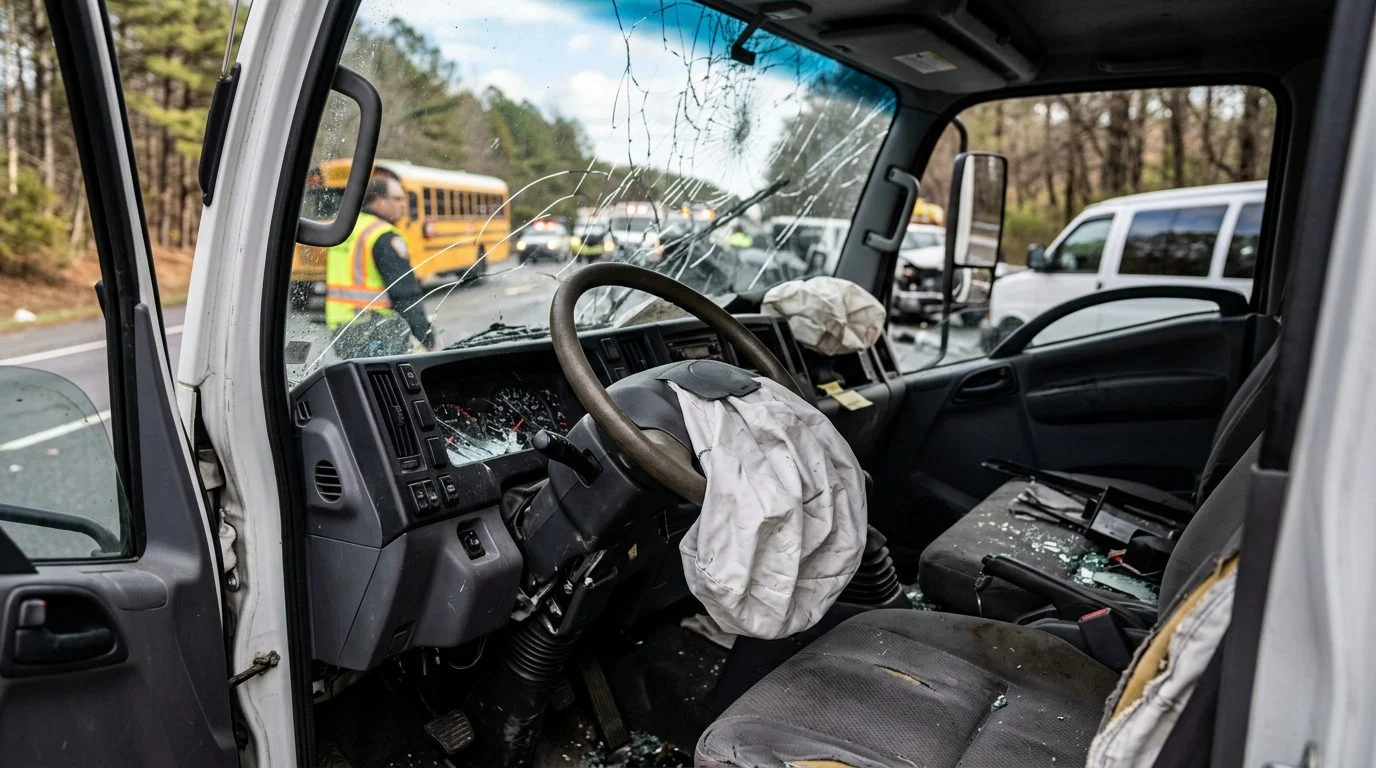
More than one person or company may be connected to a work zone crash, and the facts decide who. The commercial vehicle driver is the most direct party. The motor carrier that operates the truck may also be connected, and so may a freight broker that arranged the load.
A general contractor or subcontractor working in the zone may have a role in how the work was set up. An equipment or traffic-control provider may also be connected. In some cases a public agency may have responsibility for the zone’s design or maintenance.
Identifying every party early helps protect whatever claims may apply to each one. Waiting can make it harder to learn who was working in the zone that day.
Steps to Take at the Scene and Afterward
The first steps are to stop, report the crash and get medical care. Virginia requires a driver involved in a crash with injury or death to stop and report it to police immediately (Va. Code §§ 46.2-371, 46.2-894).
The two-year period discussed later is the deadline to file a lawsuit for personal injuries or for damages resulting from fraud, unless this section or another statute provides otherwise (Va. Code § 8.01-243). It is not the deadline to report a crash. Reporting happens at the scene and right after it.
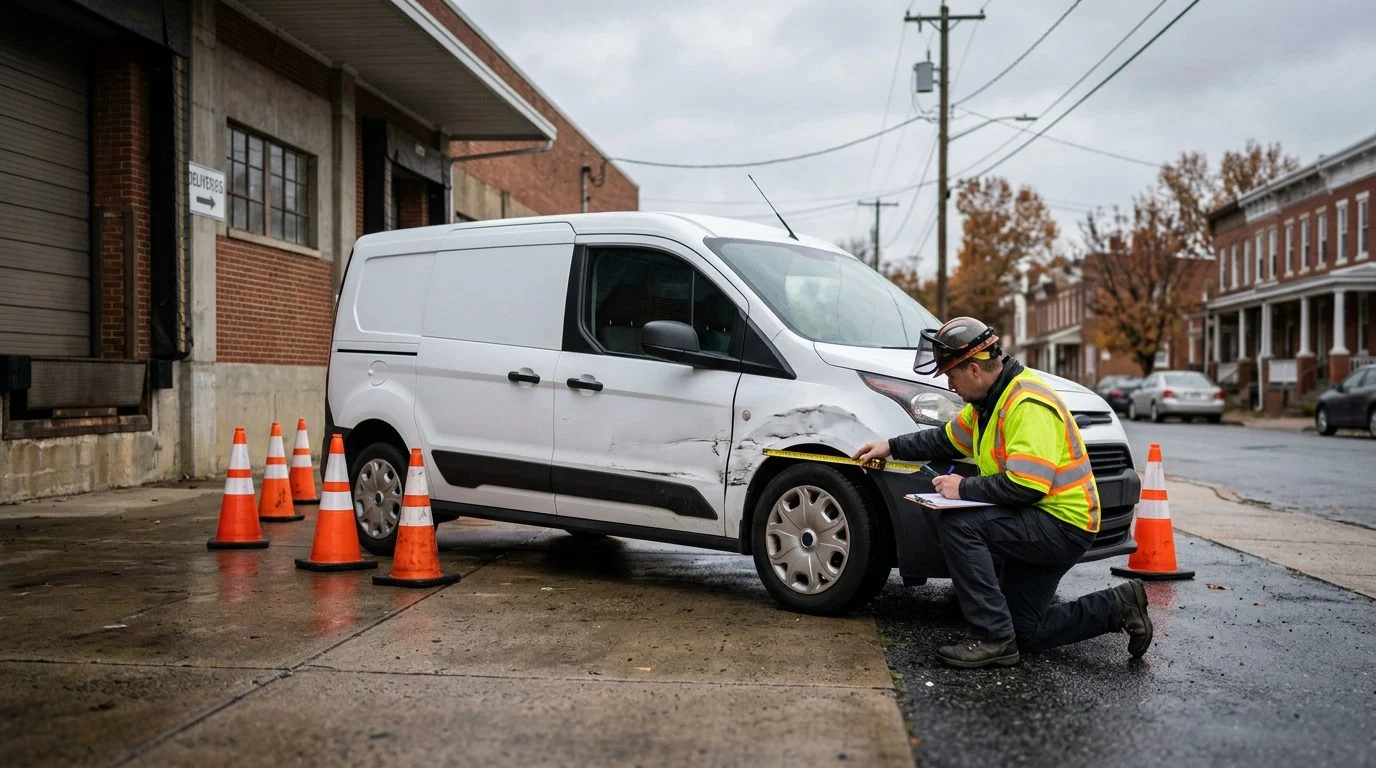
If it is safe, take photos of the lane closure signs, cones, barrier placement and the position of each vehicle. Note any flaggers or workers present. Write down names and badge or vehicle numbers when you can get them.
Get a medical evaluation promptly, even when injuries seem minor at first. Keep copies of every visit record, and write down what you told each provider. Those notes often help later when you recall the details.
Evidence That Often Matters in Work Zone Cases
Evidence about the work zone and the truck’s own records often matters most. The traffic setup may change after the crash, so early photos and notes help show how the zone looked that day.
Records that can show what happened include dashcam or onboard video, dispatch communications, driver logs, and maintenance and inspection records. Many commercial trucks use an electronic logging device, or ELD. Under 49 C.F.R. § 395.26, an ELD automatically records the date, time, commercial motor vehicle geographic location, engine hours, vehicle miles, and driver or authenticated user identification data when a driver changes duty status, when the engine is powered up or down, and during intermediate recordings made while the vehicle is in motion, but for an intermediate recording made during authorized personal use, engine hours and vehicle miles are left blank and location is logged with a single decimal point resolution (approximately within a 10-mile radius). For an intermediate recording made during authorized personal use, engine hours and vehicle miles are left blank, and location is recorded to a single decimal point resolution (approximately within a 10-mile radius).
When a commercial motor vehicle is in motion and there has not been a duty status change or another intermediate recording in the previous 1 hour, the device automatically records an intermediate entry. Federal hours-of-service rules govern driving time and required rest for drivers covered by them.
Federal rules also say records may be kept by any technology that accurately reflects the information and stays accessible. See 49 C.F.R. § 379.7. Some records may be overwritten or removed over time, which is why early preservation matters.
Insurance Contacts and Statements From the Trucking Company
Insurers and trucking companies may contact you soon after a crash and ask for a recorded statement. The call may come before you fully understand your injuries or have seen a doctor.
A statement given early can be used later in the claim. You may wish to understand the facts and the rules before speaking with anyone about how the crash happened. You can be courteous and still say you need time to review the facts.
Keep notes of who called, when they called and what they asked. If a call feels rushed, that is a reasonable time to pause. For more on this conversation, see the firm’s guide on trucking company recorded statements.
Injuries That Need Careful Documentation
Injuries from work zone crashes can include broken bones, deep bruising, traumatic brain injury and spinal cord injury. Some symptoms do not show up right away. Headaches, memory changes, numbness and pain can appear or worsen days after a crash.
Report every symptom to a medical provider, even if it seems small. Describe when it started, how often it happens and what makes it better or worse. Clear details help the medical team understand your condition.
A written symptom journal can help you track day-to-day changes. The firm’s guide on keeping a symptom journal after a truck crash covers the topic in more detail. Keep the journal for your own use and to share with your providers.
Not sure what your next step is?
Talk it through with Correll Law Firm — we can walk you through how a situation like yours is usually handled and what your options are.
When Driver Conduct May Support Punitive Damages
Punitive damages depend on a specific standard of conduct, not on ordinary carelessness. Virginia allows punitive damages for actual malice, or for willful or wanton conduct or recklessness showing a conscious disregard for the safety of others, capped at $350,000 (Va. Code § 8.01-38.1).
In work zones, a jury might consider conduct such as ignoring posted lane closures or driving through a closed lane. Those examples are general. They do not describe any particular crash.
Deadlines and Disputed Fault
Some claims carry notice requirements that run out sooner. Under Va. Code § 15.2-209, a claim for negligence against a county, city or town can be barred unless a written statement of the claim, including the time and place of the injury, is filed within six months; the claim is not barred if the attorney, chief executive or mayor, or an insurer or entity providing coverage or indemnification of the claim, had actual knowledge of the claim within six months. If the claimant was under a disability when the cause of action accrued, the tolling provisions of § 8.01-229 apply. Under Va. Code § 8.01-195.6, a claim against the Commonwealth or a transportation district requires a written statement within one year after the cause of action accrued, but failure to provide one does not bar the claim if the Division of Risk Management, any insurer or entity providing coverage or indemnification, the Attorney General, or (for a transportation district) the chairman of the commission had actual knowledge of the claim within that year.
Work zone crashes often involve disputed accounts of lane positions and signage. That is why facts and records matter.
What Families Should Know When a Work Zone Crash Is Fatal
Under Va. Code § 8.01-50, family members generally do not file the action themselves, because it is brought by and in the name of the personal representative of the deceased person, but in an action for fetal death the natural mother brings it, unless she dies or is under a disability, in which case the administrator of her estate, her guardian, or her personal representative qualified to bring such action may bring it. They share in any recovery.
For more detail on this topic, see the firm’s guide to wrongful death commercial vehicle damages.
Can a road worker hurt by a truck bring a claim in Virginia?
A road worker may have a claim against the parties responsible for the crash. The deadlines and notice rules described above may apply to that claim.
Can more than one company be connected to a work zone crash?
Yes. More than one company may be connected, and the facts decide which ones.
What should a family keep after a fatal work zone crash?
Keep the police report number, medical and funeral records, and any notes about the crash. Those records can help show what happened.