
Truck Crashes | Virginia
Reading the USDOT Number After a Truck Crash
What the number painted on a commercial truck can tell you, what it cannot, and why it matters when a crash leaves you or your family with serious injuries.
Published November 19, 2026
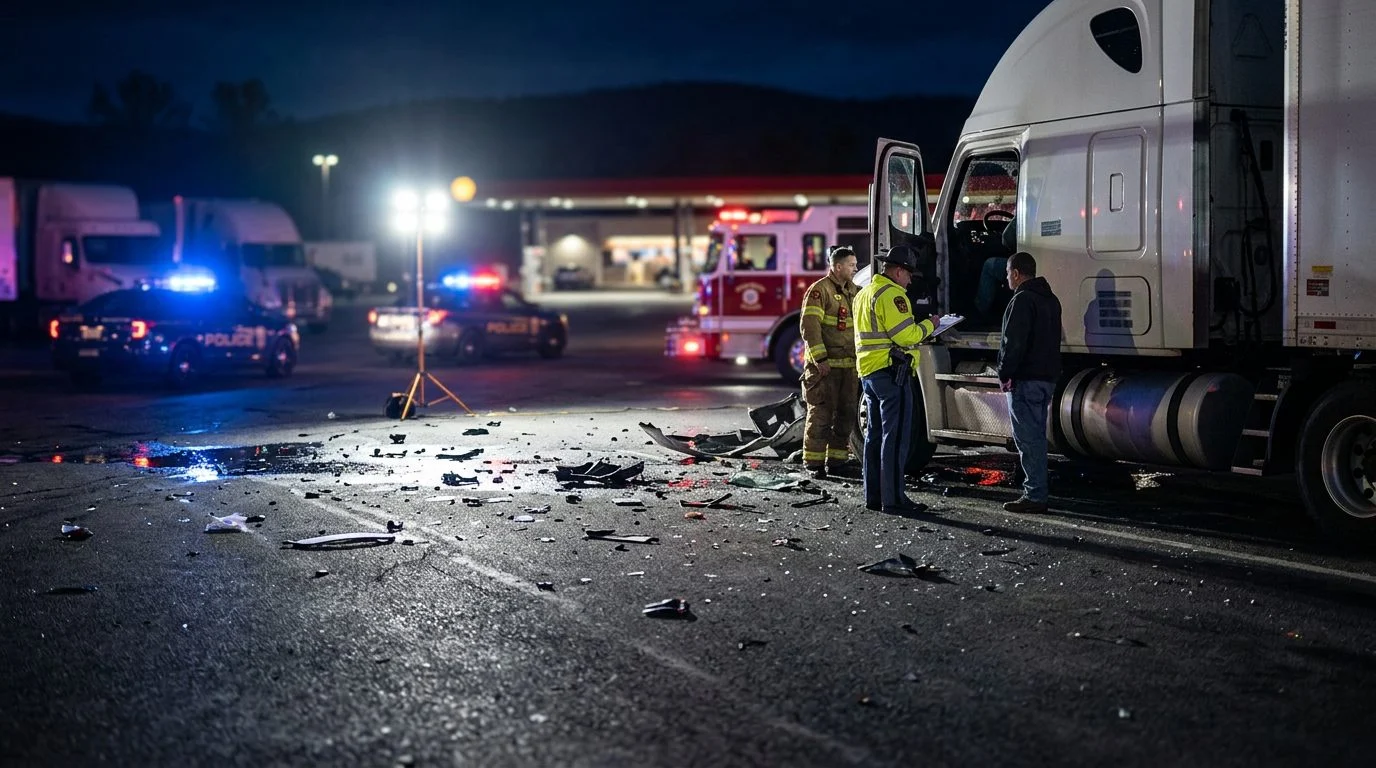
After a crash with a large truck, many people photograph the cab and then wonder what the number on the door means. A USDOT number is a federal identification number for the company that operates the truck. It shows which motor carrier to look at. It does not show who caused the crash.
This guide explains what the number tells you, what to record at the scene, and where its usefulness ends. It also covers two Virginia rules people often mix up: the duty to report a crash and the deadline to file a lawsuit.
What a USDOT number is
A USDOT number is an identification number the Federal Motor Carrier Safety Administration (FMCSA) issues to a motor carrier. FMCSA issues it after it receives and processes the carrier’s registration form (49 C.F.R. § 390.19T), but certain Mexico-domiciled and non-North America-domiciled applicants must also pass a pre-authorization safety audit before being issued a number. Carriers that must register, including interstate carriers, need one (FMCSA registration guidance).
The number identifies the company operating the truck, not the individual driver. A driver may work for one company while the truck belongs to another. That is why the number points to a company, and the driver is a separate question.
A USDOT number is not a permit to drive, and it is not a safety rating. It is an identifier that lets regulators and the public tell carriers apart.
The firm’s Winchester and Harrisonburg locations serve people from the Shenandoah Valley to Richmond and Henrico County. It handles truck crash claims for people from the Shenandoah Valley to Richmond and Henrico County. For the wider process, read the commercial vehicle crash guide.
If a truck crash left you or a family member hurt, you don't have to sort out the paperwork alone. The firm is glad to talk through what happened. Talk it through with Correll Law Firm — we can walk you through how a situation like yours is usually handled and what your options are.
Where to find the number and what else to photograph
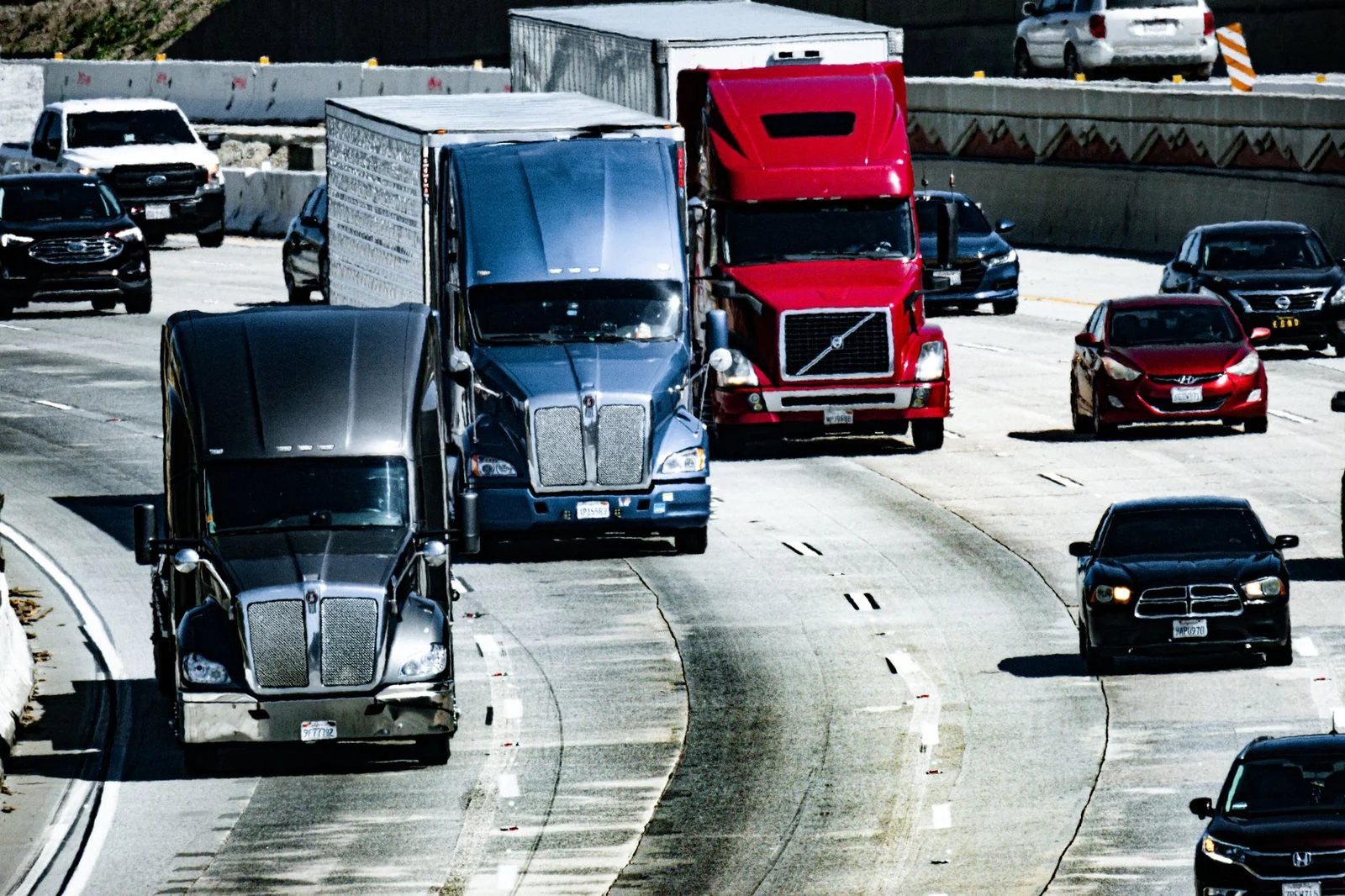
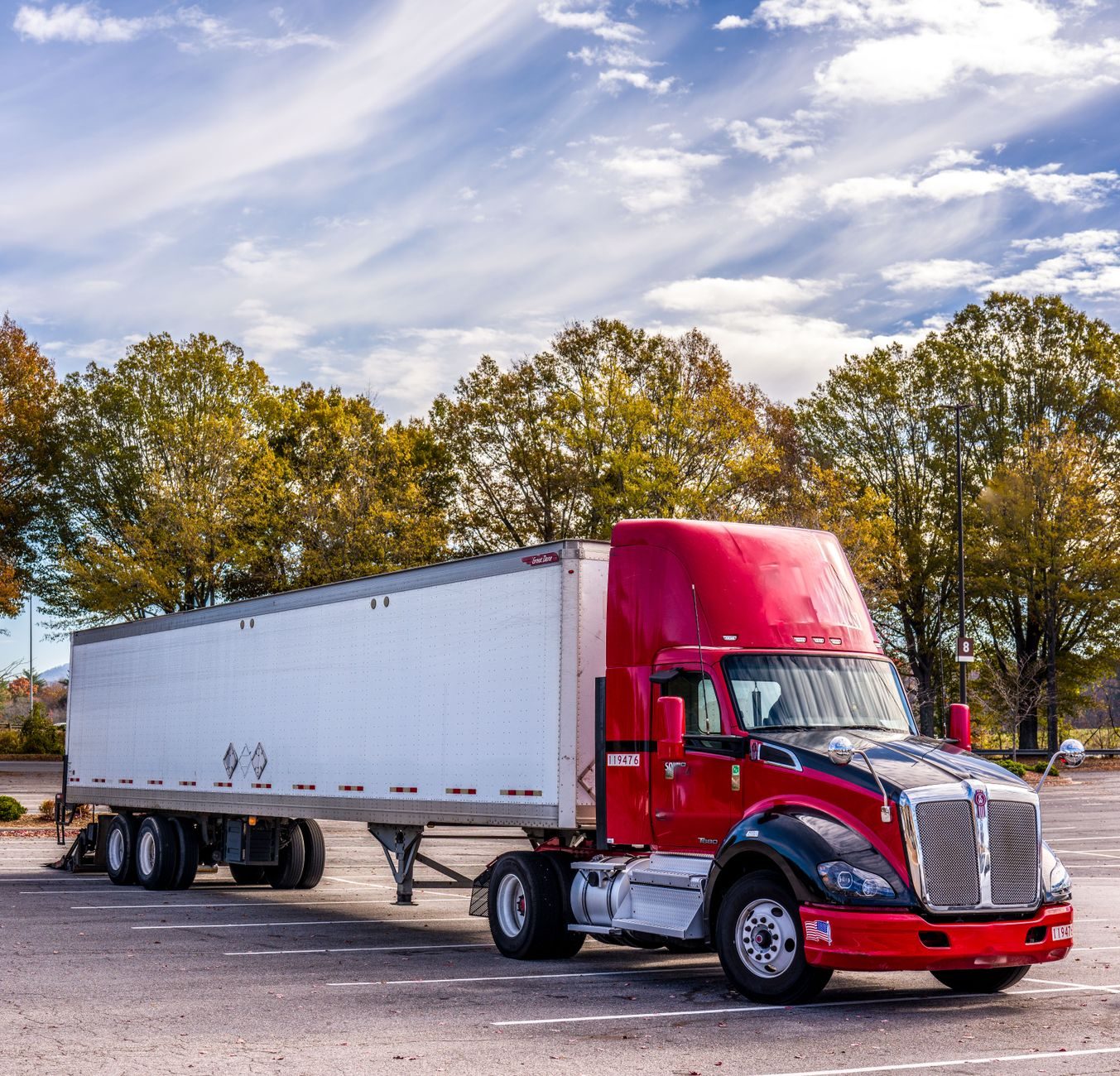
The number is usually shown on the truck’s cab doors. Federal rules require it on each self-propelled commercial vehicle, and it must be preceded by the letters “USDOT” (49 C.F.R. § 390.21T). Check the trailer and any paperwork in the cab too.
If another company’s name appears on the truck, the operating carrier’s name must be preceded by the words “operated by.” Its USDOT information follows the name. Read both names carefully. This matters with leased trucks, where the name on the door and the operating company can differ.
At the scene, record these details if you can:
- The truck’s license plate and any trailer or unit numbers
- The company name shown on the truck
- The time and the exact location
- Visible damage to both vehicles
Take photos without editing or cropping them. A close-up shows the number, and a wider shot shows where it sits on the truck. Note the date and time of each photo. Trucks can leave quickly, so capture the number while you are still at the scene.
What the number tells you about the carrier
The number lets you look up the carrier in public FMCSA records. FMCSA publishes carrier overview pages in its Safety Measurement System. These pages can show a carrier’s listed address and fleet information.
FMCSA also makes a carrier’s final safety rating available to the public on request. The requester gives the carrier’s name, principal office address and, if known, the USDOT number (49 C.F.R. § 385.19).
The name on the truck may not match the legal name in FMCSA records. Federal rules allow only the legal name or a single trade name on registration forms (49 C.F.R. § 390.19T). Checking the number helps confirm which company is listed. Stopping at the name on the door is a common mistake.
What the number does not tell you
A USDOT number does not show who caused a crash. It is a company identifier, not a finding about fault.
It does not name the driver. The driver’s name comes from the crash report and from the driver.
It does not show the cargo or the insurance policy. Those details come from the company and the crash report.
Crash records in FMCSA’s Safety Measurement System show carrier involvement. They do not show fault or who owned a particular truck.
A photo of the number is one piece of evidence. A claim turns on the full set of facts, including the crash report, witness accounts, and medical records.
Reporting the crash and the time limit for a lawsuit
Virginia requires a driver involved in a crash with injury or death to stop and report it to police immediately (Va. Code §§ 46.2-371, 46.2-894). You can read those duties in Va. Code § 46.2-371 and Va. Code § 46.2-894. Note which police agency responded, since the report comes from that agency.
That reporting duty is separate from the lawsuit deadline.
Virginia generally allows two years from the date of injury to file a personal injury lawsuit (Va. Code § 8.01-243(A)); the clock runs from the date of injury, not the date of discovery, with narrow exceptions. Under Va. Code § 8.01-243, unless otherwise provided in this section or by other statute, every action for personal injuries, whatever the theory of recovery, must be brought within two years after the cause of action accrues.
Many people focus on medical care first and forget the calendar. The clock keeps running while they recover. Some claims carry notice requirements that run out sooner.
Fault and why the records matter
Photos and the USDOT number help show what happened, but they do not decide fault on their own.
Virginia follows contributory negligence: if you are found even partly at fault, you may be barred from recovering, with limited exceptions. Talk to a lawyer about your facts.
Because of that rule, the record matters. A crash report, witness names, and scene photos can help show where each vehicle was and what happened before and after impact. Keep them together, with dates.
A crash can involve more than one negligent party.
Write down what you remember soon after the crash, while details are fresh. Stick to what you saw and heard.
Not sure what your next step is?
Talk it through with Correll Law Firm — we can walk you through how a situation like yours is usually handled and what your options are.
Medical records and the driver’s license questions
A driver’s commercial license is a separate matter from the carrier’s USDOT number. The commercial driver’s license crash claim page covers that topic.
A medical evaluation after a crash creates a record of injuries and treatment. Keep a list of the providers you saw and the dates. The guide on seeing a doctor after a commercial truck crash explains what to expect.
Common questions
Does a USDOT number show who caused the crash?
No. It identifies the motor carrier, and it does not answer the fault question.
Is a USDOT number the same as a driver’s license?
No. The USDOT number identifies the carrier, while a driver’s license is issued to the driver.