
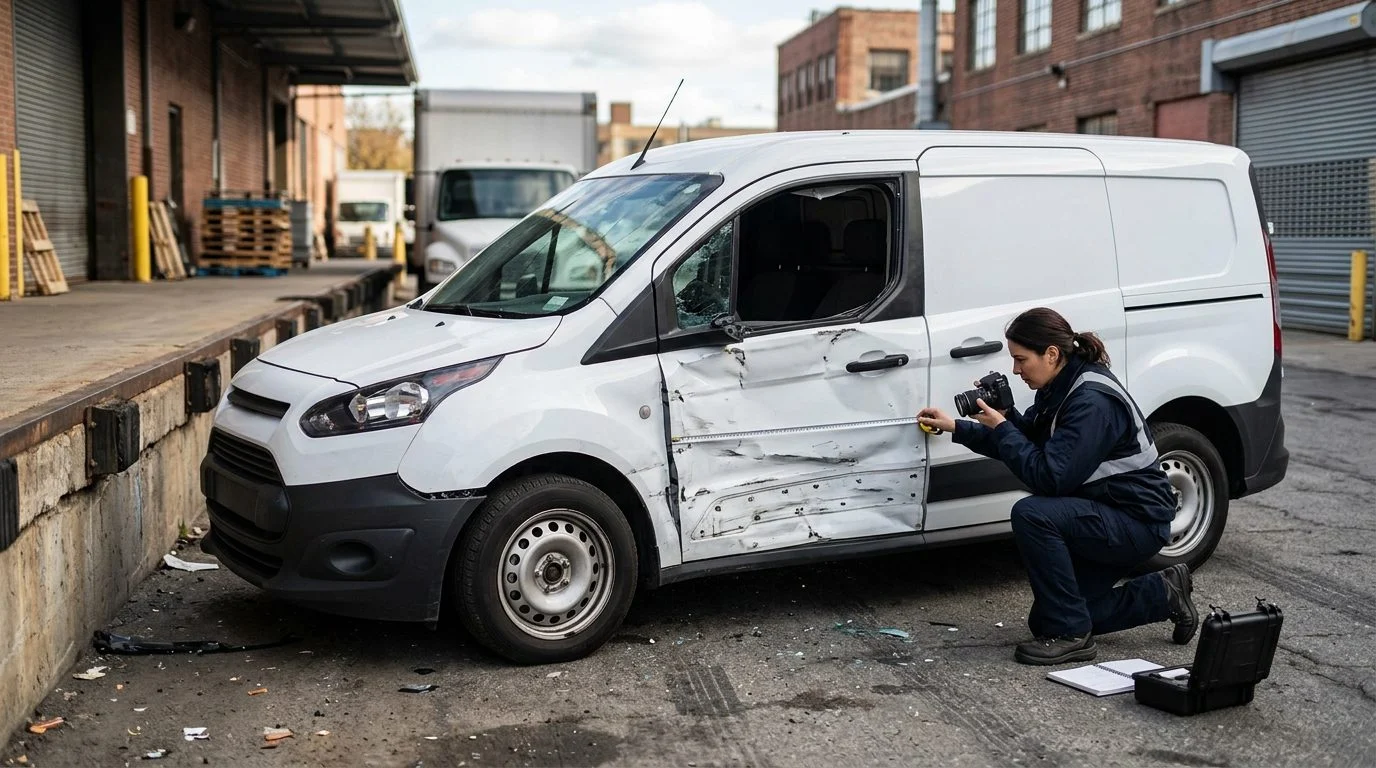
A Commercial Vehicle Crash Can Be Harder to Understand. Here Is What Usually Happens.
A plain-language guide to the steps after a crash with a tractor-trailer, delivery truck or other commercial vehicle, from the Shenandoah Valley to Richmond and Henrico County.
Why a Commercial Vehicle Crash Often Differs From a Car-Only Crash
Larger vehicles, larger impact
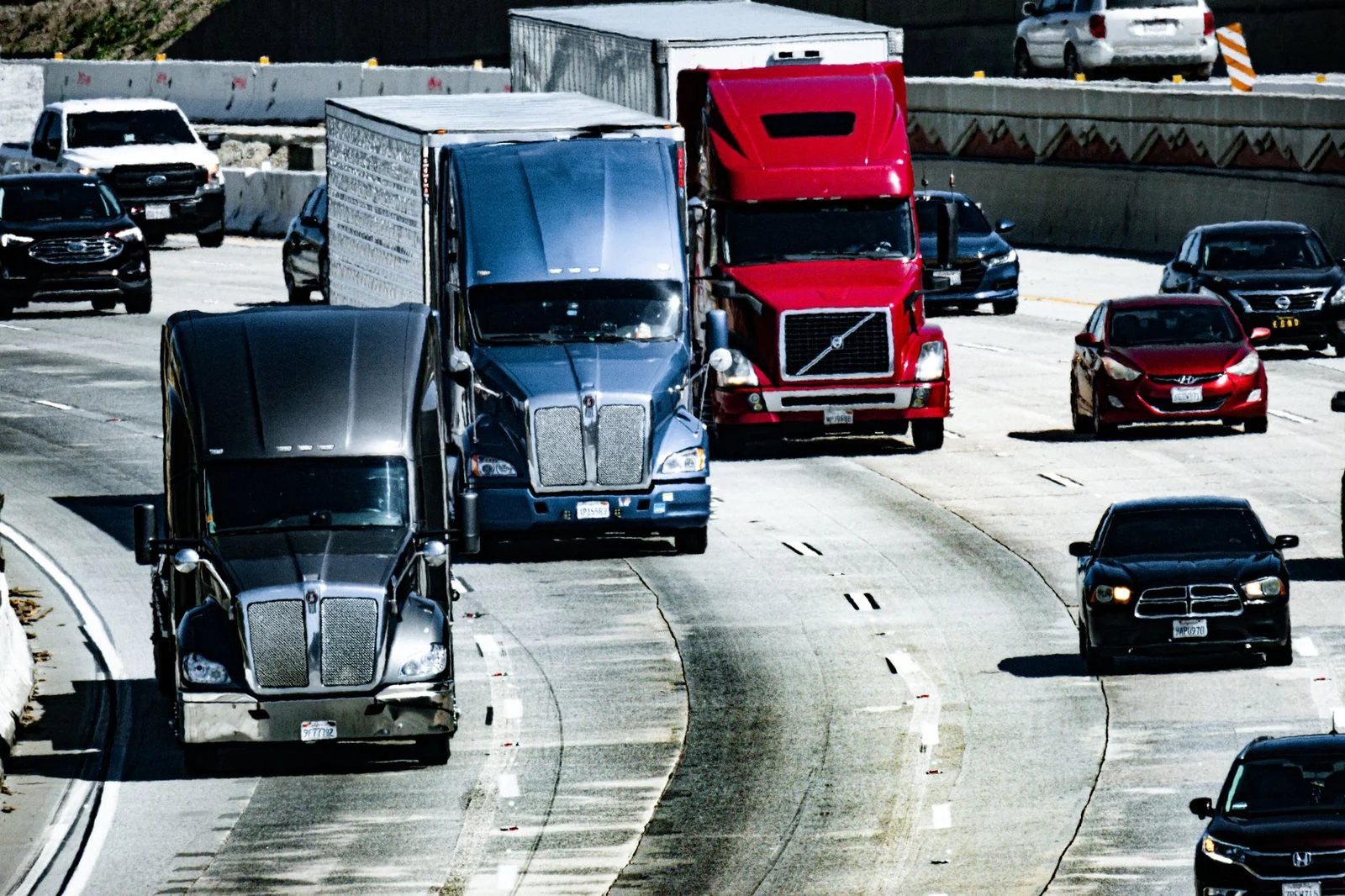
A loaded tractor-trailer weighs far more than a passenger car, and that difference can change how serious the injuries are for the people in the smaller vehicle.
More parties may be involved
Beyond the driver, the company that operates the truck, the company that owns it, and the company that loaded it may each play a role in what happened.
More records to review
Commercial carriers keep logs, maintenance files, inspection reports and driver qualification records. These can be important to understanding how the crash happened.
Injuries that can take time to show
Some serious injuries, including brain and spinal cord injuries, may not be fully understood for days or weeks after the crash.
Published October 24, 2026
If a commercial vehicle hits your car, the first steps are safety, calling 911, and staying at the scene when you can. The driver has a legal duty to stop and report the crash, and evidence gathered early can matter later.
Many people ask what happens when a commercial vehicle hits your car because the process can feel different from a crash with another passenger car. Bigger vehicles, company records and more parties can all become part of the picture. The steps below follow the order they usually happen in Virginia.
What counts as a commercial vehicle in a crash
A commercial vehicle is any larger vehicle used for work or business. That includes tractor-trailers, also called semis, along with box trucks, delivery vans, work vans and buses.
These vehicles are often owned by a company rather than the person driving them. That means the owner, employer or motor carrier may be part of the picture after a crash. Many carriers operate under a USDOT number, which the Virginia DMV USDOT page explains. Federal FMCSA hours-of-service rules also limit how long many commercial drivers may drive and work. Records like these can matter later.
The basic steps are the same if a passenger car, SUV or pickup is hit by a commercial vehicle. The main difference is that more records and more parties may be involved.
If a commercial vehicle hit you or someone you love, you may have a claim, and the firm is glad to talk through your situation with you. Talk it through with Correll Law Firm — we can walk you through how a situation like yours is usually handled and what your options are.
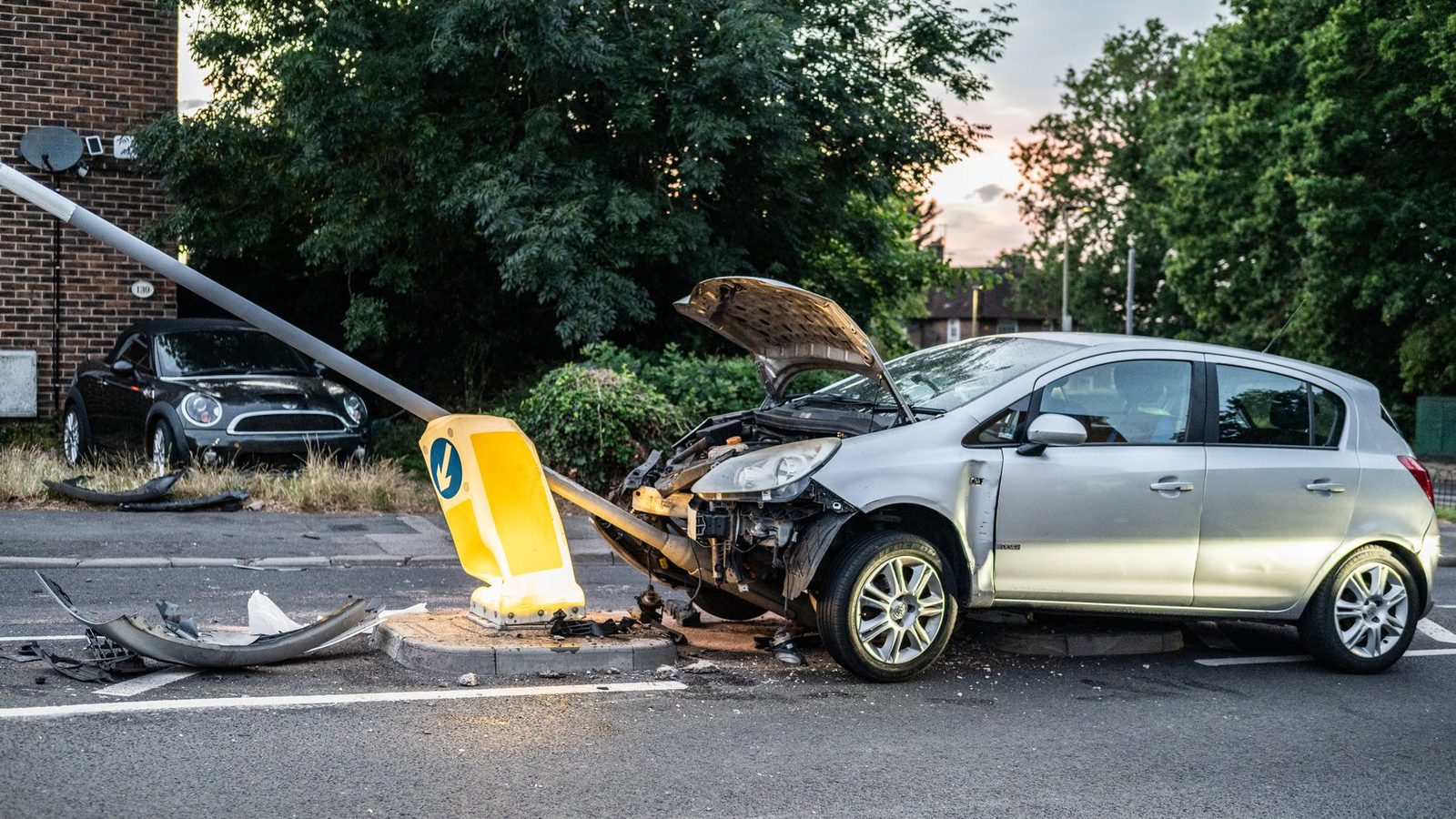
The first minutes: get to safety and call 911
Your first job is to get to safety and get help on the way.
If you can move safely, pull out of traffic and turn on your hazard lights. Then check yourself and your passengers for injuries. If someone seems badly hurt, keep that person still and wait for help.
Call 911. Tell the dispatcher where you are and whether anyone is hurt. If you are able to stay, remain at the scene until police arrive. A driver who fails to stop after a crash with injury can face felony charges under the Virginia duty-to-stop statute.
The driver’s duty to stop and report the crash
Virginia requires a driver involved in a crash with injury or death to stop and report it to police immediately (Va. Code §§ 46.2-371, 46.2-894).
This duty applies to a commercial driver just as it applies to anyone else. Under Va. Code § 46.2-894, a driver involved in an accident in which a person is killed or injured or in which an attended vehicle or other attended property is damaged must immediately stop as close to the scene as possible without obstructing traffic. The driver must also report a name, address, license number and vehicle registration number. The driver must give reasonable help to an injured person, including taking that person to a doctor or hospital when treatment is apparent or requested.
Va. Code § 46.2-371 separately requires immediate notice of the accident to a law-enforcement officer. The lawsuit deadline comes later and is covered below.
Documenting the scene and gathering evidence
Photos and notes taken early help show how the crash happened.
Photograph where each vehicle stopped, the damage to both vehicles, skid marks, road conditions and traffic signs or signals. Photograph visible injuries too. Write down the time and place as best you can.
Get the other driver’s name, insurance information and vehicle details. From a commercial truck, note the company name, any USDOT number, and the unit or vehicle number shown on the cab or trailer. Get the police report number. Write down witness names and contact details, and save any dashcam or phone video.
Company records, such as trip logs and maintenance files, may matter in an investigation. Keep your own notes factual. Write down what you saw, heard and felt, in order, while it is fresh.
Injuries and why a medical evaluation matters
Get a medical evaluation after any crash with a large vehicle, even if you feel fine.
Some serious injuries do not show symptoms right away. A traumatic brain injury may cause headaches, confusion or memory trouble hours or days later. A spinal cord injury may cause numbness or weakness that appears after the first exam. Early medical records help show when symptoms began and what they were.
Correll Law Firm is a Virginia personal injury firm. Its offices are in Winchester and Harrisonburg. The firm focuses on car and truck crashes, catastrophic injuries, traumatic brain injury, spinal cord injury and wrongful death. It represents people from the Shenandoah Valley to Richmond and Henrico County, and the firm’s Richmond and Henrico County pages serve readers there.
How fault is decided and why it matters
Fault is decided by looking at what each driver did and what the evidence shows.
Investigators and insurers look at the police report, photos, witness accounts, vehicle damage and any video. They ask whether each driver followed the rules of the road and whether a driver’s actions caused the crash. The facts of each crash decide how fault is assigned.
Virginia follows contributory negligence: if you are found even partly at fault, you may be barred from recovering, with limited exceptions (Williams v. Harrison, 255 Va. 272 (1998)). Talk to a lawyer about your facts. In plain terms, contributory negligence is a Virginia rule that can affect whether an injured person may recover at all.
Not sure what your next step is?
Talk it through with Correll Law Firm — we can walk you through how a situation like yours is usually handled and what your options are.
Filing deadlines and wrongful death cases
Virginia generally allows two years from the date of injury to file a personal injury lawsuit (Va. Code § 8.01-243(A)); the clock runs from the date of injury, not the date of discovery, with narrow exceptions. The two-year limit for personal injury actions is set out in Va. Code § 8.01-243: unless otherwise provided in this section or by other statute, every action for personal injuries, whatever the theory of recovery, shall be brought within two years after the cause of action accrues.
Some claims carry notice requirements that run out sooner. For a claim against a county, city or town for negligence, the claim is forever barred unless a written statement of the claim, including the time and place of the injury, is filed within six months after the claim accrues, under Va. Code § 15.2-209, subject to the section’s exceptions, such as actual knowledge of the claim by the locality’s attorney, chief executive, or mayor. That can matter when a city-owned vehicle is involved.
A Virginia wrongful death action is filed by the decedent’s personal representative within two years of the death (Va. Code §§ 8.01-50(C), 8.01-244(B)), on behalf of the family members the statute protects. The timing rules appear in Va. Code § 8.01-244.
Virginia wrongful death damages cover the family’s sorrow, mental anguish and loss of the decedent’s companionship, guidance and care; lost income and services; medical expenses from the injury; funeral expenses; and, for willful or wanton conduct, punitive damages (Va. Code § 8.01-52). The damages list is in Va. Code § 8.01-52. Under Va. Code § 8.01-53, any award goes to beneficiaries in classes set by statute, such as a surviving spouse or children.
Quick answers
Who must report a crash to police?
The driver of any vehicle involved in an accident resulting in injury to or death of any person, or someone acting for that driver, shall immediately give notice of the accident to a law-enforcement officer (Va. Code § 46.2-371). The two-year period applies to filing a lawsuit.
Does a crash with a company truck follow different steps?
The early steps are the same. Company records and additional parties can add more to the investigation.
Related practice areas
- Commercial Vehicle Accidents in Virginia: What Injured People and Families Should Know First
- What Happens If You Do a Hit and Run in Virginia?