
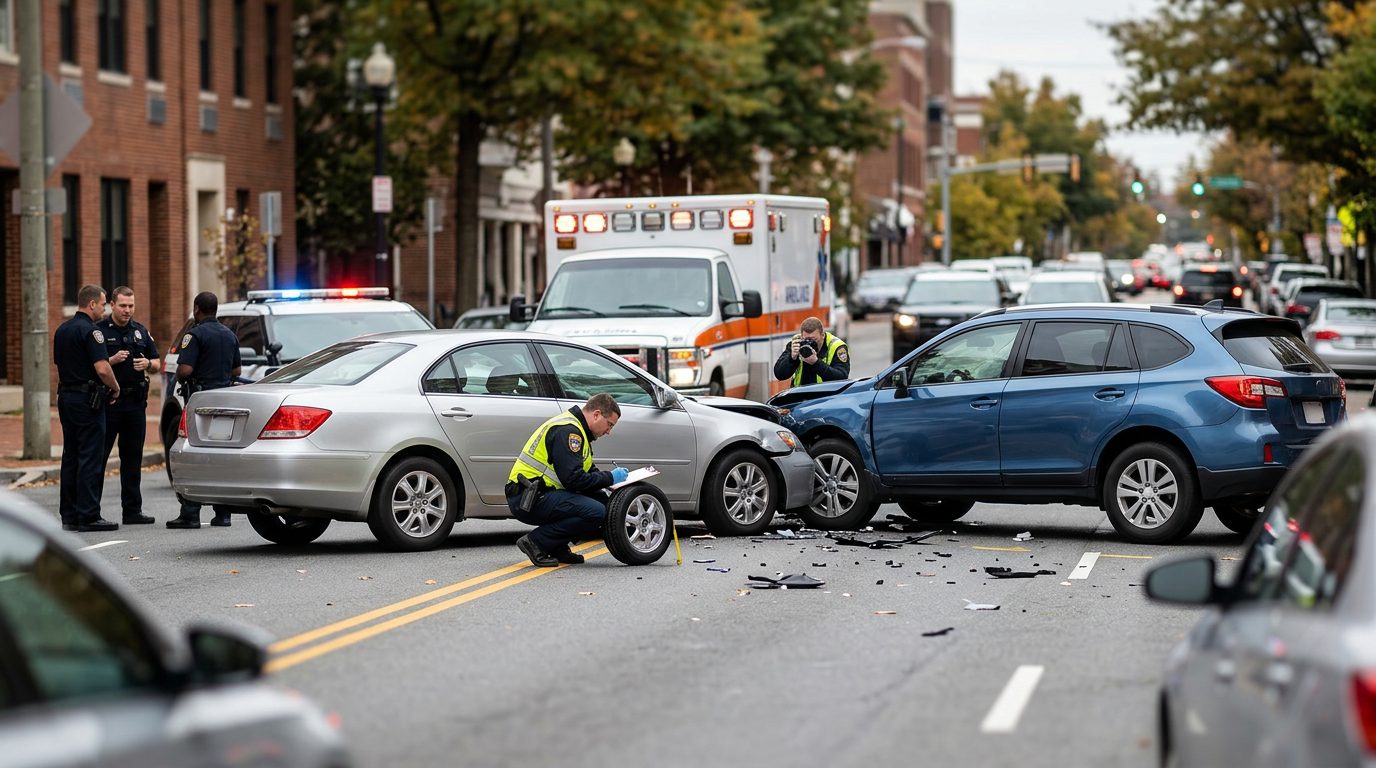
Car Accidents | Virginia
Is Virginia a Fault State for Car Accidents? What Injured Drivers Should Know
Plain-language answers from Correll Law Firm on how fault works in Virginia car crashes and what to think about after a serious collision.
Where the firm works
Virginia
Serving the Shenandoah Valley, Richmond and Henrico County
Published October 24, 2026
The Short Answer: How Fault Works in Virginia
Is Virginia a fault state for car accidents? Yes. In a Virginia car accident, fault is the central question, and the state’s rule for partly at-fault drivers is stricter than many people expect.
The phrase “fault state” gets used loosely. It doesn’t tell you how a specific crash will be judged. It’s more useful to ask three things: what each driver did, how that conduct can be shown, and what happens if you share some of the blame.
Those three building blocks come up in nearly every crash claim.
Two crashes can look alike on paper and still turn on different details. Signals, lane changes, following distance and where the vehicles came to rest can all matter. This page covers the partial-fault rule, how fault is usually shown, the duty to report a crash, and the deadline to file a lawsuit.
Not sure what your next step is?
Talk it through with Correll Law Firm — we can walk you through how a situation like yours is usually handled and what your options are.
Virginia Follows Contributory Negligence
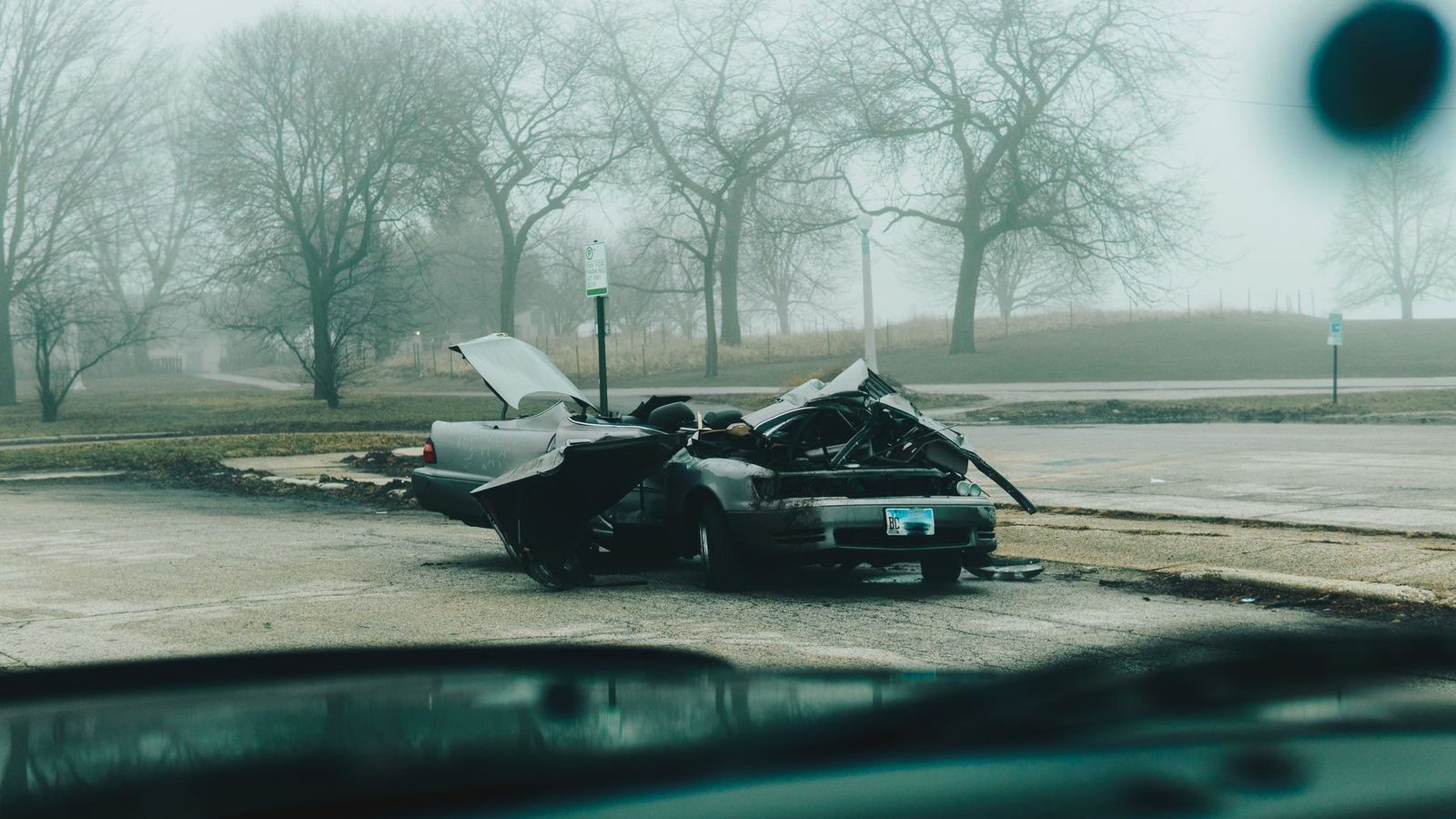
Virginia follows contributory negligence: if you are found even partly at fault, you may be barred from recovering, with limited exceptions (Contributory negligence bars recovery in Virginia; Harvey B. Hazelwood v. Lawyer Garage, LLC (2024)). Talk to a lawyer about your facts.
Under this rule, a driver’s own carelessness can cut off recovery completely, not just shrink it.
This matters most when both drivers blame each other. The other side may argue that you share the fault, even if you believe you did nothing wrong.
One narrow exception is the last clear chance doctrine. That exception turns on specific facts, so it is not a general fix for shared blame. Whether the rule helps or hurts depends on the facts.
Why Fault Is Disputed After Many Crashes
Fault is often disputed because each driver’s insurer may describe the crash differently. An adjuster for the other side may frame events so that more of the blame falls on you.
That is a normal part of the claims process, so your early words matter. Keep these points in mind:
- Stick to what you saw and felt. Leave out guesses about speed or who had the light.
- Review any written or recorded statement before you sign or agree to it.
- Remember that a quick “sorry” at the scene can be quoted back to you later.
The Virginia DMV publishes the state’s auto-insurance requirements and explains what happens when a vehicle is uninsured (Virginia DMV insurance requirements). Knowing those basics can help you read what an insurer tells you.
How Fault Is Established From the Evidence
Fault is usually shown with evidence gathered close to the time of the crash. The most useful evidence often includes:
- Photos of vehicle damage, final vehicle positions, the road, signs and weather
- Names and addresses of witnesses
- Dashcam or nearby video
- The police report and the officer’s notes
- Medical records that tie injuries to the crash
Virginia also requires a clear link between a driver’s conduct and the harm. In plain words, the evidence should connect the driver’s conduct to the crash and the injuries.
Police reports are often central, but they work best when checked against photos, witness accounts and the scene itself.
Some drivers say a sudden emergency forced a split-second move.
Reporting the Crash Is a Separate Duty
Virginia requires a driver involved in a crash with injury or death to stop and report it to police immediately (Va. Code §§ 46.2-371, 46.2-894).
The duty has more than one part. Va. Code § 46.2-894 requires the driver to stop as close to the scene as possible without obstructing traffic, and to give reasonable help to anyone injured. Under Va. Code § 46.2-371, a willful failure to report an accident resulting in injury or death is a Class 4 misdemeanor. Under Va. Code § 46.2-371, the driver must immediately give notice of an accident involving injury or death to a law-enforcement officer. The “as soon as reasonably possible” timing for a driver prevented by injuries comes from Va. Code § 46.2-894.
This reporting duty is separate from any lawsuit deadline. A lawsuit has its own clock, covered below.
A prompt report also creates an early record of the time, place, vehicles and people involved. That record can matter later, when fault is disputed and memories fade.
How to Find the Crash Report in Virginia
A crash report is the official record the responding agency makes after a crash. It is often one of the first documents people look for.
Depending on where the crash happened, the responding agency may be a city police department, a county sheriff’s office, or the Virginia State Police. Drivers in Winchester, Harrisonburg, Richmond and Henrico County may deal with different agencies, so the crash location matters.
Check the report against your own memory and photos. Names, times, lane positions and each driver’s account should line up with what you recall. If something looks wrong, write down the difference while it’s fresh. Written notes made soon after a crash are easier to rely on later.
Not sure what your next step is?
Talk it through with Correll Law Firm — we can walk you through how a situation like yours is usually handled and what your options are.
Deadlines and Parking Lot Crashes
Virginia’s deadline to file a personal injury lawsuit is set by statute, and it is separate from the duty to report. Virginia generally allows two years from the date of injury to file a personal injury lawsuit (Va. Code § 8.01-243(A)); the clock runs from the date of injury, not the date of discovery, with narrow exceptions.
Some claims carry notice requirements that run out sooner. A claim against a county, city or town for negligence is barred unless a written statement of the claim, including the time and place of injury, is filed within six months after the cause of action accrued; if the injured person was under a disability at that time, the tolling provisions of § 8.01-229 apply (Va. Code § 15.2-209). Failure to file the statement does not bar the claim if the locality’s attorney, chief executive, or mayor, or any insurer or entity providing coverage or indemnification of the claim, had actual knowledge of the claim, which includes the nature of the claim and the time and place at which the injury is alleged to have occurred, within that six-month period.
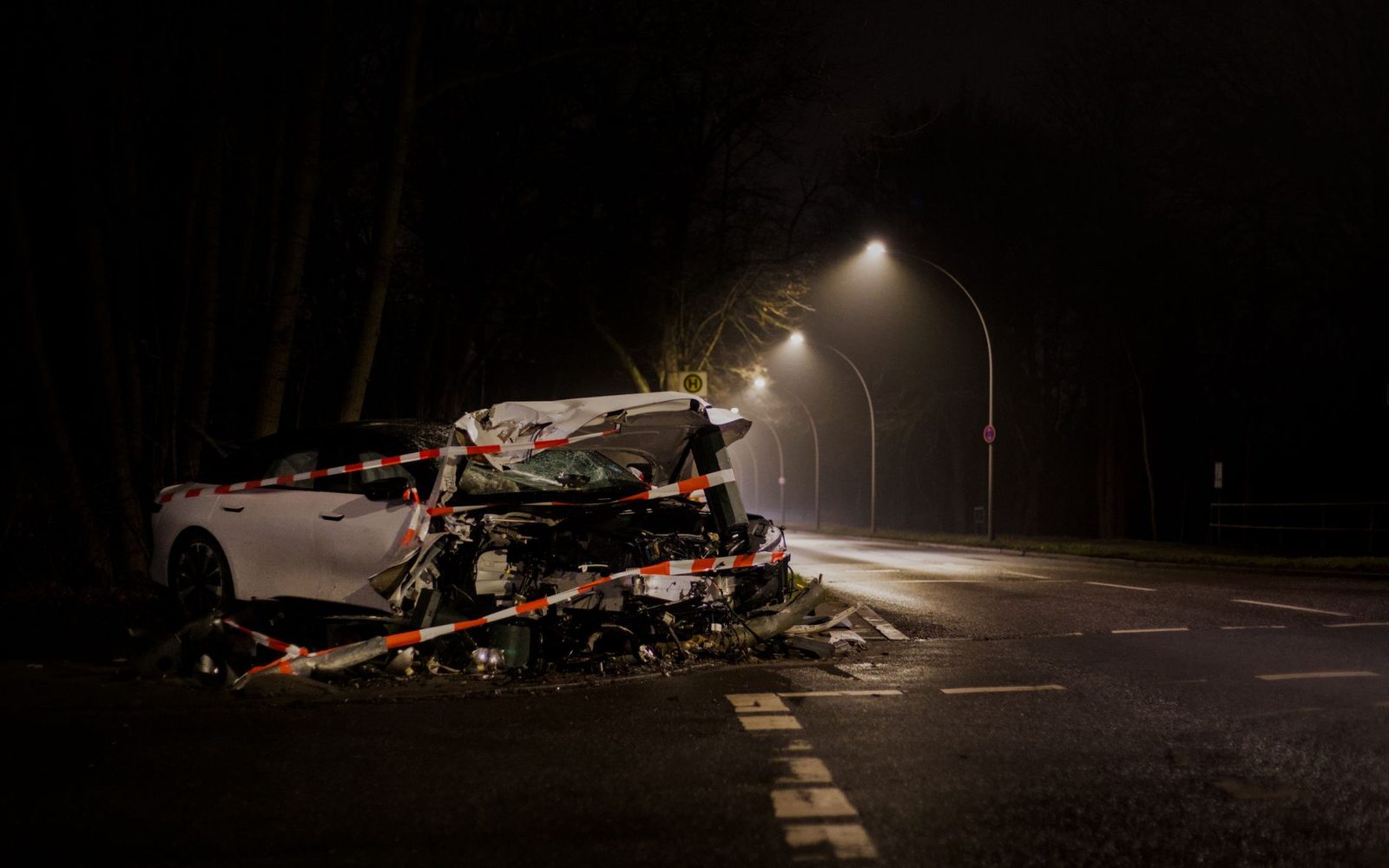
Parking lot and low-speed crashes can still involve fault.
Is Virginia a fault state for car accidents?
Yes. Fault is the central question, and under contributory negligence, even partial fault can bar recovery (Contributory negligence bars recovery in Virginia; Harvey B. Hazelwood v. Lawyer Garage, LLC (2024)).
Does the two-year deadline apply to reporting a crash?
No. Reporting is a duty that applies right away, while the two-year period limits when a lawsuit can be filed.
Is there an exception to the partial-fault rule?
Yes, a narrow one.