

Car Accidents | Virginia
Losing a Leg in a Car Accident: What Virginia Readers Should Know
A serious crash can change how a person moves, works and cares for their family. Here is an overview of the medical and legal questions that often follow limb loss.
Published November 17, 2026
Yes, a serious car or truck crash can take a person’s leg. Some legs are too badly crushed, torn, or cut off from blood flow to save, and surgeons may need to remove them.
If you or someone you love is facing a badly hurt leg after a crash, the questions come fast. This page explains how these injuries happen, how to spot a serious one, and what Virginia law says about timing and fault.
Yes, a Car Accident Can Lead to the Loss of a Leg
A crash can lead to amputation when a leg is too damaged to save or cannot get enough blood. The medical team makes that decision, not the family or the lawyer.
Surgeons weigh the injury, the blood supply to the limb, the risk of serious infection, and the patient’s overall health. Some amputations happen in the operating room on the day of the crash. Others happen days or weeks later, after doctors try to save the limb and find they cannot do so safely.
Crashes on busy roads, such as Interstate 81 through the Shenandoah Valley, can involve high speeds and heavy vehicles. Those forces can cause the kind of damage that leads to amputation. For the broader picture on large truck crashes in Virginia, read the firm’s commercial vehicle accident guide.
If a crash has left you or someone you love facing a serious leg injury, the firm is ready to talk through your options and whether you may have a claim. Talk it through with Correll Law Firm — we can walk you through how a situation like yours is usually handled and what your options are.
How Car and Truck Crashes Cause Leg Amputation
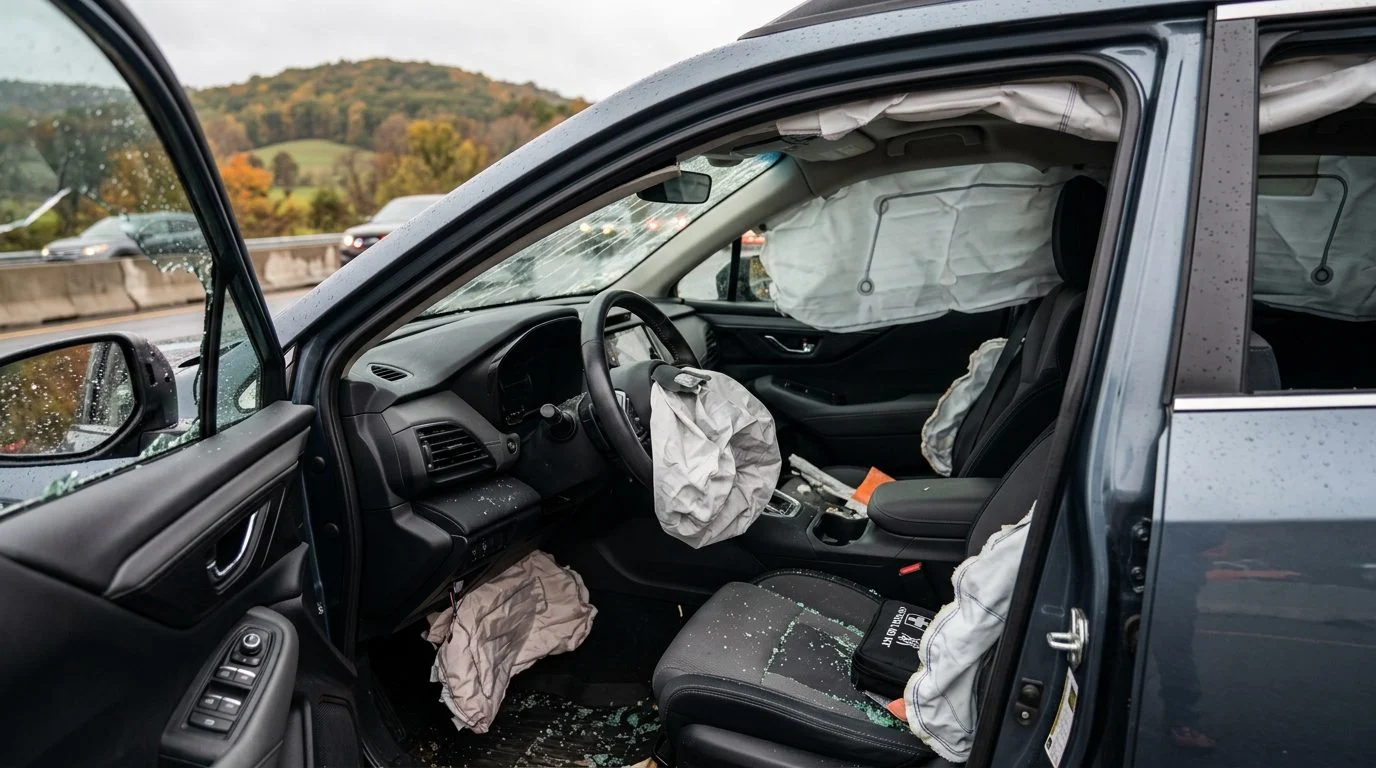
Crashes cause amputation through crushing, tearing, and cutting forces. They can also damage blood vessels and nerves.
A leg can get trapped under a dashboard, in bent metal, or between two vehicles. Crush injuries can damage bone, muscle, nerves, and blood vessels all at once. The longer a limb stays pinned, the harder it can be to save.
In high-force impacts, a leg can be partly or fully torn away. Side impacts, rollovers, and ejection from a vehicle all carry this risk. Truck crashes add another danger. A car that strikes the rear of a trailer can slide underneath it. Rear underride crashes explain how these impacts happen.
Torn arteries or veins can cut off blood flow to the leg. Serious infection can also make a limb unsafe to keep. In those cases, amputation may be the safer choice for the patient.
Picture a driver on Interstate 81 near Winchester whose car is hit on the driver’s side by a box truck. The door frame folds inward and pins the driver’s left leg. That kind of impact shows how quickly a leg can be badly injured.
How to Tell If a Leg Injury Is Serious
Get emergency care right away for any leg injury with heavy bleeding, a bent or deformed leg, or a leg that is partly or fully detached.
Other warning signs include a leg that is pale, cold, bluish, or numb. Loss of feeling, movement, or a pulse below the injury can mean nerve or blood vessel damage.
Apply firm, steady pressure to bleeding and call 911. Do not move someone with a suspected spine or severe leg injury unless they are in immediate danger. If a limb is detached, wrap the part in clean cloth, keep it cool, and send it to the hospital with the patient. Medical staff decide whether reattachment is possible.
Virginia requires a driver involved in a crash with injury or death to stop and report it to police immediately (Va. Code §§ 46.2-371, 46.2-894). The two-year period is the deadline to file a lawsuit, not to report a crash.
Levels of Leg Amputation and What They Mean
A below-knee amputation removes the leg below the knee. An above-knee amputation removes it above the knee. Doctors also call these transtibial and transfemoral amputations.
Other levels exist, including at the ankle or hip. The level matters because it shapes mobility and the kinds of prosthetic devices that may fit.
An amputation can happen at the scene, when the limb is severed. It can also happen later in surgery, when the limb cannot be saved. The medical team picks the level based on the injury and how well the tissue is likely to heal.
The level does not tell the whole story of recovery. Two people with the same level can have very different needs. The medical team can explain what to expect for a specific injury.
Life After a Car Accident Amputation
Recovery after a leg amputation usually includes surgery, wound healing, and rehabilitation with physical and occupational therapy.
A prosthetic leg is usually fitted after the residual limb has healed and shrunk enough. Fitting and adjustment take time. The device may need replacing as the body changes.
Some people need follow-up surgery, skin and residual limb care, pain management, or mobility aids. Pain can change over time, so new pain should be reported to the medical team.
Emotional effects are real. Many people feel depression, anxiety, or trouble adjusting to a changed body. Counseling and support from family and friends can help.
Daily life changes as well. Job duties, driving, housework, and hobbies may need to be rebuilt. Those changes can affect income and independence over the long term.
Damages That May Be Available After a Leg Amputation
Each claim turns on its own facts and evidence.
Timing matters. Virginia generally allows two years from the date of injury to file a personal injury lawsuit (Va. Code § 8.01-243(A)); the clock runs from the date of injury, not the date of discovery, with narrow exceptions.
Some claims carry notice requirements that run out sooner, so timing should be reviewed early.
Virginia follows contributory negligence: if you are found even partly at fault, you may be barred from recovering, with limited exceptions. Talk to a lawyer about your facts.
Not sure what your next step is?
Talk it through with Correll Law Firm — we can walk you through how a situation like yours is usually handled and what your options are.
How Fault and Liability Are Proven After a Leg Amputation Crash
Fault is proven with evidence that shows what each driver did and how that conduct caused the injury.
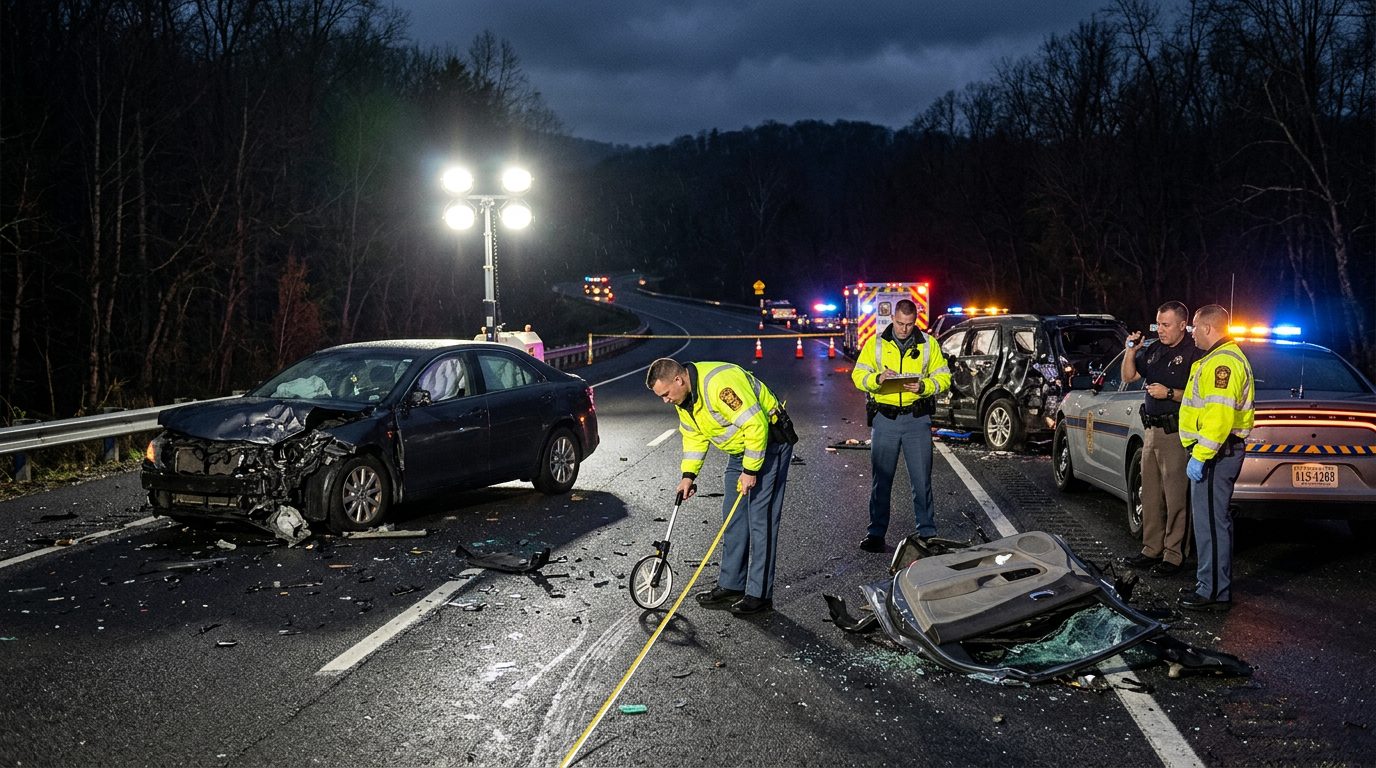
Useful evidence includes the police crash report, photographs of the scene and vehicles, witness statements, medical records that tie the injury to the crash, and damage patterns on the vehicles.
Causation has a specific legal meaning.
Truck crashes can produce more records. Federal rules require a driver’s record of duty status and bar false reports about it (49 C.F.R. § 395.8). Periodic inspection reports must be kept for fourteen months (49 C.F.R. § 396.21).
How to Support Someone Who Lost a Leg in a Crash
The most helpful support is steady, practical, and patient.
Start by listening and asking what the person needs. Avoid phrases that shrink the loss, such as saying it could have been worse or that they will be fine soon.
Offer practical help with appointments, rides, meals, and paperwork. Respect the person’s choices about their own care, even when you worry about them.
Emotional ups and downs are common. Encourage the person to tell their medical team about pain, mood, or sleep changes. Watch for signs they need more help.
Family members often carry a heavy load too. Caregivers may need breaks and support of their own.
Key Takeaways
A car or truck crash can lead to the loss of a leg, and the facts of each crash shape what follows.
- Crushing, tearing, and blood flow damage can make saving a leg unsafe.
- Warning signs of a serious leg injury call for emergency care right away.
- The level of amputation shapes mobility and prosthetic options.
- Recovery includes surgery, rehabilitation, prosthetics, and emotional adjustment.
- Virginia’s deadlines and fault rules can affect any claim, so timing matters.
Frequently asked questions
Can a leg be reattached after a crash?
Sometimes. Whether reattachment is possible is a medical decision based on the injury.
What is a prosthetic leg?
A prosthetic is an artificial limb fitted after the residual limb has healed. It can take time to fit and adjust.