
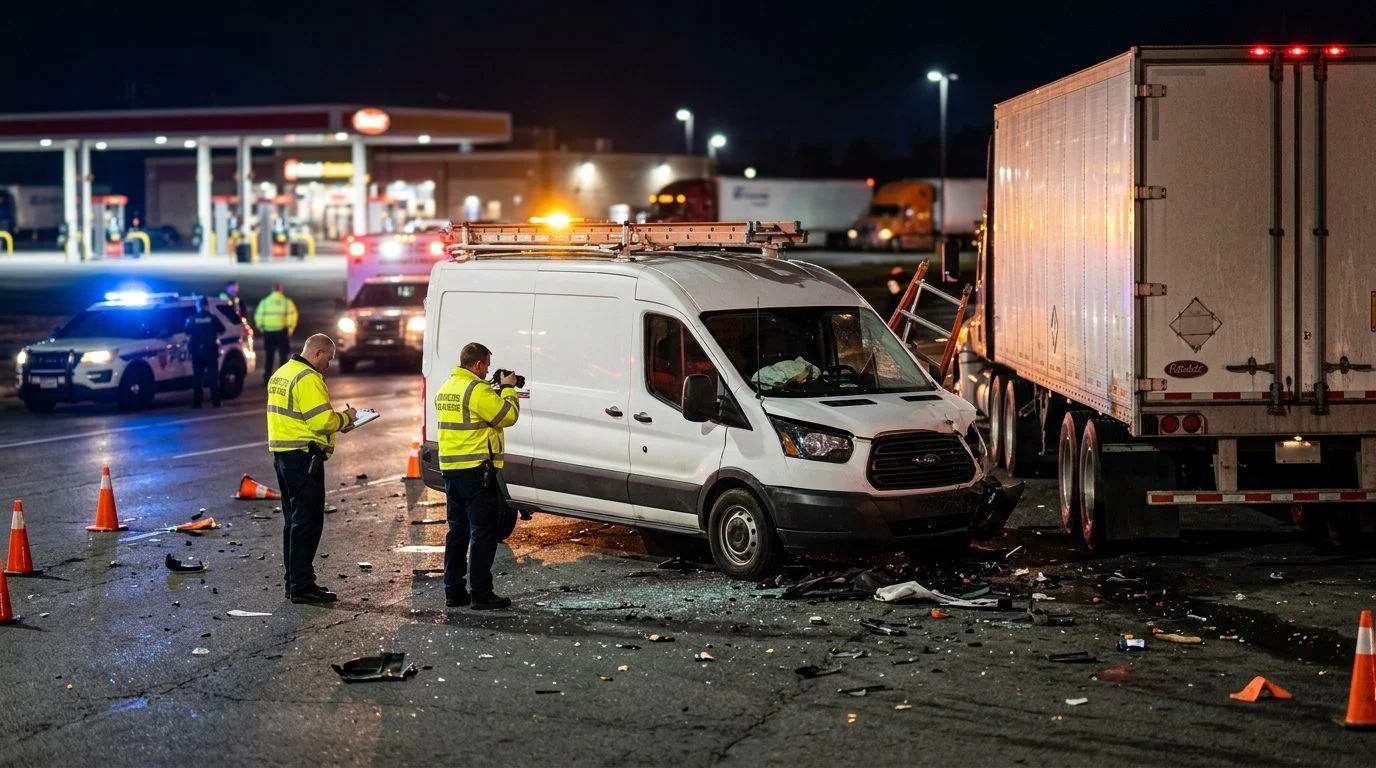
Work van accidents | Winchester, Virginia
Hurt in a Work Van Crash? Winchester Injury Lawyers Focused on Your Recovery
Correll Law Firm represents people injured in work van and commercial vehicle crashes, and families in wrongful death cases. The firm has offices in Winchester and Harrisonburg and serves Front Royal, the Shenandoah Valley, Richmond and Henrico County.
Published November 2, 2026
What the Firm Handles in Work Van Crash Cases
Correll Law Firm handles personal injury claims from car and commercial vehicle crashes, including crashes involving work vans. The firm has an office in Winchester and an office in Harrisonburg, and serves people from across the Shenandoah Valley to Richmond and Henrico County, including people in Front Royal.
Businesses use work vans, company vans and cargo vans to carry tools, parts, supplies and crews. Many of these vehicles are driven for a job rather than for personal errands. That difference can shape who is involved in a claim.
This service is for people hurt in these crashes. That includes drivers, passengers, pedestrians and cyclists, along with families who lose a loved one in a fatal crash. If you are looking for a work van accident lawyer in Winchester, Virginia, this page explains how these claims usually work.
A crash that looks simple at the scene can involve several records, companies and deadlines. Knowing what to look for early can help.
If a work van crash left you or a family member hurt, the firm is glad to talk through who may be responsible and what happens next. Talk it through with Correll Law Firm — we can walk you through how a situation like yours is usually handled and what your options are.
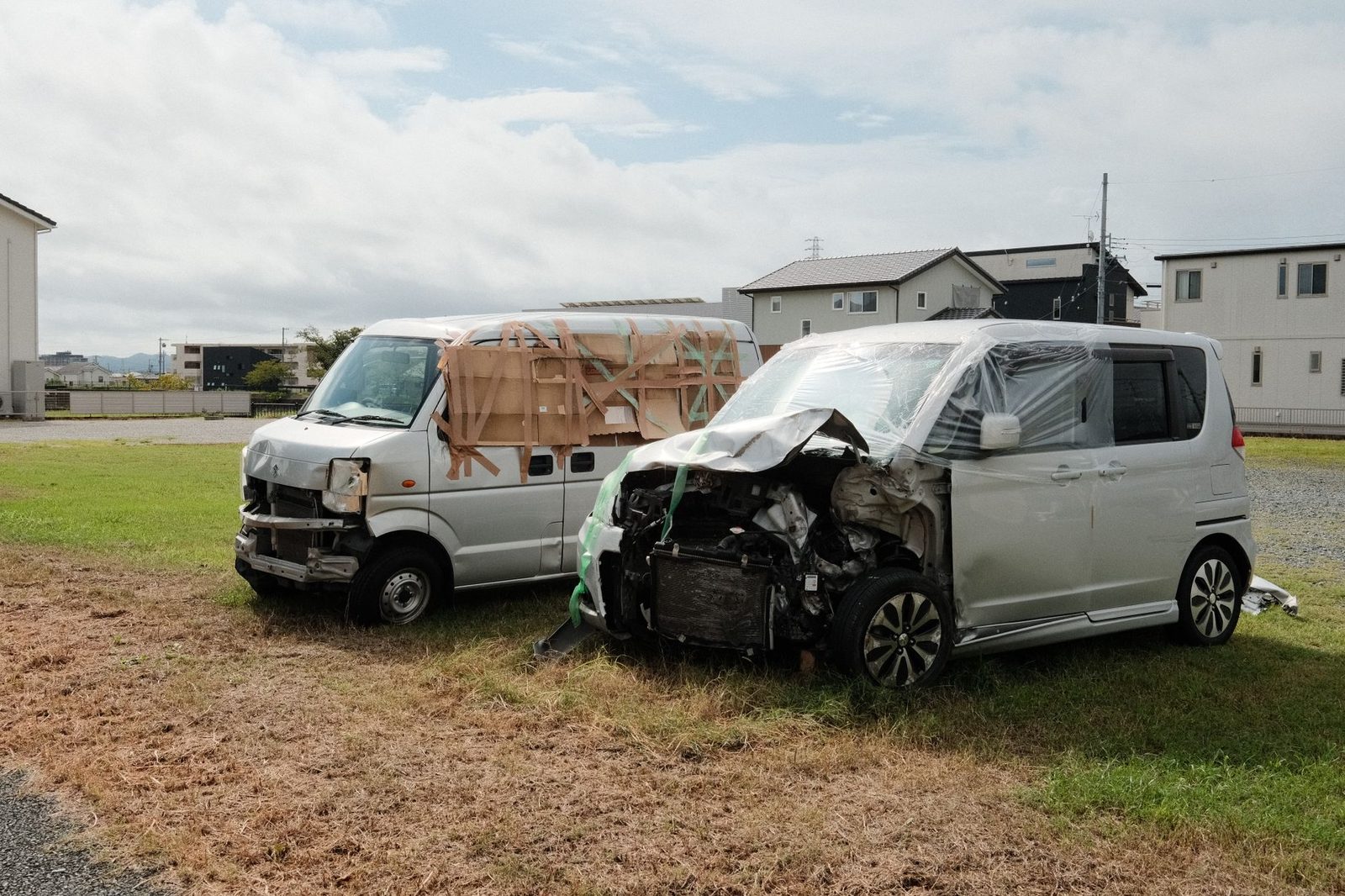
Why a Work Van Crash Can Involve More Than One Party
A work van crash can involve more than one party because the driver, the operating business and the van’s owner or lessor may each have a role.
A work van often connects to more than one company. The driver may work for one business while the van is owned, leased, insured or maintained by another. The paperwork can point in several directions.
Parties commonly identified in these cases include:
- The driver of the work van
- The business that operated or dispatched the van
- The owner or lessor of the van
- A maintenance or repair provider, if a defect is involved
- The driver of any other vehicle in the crash
Investigators may also look at how cargo was loaded and secured, and whether the equipment was in working order. These details can show what happened. They do not decide responsibility on their own.
Virginia law addresses cases where more than one person contributes to an injury.
Federal rules for some leased trucks also matter. When an authorized carrier leases equipment, the written lease must say that the carrier has exclusive possession, control and use of the equipment during the lease, and that the carrier takes complete responsibility for operating it, though for leases of equipment to haul household goods the parties may agree these terms apply only while the equipment is operated by or for the carrier (49 C.F.R. § 376.12). Keep any lease paperwork you have.
Injuries and Losses Work Van Crash Victims Often Face
Work van crashes can cause broken bones, soft tissue injuries, head injuries and spinal injuries, and some symptoms appear days later.
Common injuries include broken bones, deep bruising, neck and back strain, and head or spinal injuries. Some symptoms, such as headaches, dizziness and numbness, may not show up until days after a crash. Prompt medical evaluation helps record them.
Serious injuries can change work and family life for a long time. Traumatic brain injury and spinal cord injury can affect memory, movement, employment and the need for long-term care. The firm handles catastrophic injury claims, including brain and spinal cord injury cases.
Good records make a claim easier to document. Consider keeping:
- Medical bills and treatment notes
- Wage statements and pay records from your employer
- Notes from an employer about missed work
- Mileage and travel logs for medical visits
- A daily journal of limits on work, sleep and everyday tasks
A dated journal can show changes over time that memory alone may not capture.
Steps to Take After a Work Van Crash in Virginia
The first steps after a work van crash are to get to safety, get medical care and report the crash to police.
- Move to a safe spot if you can, check everyone for injuries, and get emergency help when needed.
- Report the crash. Virginia requires a driver involved in a crash with injury or death to stop and report it to police immediately (Va. Code §§ 46.2-371, 46.2-894). The two-year period discussed below is the deadline to file a lawsuit, not the deadline to report a crash.
- Photograph the scene, the vehicle damage, the cargo’s position, skid marks and nearby signs. Write down the names and addresses of any witnesses.
- Get a medical evaluation even if your injuries feel minor. Keep every appointment and referral record.
- Ask the employer or other party for the company name and insurance information in writing. Consider reviewing your options before you give any recorded statement.
How a Work Van Injury Claim Typically Moves Forward
A work van injury claim usually starts with gathering the crash report, medical records and information about who owned and operated the van.
Early work often includes getting the police crash report, medical records, employer and vehicle details, and any dashcam or telematics data (GPS and engine data) that exists. Telematics data may show speed, braking and location.
The review may also cover maintenance logs, driver hours and vehicle inspection records. Federal rules for many motor carriers require a written report at the end of each day’s work on each vehicle when a driver finds or is told of a defect or deficiency; no report is required if none is found. A carrier must repair listed safety defects before it allows the vehicle back on the road (49 C.F.R. § 396.11). Some operations are exempt, including a carrier that operates only one commercial motor vehicle.
Timing matters. Virginia generally allows two years from the date of injury to file a personal injury lawsuit (Va. Code § 8.01-243(A)); the clock runs from the date of injury, not the date of discovery, with narrow exceptions.
How long a claim takes depends on the medical picture, the number of parties and how quickly records arrive. Do not assume a fixed schedule.
Fault also matters. Virginia follows contributory negligence: if you are found even partly at fault, you may be barred from recovering, with limited exceptions. Talk to a lawyer about your facts.
How Correll Law Firm Approaches These Cases
Correll Law Firm focuses on serious injury claims from car and commercial truck crashes, and it works from an office in Winchester and an office in Harrisonburg.
For a work van accident lawyer in Winchester, Virginia, the practical challenge is organization. Commercial vehicle matters often involve several companies, insurers and sets of records. Gathering them in an orderly way from the start helps keep the claim on track.
The firm works with medical providers and sends records requests as part of case preparation. It tracks what has arrived and what is still missing.
People in Frederick County are served from the Winchester office. The firm’s Harrisonburg office serves people in the Harrisonburg area.
The firm’s work covers car accidents, truck accidents, commercial vehicle accidents, catastrophic injuries, traumatic brain injury, spinal cord injury and wrongful death.
Not sure what your next step is?
Talk it through with Correll Law Firm — we can walk you through how a situation like yours is usually handled and what your options are.

Frequently Asked Questions About Work Van Accident Claims
Q: Can the employer be part of a work van crash claim?
A: It can, depending on how the van was owned, leased, controlled and used at the time of the crash.
Q: What if the other driver was also working?
A: Both drivers’ work status can matter when identifying the parties. The details of each crash shape the answer.
Q: Do small cargo vans count?
A: Cargo vans are handled as part of the firm’s car and commercial vehicle work. The injuries and the parties involved shape each claim.
Q: Should I keep the van and cargo records?
A: Preserving the vehicle, damaged parts and cargo records can help document what happened.
Q: Who can file if someone died in a work van crash?
A: A Virginia wrongful death action is filed by the decedent’s personal representative within two years of the death (Va. Code §§ 8.01-50(C), 8.01-244(B)), on behalf of the family members the statute protects.