

Signs of Recovery After a Spinal Cord Injury
Small changes in feeling, movement or strength can matter. Learn what doctors watch for and why every change is worth reporting to your care team.
Where the firm works
Winchester
Firm office
Harrisonburg
Firm office
Shenandoah Valley to Richmond
Families and injured people served
Published November 2, 2026
Signs of recovery from spinal cord injury are changes in movement, feeling, or body function that appear over time. They rarely mean a return to the body someone had before the injury.
This page explains what these changes can look like, which ones need prompt medical attention, and why careful records help the care team follow progress. Recovery looks different for each person. Some changes are small and easy to miss.
What recovery can mean after a spinal cord injury
Recovery means changes in movement, sensation, or body function over time. It does not always mean a full return to how the body worked before.
The Christopher & Dana Reeve Foundation explains that traumatic spinal cord injuries can result from vertebral fractures or dislocations. These injuries can cause loss of function below the level of the injury.
Doctors often sort these injuries into two groups. A complete injury means no movement or feeling below the injury. An incomplete injury means some signals still get through. That difference shapes what the care team looks for.
Research on natural recovery after traumatic spinal cord injury looks at when recovery tends to happen and what affects prognosis, meaning the likely course of recovery.
Where the injury sits on the spine matters. So does how severe it is. What is possible depends on the facts of each case. Families often expect steady, fast progress. Progress is usually slower and less even than that.
If you are watching a loved one's recovery after a crash, you do not have to sort out the legal questions alone, and the firm is glad to talk with you. Talk it through with Correll Law Firm — we can walk you through how a situation like yours is usually handled and what your options are.

Early changes in the first weeks
In the first weeks, many people have little movement or reflex response below the injury. Doctors call this period spinal shock.
Spinal shock is a temporary loss of reflexes and function below the injury. It can fade over the weeks after an injury, but it does not always fade fully. Some reflexes that were absent may start to return.
A reaction in the legs when the doctor tests a reflex can be an early sign that the nervous system is responding. Care teams track these changes with standard exams. They test muscle strength and sensation at set times.
Early on, a family may feel the injury has taken everything. Some early loss may ease over time. Other changes may take longer to show. A dated note from family members can help the team see the pattern between visits.
Returning movement and sensation
Signs of recovery from spinal cord injury often appear in small, uneven steps, not all at once. The first change can be hard to notice.
Look for a muscle that tightens or moves slightly in a limb that could not move before. Some people notice tingling. Numbness may ease in some spots. Light touch, temperature, or pressure may return in some areas while other areas stay numb.
Changes often show up unevenly. One side of the body may improve before the other. One leg may move before a foot does. A single good day does not show the full picture.
Doctors look for trends across repeated exams. The pattern over weeks and months often tells them more than one visit does.
Changes in bladder, bowel, and sexual function
Bladder, bowel, and sexual function are often affected after a spinal cord injury. These functions may change over time, so the care team tracks them from the start.
Bladder and bowel control can be among the most disruptive changes in daily life. Care teams often use routine checks and set care plans to manage them. These plans may include scheduled bladder or bowel routines.
These functions can improve, stay the same, or shift over time. Regular checks help the team notice those shifts early.
Sexual function and sensation can change too. Many people find this topic hard to raise. The patient may want to bring it up with the care team, who can explain options. Bringing it up early can help the team plan care.
Progress in daily life and rehabilitation
Progress often shows up in daily tasks. Examples include sitting balance, moving from bed to chair, or standing with support. Progress in these tasks is one of the signs of recovery from spinal cord injury that families can track.
Physical therapy and occupational therapy work on strength and endurance. Progress usually comes in small steps. A person might sit longer without support, transfer with less help, or walk a few more steps with a walker.
For injuries higher on the spine, breathing and cough strength matter. Therapists and doctors watch respiratory progress closely. A strong cough helps clear the airways.
Rehabilitation goals are set with the medical team. They change as the person’s condition changes. A goal set early may need revision later.
Changes that need prompt medical attention
New or worsening weakness, numbness, or pain needs prompt attention from the treating team. So does a sudden change in bladder or bowel control.
Tell the care team right away if numbness spreads to new areas. Report weakness that gets worse rather than better. Do not wait for the next scheduled visit. Even a change that seems small may point to a complication that needs treatment.
Some signs need urgent care. These include fever, trouble breathing, a severe headache, or a wound that looks infected. Those signs call for same-day medical attention.
Sudden loss of breathing or other severe symptoms call for emergency services. Call 911 right away in those moments. Share this list with family members who help with daily care, so they know what to watch for.
Not sure what your next step is?
Talk it through with Correll Law Firm — we can walk you through how a situation like yours is usually handled and what your options are.
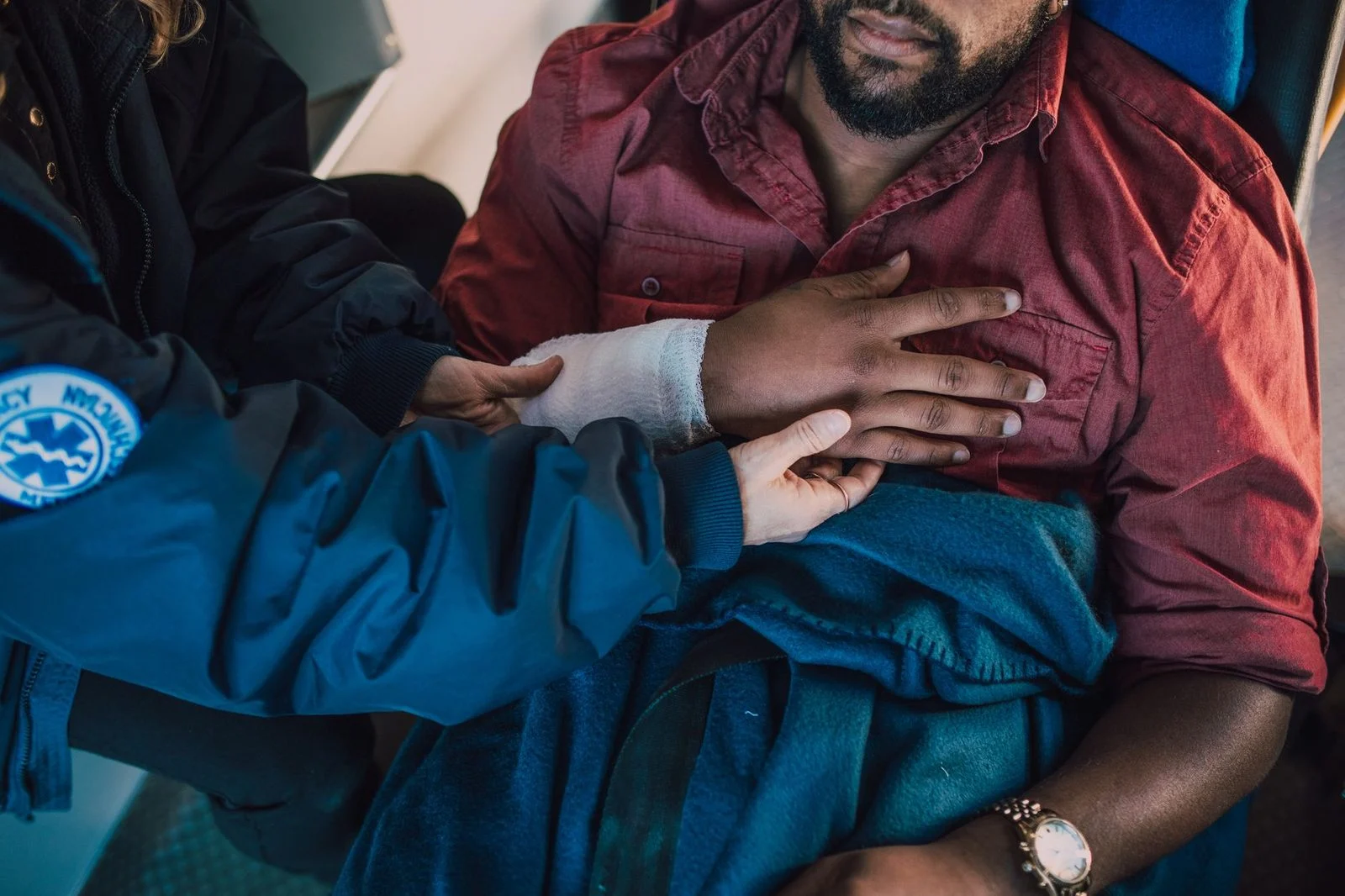
Keeping records of progress and how they may matter later
A dated record of symptoms, therapy milestones, and medical notes helps the care team see the trend. Keeping these signs of recovery from spinal cord injury in writing also helps families.
Write down changes with dates. Note new sensations, strength changes, and bladder or bowel events. Track therapy milestones, medication changes, and questions for the next visit. Keep copies of medical records and therapy notes in one place.
Records of the injury and its progress can matter if a personal injury claim is considered later. Virginia generally allows two years from the date of injury to file a personal injury lawsuit (Va. Code § 8.01-243(A)); the clock runs from the date of injury, not the date of discovery, with narrow exceptions. Some claims carry notice requirements that run out sooner.
Because timing matters, the patient may wish to talk to a lawyer about how these records relate to their situation. For more on the injury and the legal options that may be available, see the spinal cord injury page.
Common questions
What are the early signs of recovery after a spinal cord injury?
Early signs can include returning reflexes, a slight muscle contraction, or tingling that the care team finds during exams.
Can feeling come back after an incomplete spinal cord injury?
Some people regain feeling over time after an incomplete injury. The amount and timing vary from person to person.
When should I tell the doctor about a change?
Tell the treating team right away about new or worsening weakness, spreading numbness, or sudden bladder or bowel changes.