
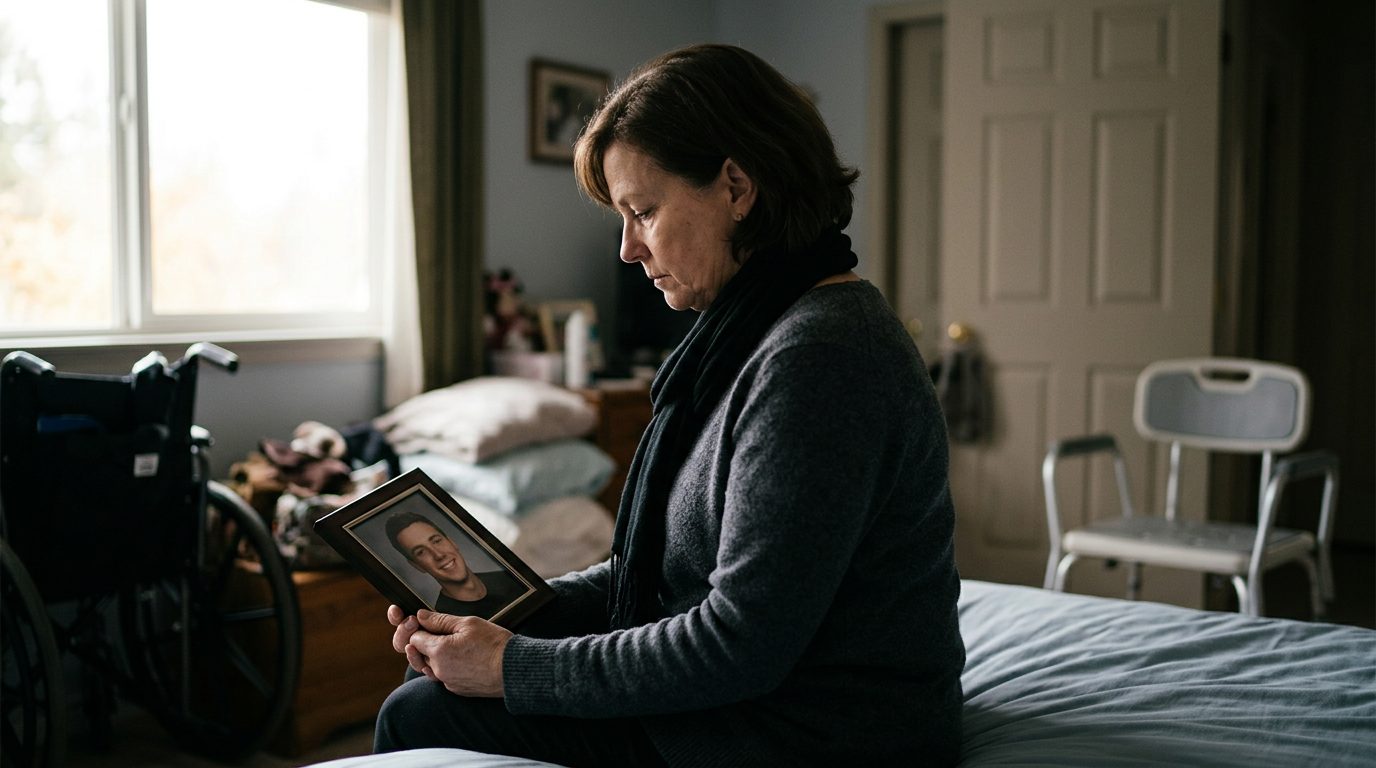
Spinal Cord Injury and Wrongful Death: When a Loved One Is Lost
When a severe spinal cord injury leads to death, surviving family members may have the right to bring a wrongful death claim under Virginia law—especially if negligence or another party’s actions contributed to the fatal outcome. This page explains how these claims work, what damages may be recoverable, and the critical deadlines families must meet.
Understanding Fatal Spinal Cord Injuries
Spinal cord injuries can result in life-threatening complications that prove fatal weeks, months, or even years after the initial accident. The injury itself—trauma to the spine—may not immediately cause death, but the damage to nerve tissue can trigger a cascade of serious medical problems.
Common fatal complications include respiratory failure (when the injury affects nerves that control breathing), severe infections, blood clots, and cardiovascular complications. A person may survive the initial crash or accident, receive emergency care, and then face secondary complications that ultimately prove fatal. Understanding this distinction—between the trauma itself and the complications that follow—is crucial to establishing that negligence caused the death.
In catastrophic-injury cases the firm handles, we’ve seen families struggle to understand why their loved one seemed stable after the accident, only to face a sudden, devastating decline. Medical records and expert testimony help explain this progression to a court.
What Is a Wrongful Death Claim in Spinal Cord Injury Cases?
A wrongful death claim is a legal action brought on behalf of a deceased person’s family when that person’s death results from negligence, recklessness, or wrongful conduct by another party.
The key difference between a personal injury claim and a wrongful death claim is straightforward: a personal injury claim is brought by an injured person while they’re alive; a wrongful death claim is brought after the person has died. A Virginia wrongful death action is filed by the decedent’s personal representative within two years of the death (Va. Code §§ 8.01-50(C), 8.01-244(B)), on behalf of the family members the statute protects. In a spinal cord injury case, if the injured person dies from complications, the claim shifts from what that individual might have recovered to what the family has lost.
When Liability May Exist
Common scenarios include:
Motor vehicle accidents. A car crash, truck collision, or commercial vehicle accident that causes a severe spinal cord injury may create liability if the other driver was negligent (speeding, distracted driving, reckless behavior). If that injury leads to fatal complications, the family may pursue a wrongful death claim.
Establishing causation—proving that the defendant’s actions directly led to the injury and subsequent death—requires medical evidence and often expert testimony.
What Damages May Be Recoverable in a Wrongful Death Case?
Economic damages are documented financial losses. These include:
- Medical expenses incurred before death (emergency care, surgery, hospitalization, rehabilitation)
- Funeral and burial costs
- Lost wages and earning capacity (what the deceased would have earned had they lived)
- Loss of financial support the family relied on
Virginia wrongful death damages cover the family’s sorrow, mental anguish and loss of the decedent’s companionship, guidance and care; lost income and services; medical expenses from the injury; funeral expenses; and, for willful or wanton conduct, punitive damages (Va. Code § 8.01-52).
- A Virginia wrongful death action is filed by the decedent’s personal representative within two years of the death (Va. Code §§ 8.01-50(C), 8.01-244(B)), on behalf of the family members the statute protects.
Calculating damages involves medical experts (to document the injury and its progression), financial experts (to project lost earnings and support), and a clear understanding of the family’s relationship to the deceased and their actual losses. Damages are not predetermined; they depend on the specific facts of each case, including the deceased’s age, health, earning potential, and the family’s circumstances.
The Role of Medical Evidence
Medical evidence is the foundation of a wrongful death spinal cord injury claim. Detailed medical records document the nature and severity of the spinal cord injury, the treatment provided, and the complications that followed. Autopsy findings, if available, can establish the direct cause of death and link it to the spinal cord injury.
Expert testimony from physicians, neurologists, or other medical professionals is often essential. These experts explain to a judge or jury how the spinal cord injury led to the fatal complication, distinguishing between pre-existing conditions and injury-related causes. They address the timeline: when the injury occurred, what complications developed, and why those complications proved fatal.
Without clear medical causation, a wrongful death claim is difficult to pursue. That’s why gathering and preserving medical records immediately after an accident is so important.
Statute of Limitations and Deadlines
Virginia law imposes a strict deadline for wrongful death claims. A Virginia wrongful death action is filed by the decedent’s personal representative within two years of the death (Va. Code §§ 8.01-50(C), 8.01-244(B)), on behalf of the family members the statute protects.
However, waiting until the last moment to file is risky; evidence can be lost, witnesses’ memories fade, and insurance coverage may expire or become disputed.
Acting promptly also allows time to gather medical records, secure expert opinions, and investigate the accident thoroughly. The sooner your family reaches out, the sooner we can begin preserving the evidence your claim will need.
Taking the First Step
If you believe your loved one’s death resulted from a spinal cord injury caused by someone else’s negligence, gathering certain information early will help:
- Medical records from the accident and all subsequent treatment
- Accident reports, police reports, or incident documentation
- Insurance information for the at-fault party
- Photographs of the accident scene, vehicle damage, or hazardous conditions
- Names and contact information for witnesses
- Documentation of your relationship to the deceased (marriage certificate, birth certificate, etc.)
- Records of financial support the deceased provided or was expected to provide
You’ll also want to document your own losses: funeral expenses, time away from work, and any other costs directly tied to the death.
Frequently Asked Questions
How long after a spinal cord injury can death occur?
Death from spinal cord injury complications can occur immediately after the trauma, or weeks, months, or years later—depending on the severity of the injury and the complications that develop.
Who can file a wrongful death claim in Virginia?
A Virginia wrongful death action is filed by the decedent’s personal representative within two years of the death (Va. Code §§ 8.01-50(C), 8.01-244(B)), on behalf of the family members the statute protects.
What if the injured person survived for a time after the accident?
Survival time does not disqualify a wrongful death claim. The law measures the deadline from the date of death, and the family’s losses—medical bills, lost income, grief—are all recoverable.
Can partial fault affect a Virginia wrongful death case?
Virginia follows contributory negligence: if you are found even partly at fault, you may be barred from recovering, with limited exceptions (Contributory negligence bars recovery in Virginia). Talk to a lawyer about your facts. This is a complex area of law, and the specific facts matter greatly.
What if we don’t know whether negligence caused the injury?
That’s exactly why reaching out early is important. Medical records, accident reports, and expert investigation can clarify whether another party’s conduct was negligent and whether it caused the spinal cord injury and death.
If your loved one died from complications of a spinal cord injury caused by someone else’s negligence, families in your situation reach out regularly—and you may have grounds for a claim. The firm represents families throughout the Shenandoah Valley, Winchester, Harrisonburg, Richmond, and Henrico County in wrongful death cases arising from spinal cord injuries. Schedule a free case evaluation to discuss what happened and what your family’s options may be. You don’t have to face this alone.