
Brain Injury | Winchester, Harrisonburg and the Shenandoah Valley
Hit-and-Run Brain Injury in Virginia: Steps That May Help Protect Your Claim
Plain-language guidance from Correll Law Firm for people and families dealing with a brain injury from a crash where the driver left the scene.
Published November 4, 2026
A person hurt in a hit-and-run in Virginia may still have legal options, even when the driver fled. Virginia law sets reporting duties, filing deadlines and damages rules that shape those options. This guide explains the main points in plain language. The firm handles car accidents, truck accidents, traumatic brain injury and wrongful death matters from offices in Winchester and Harrisonburg. Every case has its own details, so the rules that apply to your situation may differ from the general points below.
What Virginia Law Requires of a Driver Involved in a Crash
A driver in a crash with injuries must stop and report it right away. Virginia requires a driver involved in a crash with injury or death to stop and report it to police immediately (Va. Code §§ 46.2-371, 46.2-894). Va. Code § 46.2-894 also asks the driver to give name, address, license and registration details, and to help an injured person get medical care when it is needed. If injuries keep the driver from reporting, the driver must report as soon as reasonably possible. Va. Code § 46.2-371 separately requires immediate notice to a law-enforcement officer. A willful failure to report under that section is a Class 4 misdemeanor.
Keep the reporting duty separate from the lawsuit timeline. The two-year period discussed below is the deadline to file a lawsuit, not the deadline to report a crash (Va. Code § 8.01-243). For an overview of brain injury claims from car and truck crashes, see traumatic brain injury claims after car and truck crashes.
If the driver who hurt you left the scene, you do not have to work out the next steps alone; the firm is ready to talk through your situation. Talk it through with Correll Law Firm — we can walk you through how a situation like yours is usually handled and what your options are.

Brain Injury Symptoms That May Appear Later
Brain injury symptoms do not always show up at the scene. Some appear hours or days after a crash.
Picture a driver who feels shaken but walks away from a crash. Later that day, the driver may develop headaches, confusion or trouble remembering the moments before the impact. That delay is one reason a serious crash can look minor at first.
A person hurt in a hit-and-run may also be unable to describe what happened. Shock, pain and confusion can make it hard to remember the vehicle or the driver. Family members often notice changes first, such as mood shifts, sleep problems or trouble with everyday tasks. Share those changes with the medical team.
Anyone with a possible head injury after a crash should seek emergency care. For more on when to get care, read when to seek emergency care after a head injury. Medical records made at the time of care document the injury, its timing and what the patient reported. Those records can matter later if a claim is filed.
Evidence That Can Help Identify a Driver Who Fled
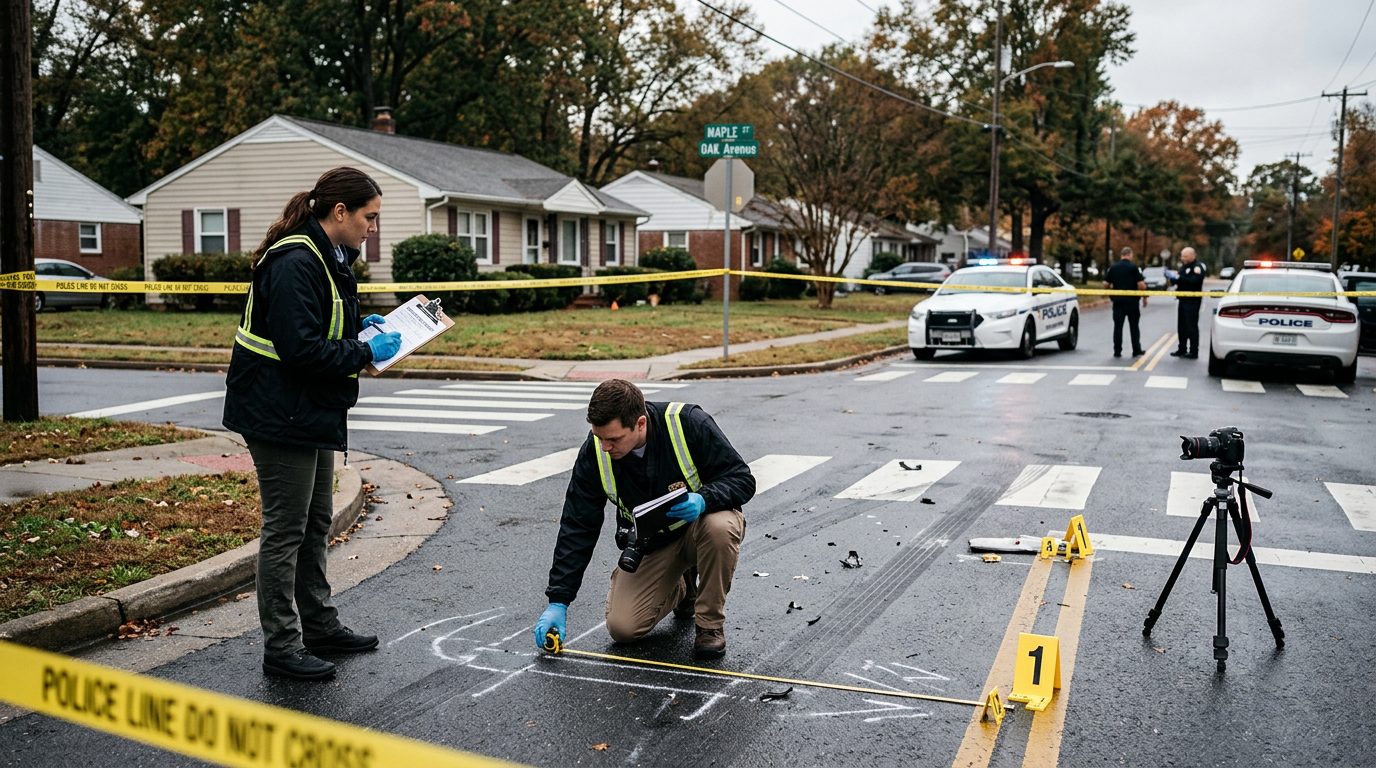
Evidence from the scene and nearby areas can help identify a vehicle and its driver after a hit-and-run. Useful details include the vehicle’s make, model and color, any partial license plate, the direction it traveled and any visible damage. Even a partial plate can help narrow a search.
Other sources may also hold useful information. Witnesses, nearby business cameras, traffic cameras and 911 recordings can show what happened. Police reports and any open investigation matter too. The injured person or a family member can ask the investigating agency about the status of its work.
Physical evidence can link a vehicle to a crash. Paint transfer, broken vehicle parts and debris left at the scene are examples. Those items can be lost or cleaned up quickly, so early attention to the details helps.
Write down what the injured person remembers as soon as they are able. Note the date, the time, the road and any nearby landmarks. Those notes help keep details fresh for everyone involved.
Insurance Questions When the Driver Is Never Found
When the at-fault driver is never found, insurance questions often become the central problem. Policies that may apply can include coverage on the injured person’s own vehicle and policies held by household members. Which policy applies depends on the facts, including who was driving, which vehicle was involved and how each policy is written.
Gather the information early. Collect declarations pages, policy numbers and insurer details for every policy in the household. Note every vehicle that may have been involved, including any vehicle a family member drove that day.
A crash involving a rideshare vehicle raises its own coverage questions. For that situation, see brain injury in a rideshare driver crash in Virginia.
The Two-Year Filing Deadline and Notice Requirements
In most Virginia injury cases, the filing deadline comes from Va. Code § 8.01-243. Virginia generally allows two years from the date of injury to file a personal injury lawsuit (Va. Code § 8.01-243(A)); the clock runs from the date of injury, not the date of discovery, with narrow exceptions.
Some claims carry notice requirements that run out sooner than the filing deadline. Checking the timing early helps avoid missing one.
A hit-and-run can slow the search for the driver. The injured person may also spend a long time in treatment. That is why waiting for the driver to be found can be a risky choice.
When the Injured Person May Share Some Fault
Questions about the injured person’s own conduct can come up even when the other driver fled. The other side may argue that the injured person’s actions contributed to the crash. Clear notes about the scene, the time and the vehicles help show what happened.
Virginia follows contributory negligence: if you are found even partly at fault, you may be barred from recovering, with limited exceptions. Talk to a lawyer about your facts.
Not sure what your next step is?
Talk it through with Correll Law Firm — we can walk you through how a situation like yours is usually handled and what your options are.
Punitive Damages for Willful or Wanton Conduct
Punitive damages are governed by Va. Code § 8.01-38.1.
Punitive damages are separate from compensation for the injury itself. Virginia allows punitive damages for actual malice, or for willful or wanton conduct or recklessness showing a conscious disregard for the safety of others, capped at $350,000 (Va. Code § 8.01-38.1). A violation of the reporting statute is a Class 5 felony when the crash causes injury or death (Va. Code § 46.2-894). Virginia law also allows punitive damages in a personal injury or death action arising from conduct that constitutes a felony violation of that reporting statute (Va. Code § 8.01-44.5:1).

When a Brain Injury Leads to Death: Wrongful Death Claims
When a brain injury leads to death, Virginia law may allow a wrongful death claim under Va. Code § 8.01-50. A Virginia wrongful death action is filed by the decedent’s personal representative within two years of the death (Va. Code §§ 8.01-50(C), 8.01-244(B)), on behalf of the family members the statute protects. The filing period is also described in Va. Code § 8.01-244. Family members do not file; they share in the recovery.
The damages available are listed in Va. Code § 8.01-52. Virginia wrongful death damages cover the family’s sorrow, mental anguish and loss of the decedent’s companionship, guidance and care; lost income and services; medical expenses from the injury; funeral expenses; and, for willful or wanton conduct, punitive damages (Va. Code § 8.01-52).
Readers in Richmond and Henrico County can see the firm’s page on brain injury crash claims in Richmond.
What should I do first after a hit-and-run brain injury?
Get emergency medical care first. If no one has reported the crash to police yet, report it right away.
Can a brain injury claim still move forward if the driver is never found?
It may. Insurance and evidence questions shape how a claim proceeds, so early records and details help.
Can symptoms that appear later still matter?
Yes. Symptoms that show up days after a crash are a reason to get checked promptly, not a reason to wait.