
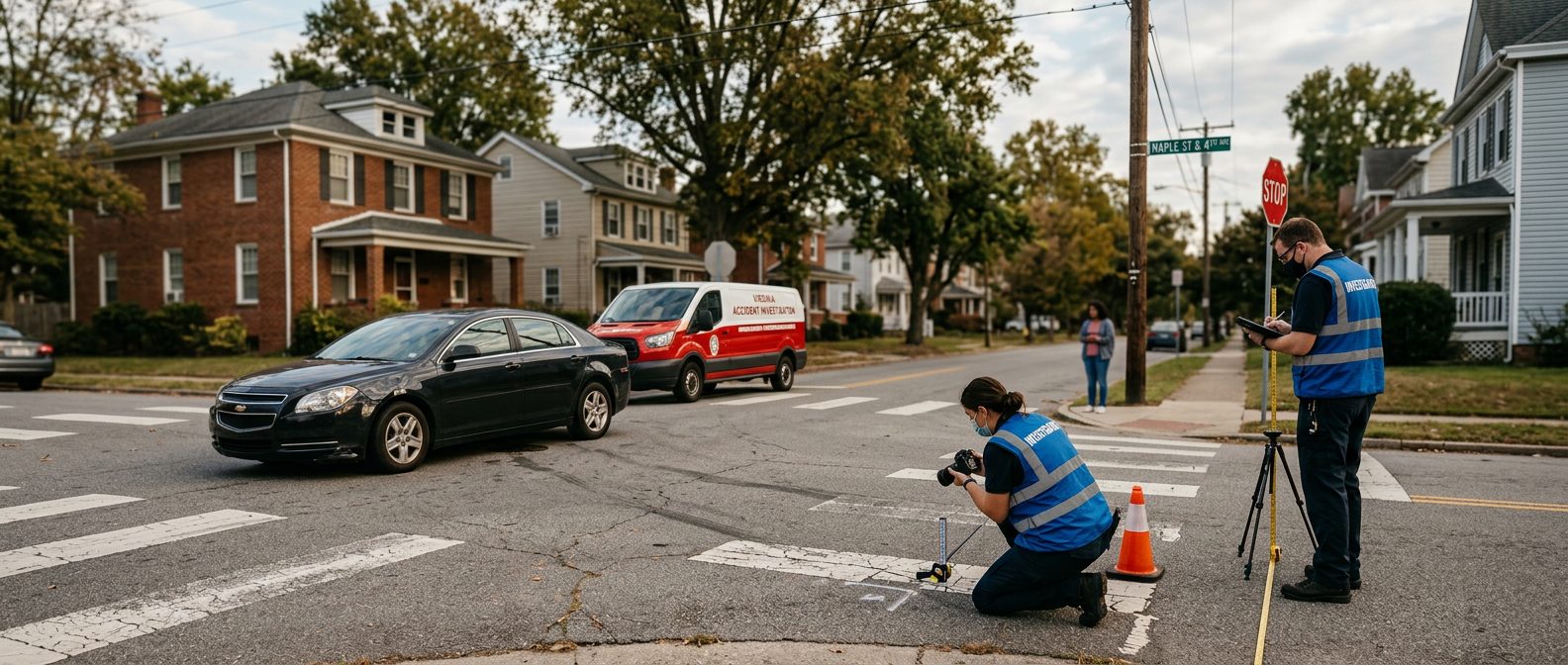
Brain Injury Claims in Virginia
Before You Answer an Insurer's Recorded Statement After a Brain Injury
A head injury can affect memory and focus, so a few careful steps can help you protect your account of events.
Where the firm works
2
Offices, in Winchester and Harrisonburg
Shenandoah Valley
Serving families from Winchester, Front Royal and Harrisonburg to Richmond and Henrico County
Published November 17, 2026
When an insurance adjuster asks for a recorded statement after a brain injury in Virginia, the request can sound routine. For the person answering, it often is not.
A recorded statement is an audio or video account of how a crash happened and how you were hurt. Your answers become part of the insurer’s claim file, so it helps to know what you are agreeing to. You may wish to ask for time before you answer.
What a Recorded Statement Is and Why an Insurer Asks for One
A recorded statement is an audio or video account given to an insurance adjuster, usually early in a claim. The adjuster asks how the crash happened and how you were hurt.
An adjuster works for the insurer. That insurer may be the carrier for the other driver, the driver the claim is made against. Whatever you say becomes part of that insurer’s file.
The call often comes within days of a crash. That timing matters with a brain injury. Symptoms may still be changing, and the full extent of the injury may not be known yet. Even so, you may be asked to describe a sequence of events in detail.
Later, the statement may be compared with the police report, photos and medical records. Each answer becomes a fact the insurer can check. For the broader picture of these claims, read the firm’s guide to brain injury claims after car and truck crashes.
If a brain injury makes an insurance adjuster's questions hard to answer, you do not have to face it alone. We are glad to talk through what your situation may mean for you. Talk it through with Correll Law Firm — we can walk you through how a situation like yours is usually handled and what your options are.
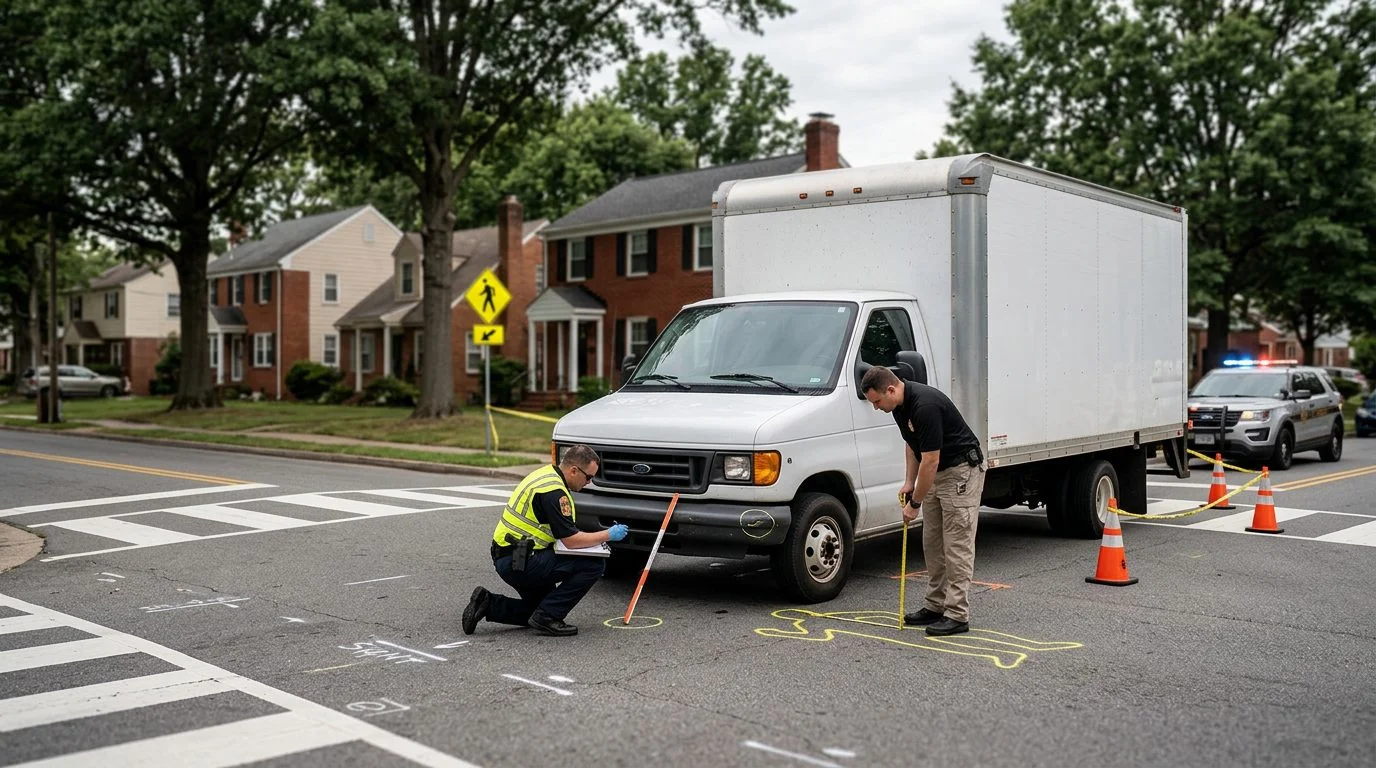
How a Brain Injury Can Affect Memory, Focus and Recall
A brain injury can make it harder to remember, focus on and put in order the details of a crash. Dates, speeds and the order of events are often the first details to blur.
Common symptoms include headaches, confusion, slowed thinking, trouble concentrating and gaps in memory. The Virginia Department of Education guidance on traumatic brain injury describes TBI as a condition that can cause cognitive impairments.
Symptoms can change from day to day. Some people notice problems hours or days after the crash, not right away. An answer given on a hard day may later be compared with medical notes written on other days.
For more on symptoms and recovery, see the concussion claim guide.
Questions to Consider Before Agreeing to a Recorded Statement
Before you answer, you may wish to ask for the request in writing. A written request gives you a record of exactly what was asked.
Ask the adjuster to state the purpose of the statement and who will receive the recording. Knowing that helps you decide what to share.
You may also ask whether the statement can wait until you have reviewed the crash details. A short delay can also give you time to understand your medical condition.
Tell the adjuster when you are taking medication or having symptoms that affect your concentration. That detail explains why an answer may be incomplete, and it is part of an honest account.
Ask for a copy of the recording and any written summary the insurer prepares from it. Keep both with your other claim papers.
How Partial Fault Can Affect a Brain Injury Claim in Virginia
In Virginia, the question of who was at fault can shape whether an injury claim moves forward. Virginia follows contributory negligence: if you are found even partly at fault, you may be barred from recovering, with limited exceptions. Talk to a lawyer about your facts.
Insurers often ask who was at fault, what you were doing, and whether you were using a phone. Those questions make fault a common subject of recorded statements.
Answers about speed, distraction and traffic signals are the ones most likely to be checked against the crash report and witness accounts. Keep your answers to what you actually saw and remember. Say so when you are not sure.
Causation is another key question.
If a commercial truck was involved, questions about how the truck was operated may come up as well. Do not guess about those details either.
Medical Records Requests and What a Release Can Cover
A medical records release lets an insurer request your records from the providers named in it. Insurers often ask injured people to sign one.
Before you sign, you may wish to ask which providers and which date ranges the release covers. Keep a copy of anything you sign, along with the date you signed it.
Records from emergency visits, imaging, neurology and therapy show what was documented and when. Those notes often include what you reported at each visit. That is why accurate reporting at every appointment matters.
Virginia also funds support for people with brain injuries. The Virginia Department for Aging and Rehabilitative Services states that the state provides community-based, ongoing brain injury support services, including case management.
The Virginia rules in this article apply to crashes in Richmond, Henrico County, Winchester and across the Shenandoah Valley.
Deadlines, Crash Reporting and Notice Requirements
Virginia generally allows two years from the date of injury to file a personal injury lawsuit (Va. Code § 8.01-243(A)); the clock runs from the date of injury, not the date of discovery, with narrow exceptions. Under Va. Code § 8.01-243, unless otherwise provided in that section or by other statute, an action for personal injuries, whatever the theory of recovery, must be brought within two years after the cause of action accrues.
Virginia requires a driver involved in a crash with injury or death to stop and report it to police immediately (Va. Code §§ 46.2-371, 46.2-894). The duties appear in Va. Code § 46.2-371 and Va. Code § 46.2-894.
The two-year period is the deadline to file a lawsuit, not the deadline to report a crash (Va. Code § 8.01-243).
Not sure what your next step is?
Talk it through with Correll Law Firm — we can walk you through how a situation like yours is usually handled and what your options are.
Frequently Asked Questions About Recorded Statements and Brain Injury
A brain injury recorded statement request in Virginia can be answered in steps. You may wish to ask for it in writing and take time before you answer.
Can I say no to a recorded statement?
You may wish to ask for the request in writing and take time before answering. You may also wish to talk with a lawyer about the facts of your case.
Can I get a copy of what I said?
You may wish to ask the insurer for a copy of the recording and any written summary it prepares. Keep those copies with your other claim papers.
What if my injury made me say something wrong?
You may wish to tell the adjuster what symptoms you had at the time. Explain what you remember now and what you were unsure of then.
Does a brain injury make a claim harder?
Brain injury claims often rely on medical records and on accounts of symptoms over time. Each case depends on its own facts.
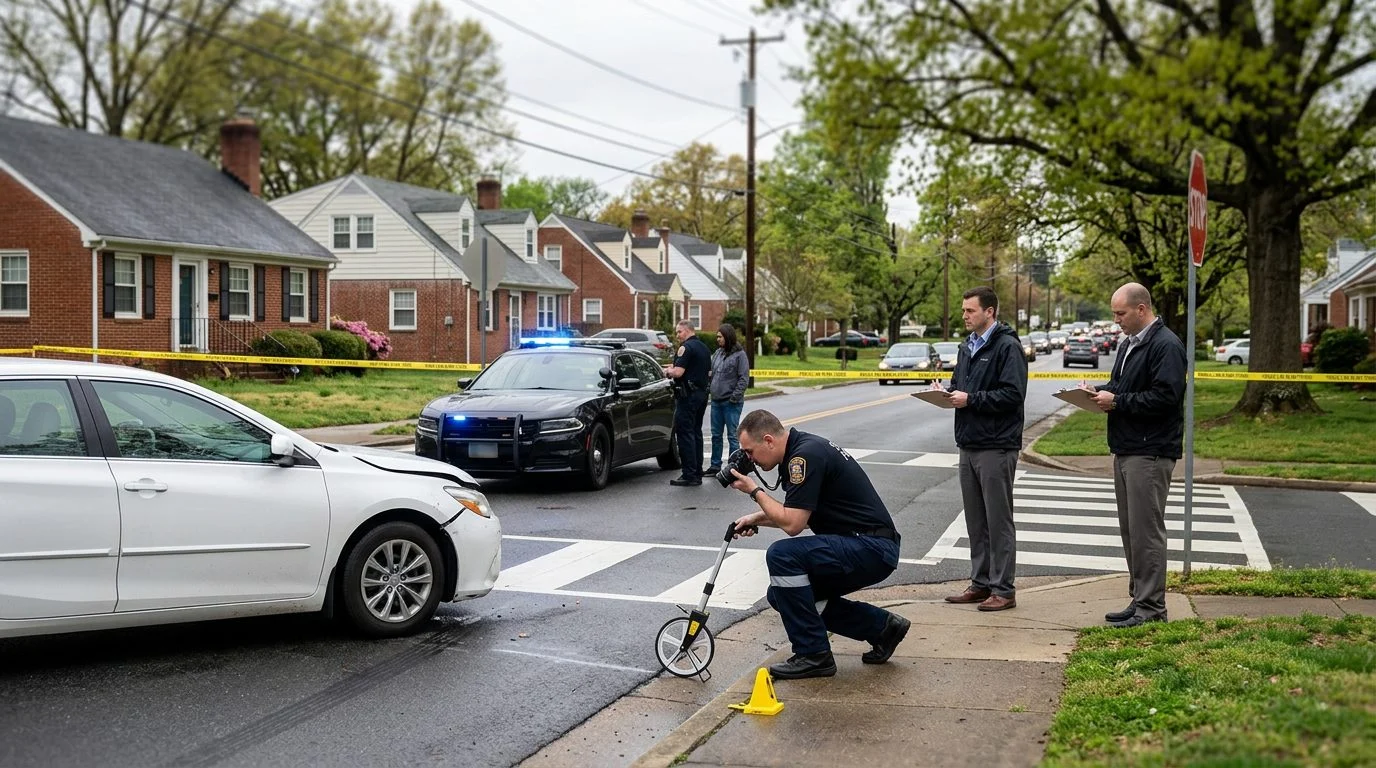
Keeping Notes and Records While Recovery Continues
Keeping written notes from the start can help you answer questions accurately later. Notes made close to events are easier to rely on than memory alone.
Start a simple daily log. Record symptoms, medications, appointments and missed work in your own words, as soon as possible each day.
Keep the crash report number, the adjuster’s name and contact details, the date of every call, and copies of any letter or form you receive.
A written timeline made close to the crash can help you, and any lawyer you may wish to speak with, understand the sequence of events.
In short, a recorded statement can be given later, in writing, and with your records in hand. Ask questions, keep copies, and answer only what you can state accurately.