
Car Accidents | Virginia
Broken Bones After a Car Accident: Understanding Your Next Steps
A plain-language guide to fractures, medical follow-up and the practical questions many people face after a crash in the Shenandoah Valley and Central Virginia.
Published November 18, 2026
A broken bone after a crash can turn daily life upside down. If you’re asking whether you need a lawyer after a car accident in Virginia, the direct answer is that you may wish to talk with one, especially when a fracture needs surgery or a commercial truck was involved.
This page is for people with a broken bone after a crash, and for family members helping them. It explains which fractures crashes often cause, the steps that help protect a claim, and the Virginia rules that set timing. If a crash also caused a head or brain injury, see traumatic brain injury in car and truck crashes.
Common Fractures in Car and Truck Crashes
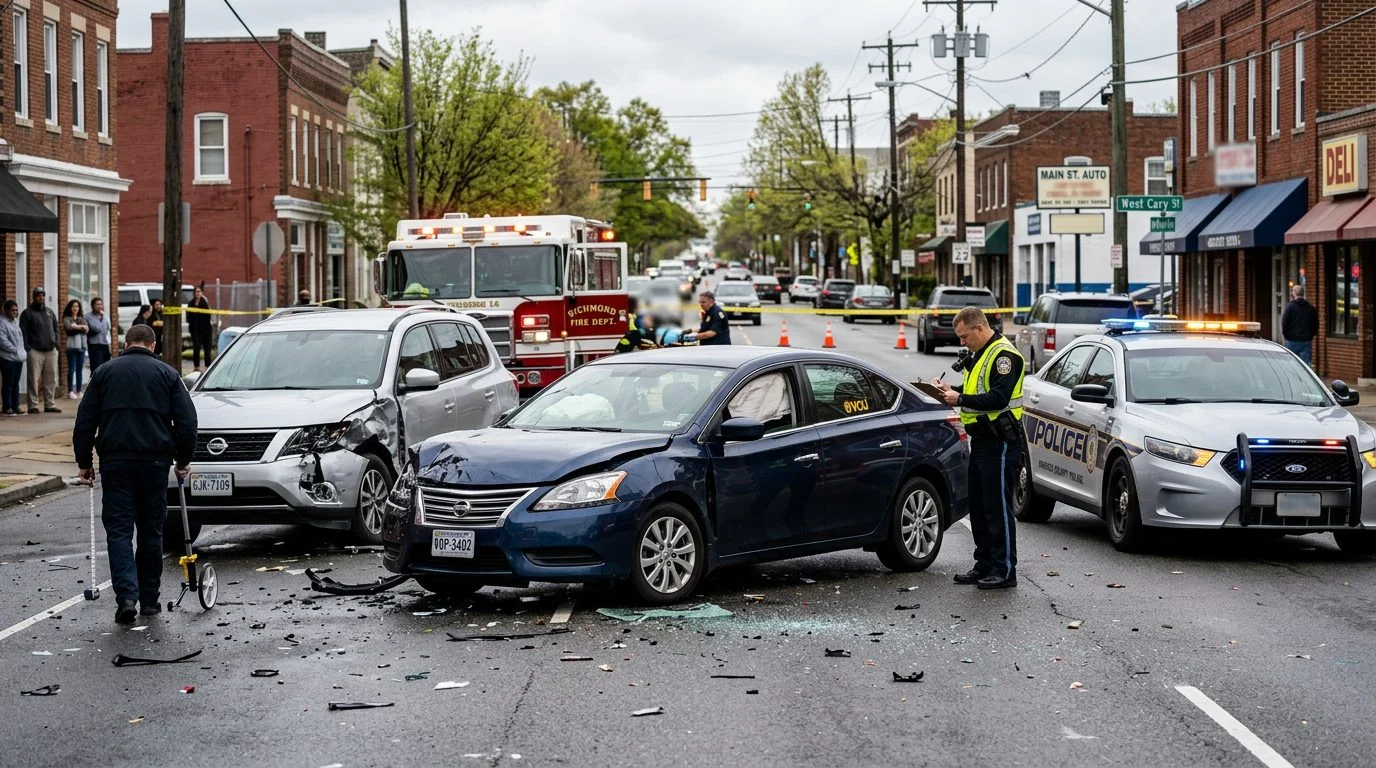
Crashes can break ribs, collarbones, arms, wrists, legs, ankles, hips, and pelvic bones. The break often follows how the body moves inside the vehicle.
- Rib and collarbone fractures often come from seatbelt and airbag force.
- Arm and wrist fractures often happen when a person braces against the impact.
- Leg and ankle fractures can follow when the footwell pushes inward.
- Hip and pelvic fractures can happen in side-impact crashes.
Some fractures look minor at first. Others need surgery, metal hardware, or long rehabilitation. The full medical picture may take time to form.
A fracture also shows the crash force was strong. For that reason, doctors may check for internal injuries too. If a fracture reaches the spine and affects the spinal cord, the issues fall into a different category, and spinal cord injuries are a separate area. Recovery can limit work, driving, and daily care for a long time, so write those limits down.
A broken bone after a crash raises real questions, and you may have a claim worth discussing, so you do not have to face those questions alone. Talk it through with Correll Law Firm — we can walk you through how a situation like yours is usually handled and what your options are.
Steps to Take After a Crash That Breaks a Bone
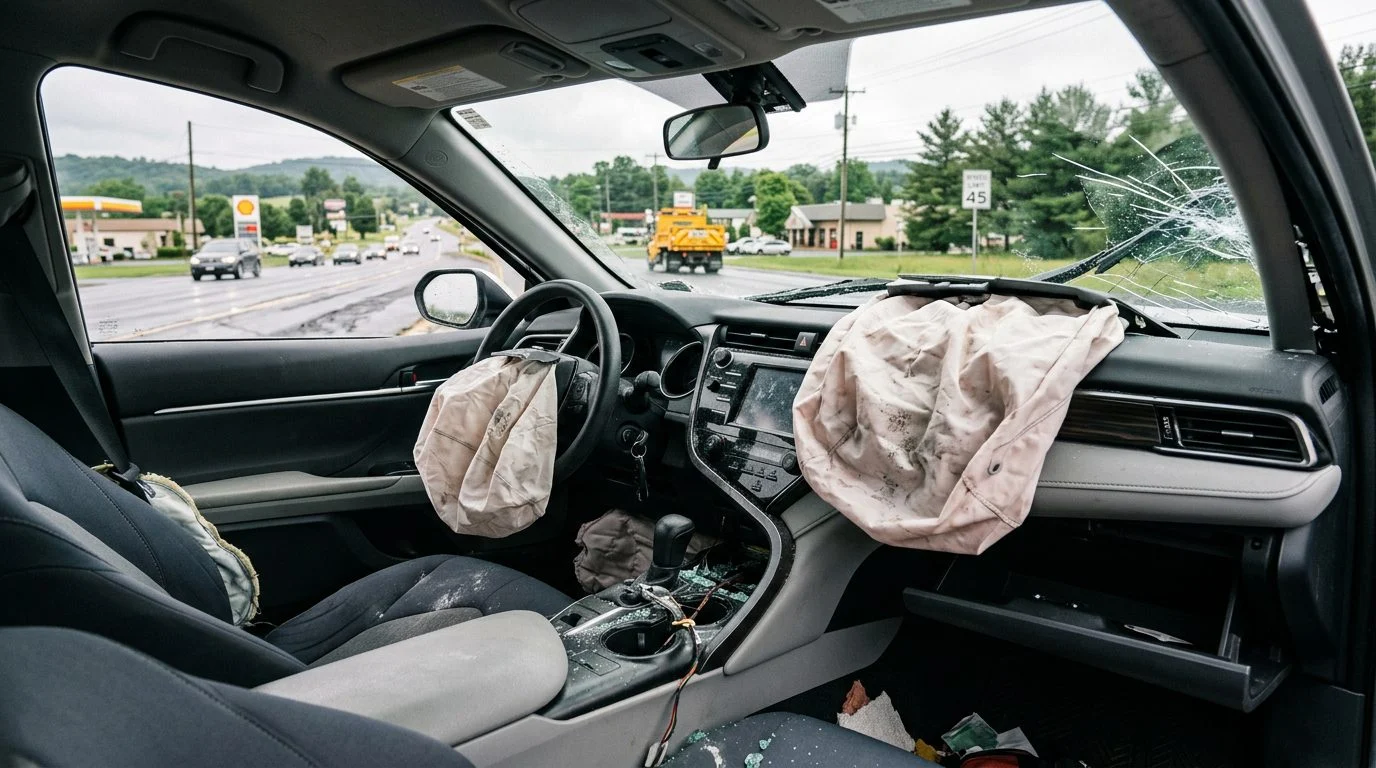
Get medical care quickly and follow the treatment plan your providers give you. Early records help connect the injury to the crash. Tell each provider how the crash happened, and ask for copies of your records.
Virginia requires a driver involved in a crash with injury or death to stop and report it to police immediately (Va. Code §§ 46.2-371, 46.2-894). The two-year period is the deadline to file a lawsuit, not to report a crash. The driver’s duties are spelled out in Va. Code § 46.2-894.
Keep a simple file:
- Photos of the scene, the vehicles, and your injuries
- The police report number and witness names
- Bills, prescriptions, and receipts for medical trips
- Time missed from work, with pay records
- A daily log of symptoms and activity limits
Limit detailed recorded statements to insurers until your injuries and the facts are clearer. Keep copies of everything you send or receive.
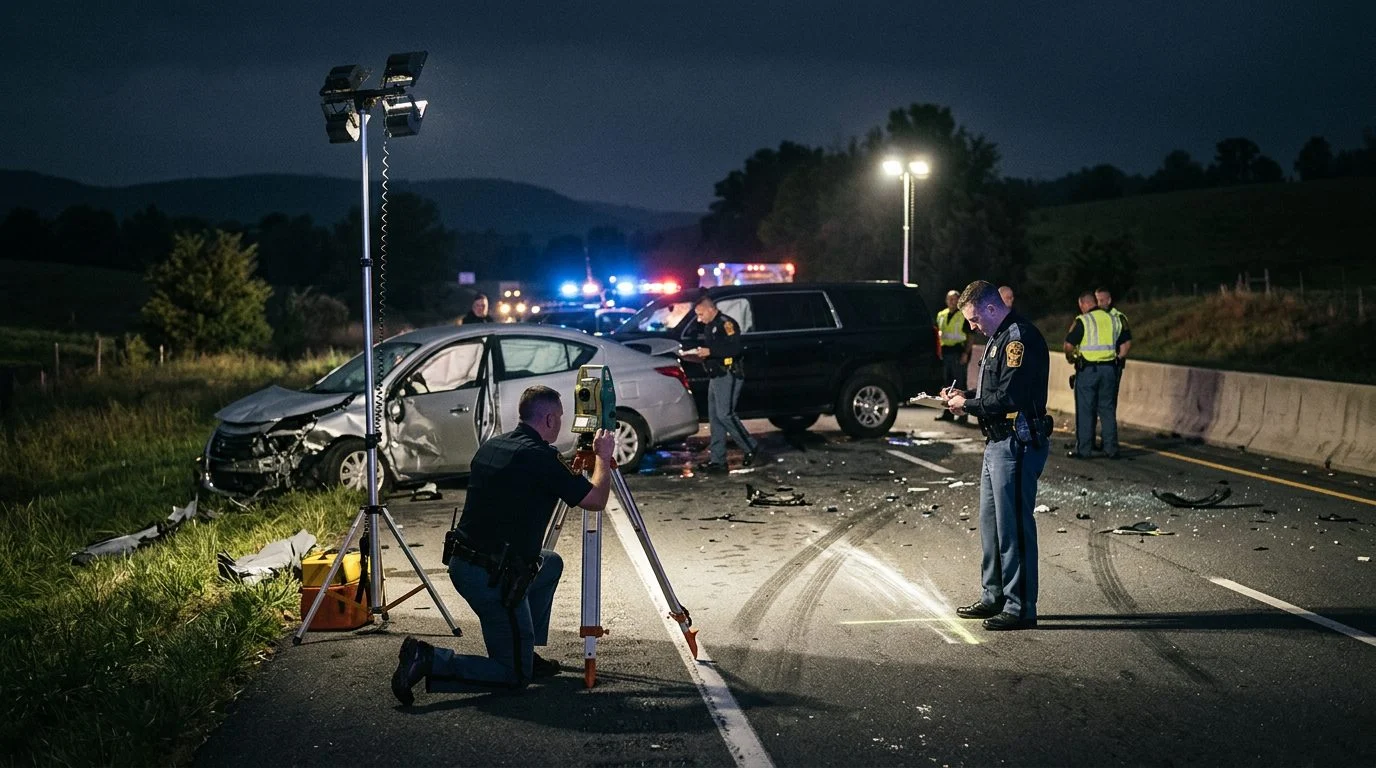
After a truck crash, timing matters for records too. Federal rules require a motor carrier to keep driver records of duty status and supporting documents for not less than 6 months from the date of receipt (49 C.F.R. § 395.8). Early requests help preserve that proof.
Who May Be Responsible in a Fracture Case
Responsibility may rest with another driver, a commercial truck driver, or a company that owned or operated the vehicle. The facts decide which parties are involved.
For example, in a hypothetical crash, a driver runs a red light and breaks the other driver’s wrist. The police report, scene photos, and medical records would help show how the injury happened.
Trucks and buses often involve more records, such as driver logs, maintenance files, and company policies. The firm handles truck accident claims and works through those records as part of the case.
Passengers can have claims too. A passenger hurt in a crash may have a claim tied to the driver’s conduct. For passenger details, see passenger injuries in Virginia car accidents.
Insurance coverage can change how a claim is organized, too.
Virginia Fault Rules and Filing Deadlines
Virginia follows contributory negligence: if you are found even partly at fault, you may be barred from recovering, with limited exceptions. Talk to a lawyer about your facts.
Virginia generally allows two years from the date of injury to file a personal injury lawsuit (Va. Code § 8.01-243(A)); the clock runs from the date of injury, not the date of discovery, with narrow exceptions. You can read the statute at Va. Code § 8.01-243.
Some claims carry notice requirements that run out sooner. A claim against a county, city, or town for negligence is forever barred unless a written statement of the claim, including the time and place the injury occurred, is filed within six months after it accrues (Va. Code § 15.2-209). A missing statement does not bar the claim if the locality’s attorney, chief executive, or mayor, or any insurer or entity providing coverage or indemnification of the claim, had actual knowledge of the claim, including its nature and the time and place the injury occurred, within those same six months. The statute calls these notice rules mandatory and strictly construed.
How a Fracture Claim Typically Moves Forward
A fracture claim usually moves through a few stages: investigation, talks with insurers, and, if needed, a lawsuit.
- Investigation: gathering medical records, bills, the police report, and scene evidence.
- Trucking records: requesting logs, maintenance files, and company policies when a commercial vehicle is involved.
- Insurer talks: communicating with insurers for the injured person and assessing losses as the medical picture develops.
- Resolution or suit: negotiation may resolve the claim. If a suit is needed, it moves through court procedures.
Each stage can take a different amount of time, based on medical care and the facts of the crash. The firm explains each step in plain terms, so you understand decisions before they are made.
Why Injured People Bring These Cases to the Firm
The firm handles car accidents, truck and commercial vehicle accidents, catastrophic injuries, traumatic brain injury, spinal cord injury, and wrongful death. Its offices are in Winchester and Harrisonburg. It works with people from across the Shenandoah Valley, including the northern part of the valley, Richmond, and Henrico County.
Handling a crash claim means working through records, insurer communication, and court steps. The firm focuses on that work for people who were hurt. No outcome can be promised, because each claim turns on its own facts.
Not sure what your next step is?
Talk it through with Correll Law Firm — we can walk you through how a situation like yours is usually handled and what your options are.
Frequently Asked Questions
Do I need a lawyer after a car accident in Virginia?
You may wish to talk with a lawyer about your facts, especially after a fracture, surgery, or a truck crash.
Can I talk to the other driver’s insurance company myself?
You can, but what you say may be used in the claim. Review any statement carefully before you give it.
Does a broken bone mean I have a claim?
Not automatically. Fault, the crash facts, and medical records all matter.
What injuries are part of a crash claim?
Fractures, soft tissue injuries, head injuries, and internal injuries can all be part of a crash claim.
Does the firm handle truck crash fractures?
Yes. The firm handles truck and commercial vehicle accidents, and those cases often involve more records.