
Traumatic Brain Injury | Winchester, Virginia
When a CT Scan Looks Normal, a Brain Injury May Still Be There
A plain-language guide to what imaging can and cannot show after a head injury, and why ongoing symptoms still matter.
Published November 8, 2026
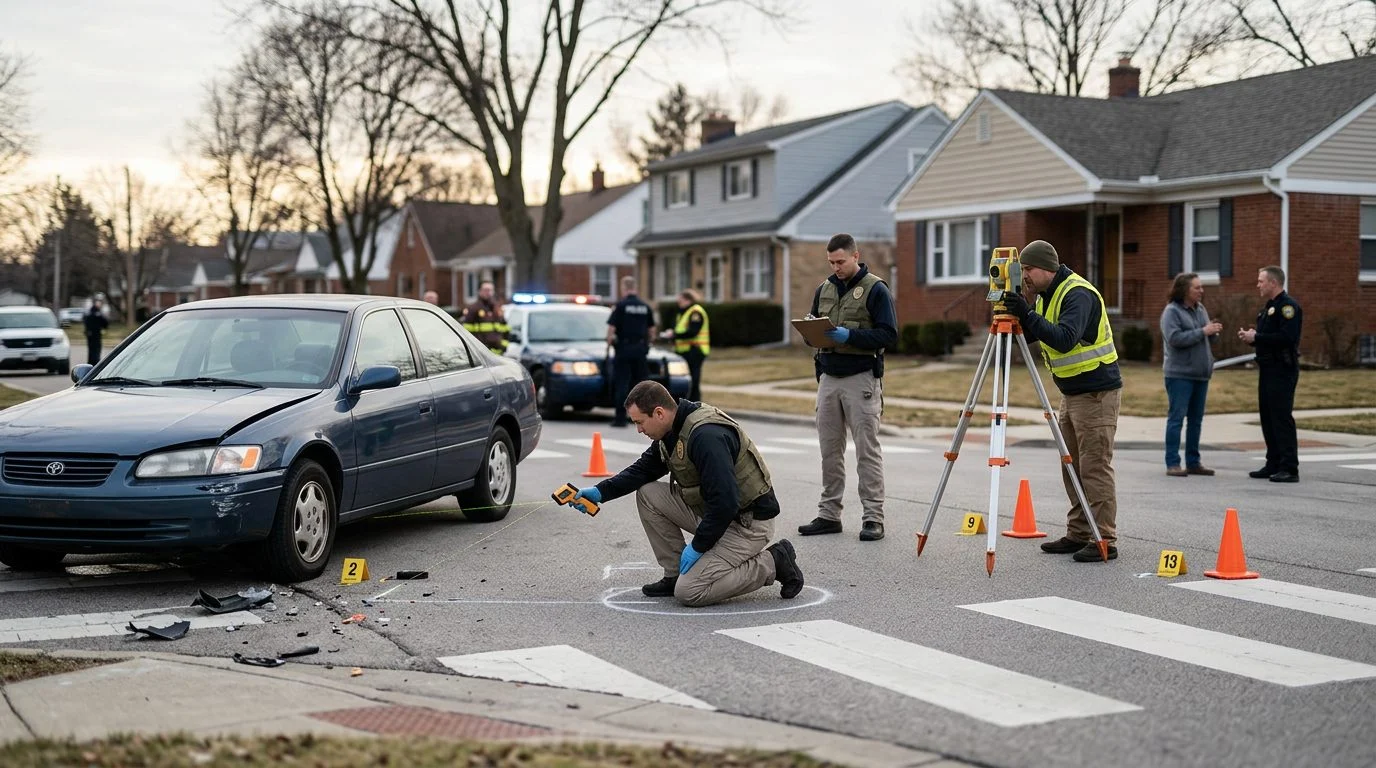
If you were hurt in a crash and a head scan came back normal, you may still wonder what it means. Can a CT scan show a traumatic brain injury? Sometimes it can. A CT scan can show bleeding, skull fractures, and swelling, but it does not show every brain injury.
This page explains what CT and MRI scans are generally used to find and which symptoms need emergency care.
What Imaging Can and Cannot Show
Imaging can show some traumatic brain injuries, but neither a CT scan nor an MRI shows every one. Imaging is one part of diagnosis. Doctors also look at symptoms, the physical and neurological exam, and how the person changes over the days and weeks after the injury. A scan is a single snapshot, while symptoms unfold over time.
Many people assume a brain injury means the skull was broken. That is not always the case. The NIH traumatic brain injury overview explains that car crashes can cause non-penetrating traumatic brain injury, which means the skull is not broken open. The CDC traumatic brain injury facts page notes that motor vehicle crashes are a common cause of TBI.
For a general overview of traumatic brain injury after a crash, read traumatic brain injury after a crash.
If you or a family member still have symptoms after a crash, you don't have to face the questions alone, and the firm is ready to talk through your situation. Talk it through with Correll Law Firm — we can walk you through how a situation like yours is usually handled and what your options are.
What a CT Scan Is Usually Used For
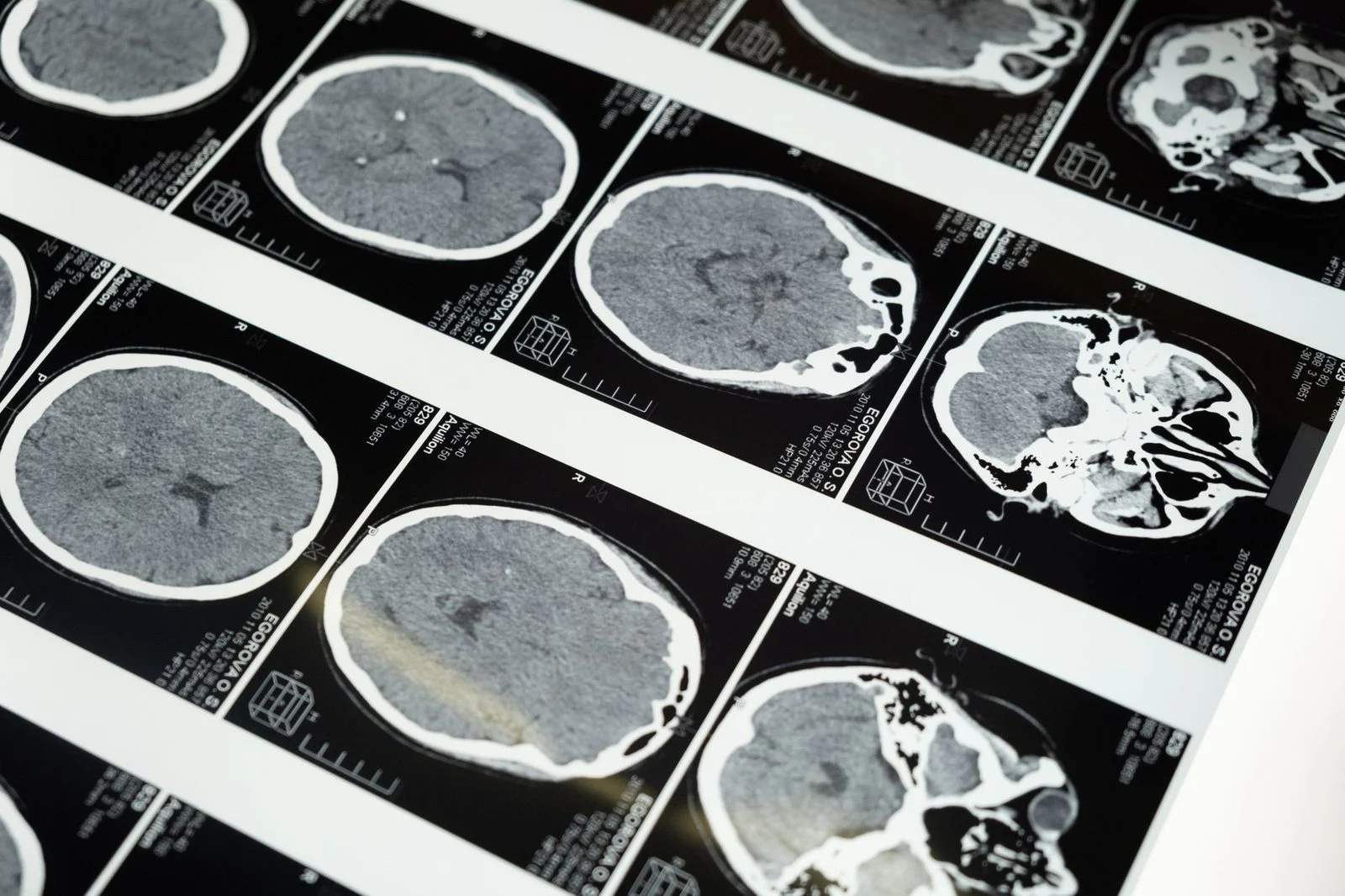
A CT scan is an imaging test that takes detailed cross-sectional pictures of the brain and skull. It is generally used to look for structural changes. Those include bleeding inside or around the brain, skull fractures, and some signs of brain swelling or shifting.
Because a CT scan is quick, it is often used when someone arrives with a possible head injury. Speed matters when bleeding is a concern. The scan gives the care team a fast look at the skull and brain, so next steps can be decided sooner. In practice, a scan is often one of several checks done during the same visit.
A CT scan has limits, though. It is built to show structure, so changes in how the brain works may not appear on it. Keep a copy of the written imaging report. It records what was seen on that date, which can matter when doctors compare results later.
What an MRI Can Add
An MRI shows soft tissue in more detail than a CT scan. It uses magnets and radio waves rather than X-rays, which is why it can reveal certain injuries a CT may miss.
Doctors may order an MRI after an initial CT, or later in recovery when symptoms persist. Findings depend on the type of injury and the timing of the scan. A scan taken early may look different from one taken days or weeks later.
An MRI does not replace the clinical exam or the symptom history. Results are read alongside them, and a doctor decides what the findings mean for each person. Some people wait weeks for a follow-up scan and assume nothing is wrong in the meantime. Ask the treating clinician what follow-up is planned.
Why a Normal Scan Does Not Rule Out a Brain Injury
A normal scan does not mean the brain was unhurt. Some brain damage affects how the brain works rather than its shape, and imaging may not detect it. The NIH traumatic brain injury overview notes that some functional brain damage may not be detected by imaging tests such as a CT scan.
Symptoms can be real even when imaging looks normal. Common ones include headache, dizziness, confusion, trouble concentrating, memory problems, sleep changes, and mood changes. The Virginia Department of Education traumatic brain injury overview lists cognitive, behavioral, psychosocial, sensory, motor, physical, and speech impairments as possible effects. That guidance is written for school special-education eligibility, but it shows how wide the effects can be. A brain injury can change mood even when a scan looks clean.
A clinician weighs these symptoms alongside the scan. Symptoms may change, ease, or persist over days, weeks, or longer. A common mistake is assuming a normal scan means the injury was minor, or leaving out symptoms that appear later. Describing each change to a clinician in plain words helps.
Warning Signs That Need Emergency Care
Some symptoms after a head injury need emergency care right away. Watch for a worsening headache, repeated vomiting, a seizure, extreme drowsiness or inability to wake up, confusion that grows worse, slurred speech, weakness or numbness, and unequal pupil size.
If any of these appear, call 911 or go to the nearest emergency department right away. Don’t wait to see whether they pass. A scan done earlier does not cover symptoms that start later.
Some people seem fine at first and develop symptoms later. That is one reason follow-up care matters, even after a normal emergency scan and a normal discharge. Tell the people caring for you exactly what happened in the crash, including whether your head struck anything.
Imaging Results and Documenting a Brain Injury
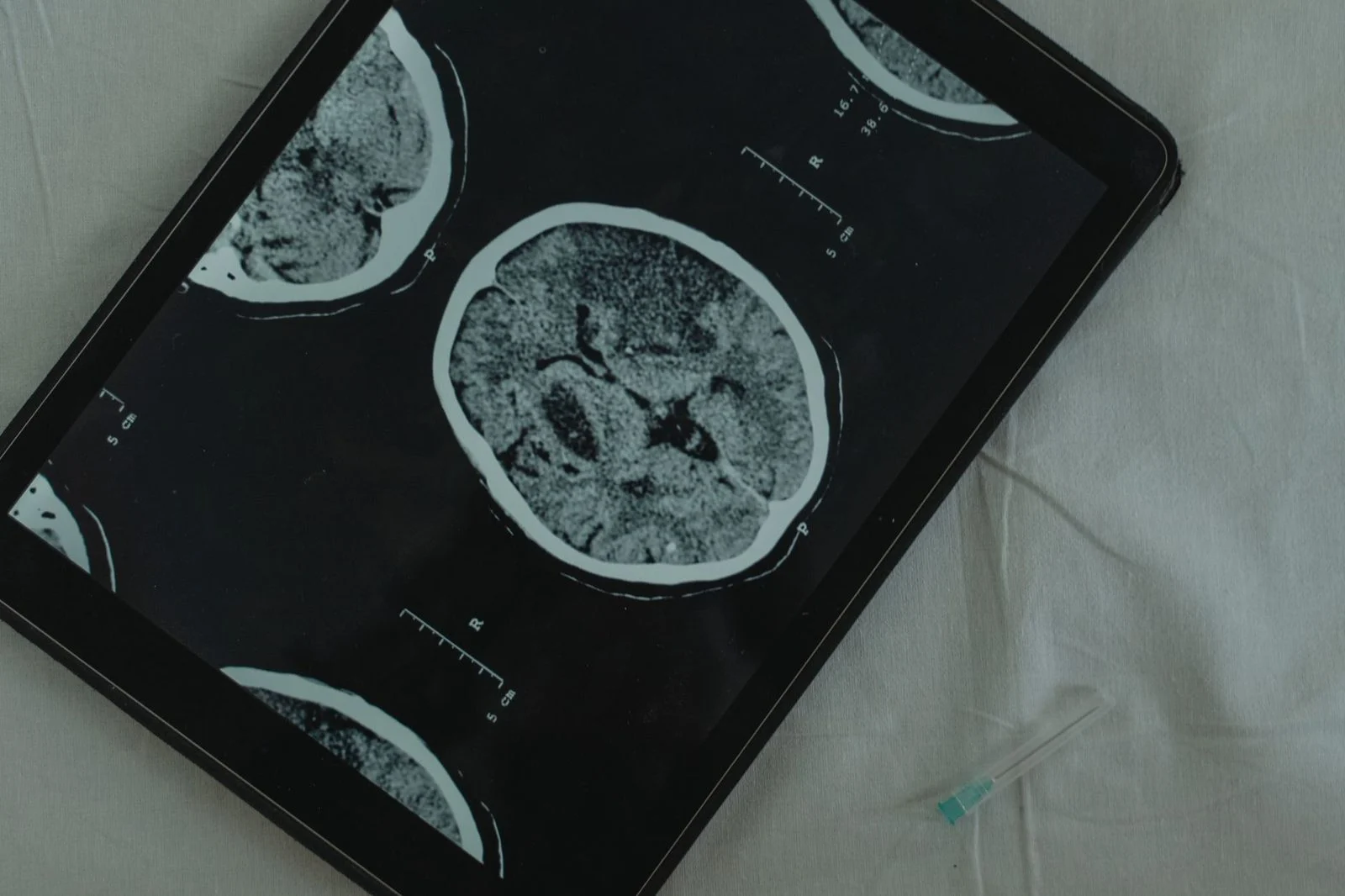
Imaging reports, emergency department records, and follow-up notes together show how an injury was evaluated and treated over time. Each record adds a piece. One scan alone rarely tells the full story. Keep copies of discharge papers, imaging reports, and notes from later visits in one folder.
A brain injury can happen without the head striking anything. When the head moves rapidly in a crash, the brain can be injured inside the skull. To read more, see brain injury without a head impact.
Timing matters too. Virginia generally allows two years from the date of injury to file a personal injury lawsuit (Va. Code § 8.01-243(A)); the clock runs from the date of injury, not the date of discovery, with narrow exceptions.
Scans are useful tools. A normal result is not the final word on brain health, and symptoms deserve medical attention.
Can a normal CT scan mean there was no brain injury?
Not always. Some brain damage may not be detected by imaging tests such as a CT scan, according to the NIH traumatic brain injury overview.
Can an MRI detect a brain injury?
An MRI can show some injuries that a CT scan may not. A normal MRI does not settle the question alone.
How long after a car accident can brain injury symptoms appear?
Symptoms can start right away or appear later. Track any changes and tell a clinician about them.