
Brain Injury | Car Accidents | Winchester, Virginia
Can I Drive After a Brain Injury From a Car Accident?
Driving after a head injury depends on medical advice, your recovery, and the safety of everyone on the road. Here is what to consider.
Published November 2, 2026
Can I drive after a brain injury from a car accident? Often not right away, and the answer should come from a treating doctor. A brain injury can change the skills driving depends on, even when a person feels fine. This guide explains how those changes happen, what warning signs to watch for, and how to raise the question at a medical visit.
Why the answer depends on the injury
The answer depends on the injury. Brain injuries differ in severity and in which brain functions they affect, so no single answer fits every driver. Virginia’s Brain Injury Services page explains that motor vehicle accidents can cause traumatic brain injury (Brain Injury Association of America). It describes a brain injury as damage or changes in brain function caused by an external force.
Two people hurt in similar crashes can recover at very different speeds (FloridaHealthFinder). One may feel better within weeks, while another has symptoms that last much longer. Neither person’s feeling can settle the driving question alone.
A brain injury diagnosis must be made by a doctor. That same doctor is the right person to judge driving, because they know the diagnosis, symptoms, medications and recovery progress. A driver’s own sense of being fine can miss changes in attention and judgment that others notice. For a wider overview of these injuries after car and truck crashes, read the firm’s traumatic brain injury overview.
Not sure what your next step is?
Talk it through with Correll Law Firm — we can walk you through how a situation like yours is usually handled and what your options are.

Skills driving depends on
Driving uses several skills at once. A driver needs attention, quick reaction time, sound judgment, working memory, good vision, and the ability to handle many things at the same time. A brain injury can weaken any of these skills.
The change is often hard to see from the inside. A driver may still know the route but miss a turn signal, or be slow to notice a car pulling out. Consider a hypothetical driver who feels fine at home but struggles in heavy merging traffic. The problem only shows up when the demands of the road grow.
Fatigue, headaches and mood changes can make a drive harder too. A tired or hurting driver has less attention left for the road. These symptoms can rise and fall during the day, so a short drive that felt fine earlier may feel different later.
Warning signs that driving should wait
Driving should wait when a driver shows new trouble with attention, judgment or handling the road. These signs deserve a prompt call to the treating doctor:
- Getting lost on familiar routes.
- Missing traffic signals, signs or lane markings.
- Drifting between lanes or braking late.
- Trouble tracking other vehicles, pedestrians or sudden changes on the road.
- Headaches, dizziness or fatigue that start or get worse while driving.
- Comments from family members or passengers about changes in attention or driving habits.
One sign does not prove a driver is unsafe, but it is worth reporting. Family members often notice first, because they ride along and see patterns the driver misses. Keep simple notes on what you see, when it happens and how long it lasts.
How to raise driving with a doctor
Bring the driving question to the doctor early, with specific examples. Clear notes help the doctor give clear advice.
Bring a written list that includes:
- Current symptoms and when they happen.
- All medications, including over-the-counter ones.
- Changes that family members have noticed.
Ask these questions at the visit:
- Is a formal driving evaluation appropriate? Some doctors refer patients to an occupational therapist trained in driving rehabilitation.
- What restrictions apply now, such as no driving or no night driving?
- What needs to improve before driving resumes, and when will you re-check?
- Can you note the driving advice in my medical record so the instructions are clear?
What to do if you were in a crash and must report it
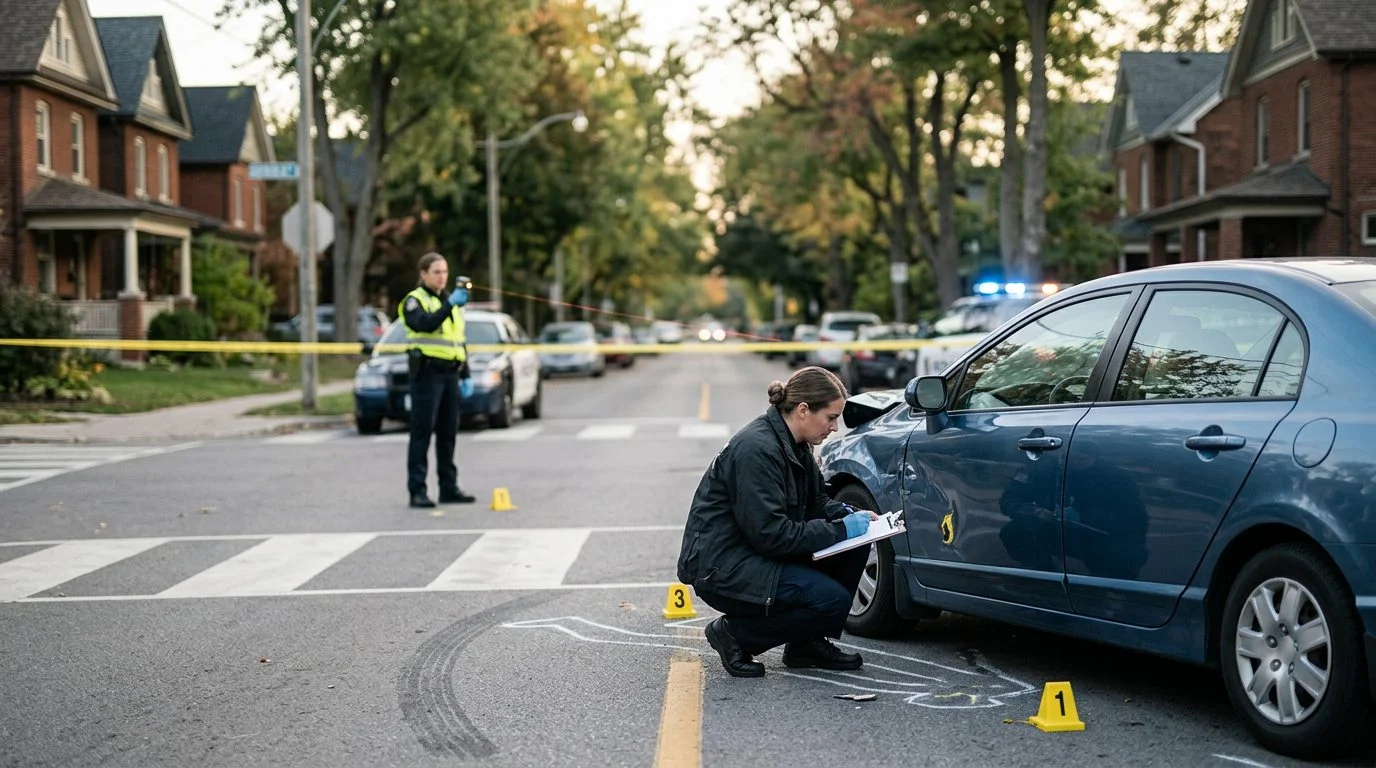
Any driver involved in a crash in which someone is killed or injured should stop and immediately report their name, address, driver’s license number, and vehicle registration number to State Police or local law enforcement. Virginia requires a driver involved in a crash with injury or death to stop and report it to police immediately (Va. Code §§ 46.2-371, 46.2-894).
Keep records after a crash. Save the police report information, medical visit notes, and any driving restrictions your doctor gives. Write down symptoms as they appear, and do not wait for them to fade before you note them.
Planning ahead while recovery continues
Plan rides, errands and appointments while driving restrictions are in place. Ask family members or friends to cover the early weeks, and set a backup plan for medical visits. Recovery can take longer than people expect, so plan for that.
Virginia generally allows two years from the date of injury to file a personal injury lawsuit (Va. Code § 8.01-243(A)); the clock runs from the date of injury, not the date of discovery, with narrow exceptions. That two-year period is a lawsuit deadline, not a crash reporting deadline. Some claims have different deadlines: the two-year period applies unless this section or another statute provides otherwise, so timing matters early.
Share this page with a family member who helps with transportation decisions. They may be the first person to see a change.
Common questions
Can a doctor decide when I can drive again?
A treating doctor can give driving advice based on the diagnosis and recovery progress.
Can family members raise driving concerns?
Yes. Family members can share what they have noticed with the treating doctor.