
Car Accidents | Winchester, Harrisonburg and the Shenandoah Valley
A Parking Lot Crash and Your Deductible: What Virginia Drivers Should Know
Low-speed crashes in shopping center lots can still leave you with repair bills, rental questions and a claim to sort out. Here is how to think through the cost side of it.
Published November 15, 2026
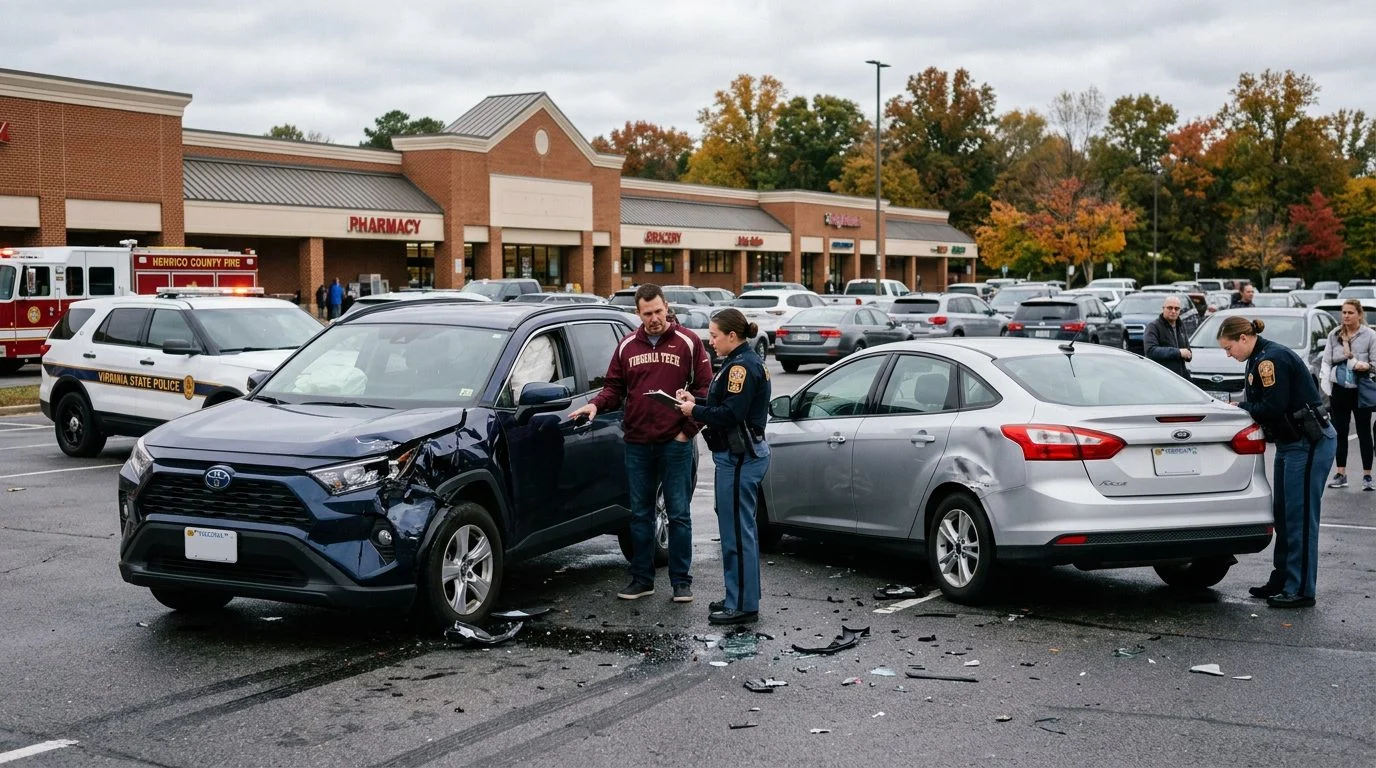
Your car is parked, you come back, and the bumper is crushed. Or you are backing out and another car clips you. Either way, one question comes up fast: will you have to pay a deductible?
Usually, yes, if your own collision coverage pays for the repair. Whether a deductible applies depends on the facts, including which coverage is used and who caused the damage. This guide explains how that works in Virginia and what to do at the scene.
Do you pay the deductible before or after the car is fixed?
A deductible is the amount you pay out of pocket before a coverage pays the rest of a repair bill. The timing depends on your policy and your insurer’s claim process. In one common setup, the insurer pays the repair shop after subtracting your deductible, so you pay the shop your share when you pick up the car. In another, you pay the shop the full bill, and the insurer later reimburses the amount above your deductible.
Your declarations page lists the deductible for each coverage on your policy. Check it first. The policy language controls, so ask your insurer which payment method applies to your claim before you assume anything.
Not sure what your next step is?
Talk it through with Correll Law Firm — we can walk you through how a situation like yours is usually handled and what your options are.
Which coverage pays for what after a parking lot crash?
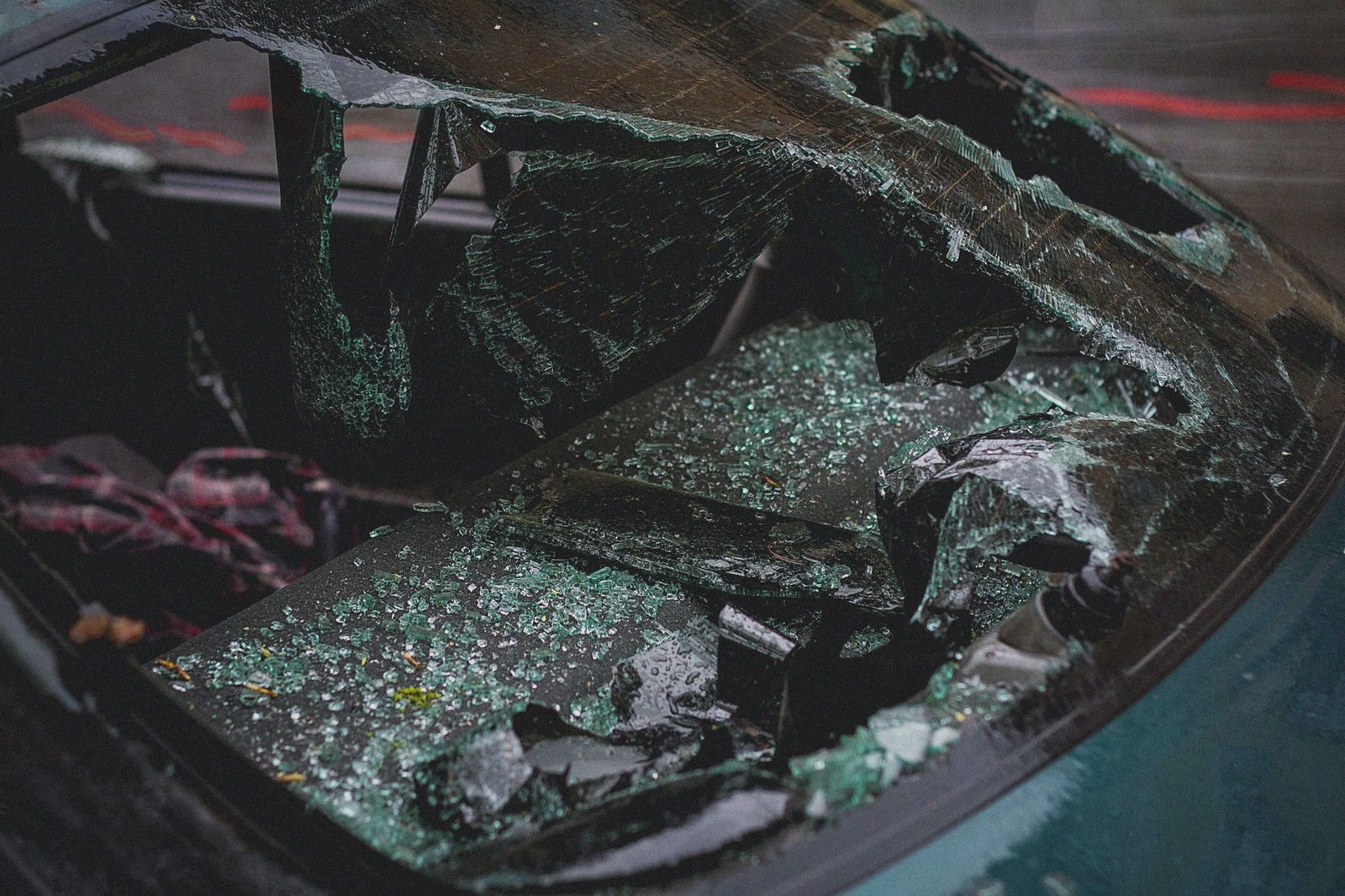
Collision coverage on your own car usually pays for damage from a crash, subject to your deductible. It generally applies no matter who was at fault. That is why many drivers start with their own policy, even when another driver caused the damage.
Comprehensive coverage may apply to damage that does not come from a collision, such as a falling branch, hail, or vandalism. It typically carries its own deductible, which may differ from your collision deductible.
Liability coverage works differently. It pays for damage the at-fault driver caused, and the claim goes through that driver’s insurer. Virginia sets minimum liability limits for motor vehicle owner’s policies, as stated in Va. Code § 46.2-472. In some claims where another driver’s liability coverage pays, a policyholder may be reimbursed for a deductible. Whether that happens depends on the insurer and the policy.
What should I do if someone damaged my car while I was parked?
If the driver who hit your parked car drove away, your own coverage is often the main path to repairs. Collision coverage may pay, subject to your deductible. If the other driver is uninsured or cannot be found, uninsured motorist coverage may apply. Virginia law generally requires auto liability policies to include uninsured motorist coverage, under Va. Code § 38.2-2206.
Look for anything that can identify the other driver. A note left on your windshield, a security camera across the lot, or a witness who saw the vehicle can all help. Report the damage to the police and ask for a report, so the damage and the circumstances are on record.
The damage is then paid under your own coverage, and your insurer applies the deductible as your policy describes.
Steps at the lot that help protect your claim
The most useful steps happen before you leave the lot. Photograph both vehicles from several angles. Include the parking space lines, any signs, and the area around the crash. If your phone shows the date and time, keep those in the photos.
Exchange names, phone numbers, insurance companies, and policy numbers with the other driver. Write down the license plate and a short description of that vehicle. Gather the names of any witnesses, too.
Ask nearby businesses whether they have security video. Footage is often kept for a limited time, so ask soon. Finally, write a short, factual account while the details are fresh. Include the time, where in the lot each car was parked or moving, and which direction each car was moving. Keep it to what you saw.
What not to tell your insurance company
Give your insurer the facts you observed. Avoid guessing about speed, distance, or who was at fault, because a guess can become part of the record. Do not describe your injuries as minor, and do not say you are fine until you know the full extent of any symptoms.
Read any release or settlement form carefully before you sign it. A signed release can end your claim, even if more damage or injury shows up later. Keep copies of every letter, estimate, and receipt you receive.
If you are asked for a recorded statement, you may wish to talk with a lawyer about the facts before giving one. A short, calm answer about what you saw is usually easier to stand by later than a long answer given under pressure.
If you were hurt in a parking lot crash
Get medical care promptly, even if the injury seems small. Some injuries, including head injuries, do not show symptoms right away. A medical record made early also helps link later symptoms to the crash.
The reporting rule below applies to crashes with injury or death. Virginia requires a driver involved in a crash with injury or death to stop and report it to police immediately (Va. Code §§ 46.2-371, 46.2-894).
The time limit for filing a lawsuit is set in Va. Code § 8.01-243. Virginia generally allows two years from the date of injury to file a personal injury lawsuit (Va. Code § 8.01-243(A)); the clock runs from the date of injury, not the date of discovery, with narrow exceptions.
Not sure what your next step is?
Talk it through with Correll Law Firm — we can walk you through how a situation like yours is usually handled and what your options are.
What happens after a crash that was not your fault
When another driver is clearly responsible, the claim usually goes to that driver’s liability insurer. You may use your own collision coverage while that claim is handled.
Virginia follows contributory negligence: if you are found even partly at fault, you may be barred from recovering, with limited exceptions. Talk to a lawyer about your facts.
Fault in a parking lot can be disputed, so photos, witness statements, and video matter most when responsibility is unclear.
The firm handles car accident and truck accident matters for people in the Shenandoah Valley, Richmond, and Henrico County. The firm has offices in Winchester and Harrisonburg. Serious brain injuries from crashes are also among the matters the firm handles.
Will I still pay a deductible if the other driver is at fault?
You may still pay it up front under your collision coverage. Whether the insurer later reimburses it depends on the insurer and the policy.
Does comprehensive coverage pay for a falling branch?
It may. Comprehensive coverage can apply to damage that is not from a collision, and it typically has its own deductible.