

Traumatic Brain Injury | Virginia
How Long a Traumatic Brain Injury Case Takes in Virginia
A plain-language guide to the stages of a brain injury claim and why each case moves at its own pace.
Published November 7, 2026
How long does a traumatic brain injury personal injury case take to resolve? There is no single answer. The timeline follows the injured person’s medical course, the investigation, insurance talks and, if needed, court scheduling. Each stage can move faster or slower, depending on the facts.
Why a Traumatic Brain Injury Case Has No Single Timeline
A brain injury case has no fixed length. The full picture of a brain injury often isn’t clear for weeks or months after a crash. The legal process tends to move at the pace of the medical picture.
Most of these cases move through four stages, in order. They are medical treatment, investigation, insurance negotiation and, if the claim doesn’t resolve, a lawsuit with court scheduling. The stages can overlap. Still, the early stages often set the pace for the rest.
Mild and severe injuries follow different paths. A concussion may improve over weeks with rest and follow-up care. A severe injury may need long-term treatment before doctors can describe what to expect. The facts of each crash also shape timing. A crash with clear fault and one driver may move differently than a crash with several parties and disputed facts.
This page explains the stages and the factors that move them. It does not promise a length of time for any claim, including yours.
If a brain injury has changed your life or a loved one's, you may have a claim, and you do not have to face the process alone. Talk it through with Correll Law Firm — we can walk you through how a situation like yours is usually handled and what your options are.
Medical Treatment and Recovery Come First
Most brain injury claims wait until the injured person’s condition is stable enough for doctors to describe the outlook. Doctors also need to explain future care needs and lasting effects.
Symptoms don’t always show up right away. A published case report on delayed-onset post-traumatic headache after a motor vehicle collision notes that symptoms may develop or worsen after a crash. The same report says a clinical exam alone may not be enough. That is one reason early and steady follow-up care matters.
Imaging, neurological testing and visits with brain injury doctors create the medical record a claim relies on. Insurers often look closely at gaps in treatment. A long break between appointments can give an insurer a reason to question how serious the injury was. Keeping appointments and reporting new symptoms promptly helps the record.
Recovery varies widely from person to person. Some people improve within months. Others have symptoms that last much longer. The medical timeline can run long even when the legal side of the claim is simple.
Investigation, Crash Reporting and Evidence Gathering
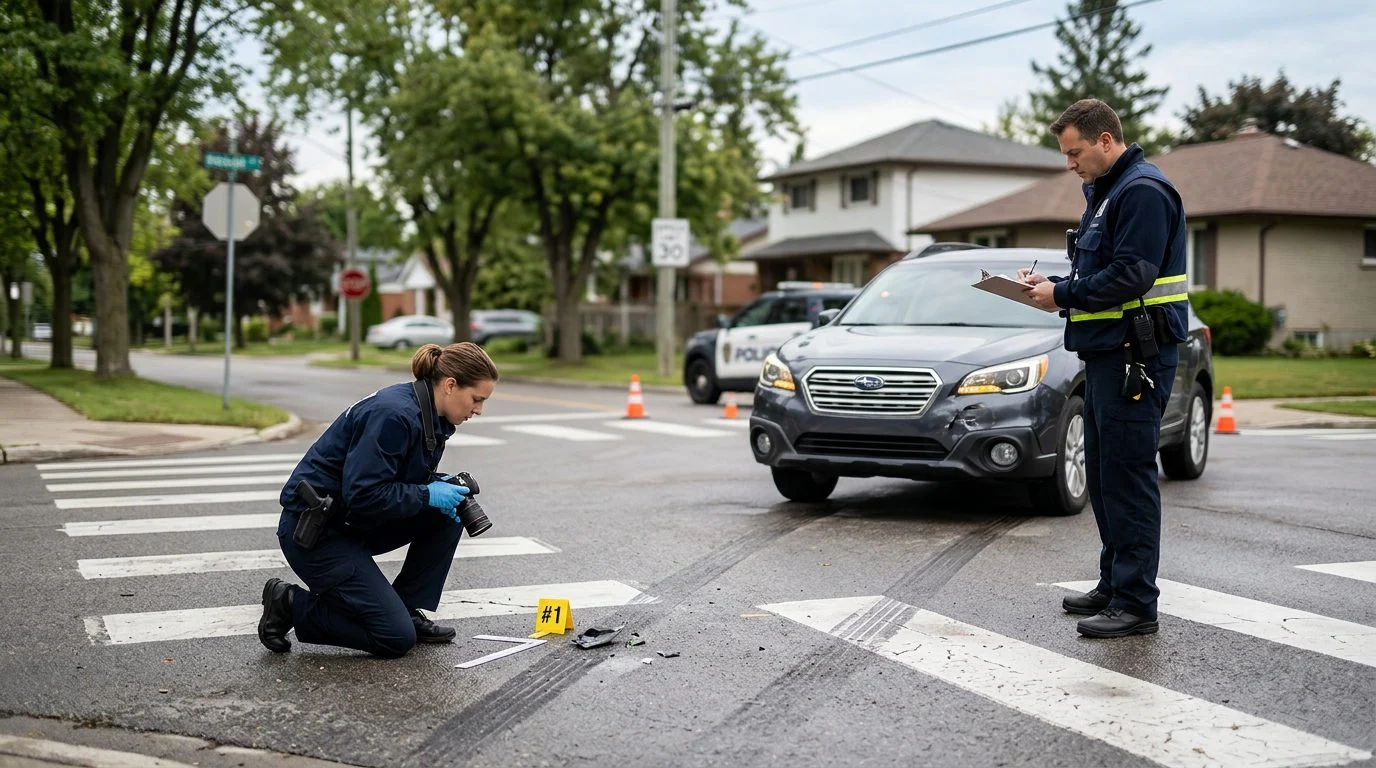
Investigation time depends on how quickly evidence can be gathered and reviewed. Virginia requires a driver involved in a crash with injury or death to stop and report it to police immediately (Va. Code §§ 46.2-371, 46.2-894). The two-year period discussed below is the deadline to file a lawsuit, not a deadline to report a crash (Va. Code § 8.01-243).
In a car crash, evidence often includes the police report, photographs, witness statements and vehicle data. Truck cases usually need more. Federal rules require a motor carrier to make each covered driver record duty status for each 24-hour period. The carrier must keep those records for at least six months from the date of receipt (49 C.F.R. § 395.8).
Federal rules also require motor carriers to inspect, repair and maintain their vehicles. Maintenance records must be kept for one year, and for six months after the vehicle leaves the carrier’s control (49 C.F.R. § 396.3).
Truck cases often take longer because more parties and records are involved. The driver, the carrier and others may each hold different parts of the file. Each request for records adds time. A person may also wish to keep a personal journal of symptoms, appointments and work limits. These details support the medical and economic record.
Insurance Negotiations and Why They Can Take Months
Insurance talks usually begin once the claim file includes medical records and bills. Insurers typically want that record before they discuss value. Asking for more records adds time.
A claim can slow down in several ways. Fault may be disputed. An insurer may request an independent medical examination. The injured person’s condition may still be changing, which makes the full cost of the injury hard to know.
An early offer may arrive before the full extent of a brain injury is known. A person may decline an offer like that. Before signing any release, a person may wish to have the claim reviewed. A signed release can close the claim for good.
Many brain injury claims resolve through negotiation without a lawsuit. Negotiation has no set length. It often moves faster once the medical picture is clear.
The Two-Year Filing Deadline in Virginia
Virginia generally allows two years from the date of injury to file a personal injury lawsuit (Va. Code § 8.01-243(A)); the clock runs from the date of injury, not the date of discovery, with narrow exceptions.
A brain injury may not be diagnosed right away. The two-year period still generally runs from the date the cause of action accrues (Va. Code § 8.01-243). The clock does not wait for treatment to end. A person may wish to speak with a lawyer early, while the facts are fresh.
Some claims carry notice requirements that run out sooner than two years. Criminal cases can also affect timing. Under Va. Code § 8.01-229, the time a criminal prosecution arising from the same facts is pending generally is not counted toward the filing period; after it ends, the civil action may be brought within the remaining period of the statute or within one year, whichever is longer.
When a Case Goes to Court
If negotiations don’t resolve the claim, a lawsuit is filed. The case then moves through pleadings, discovery, depositions and pretrial motions.
Discovery is often the longest stage. The parties exchange records and answer written questions. They also give depositions, which are sworn statements taken outside the courtroom. Medical providers may be deposed too. Gathering and reviewing this material can take many months.
Court calendars and the number of parties also set the pace. A case with several defendants or several medical providers often has more records to exchange. Testimony from outside medical and crash reconstruction witnesses also takes time to prepare.
Many cases settle during or after discovery and before trial. A trial date on the calendar does not by itself mean the case will be tried. Plans can change as the facts become clearer.
Not sure what your next step is?
Talk it through with Correll Law Firm — we can walk you through how a situation like yours is usually handled and what your options are.
When a Brain Injury Leads to a Wrongful Death Claim
A Virginia wrongful death action is filed by the decedent’s personal representative within two years of the death (Va. Code §§ 8.01-50(C), 8.01-244(B)), on behalf of the family members the statute protects.
Family members don’t file the case themselves. That is why the personal representative plays a central role.
Virginia wrongful death damages cover the family’s sorrow, mental anguish and loss of the decedent’s companionship, guidance and care; lost income and services; medical expenses from the injury; funeral expenses; and, for willful or wanton conduct, punitive damages (Va. Code § 8.01-52).
The timeline can also depend on the time between the injury and the death. Medical records gathered before death shape how the injury is documented. Those records often become central to the claim.
Common Questions About Brain Injury Symptoms and Timing
After a head injury, seek prompt medical evaluation. Follow discharge instructions. Report every symptom, and keep a list of medications and appointments. These steps protect both health and the record.
Concussion symptoms can appear hours or days after a crash. People often describe headaches, memory trouble, sleep changes and mood shifts. Some report irritability or changes in behavior. These changes are worth reporting to a doctor, since they affect the medical record.
How long after a head injury do symptoms start?
Symptoms can begin within hours or days, and some develop or worsen later. Report any new or worsening symptom to a doctor promptly.
Can a concussion cause personality changes?
Some people report mood, irritability or behavior changes after a concussion. A doctor can evaluate those changes and record them.
Does a wrongful death claim have a filing deadline in Virginia?
Yes.
Do I have to report a crash to police in Virginia?
Yes.
Long-Term Support and Recovery Resources in Virginia
Recovery can continue long after a case ends. Virginia offers brain injury support services. The state’s Department for Aging and Rehabilitative Services describes community-based, ongoing brain injury support. These include resource coordination, structured daytime programs and case management.
These services are separate from a legal claim. Knowing what support exists can help a family plan care while a claim is pending. Families across Virginia may find these services useful as they plan.
The timeline of a brain injury case is shaped by the medical course, the evidence and the rules that apply to each claim.