
Traumatic Brain Injury | Virginia
Bus Crash Brain Injuries Can Change Everything. Get Clear Answers.
Correll Law Firm focuses on people hurt in bus, van and commercial vehicle crashes, including serious brain injuries, from Winchester and Harrisonburg to the Shenandoah Valley, Richmond and Henrico County.
Published November 4, 2026
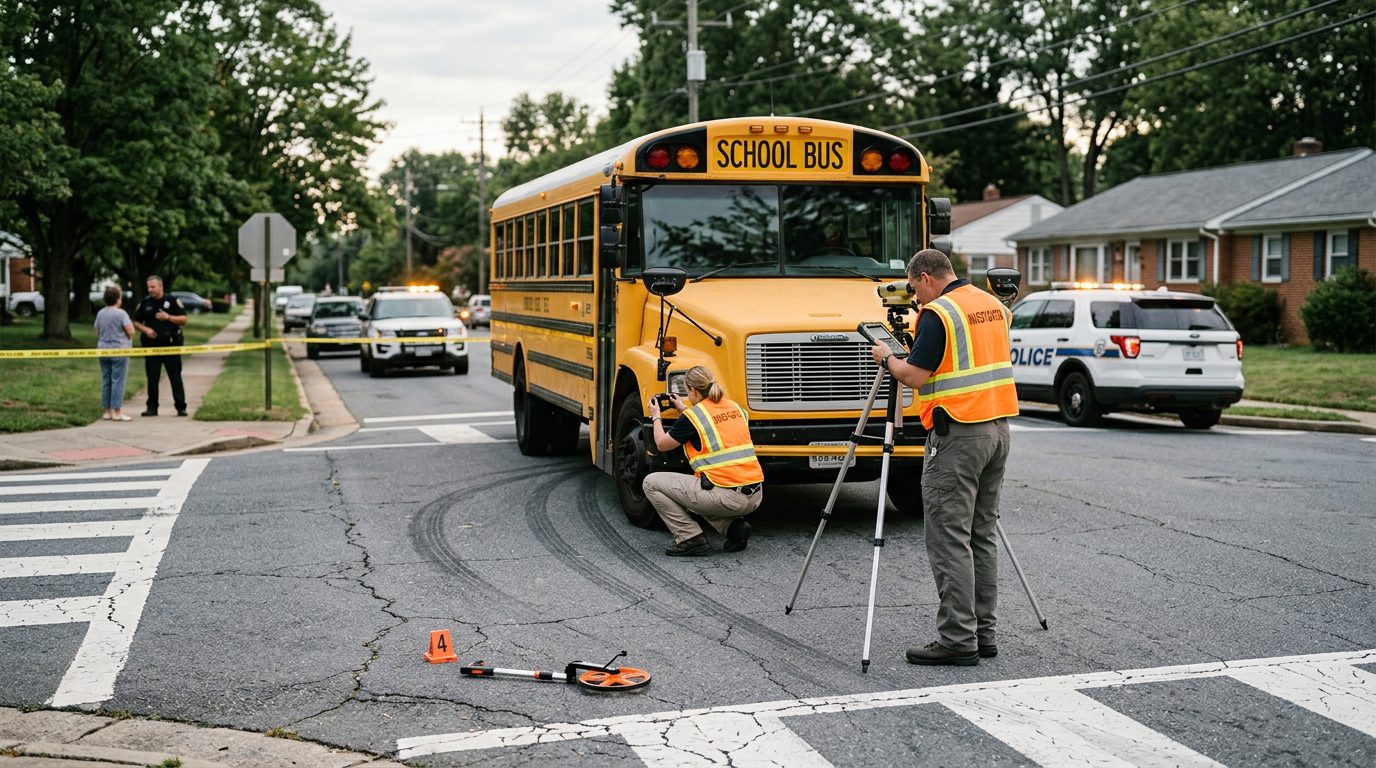
A brain injury from a bus or passenger van crash can change memory, mood, speech, balance and daily life. Some people feel the full effect only days later. This guide explains what these injuries involve, who may be responsible, what a Virginia claim may cover and the deadlines that matter. It is written for anyone with a brain injury from a bus or passenger van crash in Virginia, including families who lost someone in one of these crashes.
What a Brain Injury in a Bus or Passenger Van Crash Involves
A brain injury is damage to the brain, or a change in how it works, caused by an outside force. Virginia Brain Injury Services notes that motor vehicle accidents can cause this injury, and that a doctor makes the diagnosis.
Bus and passenger van crashes can involve high-energy impacts, rollovers and several occupants at once. A passenger’s head can strike a window, a seatback or the floor, depending on seat position and how the vehicle moves. The Administration for Community Living states that automobile crashes can cause traumatic brain injuries, which can involve severe brain damage.
Symptoms vary widely. A concussion may cause headache, confusion or dizziness. A more serious injury can cause lasting changes in memory, mood, speech, balance or daily function.
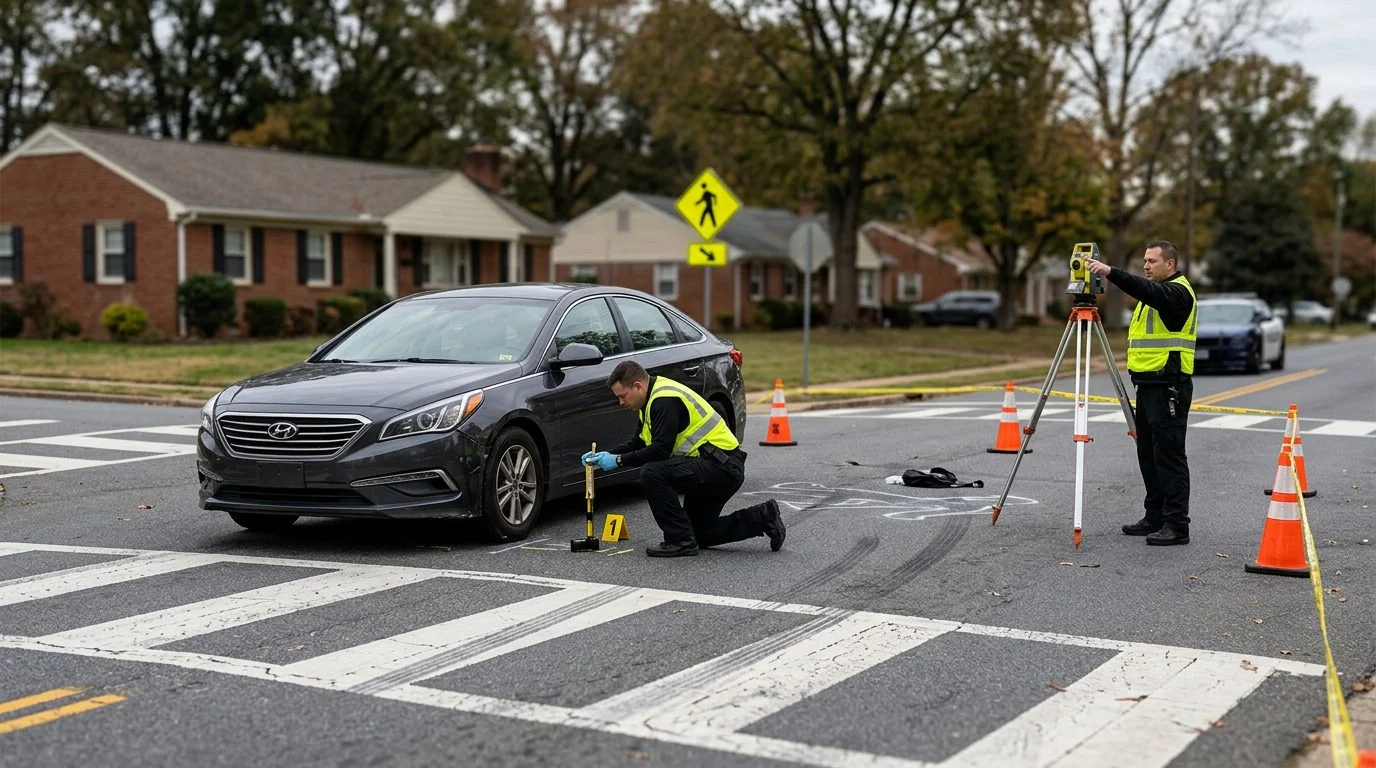
People outside the vehicle can be hurt too. Pedestrians and cyclists struck by a bus or van can suffer brain injuries.
If a brain injury followed a bus or van crash, you do not have to face the questions alone, and the firm is ready to talk through your situation. Talk it through with Correll Law Firm — we can walk you through how a situation like yours is usually handled and what your options are.

Who This Page Is For
This page is for people looking for a bus crash brain injury lawyer in Virginia after a crash, and for families who lost a loved one to one. It may fit:
- Passengers on charter coaches, tour buses, shuttles, church or group vans, and school buses.
- Drivers and pedestrians hurt in crashes involving these vehicles.
- Family members of someone who died after a brain injury in one of these crashes.
- Residents of Richmond, Henrico County, Winchester, Harrisonburg and the Shenandoah Valley, and other Virginia residents.
Whether a claim fits depends on the facts of the crash and the injury.
Who May Be Responsible in a Bus or Van Crash
More than one party may share responsibility, depending on the facts.
- The driver, and any other driver whose conduct contributed to the crash.
- The company that operates, leases or dispatches the vehicle, and the vehicle’s owner.
- Maintenance providers or equipment makers, if their work or product played a role.
With several parties, the paperwork grows quickly.
What a Claim May Cover
A claim may cover the losses a brain injury causes, and after a death, the losses a family suffers.
- Medical care, including emergency treatment, imaging, hospital stays, rehabilitation and follow-up visits.
- Lost income, and lost ability to earn when the injury affects work.
- Help at home, therapy, and equipment that treating providers recommend.
When a crash causes a death, Virginia wrongful death damages cover the family’s sorrow, mental anguish and loss of the decedent’s companionship, guidance and care; lost income and services; medical expenses from the injury; funeral expenses; and, for willful or wanton conduct, punitive damages (Va. Code § 8.01-52).
Punitive damages stand apart from other claims.
Steps to Take After a Bus or Van Crash
Reporting the crash, getting checked and keeping records come first.
- Virginia requires a driver involved in a crash with injury or death to stop and report it to police immediately (Va. Code §§ 46.2-371, 46.2-894).
- Get a medical evaluation even when symptoms seem mild.
- Keep a written log of symptoms, missed work and daily limits. Save discharge papers, prescriptions and appointment records.
- Save photos, the names of passengers and witnesses, and any ticket or company contact details.
- Ask before signing insurer forms or giving a recorded statement, since the injury may not yet be understood.
How Fault Is Shown in a Bus or Passenger Van Case
Fault is shown through records, video, witness accounts and medical evidence.
Federal rules require motor carriers to keep certain records. Motor carriers subject to this part must require each driver to record duty status for each 24-hour period using an ELD, and may allow manual recording on a specified grid only in limited cases, such as a commercial motor vehicle manufactured before model year 2000, with exceptions such as private nonbusiness passenger carriers (49 C.F.R. § 395.8). Periodic inspection reports must be kept for fourteen months (49 C.F.R. § 396.21). Because these retention periods end, early requests for records matter.
Police reports, onboard or dashcam video, and witness statements show what happened before and during the crash. Medical records, including imaging, early emergency notes and follow-up testing, connect the crash to the brain injury.
Virginia follows contributory negligence: if you are found even partly at fault, you may be barred from recovering, with limited exceptions. Talk to a lawyer about your facts.
Not sure what your next step is?
Talk it through with Correll Law Firm — we can walk you through how a situation like yours is usually handled and what your options are.
Deadlines for a Virginia Bus or Van Injury Claim
Virginia sets filing deadlines for injury and wrongful death lawsuits. Virginia generally allows two years from the date of injury to file a personal injury lawsuit (Va. Code § 8.01-243(A)); the clock runs from the date of injury, not the date of discovery, with narrow exceptions.
For personal injury claims, the lawsuit must be brought within two years after the cause of action accrues, unless this section or another statute provides otherwise, such as for certain sexual abuse claims with longer periods (Va. Code § 8.01-243).
Some claims carry notice requirements that run out sooner, so you may wish to speak with a lawyer early. A brain injury can take time to be fully understood, so the medical timeline matters.
How the Firm Handles Bus and Passenger Van Brain Injury Cases
The firm represents people seriously hurt in car and commercial truck crashes, people with traumatic brain injuries, and families in wrongful death cases.
The firm has offices in Winchester and Harrisonburg, Virginia. It serves people in Richmond, Henrico County and the Shenandoah Valley, along with other parts of Virginia.
A matter can begin with a case evaluation. From there, the work may include gathering records, looking into the crash and working with treating providers on the medical picture.
Frequently Asked Questions
Short answers to common questions are below.
Can a brain injury show up days after a bus or van crash?
Yes. Some symptoms can appear or worsen over days, so an early medical check matters.
What if the driver left the scene?
Virginia requires a driver in a crash that injures someone to stop as close to the scene as possible and render reasonable assistance (Va. Code § 46.2-894). A violation that causes injury or death is a Class 5 felony under that statute.
Can a family bring a bus crash brain injury claim in Virginia after a loved one dies?
A Virginia wrongful death action is filed by the decedent’s personal representative within two years of the death (Va. Code §§ 8.01-50(C), 8.01-244(B)), on behalf of the family members the statute protects.
Does the firm handle spinal cord injuries from the same type of crash?
Yes. The firm represents people with catastrophic brain and spinal cord injuries, and those injuries can result from these crashes.