
Brain Injury | Car and Commercial Vehicle Crashes | Virginia
Hurt in a Work Van Crash? Brain Injury Claims Explained Plainly
Where the firm works
2 offices
Winchester and Harrisonburg, Virginia
Virginia
From the Shenandoah Valley to Richmond and Henrico County
Published November 4, 2026
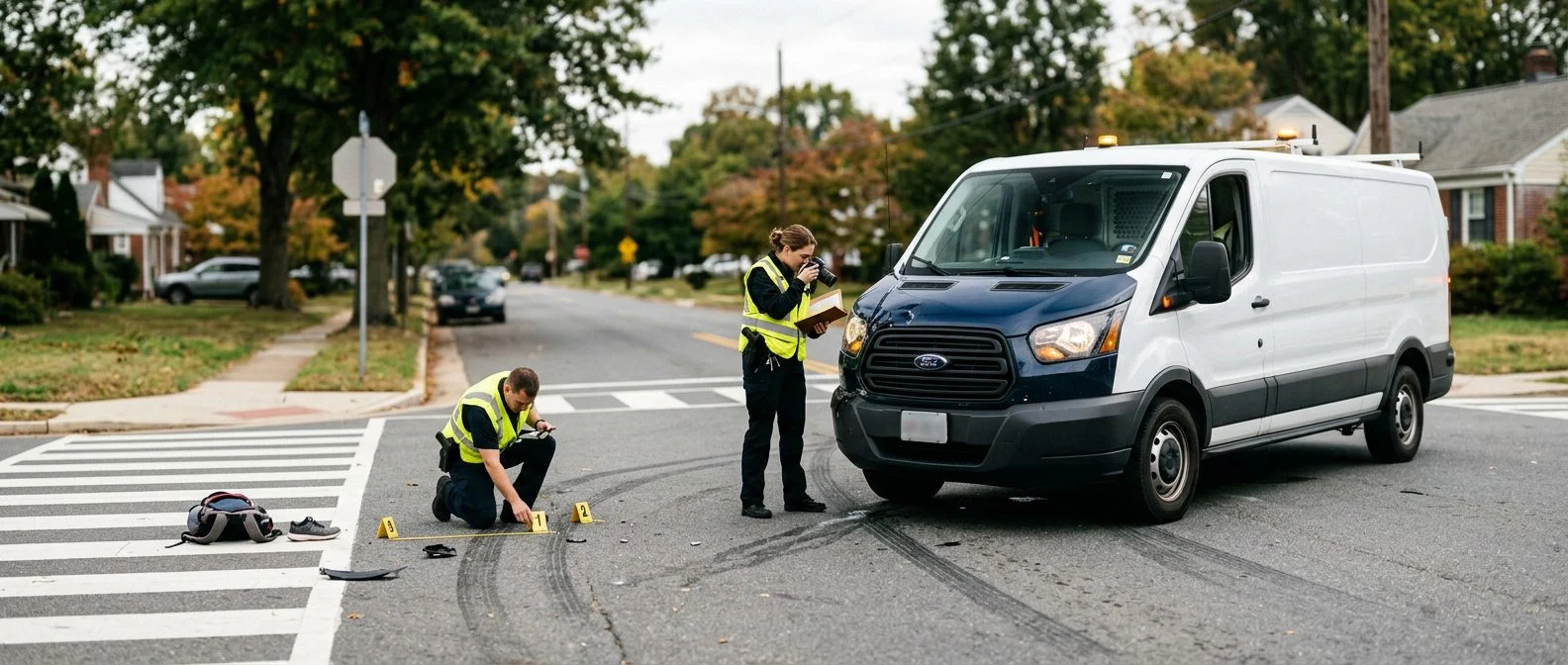
A brain injury from a work van crash can involve more parties and more records than a typical car accident. This page explains what a work van crash brain injury lawyer in Virginia looks at, and what to know early.
Who This Page Is For: Brain Injuries in Work Van and Employer Vehicle Crashes
This page is for people hurt in a brain injury crash involving a van, car, truck or other vehicle an employer owns, leases or assigns to a worker. It also helps family members of people who were hurt or killed.
An employer vehicle is any vehicle a business owns, leases or assigns to a worker, such as a cargo van, service truck or company car.
Several people may be affected. The driver may be hurt, and so may passengers such as coworkers. People in other vehicles or on foot who are struck by a company vehicle may also be hurt.
Some of these crashes involve a commercial motor vehicle, which federal rules cover more closely. Others involve a standard passenger vehicle. The vehicle type matters because it decides which records exist.
If a work van crash left you or someone you love with memory or thinking problems, you may have a claim, and you do not have to sort it out alone. Talk it through with Correll Law Firm — we can walk you through how a situation like yours is usually handled and what your options are.
Brain Injuries That Can Follow These Crashes
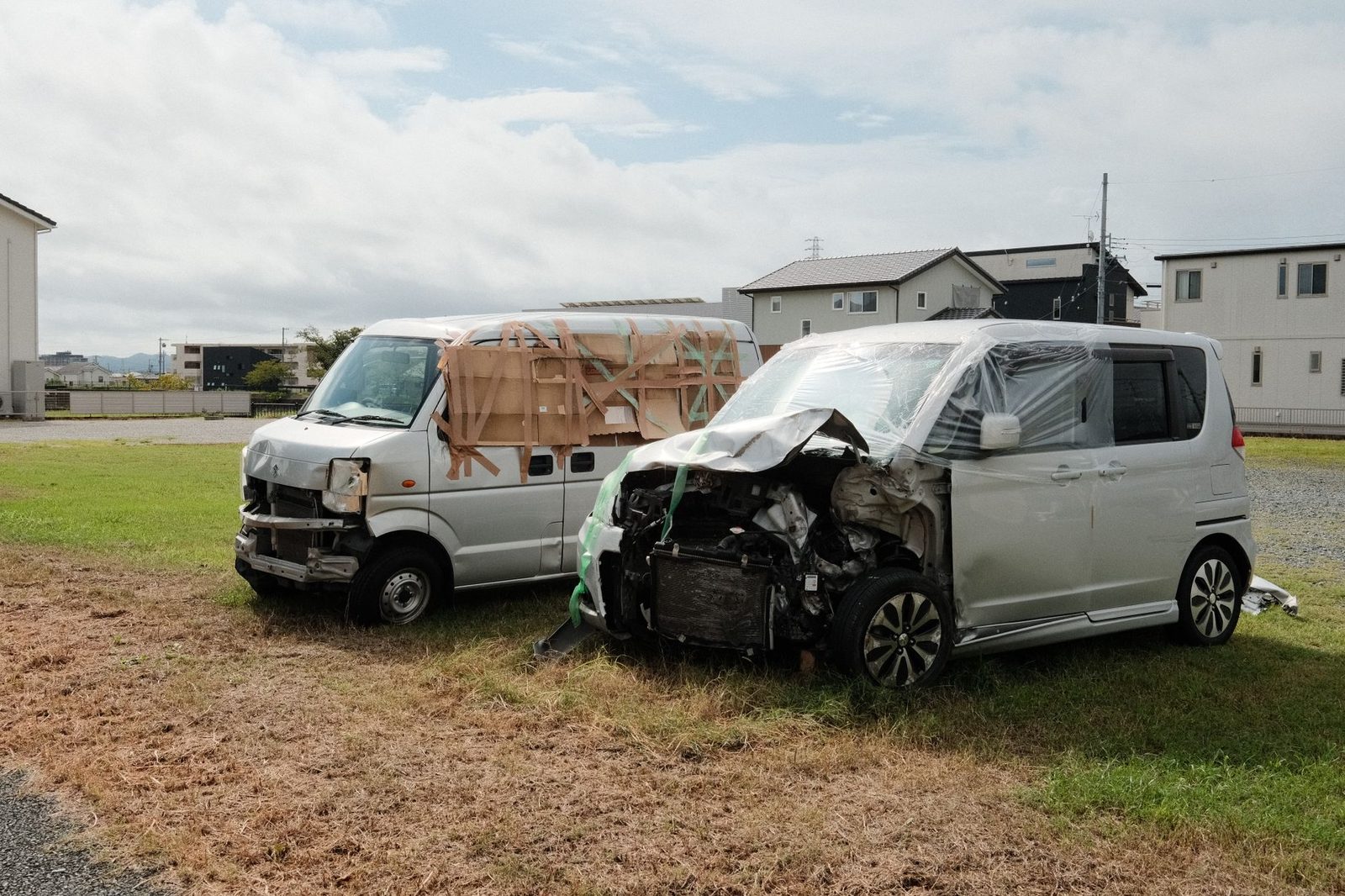
Brain injuries from these crashes can range from a concussion to severe, long-lasting damage. The Administration for Community Living notes that automobile crashes can cause traumatic brain injuries (TBI), which involve severe brain damage. A crash that looks minor from the outside can still cause a serious brain injury.
Brain injuries often come with other harm. The firm handles catastrophic injuries, including spinal cord injury, which can occur in the same crash.
When a brain injury proves fatal, the family may have a wrongful death claim. Under Va. Code § 8.01-50, the decedent’s personal representative brings the action. Virginia wrongful death damages cover the family’s sorrow, mental anguish and loss of the decedent’s companionship, guidance and care; lost income and services; medical expenses from the injury; funeral expenses; and, for willful or wanton conduct, punitive damages (Va. Code § 8.01-52).
Survivors in Virginia may also reach community support. The Virginia Department for Aging and Rehabilitative Services describes community-based brain injury services, including resource coordination, structured daytime programs and case management.
Symptoms That May Appear Later and Why Early Records Matter
Brain injury symptoms can appear later, sometimes days or weeks after a crash. Early medical evaluation creates a record that links symptoms to the crash.
Common symptoms include headaches, memory and concentration problems, confusion, dizziness, sleep changes, mood or personality changes, and sensitivity to light or noise. A person may not remember the crash itself, so medical records from the first days matter a great deal.
A physician can evaluate symptoms, document them and order follow-up care. When a physician orders neuropsychological testing, it can record ongoing effects on thinking.
Keep a simple daily log for your own use. Note symptoms, missed work and tasks that became hard. Bring it to appointments and keep copies of every visit summary.
Who May Be Responsible in an Employer Vehicle Crash
More than one party may be responsible in a work vehicle crash. The facts of each crash decide which parties are involved. Parties may include the driver, the employer, another driver, a vehicle maintenance provider or a manufacturer.
A proximate cause is an act or omission that, in natural and continuous sequence, produces the injury, and there can be more than one.
Useful evidence often includes:
- Crash reports and witness statements
- Dashcam and telematics data
- Company driving and hours policies
- Driver duty-status records
- Maintenance and inspection logs
- Load records
Motor carriers subject to federal rules, except private motor carriers of passengers (nonbusiness), must have each driver record duty status for each 24-hour period (49 C.F.R. § 395.8). Companies subject to this part (49 C.F.R. Part 379) must keep records for the minimum retention periods set out in appendix A to that part, and after those periods they may destroy them, but this does not excuse compliance with any other governmental body’s longer retention requirements (49 C.F.R. § 379.3).
Virginia sets minimum liability limits for owner’s policies (Va. Code § 46.2-472). A company’s policy may differ from a personal auto policy, so the firm reviews which policies may apply.
Deadlines, Crash Reporting and Partial Fault
Virginia requires prompt crash reporting, and personal injury lawsuits generally have a two-year filing deadline. Virginia requires a driver involved in a crash with injury or death to stop and report it to police immediately (Va. Code §§ 46.2-371, 46.2-894). The reporting duty is in Va. Code § 46.2-894. The two-year period below is the deadline to file a lawsuit, not to report a crash.
Virginia generally allows two years from the date of injury to file a personal injury lawsuit (Va. Code § 8.01-243(A)); the clock runs from the date of injury, not the date of discovery, with narrow exceptions. The filing rule is in Va. Code § 8.01-243. Some claims carry notice requirements that run out sooner.
A person who may wish to speak with a lawyer about deadlines may want to do so early, while vehicle data and records still exist.
How a Brain Injury Case Typically Moves Forward
A case usually moves through records, evidence preservation, medical review and damages review. It then ends in resolution or moves toward court.
- Intake and records: Gather the crash report, medical records, employment and vehicle details, and the symptom log.
- Preservation: Request company vehicle data, maintenance logs and policies before they are lost or overwritten.
- Medical picture: Review treatment, follow-up care and whether more testing is needed to show lasting effects.
- Damages review: Organize medical bills, missed work, reduced ability to work and care needs.
- Resolution or filing: Some cases resolve without trial, while others go to court. Timelines vary with medical recovery and court schedules.
Punitive damages are a separate question. Virginia allows punitive damages for actual malice, or for willful or wanton conduct or recklessness showing a conscious disregard for the safety of others, capped at $350,000 (Va. Code § 8.01-38.1).
Not sure what your next step is?
Talk it through with Correll Law Firm — we can walk you through how a situation like yours is usually handled and what your options are.
Why the Firm Handles These Cases
The firm handles car accidents, truck accidents, commercial vehicle accidents, catastrophic injuries, traumatic brain injury, spinal cord injury and wrongful death in Virginia.
The firm’s offices are in Winchester and Harrisonburg. It represents people from Front Royal, the Shenandoah Valley, Richmond and Henrico County.
The firm has more than one lawyer, along with support staff, including assistants and office staff.
The firm focuses on serious injury and wrongful death cases. In brain injury claims, it looks closely at vehicle, employer and medical records, because those records shape how a claim is shown.
Frequently Asked Questions About Work Van Brain Injury Crashes
Can I bring a claim if I was driving a work van when I was hurt?
Driving a work van does not decide a claim on its own. The vehicle’s owner, how the crash happened and any other drivers all matter.
What if the other driver left the scene?
Witness statements, vehicle data and police records may help identify a driver who leaves the scene.
Can a passenger in a company van bring a claim?
A passenger, including a coworker, may have a claim against one or more negligent parties. The crash facts decide which parties are involved.
How do I know whether symptoms come from the crash?
A physician can evaluate symptoms and document any link to the crash. Early records make that link easier to show.