
Virginia Personal Injury Guide
Understanding Personal Injury Law in Virginia
A plain-language look at what this area of law covers, who it affects, and the questions injured people and families often ask first.
Published November 20, 2026
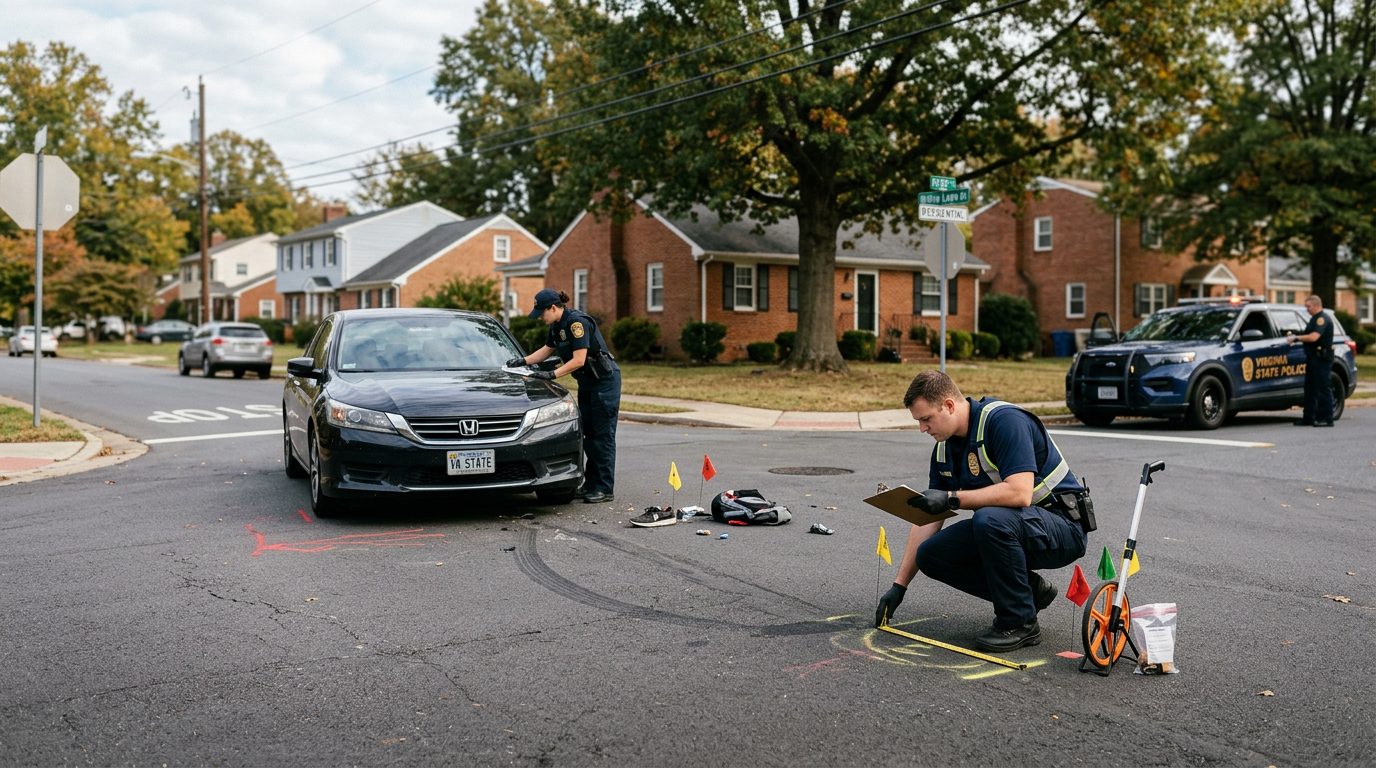
After a serious crash or injury, the words “personal injury law” can sound like legal jargon. Personal injury law is the area of civil law that lets a person harmed by another party’s negligent or wrongful conduct seek compensation. Many people shorten it to PI law, and this guide explains the basics for Virginia residents.
What personal injury law means
A personal injury claim is a civil case that the injured person brings to seek compensation for harm. Civil means a private person brings the case, not the government.
Most claims rest on negligence, which means failing to use the care a reasonable person would use. Virginia courts require a legal duty, a breach of that duty, and proximate causation resulting in damage (The Atrium Unit Owners Ass’n v. King).
Proximate cause is the act or omission that, in natural and continuous sequence, unbroken by an efficient intervening cause, produces the injury. Without it, the injury would not have occurred (Ford Motor Co. v. Boomer). There can be more than one proximate cause.
A claim is built from facts: who did what, when, and how the injury followed. Many personal injury cases begin with a demand to an insurance company, and a lawsuit is a separate step in court.
If a crash or a loss in your family has left you with questions, the firm is willing to talk with you about whether you may have a claim. Talk it through with Correll Law Firm — we can walk you through how a situation like yours is usually handled and what your options are.
Common types of personal injury claims
The firm handles claims arising from car accidents, truck and commercial vehicle accidents, and catastrophic injuries. Catastrophic injuries include traumatic brain injury and spinal cord injury.
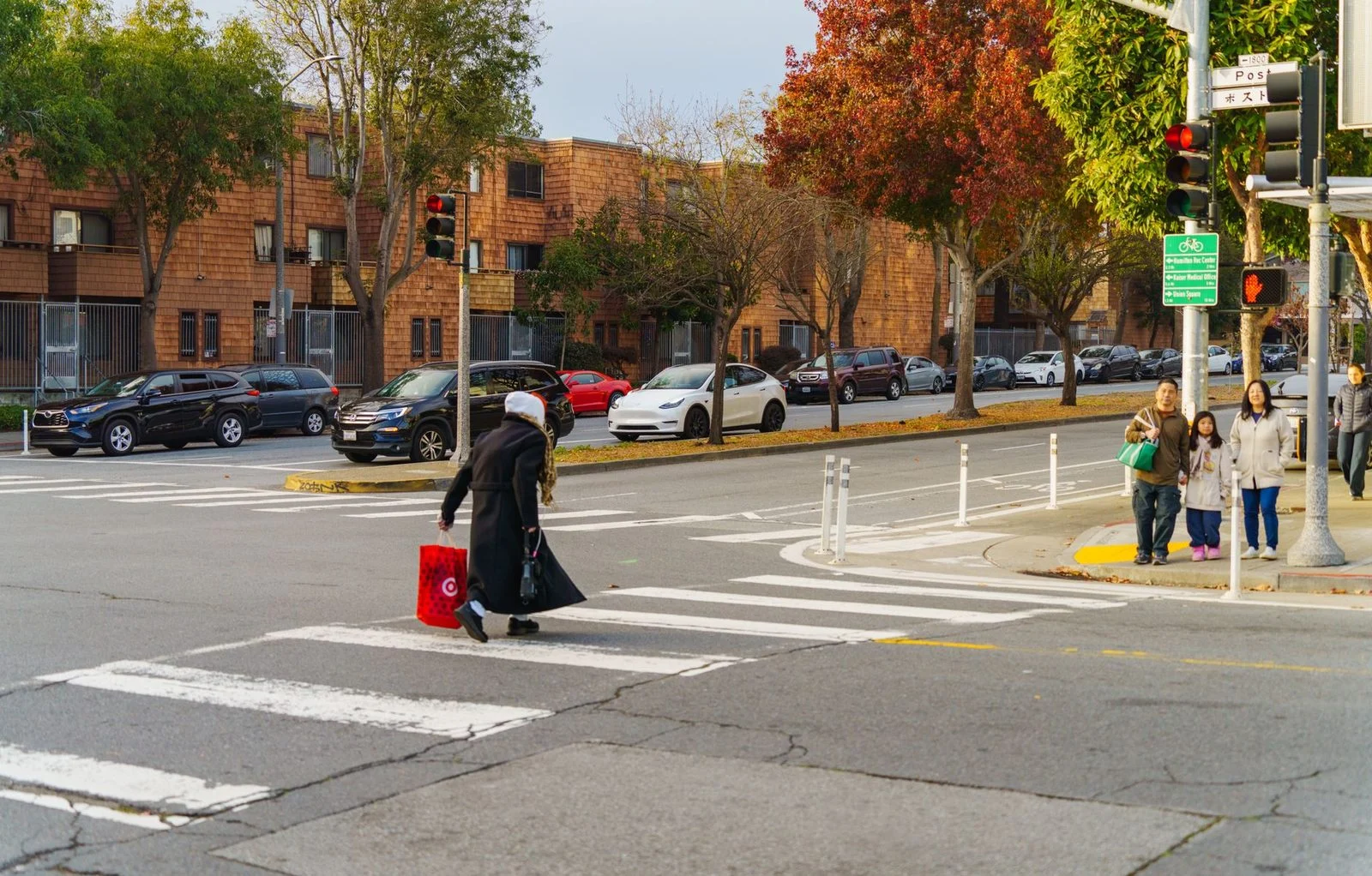
Car accident claims usually arise from a collision with another driver. Passengers and pedestrians hurt in a crash may also have claims.
Truck and commercial vehicle crashes can raise different questions. Interstate 81, which runs through Winchester and Harrisonburg, mixes passenger cars with heavy commercial trucks. A Colorado State Patrol summary of federal rules explains which commercial vehicles are covered and what counts as a reportable accident (FMCSR Part 390 general regulations).
Catastrophic injuries are serious harms that often need long-term medical care. Long-term care can involve repeat visits, therapy and equipment. These injuries can change how a person works, lives and plans for the future.
Wrongful death claims arise when a death is caused by another party’s wrongful act. The sections below explain who files and what families may recover.
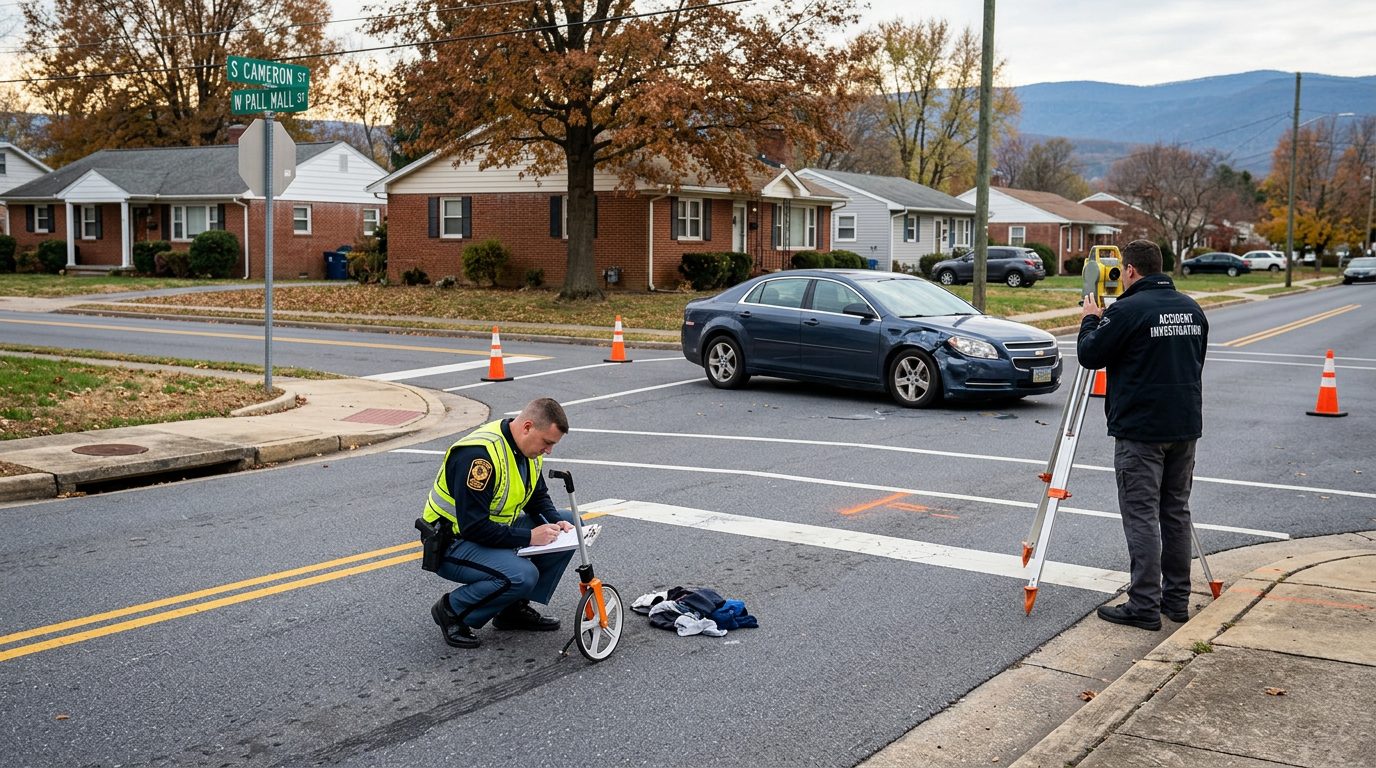
Early records help in every type of claim. Medical records, the police report and the names of witnesses can show how the crash caused the injury.
Who may bring a claim and who may be responsible
The injured person generally brings a personal injury claim. More than one party can share responsibility, depending on the facts.
Insurance is another part of the picture. The Virginia DMV explains the state’s minimum auto insurance requirements (Virginia DMV insurance requirements).
A Virginia wrongful death action is filed by the decedent’s personal representative within two years of the death (Va. Code § 8.01-50(C), § 8.01-244(B)), on behalf of the family members the statute protects.
Family members do not file the action. They share in any recovery.
What damages a personal injury claim may seek
Damages are the money a claim seeks to cover losses caused by the injury. Losses can include medical bills, lost income and other harm from the injury. Pain and suffering is a general term for non-economic harm, such as physical pain and emotional strain. Records and bills help show these losses, and the value of a claim depends on the facts.
Virginia wrongful death damages cover the family’s sorrow, mental anguish and loss of the decedent’s companionship, guidance and care; lost income and services; medical expenses from the injury; funeral expenses; and, for willful or wanton conduct, punitive damages (Va. Code § 8.01-52).
Virginia allows punitive damages for actual malice, or for willful or wanton conduct or recklessness showing a conscious disregard for the safety of others, capped at $350,000 (Va. Code § 8.01-38.1).
Time limits and fault questions
Virginia generally allows two years from the date of injury to file a personal injury lawsuit (Va. Code § 8.01-243(A)); the clock runs from the date of injury, not the date of discovery, with narrow exceptions.
Some claims carry shorter notice rules. A person may wish to learn the applicable deadlines early, because some run out sooner than others.
Virginia follows contributory negligence: if you are found even partly at fault, you may be barred from recovering, with limited exceptions. Talk to a lawyer about your facts.
Virginia requires a driver involved in a crash with injury or death to stop and report it to police immediately (Va. Code §§ 46.2-371, 46.2-894). The two-year period applies to filing a lawsuit, not to reporting a crash.
Where the firm works
The firm has offices in Winchester and Harrisonburg. Winchester and Harrisonburg are the firm’s two office locations.
The firm serves people across the Shenandoah Valley, including the northern Shenandoah Valley, and in Richmond and Henrico County.
Not sure what your next step is?
Talk it through with Correll Law Firm — we can walk you through how a situation like yours is usually handled and what your options are.
Frequently asked questions
Is personal injury law the same as a criminal case?
No. Personal injury law is civil, so the injured person seeks compensation rather than a criminal penalty against the other party.
Can you sue someone 25 years later?
Va. Code § 8.01-243(A) provides that, unless otherwise provided in that section or by other statute, every action for personal injuries, whatever the theory of recovery, shall be brought within two years after the cause of action accrues (Va. Code § 8.01-243).
What is a traumatic brain injury?
It is a brain injury that can vary widely in severity and symptoms, as the Brain Trauma Foundation FAQ explains.