
Car Accident Guide
What to Do After a Serious Car Crash in Virginia
Immediate steps that protect your health, your rights, and your claim
Published October 04, 2026
What to Do Immediately After a Serious Car Crash in Virginia
If you’ve just been in a serious car accident, your immediate priorities are safety, medical care, and documentation. The steps you take in the first hours and days can protect your health, preserve evidence, and strengthen any claim you may have. Here’s what you need to know.
If you or a family member has been in a serious car crash and you’re unsure what comes next, reach out for a free case evaluation. Talk it through with our team — the first case evaluation is free, confidential, and carries no obligation.

Prioritize Safety and Medical Care First
Your safety and health come before everything else. If the vehicles can be moved and it’s safe to do so, move them out of traffic and turn on hazard lights. Call 911 right away if anyone is injured, if there’s significant vehicle damage, or if you’re unsure about injuries.
Stay at the scene. Leaving can create serious legal complications. Remain in your vehicle or a safe location until police arrive.
Seek medical evaluation immediately, even if you feel fine. This is critical in serious crashes. Traumatic brain injuries often don’t show symptoms right away—they can develop over hours or days. Tell the medical provider about any head impact, loss of consciousness, dizziness, confusion, or disorientation, no matter how brief. Keep all medical records, test results, and imaging reports in one place.
Document the Scene and Gather Information
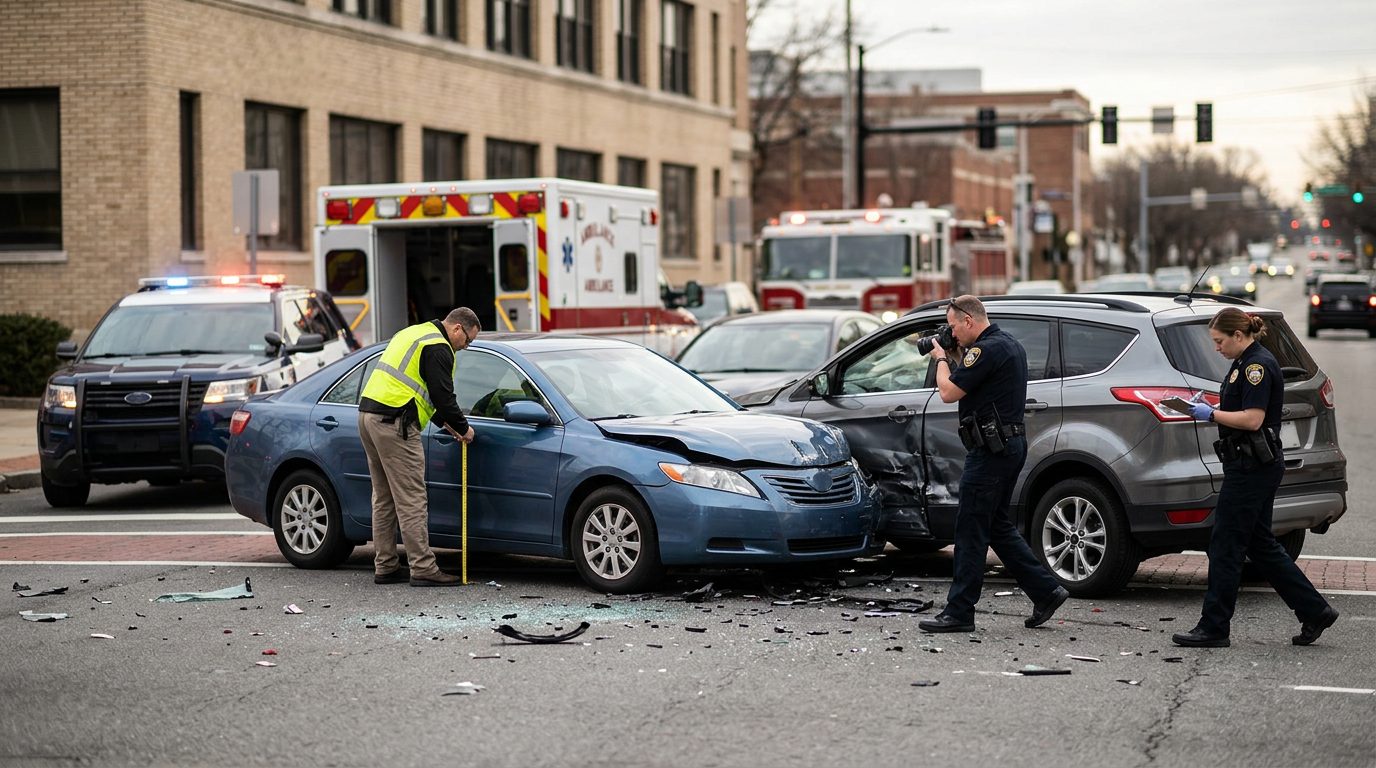
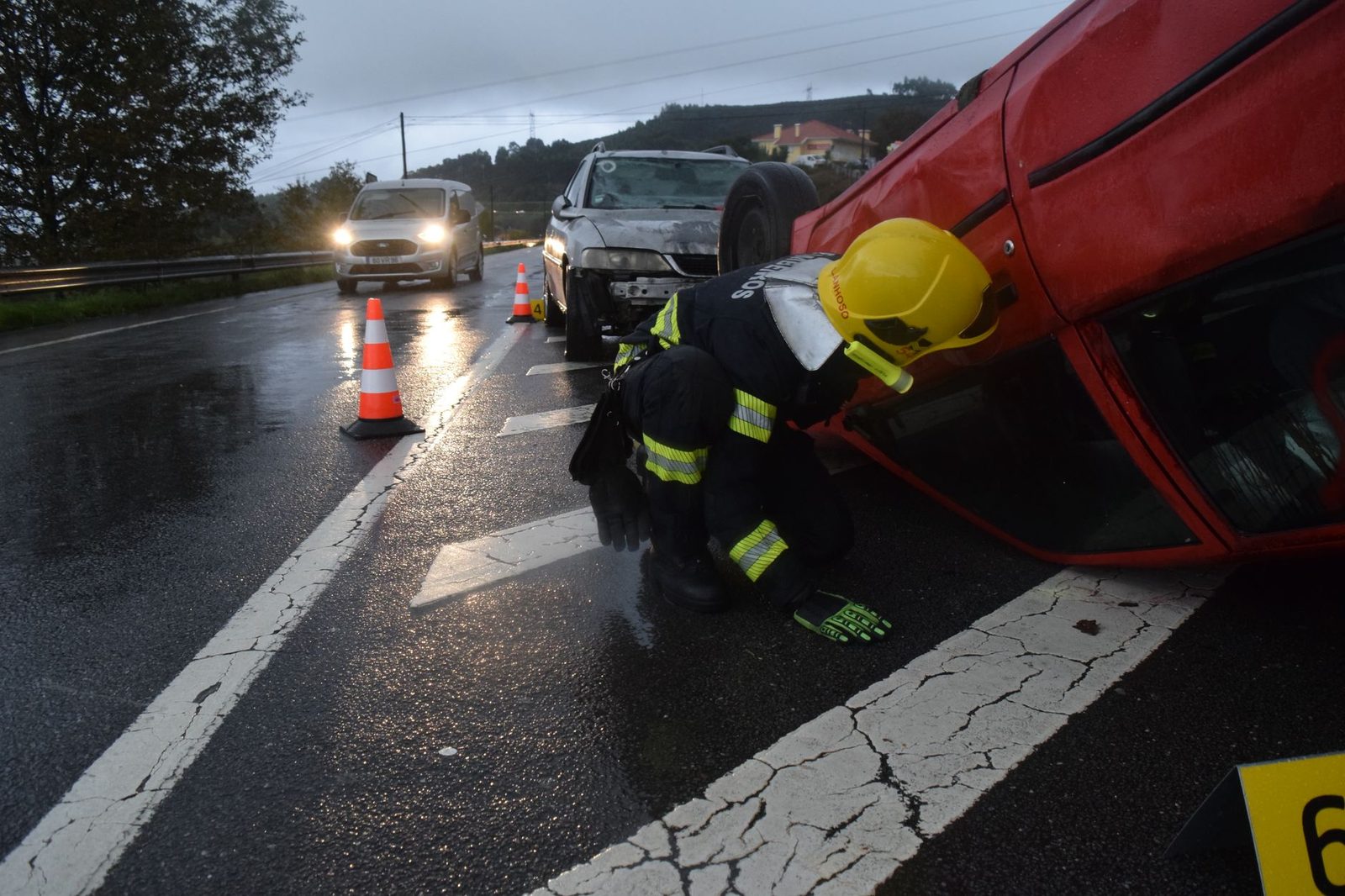
While details are fresh, collect as much information as possible. Take photos and video of:
- Vehicle damage (wide shots and close-ups)
- The accident scene, road conditions, traffic signals, and weather
- The other vehicle’s license plate, VIN, and damage
- Any visible injuries
Get the other driver’s name, phone number, address, driver’s license number, and insurance information. Write down the names and contact information of any witnesses. Note the date, time, location, and a brief description of how the accident happened.
Report to Police and Insurance
Request a police report and note the report number. Notify your insurance company promptly, but be careful about what you say. Stick to facts: where, when, and what happened. Don’t apologize, speculate about fault, or make statements like “I think it was my fault” or “I wasn’t paying attention.”
Provide your insurer with the documentation you gathered. If injuries are serious, avoid giving a recorded statement without legal guidance first.
What Not to Tell Your Insurance Company
Insurance companies look for reasons to minimize payouts. Don’t minimize your injuries by saying you’re fine when you’re unsure. Don’t accept a quick settlement offer before you understand the full extent of your injuries—brain injuries can take weeks to fully develop.
Don’t post about the accident on social media. Insurers and opposing parties monitor these posts and use them against claimants.
Monitor for Brain Injury Symptoms
Watch for headaches, dizziness, confusion, memory problems, mood changes, sensitivity to light or sound, sleep disturbances, or difficulty concentrating in the days and weeks after the crash. Return to medical care if new symptoms develop or existing ones worsen.
Keep a written log of any symptoms and when they occur. This becomes important documentation. Follow all medical advice and attend follow-up appointments, even if you feel better.
Not sure what your next step is?
Talk it through with our team — the first case evaluation is free, confidential, and carries no obligation.
Preserve Evidence and Records
Keep all medical bills, test results, imaging reports, and provider notes organized. Retain receipts for medications, medical equipment, or travel to appointments. Save all communications with insurance companies, the other driver, and medical providers.
Don’t repair or dispose of the vehicle until an insurance adjuster has inspected it. Preserve any dashcam footage, traffic camera footage, or other video from the scene.
Consider Legal Guidance Early
Serious car accidents involving potential brain injury benefit from early legal review. A lawyer can advise you on what to say to insurers, help you understand your rights, and ensure important deadlines are met.
Virginia has a filing deadline for personal injury claims. Under Virginia Code § 8.01-243(A), you generally have two years from when your injury occurs to file a lawsuit. The sooner you understand your situation, the better. Many people wait too long to seek legal guidance and miss important opportunities to preserve evidence or meet deadlines.
Why Documentation Matters in a Brain Injury Claim
Medical records that document the accident, your symptoms, and treatment are the foundation of any claim. Photos and witness statements help establish how the accident occurred. Your own written account of symptoms and their impact on daily life matters.
Insurance companies and courts rely on contemporaneous documentation—records made at or near the time of the injury carry more weight than memories recalled months later. This is why keeping a symptom log and preserving medical records from the first days after the crash is so important.
Frequently Asked Questions
What should I do if I feel fine after a serious car accident?
Seek medical evaluation anyway. Brain injuries often don’t show symptoms immediately. Tell your provider about any head impact or disorientation, even if brief.
Can I be held responsible for the accident if I was partly at fault?
Virginia follows contributory negligence: if you are found even partly at fault, you may be barred from recovering, with limited exceptions. Talk to a lawyer about your facts. You should talk to a lawyer about your specific facts.
How long do I have to file a claim in Virginia?
What if the other driver doesn’t have insurance?
Virginia requires minimum liability coverage of $50,000 bodily injury per person and $100,000 per accident. If the other driver is uninsured, your own insurance may provide coverage under uninsured motorist protection.
If you or a family member has been in a serious car crash and you’re unsure what comes next, reach out for a free case evaluation.