
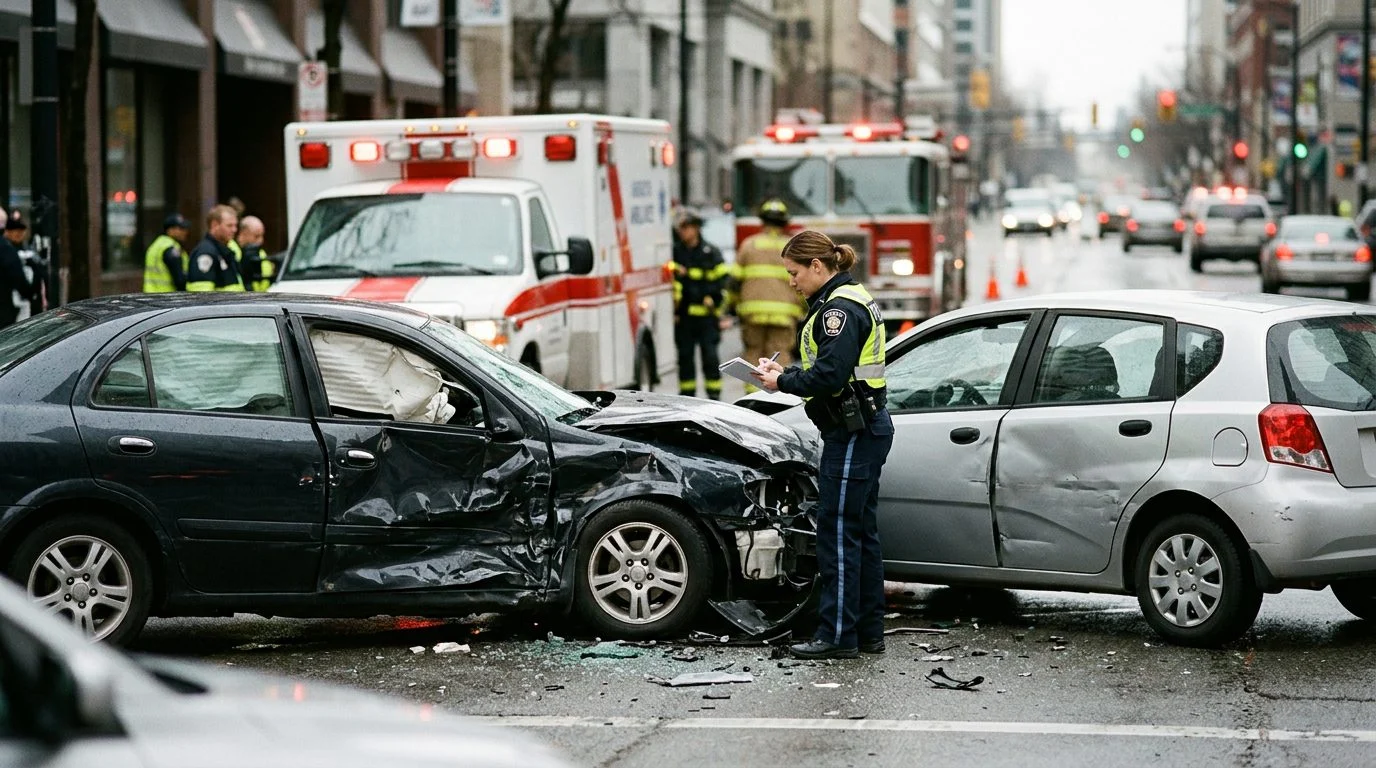
Car Accident Injuries | Winchester, Virginia
Hidden Injuries After a Crash: Which Organs Are Most at Risk?
Some internal injuries do not show right away. Here is what to know about the organs most often involved and why prompt medical evaluation matters.
Published November 7, 2026
Which organ is most likely to be damaged in a car accident? In the abdomen, the liver and spleen are the organs most often hurt. Both sit high in the belly and hold a lot of blood. A hard impact can injure them even when the skin looks fine. This page explains why, and what hidden injuries can look like. The firm serves people from its Winchester and Harrisonburg locations, from the Shenandoah Valley to Richmond and Henrico County.
The short answer: the liver and spleen
The liver and spleen are the solid abdominal organs most often injured in a car crash. They are large, they sit in the upper abdomen, and they hold a lot of blood. Blunt force can tear or bruise either one, even when the skin shows no sign of harm.
“Most likely” describes the abdomen only. The brain and spinal cord carry the most serious risks after a crash, and they are covered later on this page. The answer also varies with the crash itself, the seat position and the person’s body. Only a medical evaluation can identify a specific injury, so no one should guess from the outside what is happening inside.
For many families, this question comes up after a loved one seemed fine at the scene. Symptoms that appear later can be confusing, and they deserve careful attention.
Not sure what your next step is?
Talk it through with Correll Law Firm — we can walk you through how a situation like yours is usually handled and what your options are.
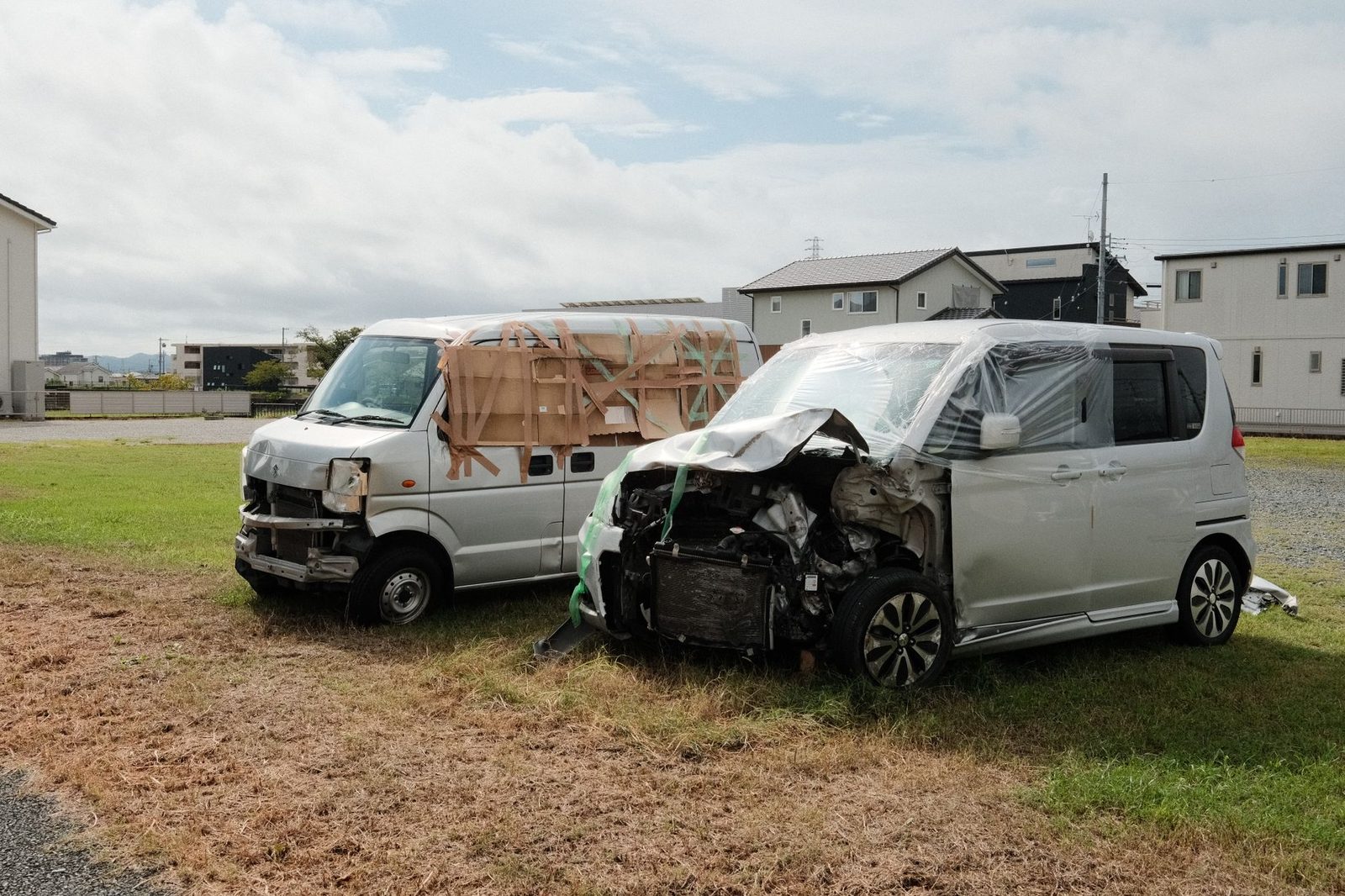
How car crashes cause organ damage
Most organ injuries in a crash come from blunt trauma. Blunt trauma is a hard force that hits the body without breaking the skin. A seatbelt, steering wheel, dashboard or car door can press into the belly or chest. The organ is bruised or torn against bone and tissue.
Deceleration trauma is the second main cause. When a car stops suddenly, the body stops too. The organs inside keep moving for a split second. They can stretch, tear or pull at the tissue that holds them in place. This can happen at moderate speeds, even when the outside of the body looks normal.
Side impacts and rollovers add more risk. The force can press organs against the body wall or the spine. Crush injuries from a collapsing vehicle can do the same. Each crash is different, so the same speed can produce very different injuries. Trucks are heavier than passenger cars, and that weight can add force to a collision.
Why the liver and spleen are hurt most often
The liver and spleen sit in the upper abdomen, where crash forces often land. The liver is on the right, under the lower ribs. The spleen is on the left, also under the ribs. A seatbelt or steering wheel can press into that area during a frontal crash.
Blood supply is the other reason. Both organs hold a large amount of blood. A torn liver or spleen can bleed heavily into the abdomen. That bleeding is the real danger, because it can build without any sign on the surface of the body. Medical teams look closely at these organs after a hard belly impact.
The kidneys, pancreas, bowel and bladder can also be injured. They are less often the first organs affected in blunt abdominal trauma. A crash can injure more than one organ at the same time, so an injury to one organ may come with others.
Why internal bleeding can be hidden
Internal bleeding can be hidden because it may leave no open wound. Bruising may appear slowly, and pain may feel mild at first. Some people feel pain in the shoulder or side, which can be confusing after a crash.
Signs that call for emergency care include belly pain or swelling, dizziness, fainting, a racing heartbeat, pale skin and vomiting blood. Families should also watch for unusual drowsiness or sudden changes in behavior. Symptoms can appear hours or days after the crash. A prompt medical evaluation after any significant impact matters, even when the person feels they walked away fine.
Virginia requires a driver involved in a crash with injury or death to stop and report it to police immediately (Va. Code §§ 46.2-371, 46.2-894). The two-year period is the deadline to file a lawsuit, not to report a crash. The duty to give immediate notice of the crash to a law-enforcement officer is in Va. Code § 46.2-371, and the duty to stop, report and assist is in Va. Code § 46.2-894.
Brain and spinal cord injuries after a crash
Brain and spinal cord injuries can be among the most serious harms from a crash. They can occur even when the belly looks unhurt. A traumatic brain injury can happen when the head strikes a window, a pillar or the steering wheel, or when it moves hard inside the car.
Head injuries can be delayed. Confusion, headache, memory changes and sleep changes can start days after a crash. Anyone with these changes should see a doctor promptly. Brain injury symptoms can overlap with other injuries, which is one reason a full medical evaluation matters.
Spinal cord injuries can affect movement and feeling. Injuries high in the neck can have particularly serious effects, because the upper spinal cord carries signals that control breathing. The firm also writes about traumatic brain injury and spinal cord injury on its website.
Time limits and why records matter
Virginia generally allows two years from the date of injury to file a personal injury lawsuit (Va. Code § 8.01-243(A)); the clock runs from the date of injury, not the date of discovery, with narrow exceptions. The statute’s text is at Va. Code § 8.01-243.
Some claims carry notice requirements that run out sooner. A claim against a county, city or town for negligence is barred unless a written statement of the claim, including the time and place of the injury, is filed within six months after the claim accrues; failure to file it does not bar the claim if the locality’s attorney, chief executive or mayor, or any insurer or entity providing coverage or indemnification of the claim, had actual knowledge of the claim within that six months, and if the claimant was under a disability when the claim accrued, the tolling provisions of § 8.01-229 apply (Va. Code § 15.2-209).
Medical records that document abdominal, head or spinal injuries show what was found and when. The crash report and visit notes can also show when symptoms began.
Timing and cause both matter.
Not sure what your next step is?
Talk it through with Correll Law Firm — we can walk you through how a situation like yours is usually handled and what your options are.

Key takeaways for anyone hurt in a crash
Which organ is most likely to be damaged in a car accident? For the abdomen, the answer is usually the liver or spleen. Brain and spinal cord injuries carry the most serious risks. Hidden injuries can appear later, so new symptoms after any significant impact deserve prompt medical attention. Keeping notes on the crash and on any new symptoms can help a person understand what happened. Serious injuries can also affect work, family life and daily tasks, and those effects are part of the story.
Frequently asked questions
Does internal bleeding always cause pain?
No. Some people feel little pain, so symptoms can be easy to miss.
Can a head injury happen without a visible wound?
Yes. A brain injury can occur with no cut or bruise on the head.