
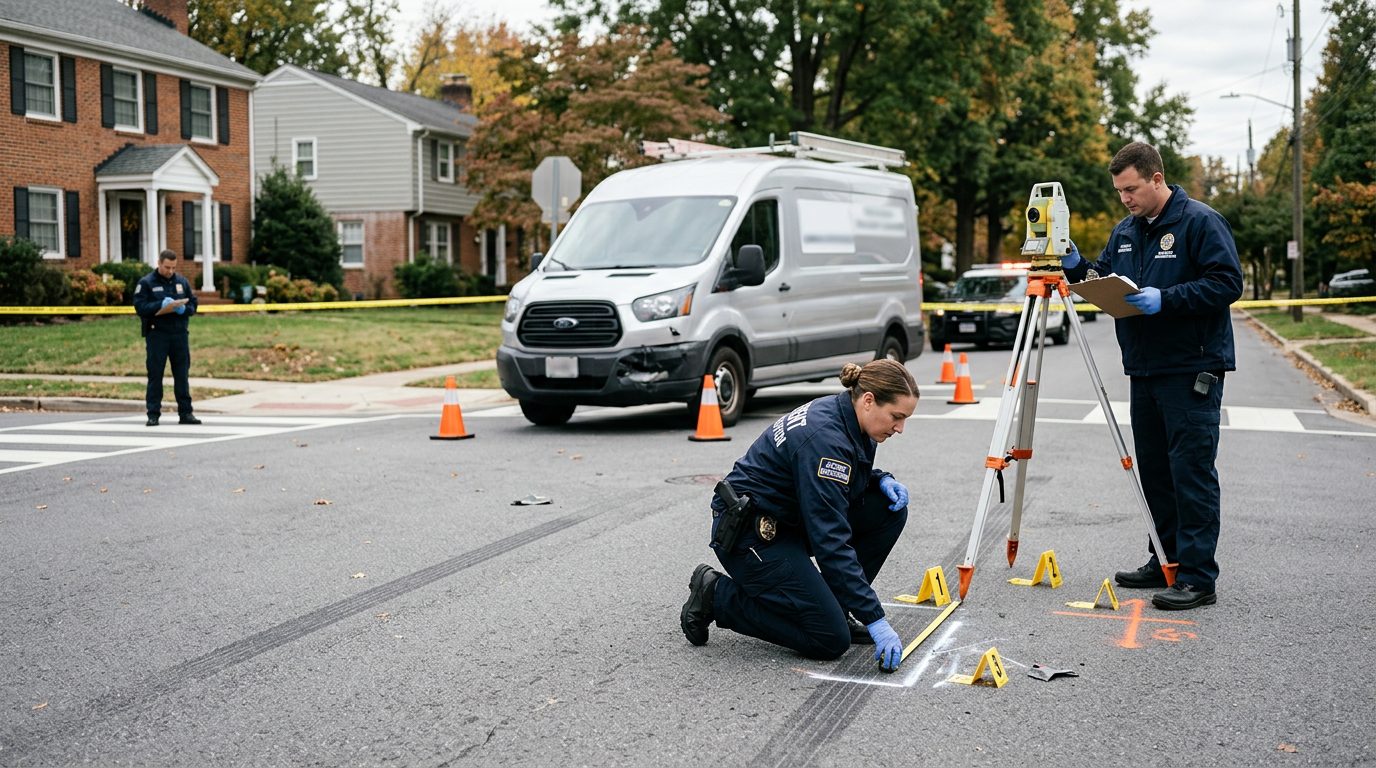
Work Van Crashes | Virginia
Hurt in a Work Van Crash? Brain Injury Help Across Virginia
The firm represents people seriously hurt in car and commercial vehicle crashes, including work van crashes that cause traumatic brain injury, and families in wrongful death cases.
Where the firm works
Virginia
Serving the Shenandoah Valley, Richmond and Henrico County
Published October 31, 2026
A brain injury from a work van crash can lead to a personal injury claim in Virginia, and that claim may reach beyond the driver. This guide explains what these claims cover, how filing deadlines work and which evidence is easy to lose. If you are looking for a work van accident brain injury lawyer in Virginia, the facts below can help you know what to ask.
What a Work Van Crash Brain Injury Claim Covers
A work van crash brain injury claim is a personal injury claim for harm to the brain caused by a crash with a work van or other commercial vehicle. It can apply to drivers, passengers, pedestrians and cyclists hit by a work van, delivery truck or commercial vehicle.
Commercial vehicles raise different questions than a typical passenger-car crash. Someone other than the driver may own the vehicle. An employer may have sent the driver on the trip. The driver’s job at the time of the crash can matter too.
A brain injury can also change work, family roles and daily routines. A claim may need to address those changes, with the medical record as its foundation.
The firm’s offices are in Winchester and Harrisonburg. It handles car accidents, truck accidents, commercial vehicle accidents, traumatic brain injury and wrongful death. It serves people from the Shenandoah Valley, Richmond and Henrico County.
If a work van or commercial vehicle crash left you or someone you love with a brain injury, you may have a claim, and the firm can talk through your facts with you. Talk it through with Correll Law Firm — we can walk you through how a situation like yours is usually handled and what your options are.
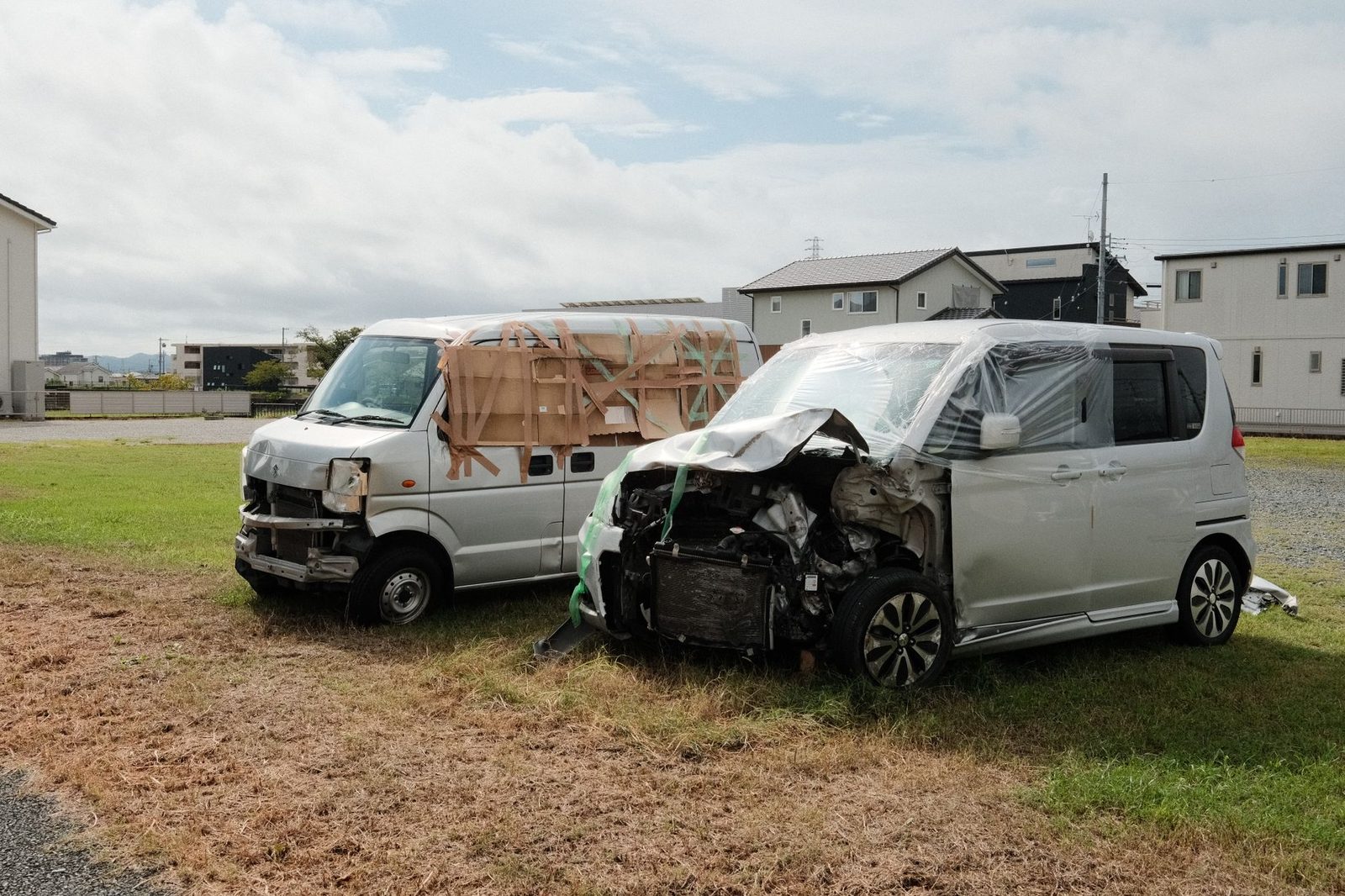
Why Brain Injuries From Van Crashes Need Careful Medical Records
Prompt medical evaluation and a complete symptom record matter most in a brain injury claim. Some symptoms show up right away. These include confusion, headache, dizziness, nausea, and trouble with vision or memory. Others can appear days or weeks after the crash.
A person may not remember the crash itself. A gap in memory about the crash does not erase what happened afterward. The medical record can show how the injury developed from the first hours onward.
A complete file usually includes emergency and follow-up records, imaging results, and notes from neurology or rehabilitation providers. A daily symptom log helps too. It should note limits on work, driving and everyday tasks.
Brain injuries can change over time. A record that tracks symptoms over weeks and months gives a fuller picture. No one can predict in advance how a particular injury will progress.
Who May Be Responsible in a Commercial Vehicle Crash
A claim may involve more than the driver. Depending on the facts, the vehicle’s owner, the employer that sent the trip, a maintenance or repair provider, or a manufacturer whose defective part played a role may be part of the investigation. Who is responsible depends on the facts of each crash.
Investigators often look at the driver’s hours, training, route, cargo and the vehicle’s condition. Those details shape who is examined and which records are requested.
That question can run alongside a claim against other at-fault parties, so the two should be reviewed together.
Reporting the Crash, Filing Deadlines and Evidence to Keep
A driver involved in a crash with injury must report it right away, and a lawsuit has its own deadline. Virginia requires a driver involved in a crash with injury or death to stop and report it to police immediately (Va. Code §§ 46.2-371, 46.2-894). The statute on stopping at the scene is at Va. Code § 46.2-894.
Virginia generally allows two years from the date of injury to file a personal injury lawsuit (Va. Code § 8.01-243(A)); the clock runs from the date of injury, not the date of discovery, with narrow exceptions. The two-year period is the deadline to file a lawsuit, not the deadline to report a crash (Va. Code § 8.01-243). Some claims carry notice requirements that run out sooner.
Evidence from a commercial crash can disappear early. Useful items include:
- The police report
- Dashcam and vehicle telematics data
- Electronic logging device and driver hours records
- Maintenance and inspection records
- Cargo and delivery paperwork
- Photos of the scene and vehicles
- Names and contact details of witnesses
Those records can show driving time before a crash.
The injured person’s own work schedule and phone records may also matter where they bear on what happened. Those records can be lost or overwritten quickly.
How a Brain Injury Claim Typically Moves Forward
A claim usually moves through fact-gathering, investigation, negotiation and, if needed, a lawsuit. The steps often follow this order:
- Gathering the crash and medical facts.
- Investigating the vehicles, drivers and companies involved.
- Collecting medical records and treatment updates.
- Evaluating the losses.
- Negotiating with insurers.
- Filing a lawsuit if the claim cannot be resolved.
Timelines vary. Brain injury recovery is uneven, and commercial cases often involve several parties and records requests. Some claims resolve without a lawsuit. Others go to court.
A family in a wrongful death case works through the same stages. A Virginia wrongful death action is filed by the decedent’s personal representative within two years of the death (Va. Code §§ 8.01-50(C), 8.01-244(B)), on behalf of the family members the statute protects. The statute is at Va. Code § 8.01-50. Family members generally do not file; the personal representative brings the action, but a fetal death action is brought by the natural mother (or, if she dies or is under a disability as defined in § 8.01-2, by the administrator of her estate, her guardian, or her personal representative), and family members share in the recovery. Va. Code § 8.01-53 sets out who shares, including certain surviving spouses, children and parents.
Damages in Brain Injury and Wrongful Death Claims
Brain injury claims can include losses tied to the injury itself. Losses may include medical bills and future medical care, lost income and reduced earning ability, rehabilitation and therapy, and the effect of the injury on daily life, relationships and independence.
Virginia wrongful death damages cover the family’s sorrow, mental anguish and loss of the decedent’s companionship, guidance and care; lost income and services; medical expenses from the injury; funeral expenses; and, for willful or wanton conduct, punitive damages (Va. Code § 8.01-52).
Virginia allows punitive damages for actual malice, or for willful or wanton conduct or recklessness showing a conscious disregard for the safety of others, capped at $350,000 (Va. Code § 8.01-38.1).
Not sure what your next step is?
Talk it through with Correll Law Firm — we can walk you through how a situation like yours is usually handled and what your options are.
Frequently Asked Questions About Work Van Brain Injury Claims
These short answers cover the questions people ask most often about these claims.
Can I still recover if I was partly at fault?
Virginia follows contributory negligence: if you are found even partly at fault, you may be barred from recovering, with limited exceptions. Talk to a lawyer about your facts.
What if the driver who hit me left the scene?
A hit-and-run crash can still cause a serious brain injury, and the crash details still matter to a claim. Investigators may look at the same kinds of records listed above.
Does a delay in symptoms hurt my claim?
Some brain injury symptoms appear days or weeks after a crash. A consistent medical history helps show how the injury developed.
Do I need a work van accident brain injury lawyer in Virginia?
You may wish to talk with a lawyer about your facts. The firm handles these claims, and whether to act is your decision.