
Wrongful Death | Virginia
When a Brain Injury Leads to a Death Weeks Later
Plain-language answers for Virginia families asking whether the law still applies after a crash-related death that came some time later.
Published November 17, 2026
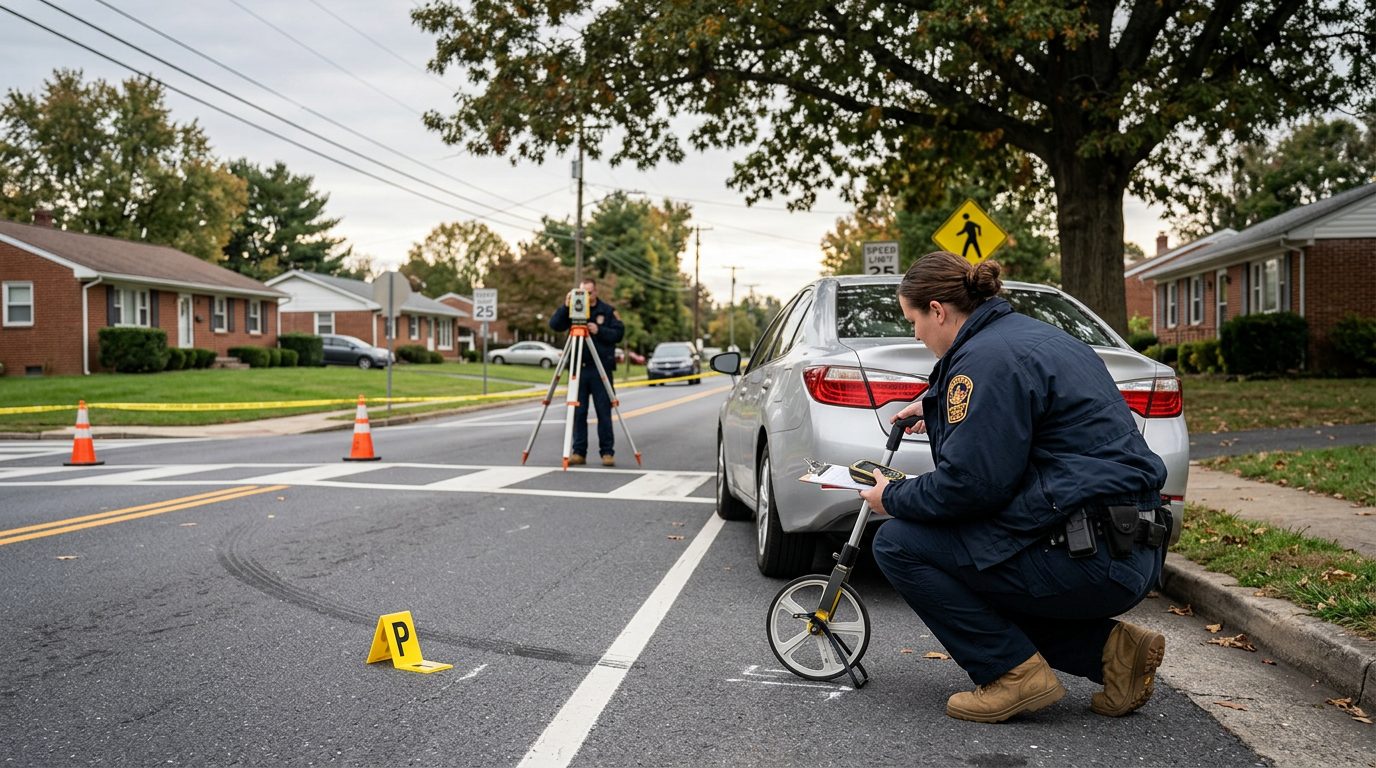
Losing someone who died weeks later from a crash brain injury is a hard kind of loss. Many families wonder whether the law still applies. In Virginia, a wrongful death claim may be possible when the wrongful act caused the death, even if the death came after a delay.
This page explains the main questions in plain words. It covers who brings the claim, the deadlines, what damages cover, and how a delayed death is traced through medical records. This is general information about Virginia law, and the facts of each case decide how these rules apply.
When a Death Follows a Crash Brain Injury by Weeks
A death weeks after a crash can still be linked to the crash, and the timing alone does not decide that question.
A brain injury can change over time. The NINDS on traumatic brain injury page notes that severe traumatic brain injuries can result in permanent disability or death. When a person dies later, the key question is whether the crash injury was a cause of that death.
Virginia law addresses this directly. A person or company that would have been liable for the injury can be liable for damages even though the injured person died, if the death was caused by the wrongful act, neglect or default (Va. Code § 8.01-50).
Families often start with the hospital stay, the cause of death listed on the death certificate, and who now handles the claim. Those early details matter. The medical timeline is how the link between the crash and the death gets shown.
If a crash has left your family facing a sudden loss, the firm is willing to talk through the facts with you, and you don't have to face those questions alone. Talk it through with Correll Law Firm — we can walk you through how a situation like yours is usually handled and what your options are.
What Virginia Wrongful Death Claims Generally Involve
The first step in a Virginia wrongful death case is making sure the right person brings the action.
Family members do not file the action. They share in any recovery. The action is brought in the name of the personal representative, who is the person the law recognizes to act for the decedent’s estate (Va. Code § 8.01-50).
This structure can feel confusing while a family is grieving. The practical point is that the family shares the recovery, while the legal action runs through the personal representative.
The Two-Year Deadline and Why the Date of Death Matters
Timing is the part families ask about most, and the date of injury and the date of death play different roles.
Virginia generally allows two years from the date of injury to file a personal injury lawsuit (Va. Code § 8.01-243(A)); the clock runs from the date of injury, not the date of discovery, with narrow exceptions. The wrongful death rules work differently for a death that follows an injury. Under Va. Code § 8.01-244, if a person dies as a result of the injury and no personal injury action is pending when the limitations period for that injury claim ends, a wrongful death action may still be commenced. That action must be brought by the decedent’s personal representative within two years after the death, within the time limits in that section.
Some claims carry notice requirements that run out sooner than the lawsuit deadline. For a claim against a county, city or town for negligence, a written statement including the time and place of the injury must be filed within six months after the claim accrues, unless the locality’s attorney, chief executive, or mayor, or any insurer or entity providing coverage or indemnification of the claim, had actual knowledge of the claim within that period; if the claimant was under a disability when the claim accrued, the tolling provisions of § 8.01-229 apply (Va. Code § 15.2-209).
Families who understand both dates early can ask the firm which ones may apply to their facts.
What Wrongful Death Damages Cover
Virginia wrongful death damages cover the family’s sorrow, mental anguish and loss of the decedent’s companionship, guidance and care; lost income and services; medical expenses from the injury; funeral expenses; and, for willful or wanton conduct, punitive damages (Va. Code § 8.01-52).
The jury or court may award damages it considers fair and just. Some items, including medical and funeral expenses, must be stated separately in the verdict or judgment.
Virginia also lets a cause of action survive death. Under Va. Code § 8.01-25, a cause of action survives the death of the person in whose favor it existed. Va. Code § 8.01-25 reads: “Provided that in such an action punitive damages shall not be awarded after the death of the party liable for the injury.”
Section 8.01-25 provides that a cause of action survives the death of the person against whom it is or may be asserted, or of the person in whose favor it existed; it does not list lost income as an item.
Punitive Damages in Willful or Wanton Crashes
Punitive damages turn on the conduct behind the crash, not on the injury alone.
Virginia allows punitive damages for actual malice, or for willful or wanton conduct or recklessness showing a conscious disregard for the safety of others, capped at $350,000 (Va. Code § 8.01-38.1). The jury must find that the conduct met this standard.
When the Driver Left the Scene
A driver in a crash that injures or kills someone is required to stop and report it right away.
Virginia requires a driver involved in a crash with injury or death to stop and report it to police immediately. This duty appears in Va. Code § 46.2-371 and Va. Code § 46.2-894.
Section 46.2-894 also asks the driver to stop as close to the scene as possible without obstructing traffic, and to give reasonable help to an injured person.
For personal injury actions, the two-year period is the general deadline to file a lawsuit, unless otherwise provided in this section or by other statute, and it is not the deadline to report a crash (Va. Code § 8.01-243). Reporting duties and the lawsuit clock are separate questions.
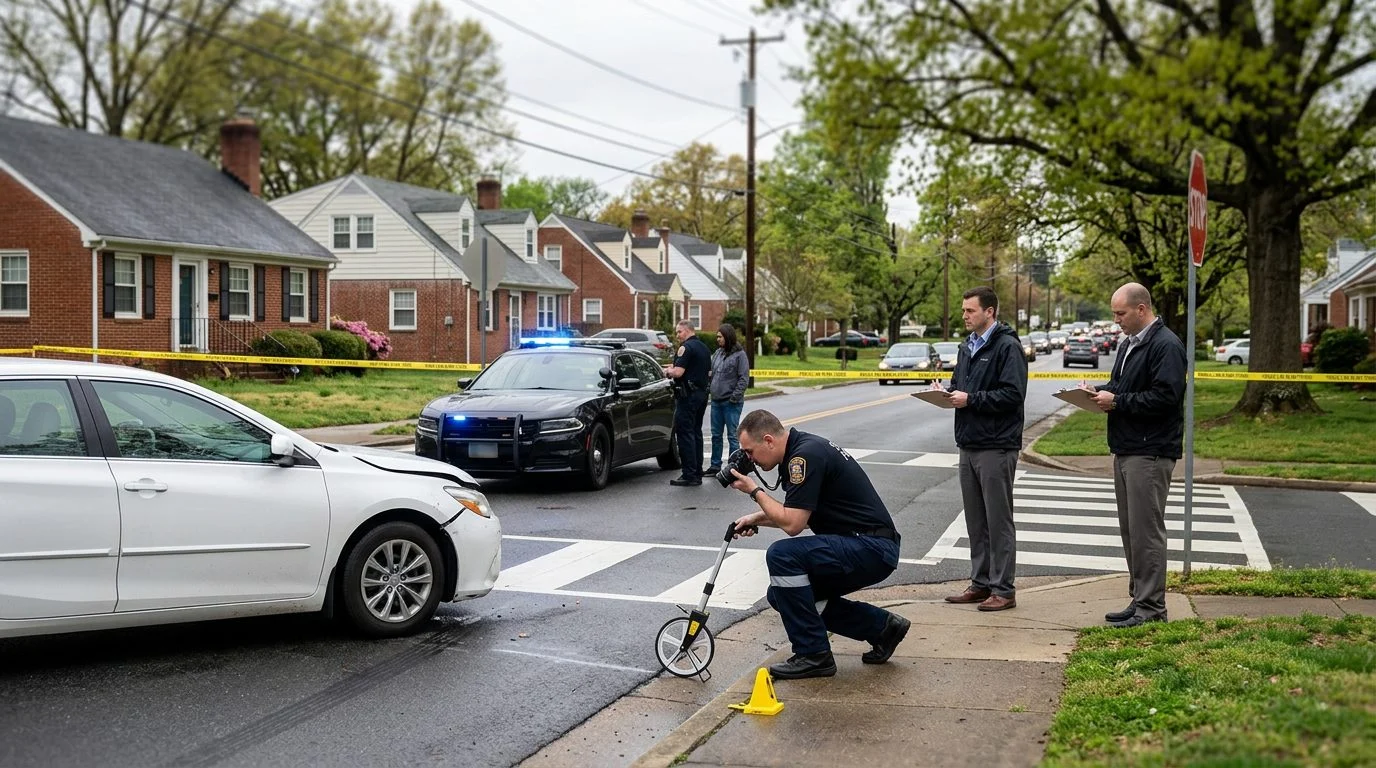
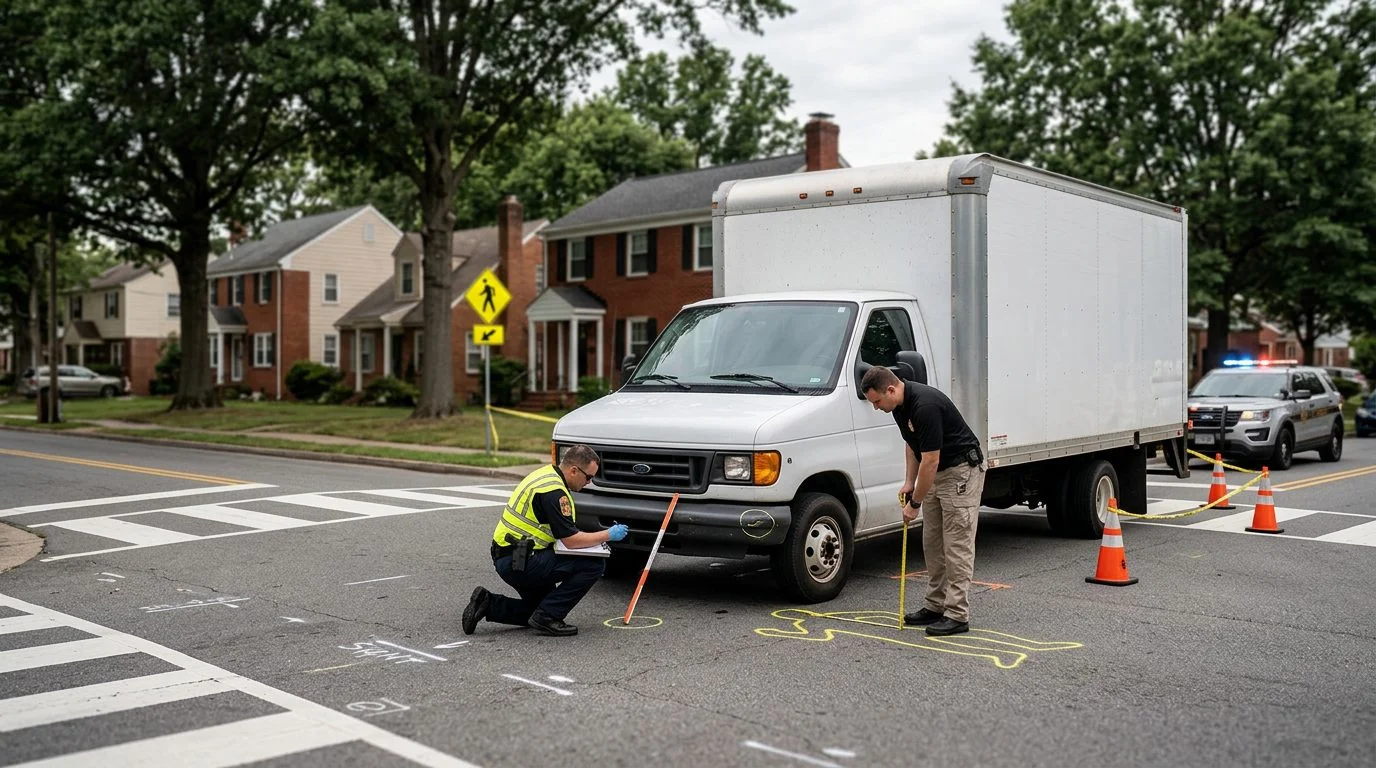
When the other driver leaves, the facts of the crash still matter. Details such as the crash location, witness accounts and vehicle damage are part of the review.
Not sure what your next step is?
Talk it through with Correll Law Firm — we can walk you through how a situation like yours is usually handled and what your options are.
Partial Fault and the Facts of the Crash
Virginia follows contributory negligence: if you are found even partly at fault, you may be barred from recovering, with limited exceptions. Talk to a lawyer about your facts.
Questions about who caused a crash are answered from evidence, such as the police report, witness accounts and physical evidence, not from early assumptions.
The Medical Timeline Behind a Delayed Death
The medical timeline is how a family links a crash brain injury to a later death.
Useful records often include scene and emergency care records, imaging, hospital and rehabilitation notes, discharge summaries and the death certificate. Keeping copies in one place makes it easier to see when symptoms changed.
Families can also write down a list of providers and visit dates. A complete list helps when the facts are reviewed.
How the Firm Handles These Cases
The firm’s offices are located in Winchester and Harrisonburg, and it represents people hurt in car and truck crashes and families in wrongful death cases.
The firm works with people from the Shenandoah Valley to Richmond and Henrico County.
The firm’s work includes car accidents, truck accidents, commercial vehicle accidents, catastrophic injuries, traumatic brain injury, spinal cord injury and wrongful death. For the broader picture of brain injuries from car and truck crashes, the firm’s traumatic brain injury overview is a good next read. For questions about talking with an insurer, the firm’s recorded statement page covers that topic.
Common Questions
Can a family bring a claim if a death came weeks after a Virginia crash brain injury? Possibly. Virginia allows a claim when the wrongful act caused the death, and the medical records and crash facts decide that.
Who shares in a Virginia wrongful death recovery? Virginia law lists the beneficiaries in order, starting with a surviving spouse and children. The class is fixed when the verdict is entered if the jury makes the specification, or when the judgment is rendered if the court specifies the distribution (Va. Code § 8.01-53).