
Traumatic Brain Injury | Virginia
Brain Bleed Days After a Car Accident: What Virginia Drivers Should Know
Some brain bleeds start small or grow over time. Learn which symptoms deserve prompt medical attention after a crash in the Shenandoah Valley, Richmond and Henrico County.
Published November 6, 2026
Yes, a brain bleed can be found days after a car accident, even when the first scan looked clear. Learning about a brain bleed days after car accident can feel frightening, so this guide explains it in plain terms. You’ll see why bleeding may not show up right away, which warning signs need emergency care, and how Virginia’s timing rules work.
What a Brain Bleed Is and Why It Can Be Found Days Later
A brain bleed is bleeding inside the skull that puts pressure on brain tissue. Doctors name it by where the blood collects. The main types are epidural, subdural, intracerebral and subarachnoid bleeds.
An early scan can look normal. A bleed may be too small to see at first, or it may grow after the first scan. That is why doctors may repeat imaging when symptoms change.
Brain injuries are not always visible right away. Virginia Brain Injury Services notes that motor vehicle accidents can cause traumatic brain injury. That means damage or changes in brain function caused by an outside force. A crash is one of those forces.
For a wider view of head injuries from crashes, the firm’s traumatic brain injury page covers the general picture in more depth.
Not sure what your next step is?
Talk it through with Correll Law Firm — we can walk you through how a situation like yours is usually handled and what your options are.
How Car Accidents Can Cause Brain Bleeds
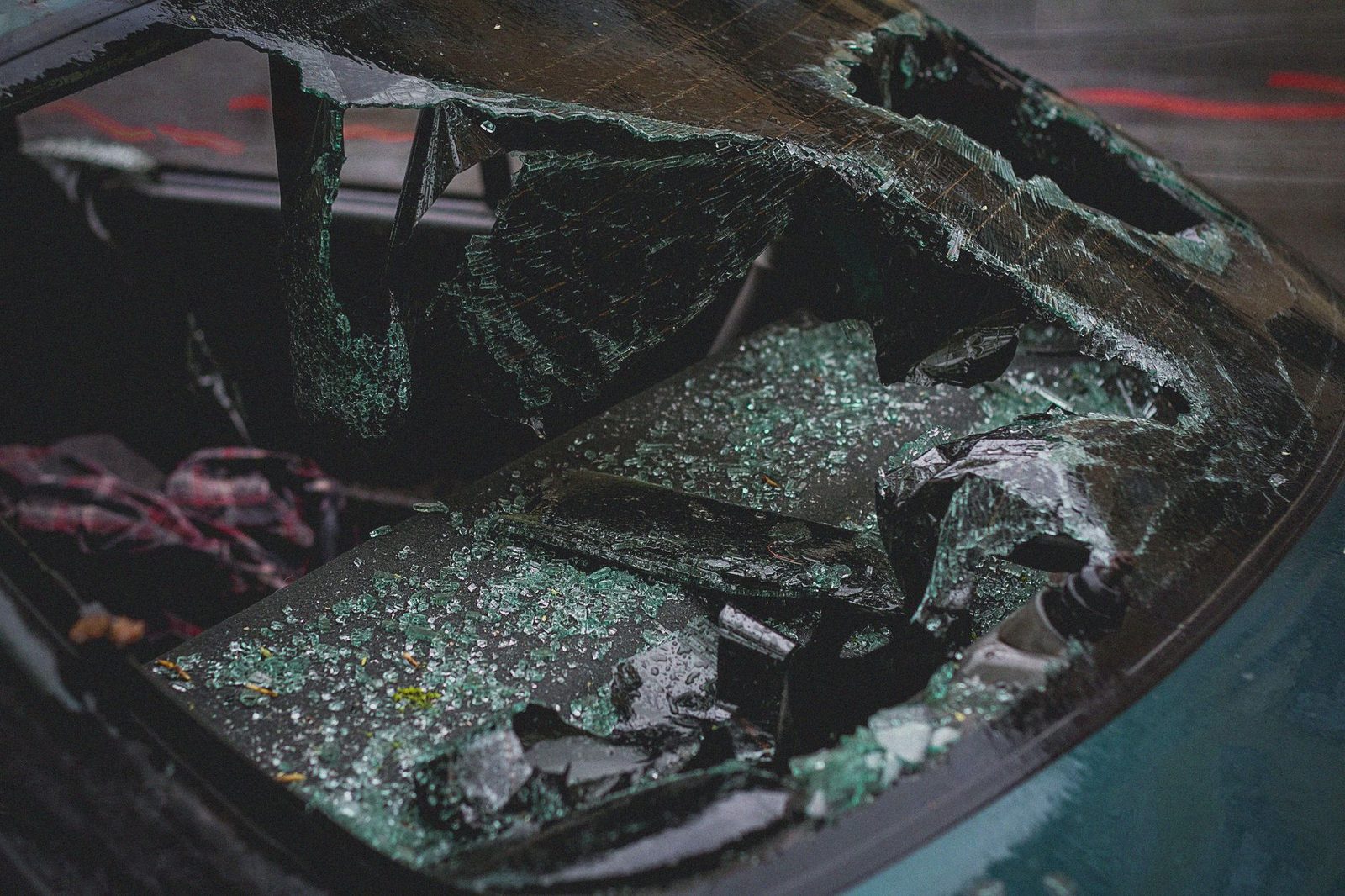
A car accident can cause a brain bleed when the head strikes something. It can also happen when the brain moves hard inside the skull.
Common impact points include a window, a steering wheel, or a roof pillar. Sudden stops, spins and rollovers can jerk the head back and forth, even without a direct hit.
In these injuries, the brain strikes the skull at the point of impact and again on the opposite side.
A person does not need to pass out for a brain injury to happen. The same state guidance describes a concussion as a change in mental status that can occur with or without loss of consciousness.
Why Symptoms Can Appear Days After the Crash
Symptoms can appear days after a crash because the body’s first reaction can hide them. In the first hours, adrenaline and shock can dull pain. A person may feel more alert than they really are.
Someone may walk away, go home, and feel tired or sore. They may not connect that feeling to a blow to the head.
A bleed can also press on the brain slowly. As pressure builds, headache, confusion or unusual sleepiness may start or get worse. Not everyone has delayed symptoms, so anyone who feels fine should still watch for changes.
Many families first notice the change at home, days later, when a relative seems off. Those changes deserve prompt medical attention.
Warning Signs That Need Emergency Care
Warning signs that need emergency care include a worsening headache, repeated vomiting, confusion, and trouble waking up. Seizures, weakness or numbness on one side, and slurred speech are also red flags. So are unequal pupils and trouble walking or losing balance.
If any of these appear, call 911 or go to the nearest emergency department right away. Do not wait for a scheduled appointment.
This applies days after a crash, too. A person who hit their head and later develops these signs should seek emergency care, even if the crash seemed minor.
Family members can help by watching for changes in how the person talks, moves or acts. Note what you see and the time you saw it.
Common Symptoms That Are Reported After a Head Injury
Common reported symptoms after a head injury include a headache that does not go away, dizziness, and memory and concentration trouble. Fatigue is also often reported.
Irritability, mood changes, sleep changes, and sensitivity to light or noise are also described by people with head injuries.
These symptoms overlap with many other conditions. A medical evaluation is the way to sort out the cause, not a guess based on symptoms alone.
Symptoms can change over weeks. A daily symptom log, with the date, the time, and what you were doing, can give the treating clinician a clearer picture.
How Doctors Diagnose a Delayed Brain Bleed
Doctors diagnose a delayed brain bleed with a neurological exam and brain imaging. A CT scan or an MRI is often used.
Follow-up imaging helps show whether bleeding has changed in size or location. That comparison can guide the next steps in care.
Virginia’s Brain Injury Services resource states that a brain injury diagnosis must be made by a doctor. Symptoms alone do not settle the question.
Keep every imaging report, discharge sheet, and follow-up note. Bring them to each visit so the whole care team sees the same history.
Not sure what your next step is?
Talk it through with Correll Law Firm — we can walk you through how a situation like yours is usually handled and what your options are.
Treatment and Recovery Depends on the Bleed
Treatment depends on where the bleed is, how large it is, and how the person is doing. Care plans differ from one person to the next.
Some small bleeds are watched with repeat imaging and close monitoring in the hospital. Others may need surgery to relieve pressure.
Rehabilitation can be part of recovery. Physical, occupational and speech therapists may help with balance, daily tasks, speech and memory, when the care team recommends them.
Recovery timelines differ from person to person. No one can say in advance exactly how a given recovery will go. The treating team can explain what to expect for a specific case.
Can You Drive After a Brain Bleed?
Whether it is safe to drive after a brain bleed depends on the facts, and the treating clinician should guide that decision.
Drowsiness, vision changes, confusion, seizures, and slowed reactions are all reasons to hold off on driving. Hold off until a clinician has reviewed the person.
Some medicines can also affect alertness. Bring a full list of medicines, including over-the-counter products, to that conversation.
Family members can help by driving for the person until the clinician gives clear guidance. Ask the treating clinician before getting behind the wheel, even if you feel fine.
Timing Questions That Can Matter After a Crash
Two timing questions matter most after a crash. One is the duty to report it. The other is the deadline to file a lawsuit.
Virginia requires a driver involved in a crash with injury or death to stop and report it to police immediately (Va. Code §§ 46.2-371, 46.2-894). The two-year period is the deadline to file a lawsuit, not to report a crash.
Virginia generally allows two years from the date of injury to file a personal injury lawsuit (Va. Code § 8.01-243(A)); the clock runs from the date of injury, not the date of discovery, with narrow exceptions.
Virginia law generally starts the clock when the injury is sustained, not when the resulting damage is discovered, except where the relief sought is solely equitable or where otherwise provided under § 8.01-233, subsection C of § 8.01-245, §§ 8.01-249, 8.01-250 or other statute (Va. Code § 8.01-230).
Some claims carry notice requirements that run out sooner.
Families dealing with a death from a crash face separate timing rules. Those rules apply differently than the rules for an injured person.
Key Points to Remember
A brain bleed days after car accident can be found late, so new symptoms deserve prompt medical attention. Bleeding can start small, grow, or cause symptoms only after the first shock wears off.
Get emergency care for red-flag signs. Ask the treating clinician about driving and activity limits, and keep your imaging records.
Correll Law Firm focuses on injuries from car and truck crashes, catastrophic injuries, and wrongful death. The firm’s offices are in Winchester and Harrisonburg. It represents people across the Shenandoah Valley, including the Front Royal area, and people in Richmond and Henrico County.
Can a brain bleed be found days after a car accident?
Yes. Bleeding may be small at first or grow later, so a later scan or new symptoms can reveal it.
Is feeling okay after a crash enough to rule out a head injury?
No. Feeling fine right after a crash does not rule out a head injury, so a medical evaluation is worth getting.
What to do about a brain bleed days after car accident?
Get emergency care for red-flag signs right away. Bring imaging reports and a symptom log to every follow-up visit.