
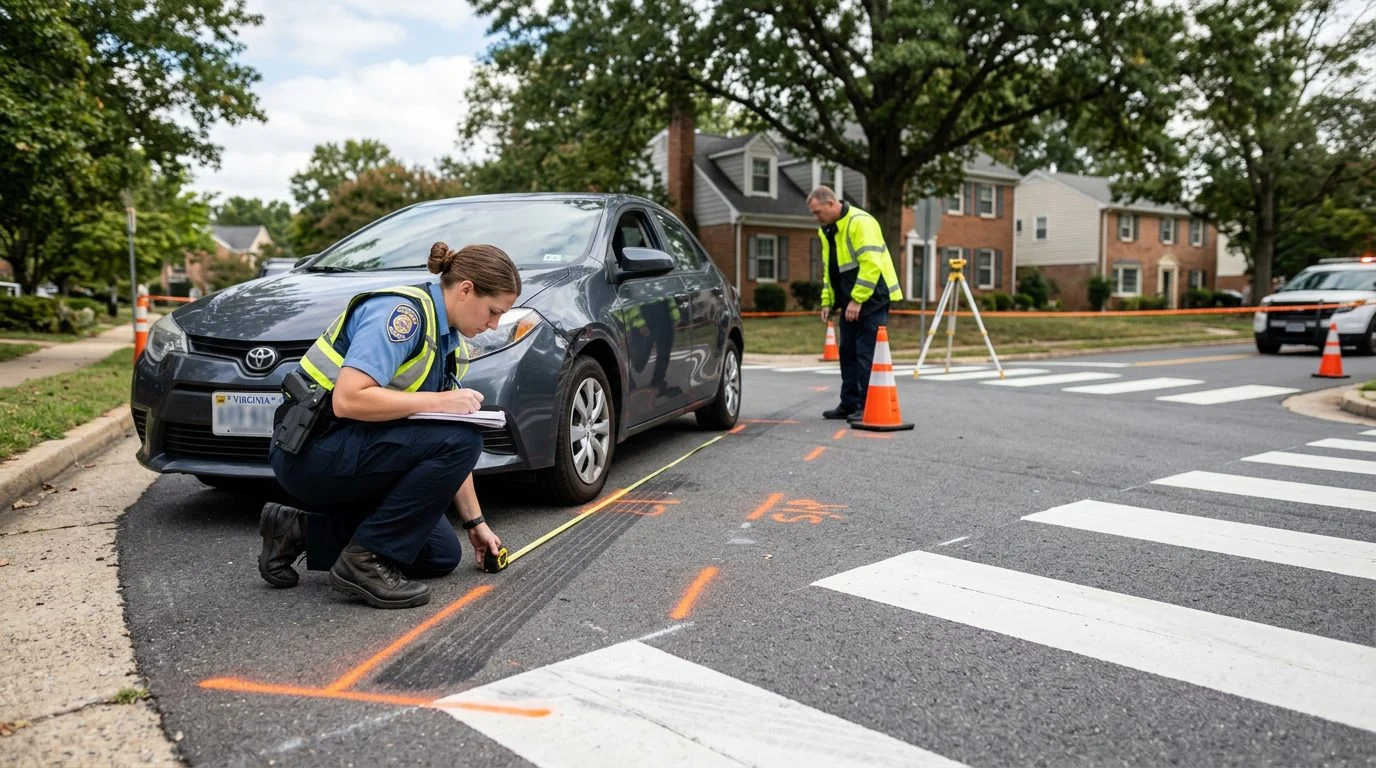
Traumatic Brain Injury | Virginia Crash Injuries
Brain Injury Without Hitting Your Head in a Virginia Crash
A brain can be hurt even when the head never strikes anything. Knowing the warning signs and getting checked early can make a real difference in recovery.
Published November 8, 2026
If you were told you did not hit your head in a crash, you may still wonder whether your brain was hurt. A brain injury can happen in a car accident without a direct blow to the head. The brain moves inside the skull, and a sudden stop or turn can injure it even when nothing strikes the head.
This page explains how that happens, why these injuries are often missed, and what to watch for and record afterward.
How a brain can be injured without a direct blow to the head
A brain can be injured when a crash makes it move quickly inside the skull. The brain floats in a layer of fluid, but it is still soft tissue. When a car stops suddenly, the skull stops with it, and the brain keeps moving until it meets the inside of the skull.
Medical writers describe these forces as acceleration and deceleration. Acceleration is a rapid speeding up of the head, and deceleration is a rapid slowing down. Both can happen in a crash with another car, a collision with a stopped vehicle, or a crash with a large truck.
The head can also move forward, backward, or twist. Twisting motion is a recognized concern in brain injury research, so a crash does not need a head strike to cause concern.
Virginia Brain Injury Services explains that a brain injury involves damage or changes in brain function caused by an external force, and that motor vehicle accidents can cause one. The CDC traumatic brain injury data also notes that motor vehicle crashes are a common cause of traumatic brain injury. For the broader picture, the firm’s page on traumatic brain injury after car and truck crashes covers this topic in more depth.
If you were hurt in a crash and still have headaches, dizziness, or memory trouble, you may have a claim, and the firm is glad to talk through your situation. Talk it through with Correll Law Firm — we can walk you through how a situation like yours is usually handled and what your options are.
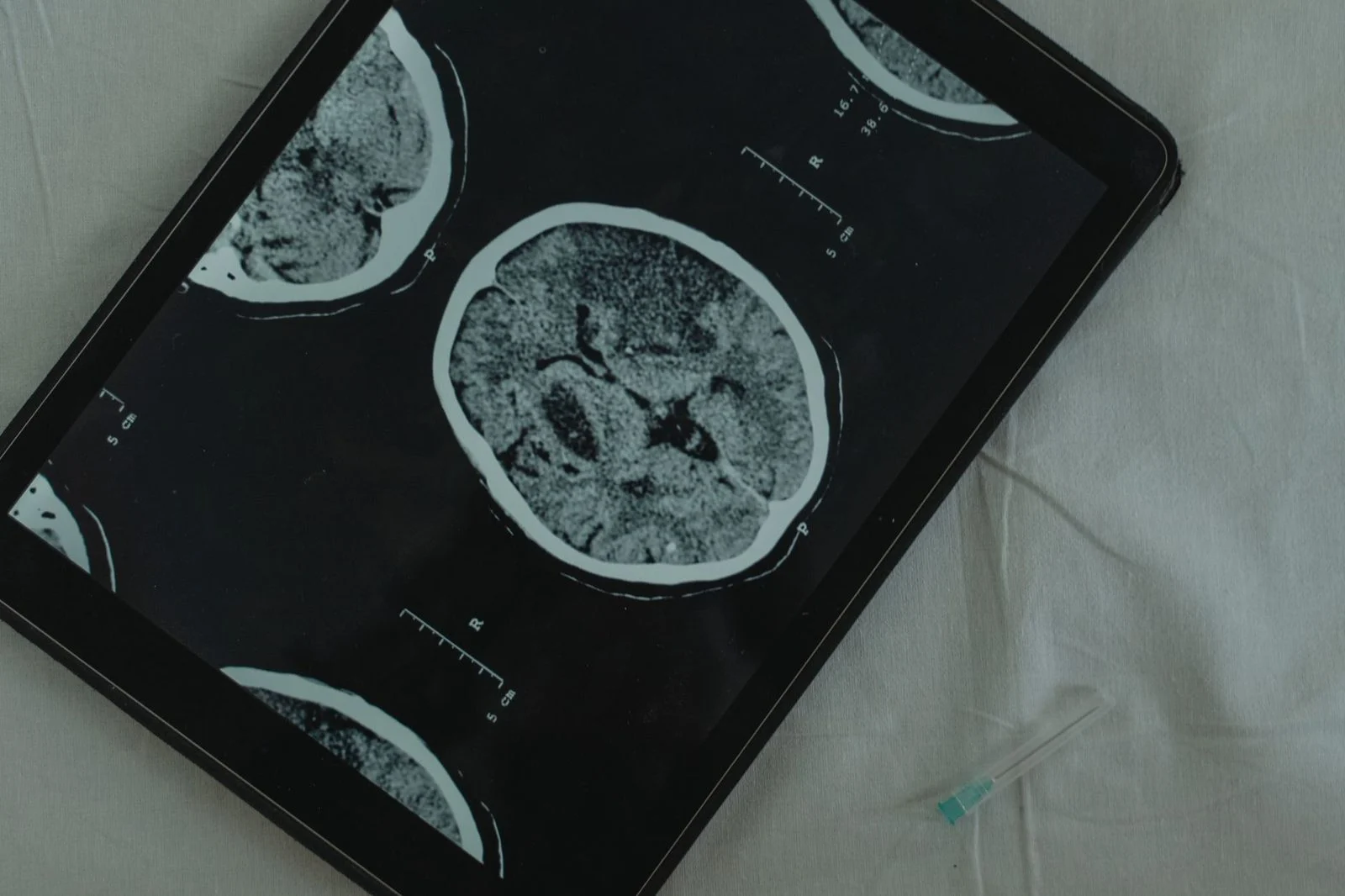
Coup and contrecoup injuries explained
A coup injury is bruising on the side of the brain that strikes the skull. A contrecoup injury is bruising on the opposite side. Both patterns can occur without a direct blow to the head.
In a coup injury, the brain hits the skull at the point of impact. In a contrecoup injury, the brain rebounds and hits the skull on the far side. Either way, the damage comes from the brain moving inside the skull, not from something striking the head.
These terms describe how an injury forms. They do not tell you how serious an injury is. Only a medical provider can determine what a particular person has, because a doctor must make the diagnosis.
Diffuse axonal injury: damage to nerve connections
Diffuse axonal injury is stretching or tearing of the long nerve fibers that connect brain cells. It is caused by rotational and shearing forces, which pull and slide brain tissue against itself.
This kind of injury can happen without a skull fracture or an obvious bruise. Routine scans may not always show it, so a scan that looks clear does not settle the question by itself.
A person may notice slowed thinking, trouble concentrating, memory lapses, or changes in balance. These symptoms can follow a diffuse axonal injury, and they are worth describing to a medical provider.
Why these injuries are often missed at the scene
Brain injuries are often missed at the scene because early symptoms are easy to overlook. Adrenaline and shock can hide pain and confusion, and other injuries can draw attention away from the head.
Many people say they feel fine right after a crash. Symptoms can appear hours or days later. Common ones include headache, dizziness, nausea, sensitivity to light or noise, memory gaps, irritability, and sleep changes.
A person who was not hit in the head may not think to tell responders about a head or neck problem. That is why a later medical evaluation matters. Describe every symptom to a medical provider, even minor ones, and explain how your body moved during the crash.
Neck injuries, whiplash and the brain
A neck injury and a brain injury can happen in the same crash. The same rapid movement that strains the neck can also move the brain inside the skull.
Neck pain does not rule out a brain injury. A brain injury may be present even when neck pain is the most noticeable complaint, and a person may not realize the head is involved until other symptoms appear.
If you have headaches, dizziness, or changes in thinking or mood after a crash, you may wish to seek medical care promptly so the cause can be checked. A prompt evaluation also creates a clear record of when symptoms began.

Reporting the crash, keeping records and understanding deadlines
Virginia requires a driver involved in a crash with injury or death to stop and report it to police immediately (Va. Code §§ 46.2-371, 46.2-894). The statute also requires the driver to render reasonable assistance to anyone injured and to share identifying information with the people involved, as Va. Code § 46.2-894 describes.
Reporting is a separate duty from filing a lawsuit.
Virginia generally allows two years from the date of injury to file a personal injury lawsuit (Va. Code § 8.01-243(A)); the clock runs from the date of injury, not the date of discovery, with narrow exceptions.
Keep records that show what happened. Write a symptom journal with dates, keep medical appointment notes and discharge papers, and keep a copy of the crash report if you have one. Family members often notice memory, mood, or behavior changes that the injured person does not, so ask a relative to note changes too.
Correll Law Firm, which has an office in Winchester and an office in Harrisonburg, handles car, truck and commercial vehicle crashes, catastrophic injuries and wrongful death for people across the Shenandoah Valley, Richmond and Henrico County.
Can a truck crash cause a brain injury without a head strike?
A crash with a large truck can produce sudden forces that move the brain inside the skull. Whether a particular person has an injury depends on a medical evaluation.
Can a normal scan rule out a brain injury?
Not always. Some brain injuries do not show on routine scans, so symptoms that last or change are worth reporting to a medical provider.