
Crash records | Virginia
Who Can See a Virginia Crash Report, and What It Does and Doesn't Show
A plain-language guide for drivers and families across the Shenandoah Valley, Richmond and Henrico County after a serious collision.
Published November 11, 2026
After a crash, many people want the police report right away, and they often wonder whether anyone can read it. When a crash leaves you with questions about what happened, a crash report, also called an accident report, is a written record of the collision that may help you review it.
A crash report is one piece of evidence, and it works alongside other proof of what happened.
What a Virginia crash report is
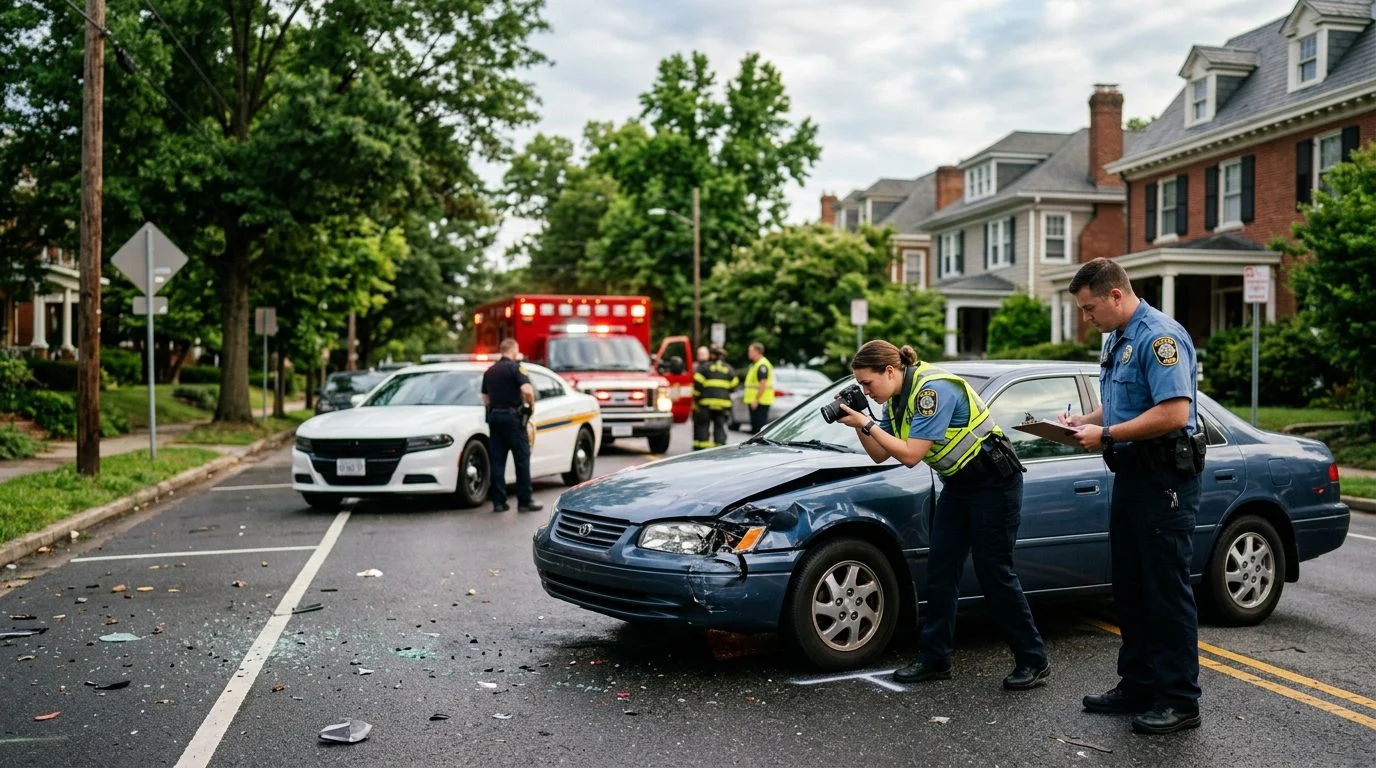
A Virginia crash report is the written record of a crash, prepared by the officer who investigates it. It usually lists the date, time and place of the crash, the vehicles and drivers involved, any passengers and injuries, and what the officer saw at the scene.
Officers often write it from what they observe and from what drivers and witnesses tell them at the time. That means the first version can be shaped by the information available that day.
The report is one record among several. Officer notes, photographs, witness statements, vehicle damage records and medical records each tell part of the story. A common mistake is treating the report as the final word on what happened, when other records often add detail the officer could not see.
For an overview of the injuries and claims that can follow a crash, see the crash injury overview.
Not sure what your next step is?
Talk it through with Correll Law Firm — we can walk you through how a situation like yours is usually handled and what your options are.
The duty to stop and report a crash
Virginia requires a driver involved in a crash with injury or death to stop and report it to police immediately (Va. Code §§ 46.2-371, 46.2-894). The statutes are Va. Code § 46.2-371 and Va. Code § 46.2-894.
Section 46.2-894 requires a driver involved in an accident in which a person is killed or injured, or in which an attended vehicle or other attended property is damaged, to report his or her name, address, driver’s license number and vehicle registration number to the State Police or local law-enforcement agency, or to the injured person (if able to understand and retain the information), the other vehicle’s driver or occupant, or the custodian of damaged property. It also requires the driver to give reasonable help to anyone injured, including taking the injured person to a doctor or hospital if treatment is clearly needed or the injured person asks for it.
If injuries keep the driver from reporting at the scene, the driver must make the report as soon as reasonably possible. The duty covers every driver involved, not only the one who may be at fault.
A willful failure to report under § 46.2-371 is a Class 4 misdemeanor. A violation of § 46.2-894 that involves injury or death is a Class 5 felony.
This duty concerns reporting to police. It is separate from the time limit for filing a lawsuit, which the sections below explain.
Is an accident report public record in Virginia?
The Virginia DMV explains who may submit and request a police crash report, so start there. Its crash and injury reporting page covers who may submit a report. Its police crash report requests page describes DMV’s role in keeping official records of reportable crashes.
The Virginia State Police guidance also covers how crash records are handled and how to obtain a crash report. Those agency pages hold the current steps for a request, and they are the right place to check details before you ask.
Access to a report is a separate question from who was at fault or how a claim is valued. Families asking for a report after a fatal crash often start while details are still fresh, and that is a sensible time to begin.
Reporting a crash versus filing a lawsuit
Reporting a crash and filing a lawsuit follow different rules and different time limits. Virginia generally allows two years from the date of injury to file a personal injury lawsuit (Va. Code § 8.01-243(A)); the clock runs from the date of injury, not the date of discovery, with narrow exceptions. The statute is Va. Code § 8.01-243.
Some claims carry notice requirements that run out sooner. You may wish to talk with a Virginia lawyer about your own timing.
A criminal case can also affect the civil clock. Under Va. Code § 8.01-229, when a criminal prosecution arising from the same facts is pending, that time is not counted toward the civil deadline.
How the report fits with other evidence
The crash report works best when read next to the other records from the crash. Witness statements can fill gaps the report leaves. For more on that, see witnesses after a car crash.
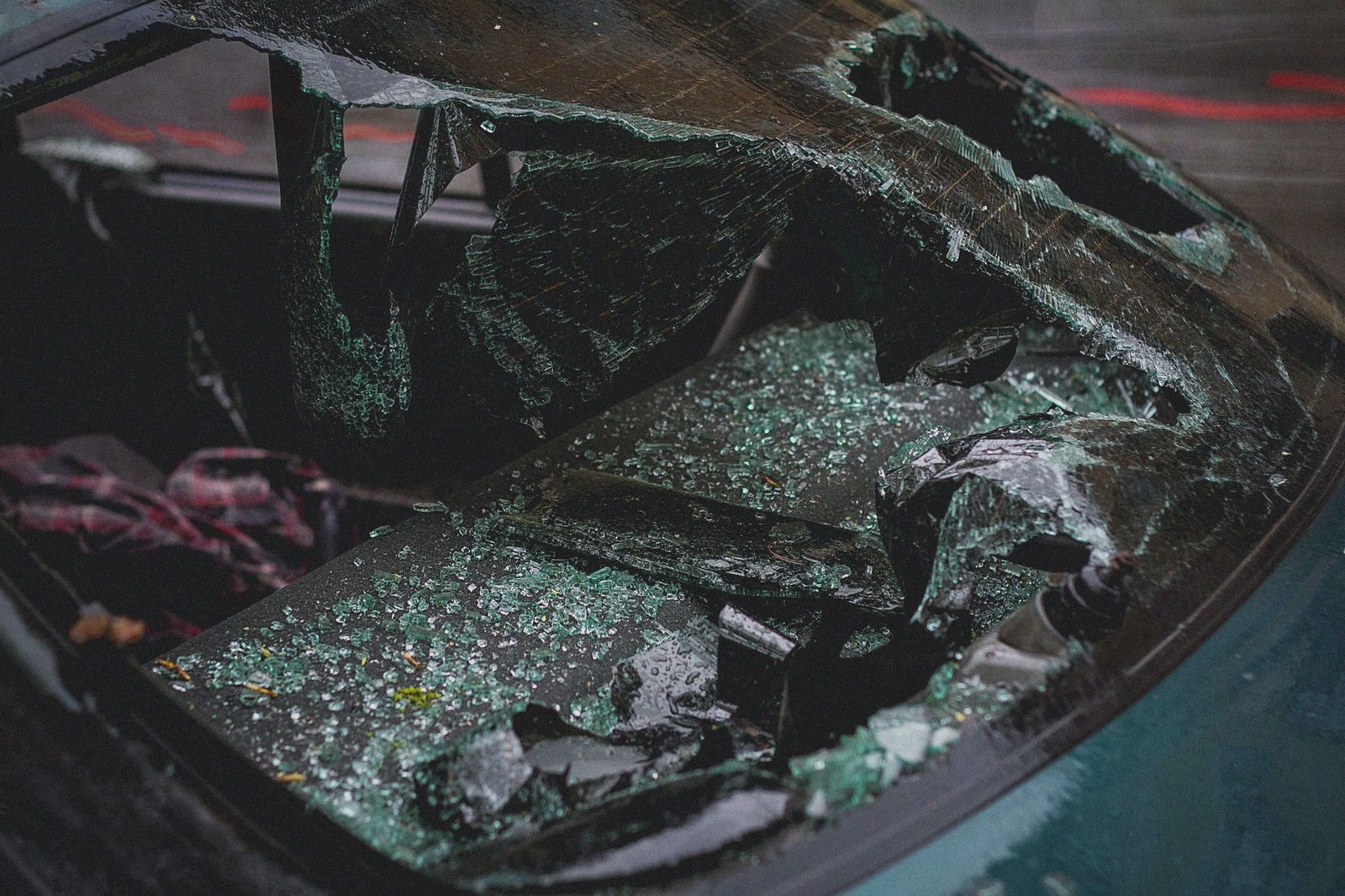
Photographs of the vehicles, the road and the scene can show damage and positions that a short written summary describes only briefly. Medical records matter too, because they show what treatment was given and when. Comparing them with the report can show where details match and where they do not. Each record can support or contradict the others, so comparing them matters.
Some injuries are not obvious at the scene. Fractures are one example, and broken bones after a car crash covers them in more detail. Keep the report with your other papers, and write down what you remember while it is still fresh.

Passengers and families of people killed in crashes
A passenger who was hurt is one example of such an injured person. The passenger’s place in the crash report can differ from the drivers’, as passenger injuries after a car crash explains.
A Virginia wrongful death action is filed by the decedent’s personal representative within two years of the death (Va. Code §§ 8.01-50(C), 8.01-244(B)), on behalf of the family members the statute protects. The deadline appears in Va. Code § 8.01-244, and the personal representative’s role appears in Va. Code § 8.01-50.
A crash report may be one of the records reviewed in that kind of case.
Quick answers
Does a crash report decide who was at fault?
No. It is one record among several, and it does not settle fault on its own.
Can a family use a crash report after a fatal crash?
Families often review it to understand what happened, subject to the request rules above.