
Car Accidents | Virginia
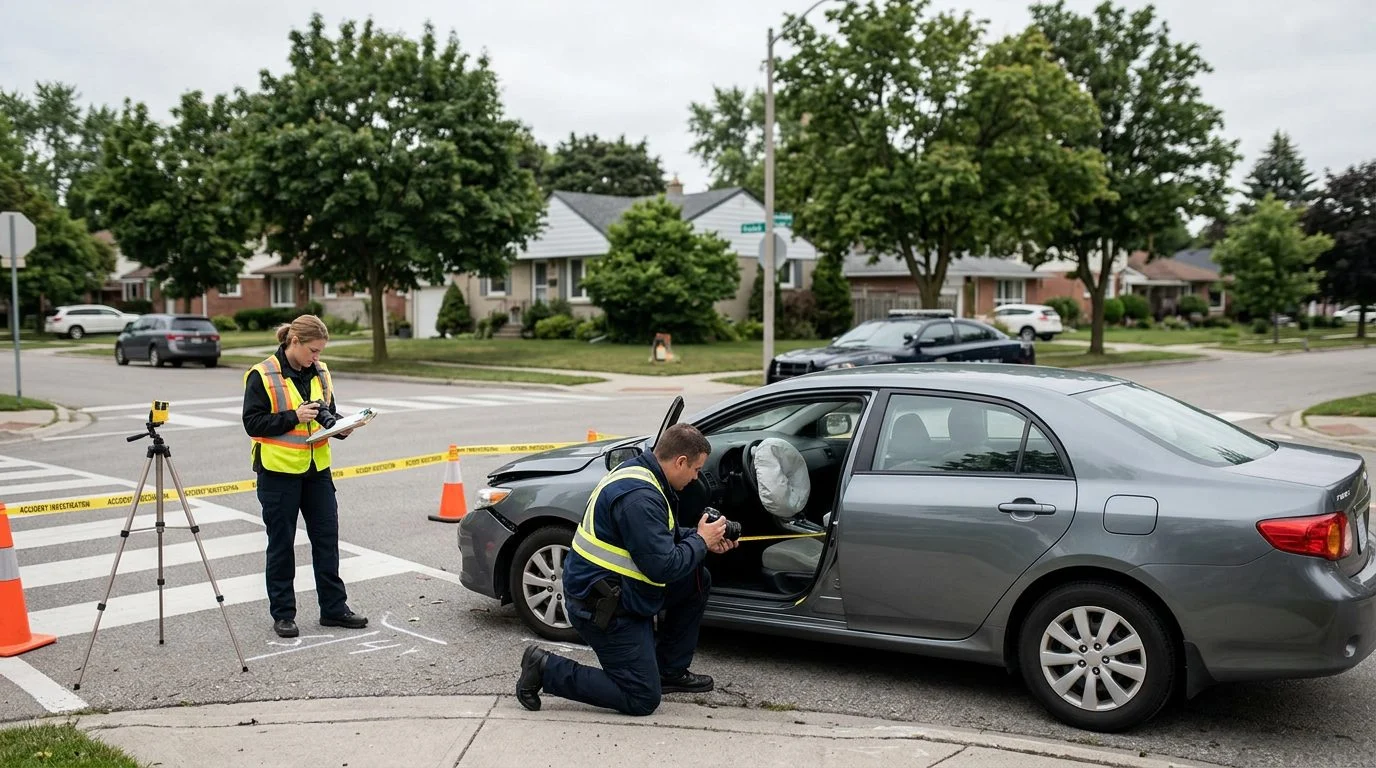
Airbags Protect Drivers, but Can They Still Leave a Brain Injury?
A crash can cause a head injury even when the airbag works as designed. Here is how these injuries happen, what symptoms to watch for, and why a medical check matters.
Published November 9, 2026
After a crash, many people wonder whether the airbag that hit them could have injured their brain. Airbag deployment can contribute to a brain injury, but a brain injury can also happen when no airbag touches the head.
This guide explains how airbags work, how a brain injury can happen in a car accident, which signs deserve attention, and what Virginia law says about deadlines and fault. If you are reading this after a crash, the information below can help you think through what happened and what to watch for.
How Airbags Deploy and Why They Are Designed to Protect the Head
Airbags are built to cushion the head and chest between the occupant and hard surfaces such as the steering wheel, dashboard or side structures. Crash sensors detect a sudden, severe change in motion and signal the airbag to inflate. The driver doesn’t trigger the airbag, and the sensors decide when it fires.
Depending on the vehicle, airbags may deploy in frontal, side and some other crash types. Seat position matters because the system is designed around an occupant sitting upright. Airbags are one part of a larger safety system in the vehicle, and each part has a role.
An airbag works with the seat belt. It adds protection and does not replace the belt. Because the bag inflates so quickly, it can also strike the face and head hard.
Not sure what your next step is?
Talk it through with Correll Law Firm — we can walk you through how a situation like yours is usually handled and what your options are.

Can Airbag Deployment Cause a Brain Injury?
Yes, airbag deployment can contribute to a brain injury when the head or face strikes an inflating airbag or a nearby hard surface. The bag comes out fast and can hit the head with real force, especially when a person sits close to the steering wheel or dashboard. Seat position and the direction of the impact can change how the bag meets the body.
Crash forces and airbag contact can overlap, so an injury may come from both at once. A person can be hit by an airbag and have only bruises, so the same bag doesn’t produce the same result in every crash. Vehicle crashes can cause moderate to severe traumatic brain injuries, according to the Brain Injury Association of America. That makes the question worth a careful look rather than a quick answer.
Only a doctor can diagnose a brain injury, according to Brain Injury Services, so the answer comes from a medical evaluation. Whether a brain injury occurred depends on the facts of the crash and the medical findings.
Brain Injury Can Happen Without Airbag Contact
A brain injury can happen even when the head never strikes the airbag or the steering wheel. The brain sits inside the skull and can move quickly when a vehicle stops, turns or is struck. That sudden movement can injure brain tissue without a direct blow to the head.
A person who did not hit the airbag can still have a brain injury. A person who was struck by the airbag may have no brain injury at all. The mechanism alone does not settle the question. Medical providers look at the full picture, including the crash forces, the symptoms and the exam, before they reach a diagnosis.
Commercial vehicle crashes often involve heavier vehicles and larger forces, so head injuries in those crashes also deserve a prompt medical check. Symptoms don’t always match the impact a person remembers, which is one reason a medical check after any head impact is worth it.
Signs of a Brain Injury After an Airbag Crash
Signs of a brain injury can include headache, dizziness, confusion and memory gaps, and some appear hours or days later. Some people also notice sensitivity to light or noise, sleep changes, or feeling dazed or slowed down. Early symptoms can be mild, and a person may feel they should simply rest.
A lack of symptoms right after the crash does not rule out an injury, so any head impact deserves a medical check. Symptoms can change from day to day, so track how they change rather than only the first day. Friends and family often notice changes before the injured person does, and their observations are worth recording.
Get medical care right away for repeated vomiting, a worsening headache or a seizure. Also seek care for unequal pupils, slurred speech, weakness, numbness or loss of consciousness. If anyone around you notices confusion, drowsiness or unusual behavior, mention it to a medical provider.
How Long Does Recovery Take and Can a Brain Injury Affect You Years Later?
Recovery time varies widely, and some brain injuries have effects that last well beyond the first weeks. Vehicle crashes can cause brain injuries with effects on physical abilities, relationships, home life and employment, and on recovery after rehabilitation, according to the Brain Injury Association of America.
Some changes in memory, concentration, mood or sleep can appear or continue months later. Timelines differ with the injury, the person’s health before the crash and the treatment received. Ongoing follow-up with a medical provider is the way to track these changes over time, and a medical provider may recommend visits that keep the record current.
Many people find that work and family routines shift during recovery, and those changes are part of what a medical provider and the person should record.
Other Injuries Airbags Can Cause Alongside a Head Injury
Airbags can cause facial injuries, chest bruising and neck strain along with a head injury. The bag can leave abrasions and bruising across the face. Forearms and hands can be bruised when they are near the wheel or dashboard at the moment the bag inflates.
Some people report skin irritation or burns from the powder and gases released when the bag inflates. Because several injuries can occur together, a full medical evaluation is useful even when one injury looks minor. Documenting every injury, not just the most serious one, gives a provider the full picture.
Neck and spine injuries can be easy to overlook when the head injury gets the most attention. A medical provider can check each area and note every finding in the record.
Not sure what your next step is?
Talk it through with Correll Law Firm — we can walk you through how a situation like yours is usually handled and what your options are.
What to Document and Tell Your Medical Provider After an Airbag Crash
Tell your medical provider exactly where your head struck and whether the airbag deployed. Describe whether you lost consciousness, even briefly, and list every symptom, including minor ones. Write down the date each symptom started and how it changes over time.
Note the time of the crash and the time symptoms began, because those details help a provider. Keep copies of the crash report, photos of the vehicle interior, and notes about missed work and daily activities. If a crash report lists the other driver’s details, keep that information with your other records.
Virginia requires a driver involved in a crash with injury or death to stop and report it to police immediately (Va. Code §§ 46.2-371, 46.2-894). The two-year period is the deadline to file a lawsuit, not to report a crash. Bring these notes to every appointment so the record reflects what you noticed at each stage.
Virginia Legal Points for Brain Injury Claims From Car and Truck Crashes
Virginia generally allows two years from the date of injury to file a personal injury lawsuit (Va. Code § 8.01-243(A)); the clock runs from the date of injury, not the date of discovery, with narrow exceptions.
Virginia follows contributory negligence: if you are found even partly at fault, you may be barred from recovering, with limited exceptions. Talk to a lawyer about your facts.
This can matter in truck crashes, where more than one party may share responsibility.
A Virginia wrongful death action is filed by the decedent’s personal representative within two years of the death (Va. Code §§ 8.01-50(C), 8.01-244(B)), on behalf of the family members the statute protects. Family members share in any recovery, and the statute sets who qualifies (Va. Code § 8.01-53). For a broader overview, see traumatic brain injury in crashes.

Frequently Asked Questions About Airbags and Brain Injuries
Can airbag deployment cause a brain injury without a loss of consciousness?
Yes, a brain injury can occur without a loss of consciousness, so a medical check is useful after any head impact.
Can you have a brain injury if you did not hit your head?
Yes, a brain injury can happen without a direct blow to the head, which is why a medical evaluation matters after a crash with strong forces.
What is the most common injury from airbags?
Facial abrasions, bruising and neck strain are among the injuries airbags can cause, and they vary with the crash and seating position.
Can a traumatic brain injury affect a person years later?
Vehicle crash brain injuries can affect physical abilities, work and relationships during recovery, according to the Brain Injury Association of America.
How fast do airbags deploy?
Airbags inflate in a fraction of a second after crash sensors detect a sudden, severe impact.