
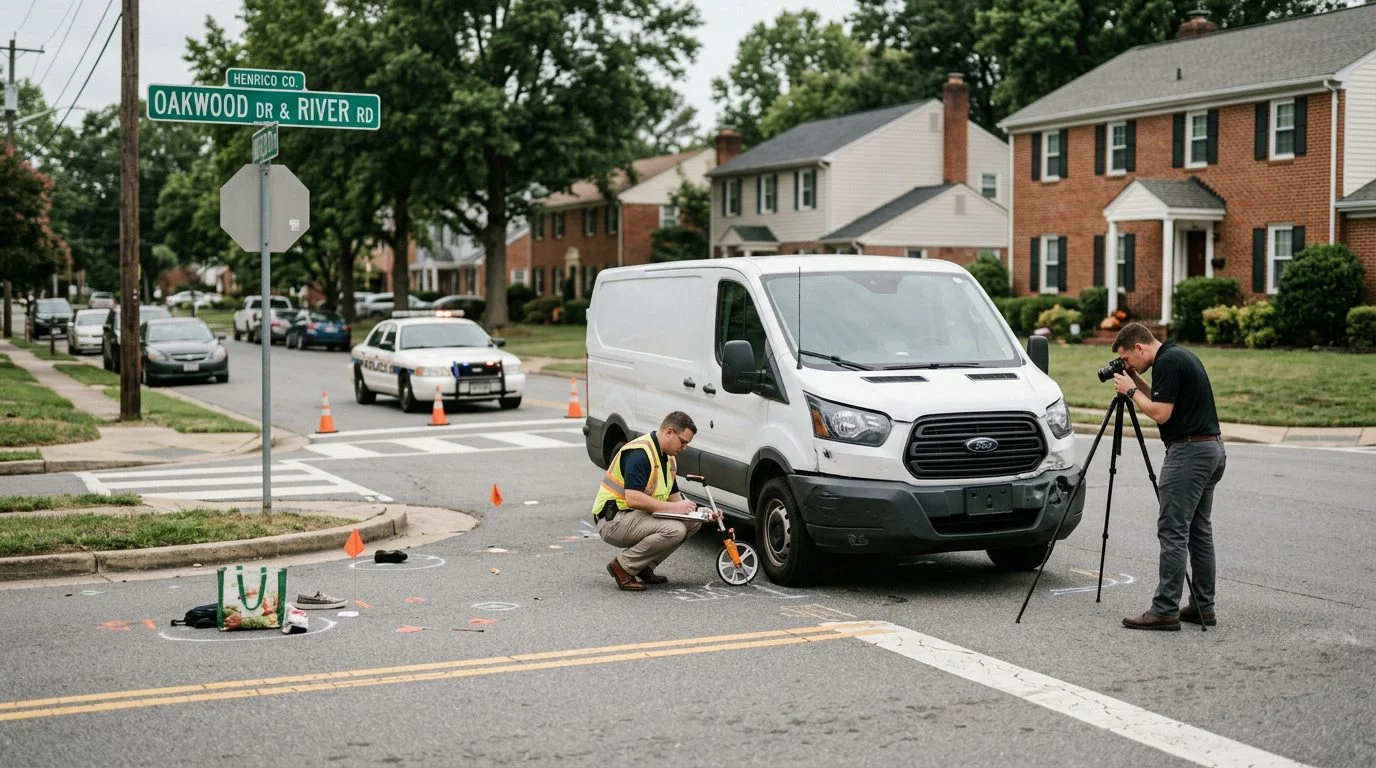
Hurt in a Work Van Crash? Brain Injury Claims for Henrico County Families
Correll Law Firm focuses on people seriously hurt in car and commercial vehicle crashes, including traumatic brain injuries, and serves Richmond, Henrico County and the Shenandoah Valley.
Published November 7, 2026
A work van crash brain injury claim seeks compensation after a head injury caused by a crash involving a van used for work. If you are looking for a work van crash brain injury lawyer in Henrico County, this page explains the basics in plain language.
What a Work Van Crash Brain Injury Claim Covers
The claim covers the losses a brain injury causes, and the van may be owned by a company, a contractor, or the driver. A work van is any van used to do a job. That can mean a company-owned van, a contractor’s van, or a personal vehicle driven for work.
The injured person brings a claim for their own losses. Passengers, other drivers, and people on foot may each have their own claim after a van crash. After a death, the decedent’s personal representative brings a different kind of claim on the family’s behalf, covered in the FAQ below.
The claim may address several kinds of loss:
- Medical treatment, rehabilitation, and medical bills from the injury.
- Lost income and any reduced ability to earn in the future.
- How the injury affects daily life, memory, mood, and relationships.
Virginia law says that in any suit brought for personal injury or death, provable lost income is not reduced because of reimbursement from another source (Va. Code § 8.01-35).
The firm handles car accidents, truck accidents, commercial vehicle accidents, catastrophic injuries, traumatic brain injury, spinal cord injury, and wrongful death.
If a van crash left you or someone you love with a brain injury, you may have a claim worth discussing with the firm. Talk it through with Correll Law Firm — we can walk you through how a situation like yours is usually handled and what your options are.
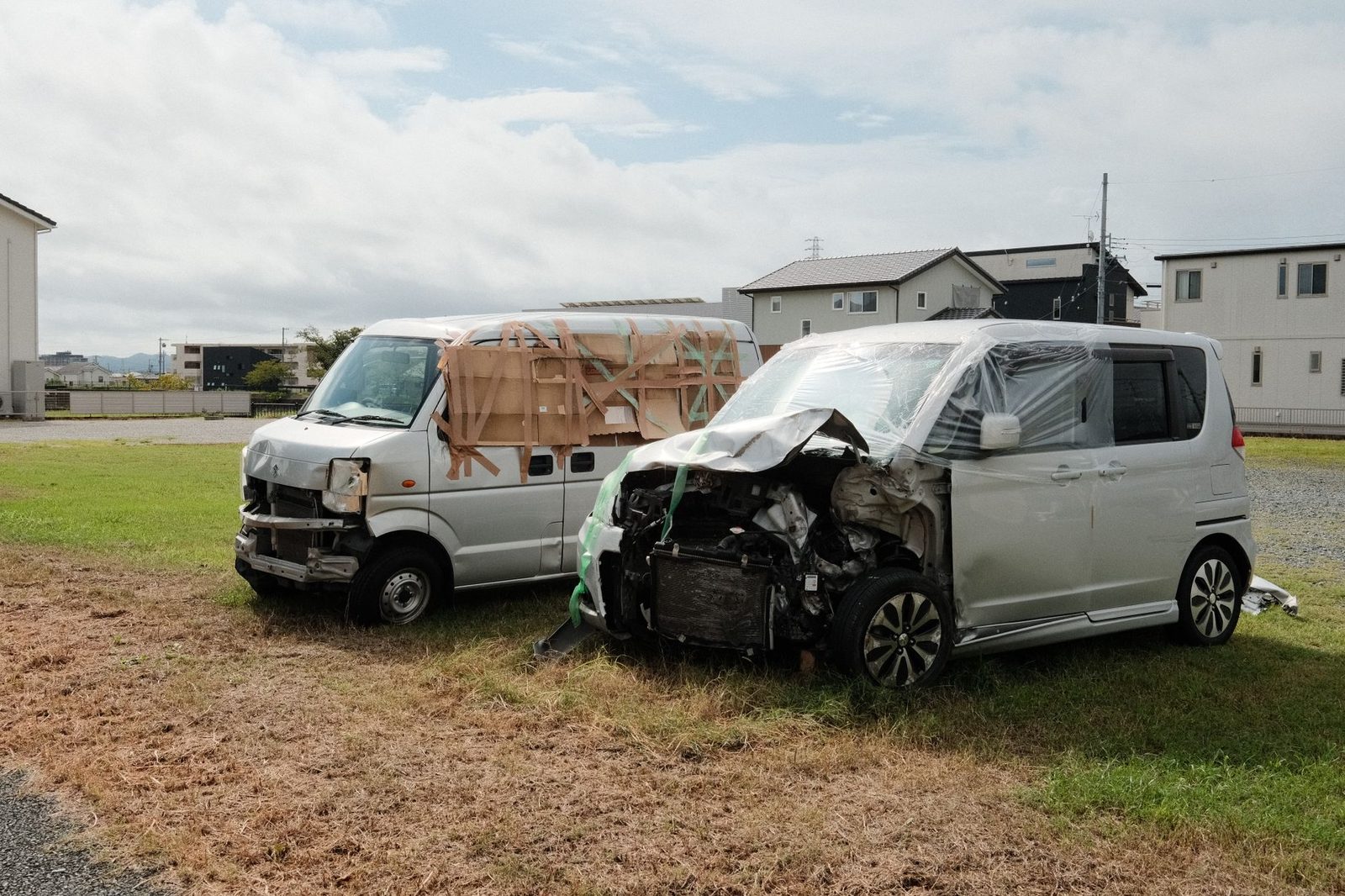
Brain Injuries After Van and Commercial Vehicle Crashes
A brain injury after a van crash can range from a mild concussion to a severe injury that needs long-term care.
The Brain Injury Association of America reports that vehicle crashes can cause moderate to severe traumatic brain injuries and other bodily injuries (Brain Injury Association of America).
Doctors may use terms like concussion, contusion, or subdural hematoma. Each term describes a different kind of injury.
Symptoms can be slow to appear. Headaches, memory problems, mood or sleep changes, and trouble concentrating may start days after a crash.
Early medical care helps your health and creates records that link the injury to the crash. Write down each symptom, the date it started, and how it affects work, driving, and family life.
Crashes with heavy vehicles or at high speed can cause more serious harm. A spinal cord injury can occur in the same crash, so doctors may check the spine as well as the brain.
Brain injury effects can change over time. Some people need ongoing therapy, work changes, or help at home. Records that track these changes give a clearer picture of the injury.
Virginia’s Department for Aging and Rehabilitative Services describes community-based brain injury services, including case management and structured daytime programs (Virginia Department for Aging and Rehabilitative Services). These services may help people living with a brain injury.
Who May Be Responsible When a Work Van Is Involved
More than one person or company can be connected to a work van crash, including the driver, another motorist, or the van’s owner.
Possible parties include:
- The driver of the work van.
- Another driver, including the driver of a commercial truck.
- The van’s owner, which may be a company, a contractor, or an individual.
- Anyone whose choices affected the trip, such as the person who set the route or loaded the cargo.
A lawyer may look at maintenance records, cargo loading, dispatch and route decisions, and vehicle data. These records can show how the crash happened and who had control over the van.
Virginia law says it is a valid defense to an action for the negligent operation of a vehicle for a vehicle owner to prove the van was driven without the owner’s knowledge or consent, express or implied. A vehicle owner may defend a negligent-operation claim by proving the vehicle was being driven or used without the owner’s knowledge or consent, express or implied, and the burden of proving that falls on the owner (Va. Code § 8.01-65). The owner carries the burden of proof on that defense (Va. Code § 8.01-65).
How Fault Is Decided and Why It Matters
Fault is usually the central question in a crash claim, and the evidence is used to answer it.
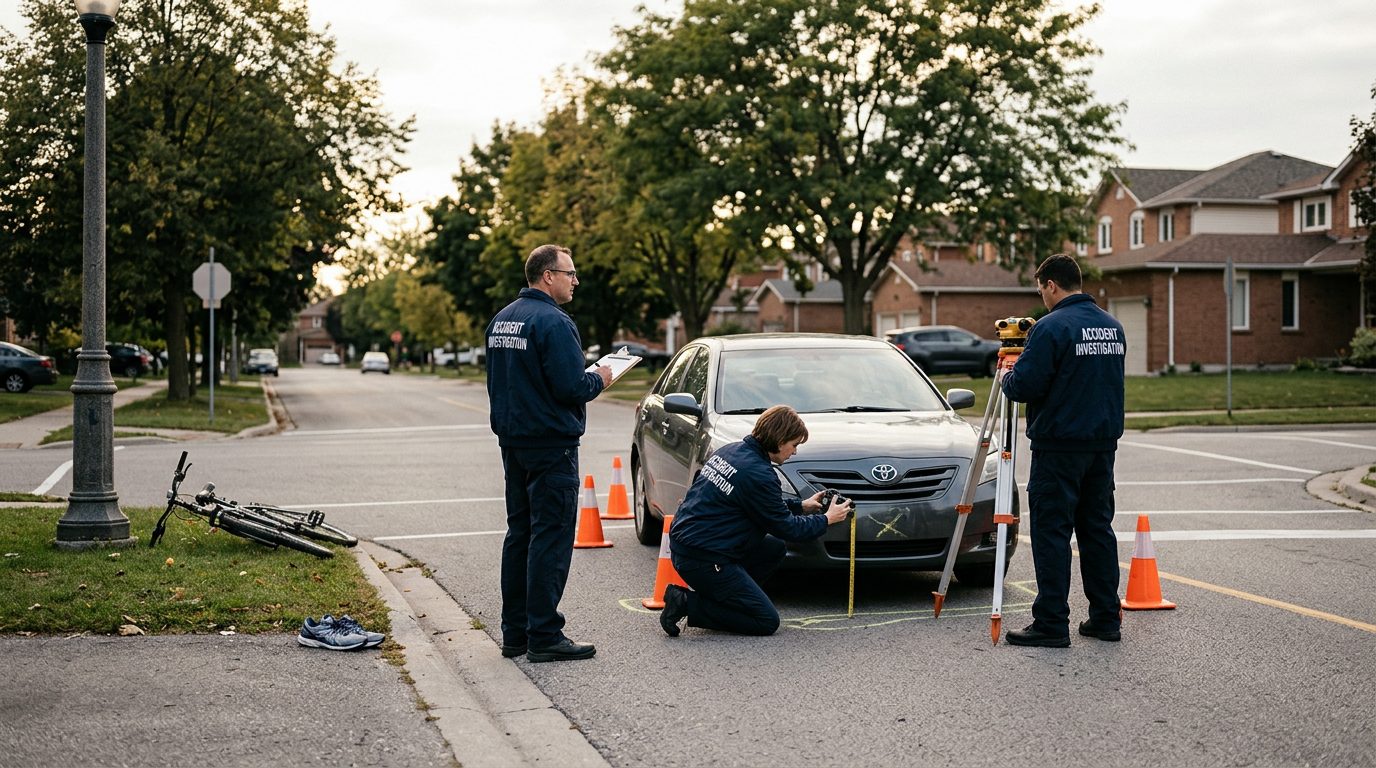
Police reports, vehicle damage, medical records, and witness statements help show what happened and in what order. Keep your own copies of anything you receive from insurers.
Virginia’s rule on shared fault comes next.
Virginia follows contributory negligence: if you are found even partly at fault, you may be barred from recovering, with limited exceptions. Talk to a lawyer about your facts.
How the Claim Process Works, Step by Step
A brain injury claim usually moves through medical care, evidence gathering, investigation, and then negotiation or a lawsuit.
- Medical care. See a doctor promptly, attend follow-up visits, and keep records of every test and symptom.
- Evidence. Keep the crash report, photos, vehicle information, and witness names. Virginia requires a driver involved in a crash with injury or death to stop and report it to police immediately (Va. Code §§ 46.2-371, 46.2-894).
- Investigation. Identify each party, insurance information, and vehicle ownership records. This step can take time.
- Evaluation. Review the medical picture and how long recovery is expected to take. That timing depends on the facts of each case.
- Negotiation or lawsuit. Virginia generally allows two years from the date of injury to file a personal injury lawsuit (Va. Code § 8.01-243(A)); the clock runs from the date of injury, not the date of discovery, with narrow exceptions. Some claims carry notice requirements that run out sooner.
Keep copies of every bill, letter, and insurer message. Steps can overlap, so the timeline varies.
Who the Firm Represents and Where It Works
The firm represents people hurt in serious crashes across the Shenandoah Valley, Richmond, and Henrico County.
The firm handles brain injury claims that follow work van crashes for people in Henrico County. It focuses on serious injury matters, including catastrophic brain and spinal cord injuries.
The firm’s offices are in Winchester and Harrisonburg, and it represents people in Henrico County and Richmond.
Brain injury claims often depend on medical records that show the injury and its effects over time. Those records often matter as much as the crash report.
The firm also handles wrongful death matters, which follow the separate process explained in the FAQ below.
Not sure what your next step is?
Talk it through with Correll Law Firm — we can walk you through how a situation like yours is usually handled and what your options are.
Frequently Asked Questions
Can I file a claim if the van was owned by a company?
A company that owns the van may be one of several parties connected to the crash. The facts of the crash decide who is responsible.
What if my symptoms started days after the crash?
Brain injury symptoms can appear days later, so tell a doctor about every change. Keep a written record of each symptom and its date.
Does a brain injury claim cover family members?
The injured person brings their own claim. A Virginia wrongful death action is filed by the decedent’s personal representative within two years of the death (Va. Code §§ 8.01-50(C), 8.01-244(B)), on behalf of the family members the statute protects.
Does a crash report start the two-year clock?
No. The two-year period sets the deadline to file a lawsuit (Va. Code § 8.01-243), not the deadline to report a crash.