
Virginia Passenger Car Accident Claims
Hurt as a Passenger? Understand Your Options After a Virginia Car Crash
Passengers did not cause the crash, but they can still bear the injuries. Here is how passenger car accident claims generally work under Virginia law.
Published October 26, 2026
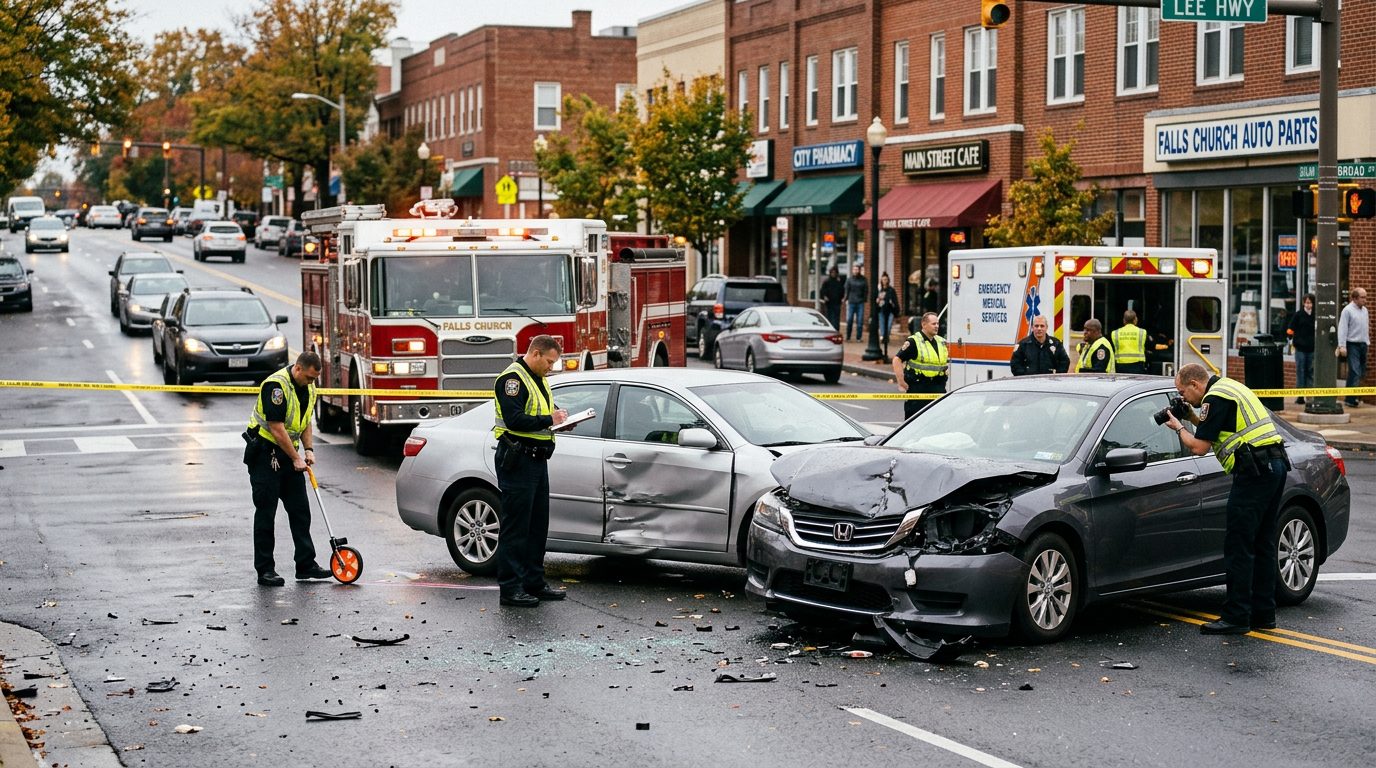
Can a Passenger Hurt in a Falls Church Car Accident Bring a Claim?
Often, a passenger may have a claim. A passenger hurt in a crash may be able to pursue a claim against the driver or drivers whose conduct contributed to it. The firm is based in Winchester, Virginia, and represents people hurt in car and truck crashes.
Passengers end up in these cases in many ways. Some were riding in a friend’s car. Others were in a family member’s vehicle, a rideshare, or a vehicle used for work. Some were in a car whose driver did nothing wrong. Each setup raises different questions.
When two drivers both act carelessly, the question is who is responsible for what. That can matter when a passenger is hurt by two drivers at once.
If the driver was working at the time, the answer may change. A rideshare or delivery driver may fall into this category, depending on the facts.
For a broader look at these claims, read the car and truck accident claims overview. The firm handles matters across the Shenandoah Valley and Richmond.
Not sure what your next step is?
Talk it through with Correll Law Firm — we can walk you through how a situation like yours is usually handled and what your options are.
Steps to Take After the Crash
The first steps are reporting the crash and getting medical care for any injury. Both help protect your ability to pursue a claim later.
Virginia requires a driver involved in a crash with injury or death to stop and report it to police immediately (Va. Code §§ 46.2-371, 46.2-894). That report is a duty that happens right away. It is separate from the lawsuit deadline discussed below.
Get medical evaluation for any injury, even one that seems minor at the scene. Prompt care also creates a clear record that ties your injury to the crash.
Write down the date, time, and location as soon as you can. Note the police report number, the names and contact details of people at the scene, and the other vehicles involved. Take photos of the vehicles, the road, and any visible injuries.
If the other vehicle’s owner or driver cannot be identified, and it never made contact with your car, a separate reporting rule applies. Under Va. Code § 38.2-2206, for the insured to recover under the uninsured motorist endorsement, that accident must be reported promptly to the insurer or to a law-enforcement officer having jurisdiction in the county or city where it occurred, or as soon as reasonably practicable if prompt reporting is not reasonably practicable. You can read more about uninsured driver crashes in Virginia.
How Partial Fault Can Affect a Passenger’s Claim
Partial fault can decide whether a passenger recovers anything in Virginia. Virginia follows contributory negligence: if you are found even partly at fault, you may be barred from recovering, with limited exceptions. Talk to a lawyer about your facts.
Many passengers ask this question because they were not driving. They may feel they had no role in the crash. Still, the facts of the trip, the road, and each driver’s choices are what get reviewed to answer it.
Whether it fits a given crash is a question for a lawyer to review.
Insurers and other parties may ask passengers what they remember about the trip. Answer accurately and stick to what you actually recall.
Filing Deadlines and Notice Requirements
In most Virginia injury cases, the lawsuit deadline is two years from the injury. Virginia generally allows two years from the date of injury to file a personal injury lawsuit (Va. Code § 8.01-243(A)); the clock runs from the date of injury, not the date of discovery, with narrow exceptions.
That starting point matters for passengers. Imagine a passenger hurt in a friend’s car who waits months before asking questions about the claim. The two-year period still runs from the date of injury, not from the day the passenger decides to act.
Some claims carry notice requirements that run out sooner than the lawsuit deadline. Do not assume the full two years will be available for every part of a claim. Mapping these dates to your own facts is worth reviewing with a lawyer soon after the crash.
When a Passenger Dies in a Car Accident
A Virginia wrongful death action is filed by the decedent’s personal representative within two years of the death (Va. Code §§ 8.01-50(C), 8.01-244(B)), on behalf of the family members the statute protects.
They share in the recovery. Under Va. Code § 8.01-53, damages go to a defined group of beneficiaries. That group may include a surviving spouse and children. In some cases it may also include parents or other relatives. The statute sets specific conditions for each group.
Families often feel pressure to decide quickly during a painful time. Those questions are worth reviewing early with a lawyer.

Talking With Insurance Companies and Deciding Whether to Speak With a Lawyer
Keep a written record of every call and letter, and read any document before you sign it. Writing down dates, names, and what was said makes your account easier to follow later.
Insurance representatives may contact a passenger, even one who was not driving. It is reasonable to ask for time to review a request before answering. Be careful with recorded statements and signed releases until you understand what they cover.
No general article can say what a passenger’s claim may be worth. Figures you find online may not match your injuries, your facts, or the rules that apply to your claim.
Picture a passenger hurt in a friend’s car on a Falls Church road. That person is still dealing with the injury and with calls from the other driver’s insurer. That person may wish to talk with a lawyer about the facts before answering more questions.
Quick Answers
Can a passenger sue the driver of the car they were riding in?
A passenger may have a claim against that driver if the driver’s negligence contributed to the crash. The facts determine the answer.
Can a rideshare passenger have a claim against the company?
It may turn on whether the driver was working when the crash happened. A lawyer can review that question with the facts.
What if the other driver has no insurance?
Other coverage may be relevant, and the policy language and the facts determine which coverage applies.