
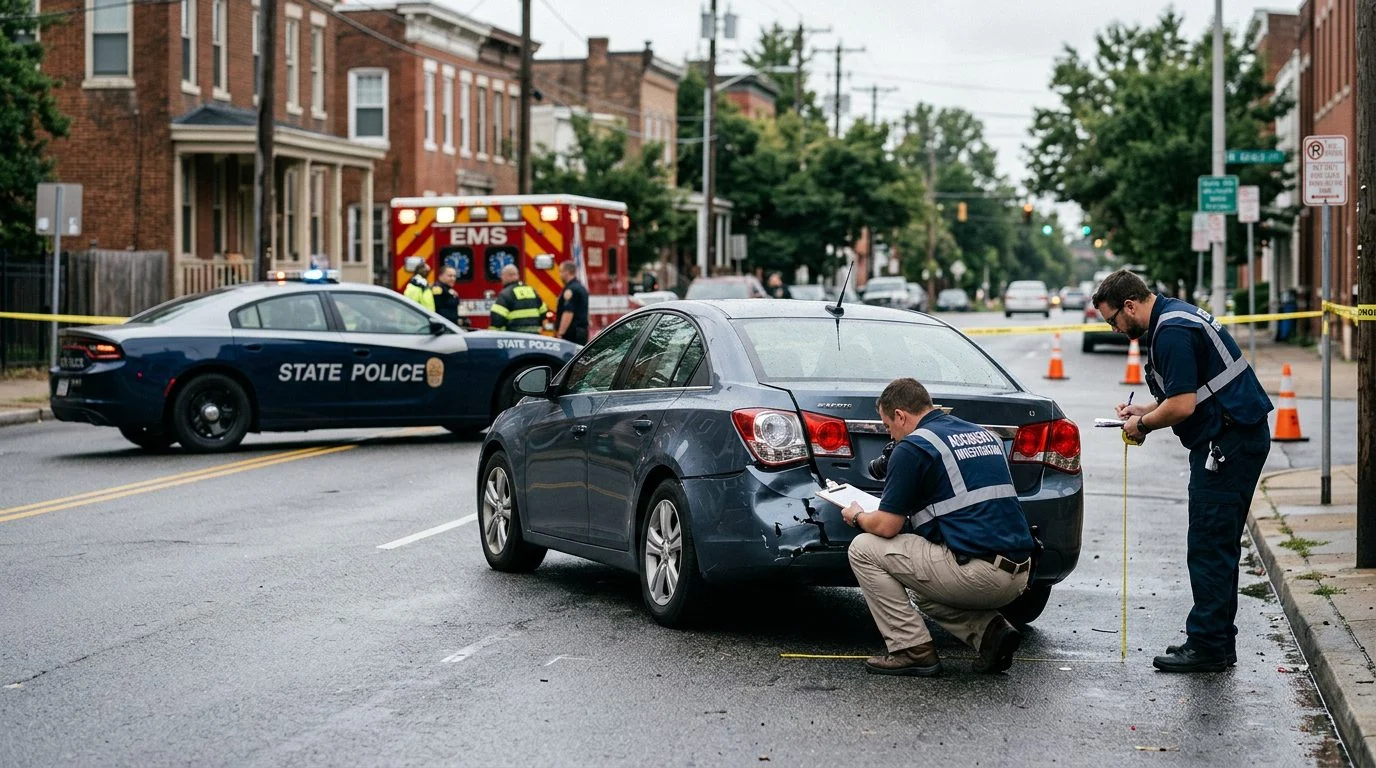
Virginia Car Accident Guide
Hit-and-Run Crash in Virginia? Know What to Do Next
A plain-language guide for drivers and families in the Shenandoah Valley and Richmond area, from Correll Law Firm.
Published October 29, 2026
A hit-and-run crash in Virginia is one where the other driver leaves the scene instead of stopping. If this happens to you, your first steps are safety, medical care, and a police report. This guide explains what to do, why the report matters, how deadlines work, and what shapes a car accident settlement in Virginia.
What Counts as a Hit-and-Run Crash in Virginia
A hit-and-run is a crash where the other driver leaves without stopping to exchange information or report the crash. The injured person may be left without the driver’s name, license number, or insurance details. That gap can make a claim harder to start.
Virginia requires a driver involved in a crash with injury or death to stop and report it to police immediately (Va. Code §§ 46.2-371, 46.2-894). The statute also requires that driver to help an injured person, including getting medical care when it is apparent or requested (Va. Code § 46.2-894).
A willful failure to make that report is a Class 4 misdemeanor (Va. Code § 46.2-371). Because the duty falls on the driver involved, a driver who leaves the scene is often a central issue in the claim.
If a driver left you hurt and you aren't sure what comes next, the firm is ready to talk through your situation and whether you may have a claim. Talk it through with Correll Law Firm — we can walk you through how a situation like yours is usually handled and what your options are.
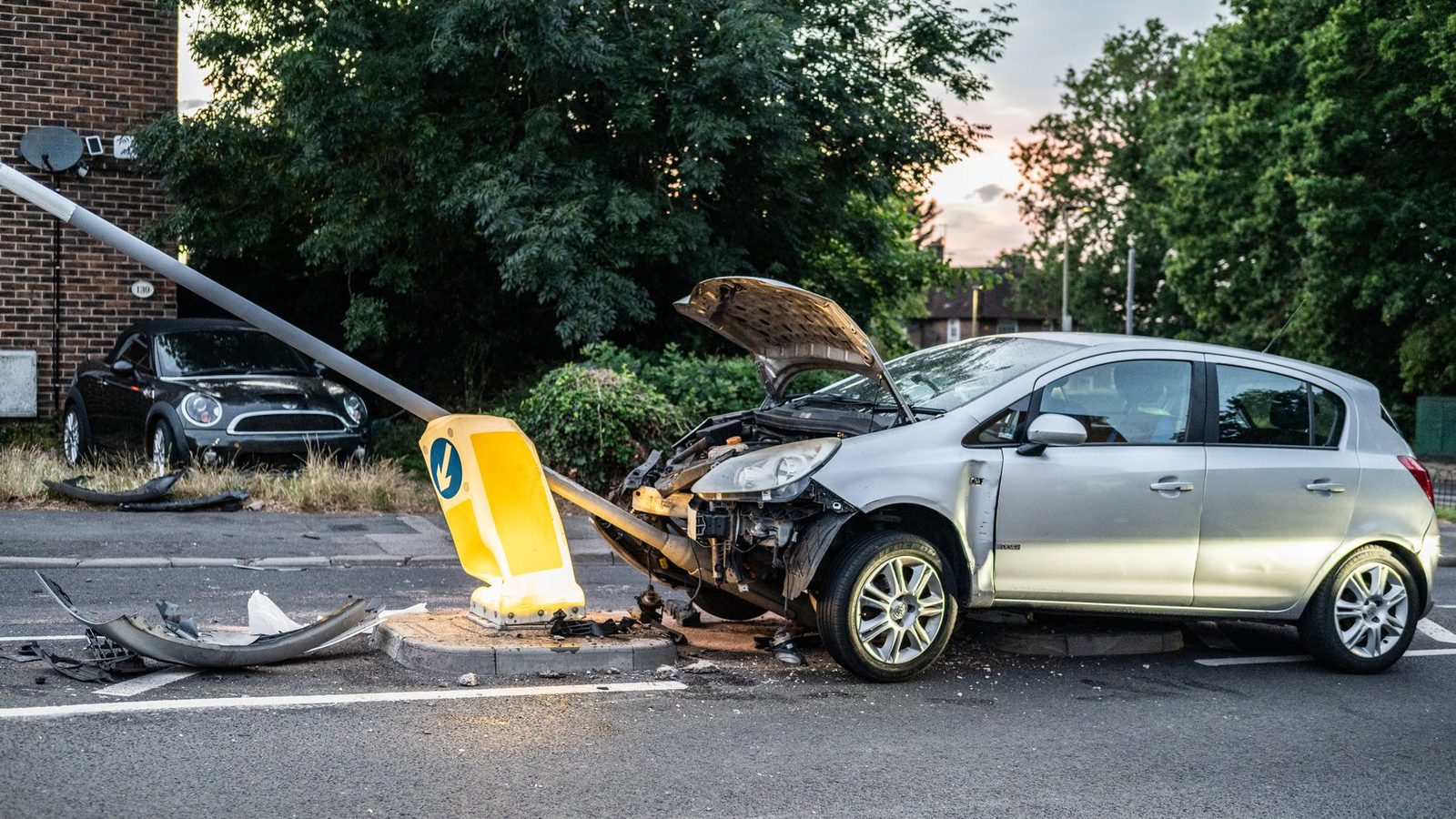
Steps to Take at the Scene
The first step is safety. If you can, move to a spot away from traffic and turn on your hazard lights. Then call 911 and tell the dispatcher that the other driver left.
Once you are safe, gather details while they are fresh:
- Describe the other vehicle. Note its make, model, color, a partial plate, and the direction it went.
- Take photos. Capture the scene, your vehicle, visible injuries, skid marks, and any debris in the road.
- Get witness names. Ask for names and phone numbers before people leave.
- Look for cameras. Nearby homes and businesses may have recorded the road. Ask the owners to keep any footage.
See a medical provider the same day, even if your symptoms seem minor. Brain and spinal injuries can cause symptoms that appear hours or days later.
Why the Police Report Matters
The police report is the first official record of the crash. It lists the date, time, and location, any injuries reported at the scene, and the officer’s observations.
If the other driver is found later, the report helps connect that driver to the crash. Officers also record witnesses and evidence that might otherwise be lost.
A police report is still only one piece of evidence. It does not, by itself, decide who is responsible or what a claim is worth.
Ask for a copy and read it closely. Check for errors such as a wrong date, location, or vehicle detail, and ask that any mistake be corrected.
Documenting Injuries and Treatment After the Crash
Medical records are the main proof of your injury. They show the diagnosis, the treatment ordered, and when symptoms started.
Keep every appointment and follow the treatment plan your doctor recommends. Describe your symptoms accurately at each visit, including the ones that seem small.
Whether a procedure such as an injection is needed is a medical decision made by the patient and their doctor. Those records document the injury, but they do not set a value on a claim by themselves.
A common mistake is a gap in treatment. Gaps make it harder to link later symptoms to the crash. Keep a simple log of missed work, lost wages, out-of-pocket bills, and daily tasks you can no longer do.
Deadlines to Know After a Hit-and-Run
The lawsuit deadline and the duty to report are two different clocks. Virginia generally allows two years from the date of injury to file a personal injury lawsuit (Va. Code § 8.01-243(A)); the clock runs from the date of injury, not the date of discovery, with narrow exceptions.
Reporting the crash happens immediately, long before any lawsuit deadline comes into play. For personal injury and fraud claims, the two-year period generally governs when a lawsuit must be filed, unless otherwise provided in this section or by other statute (injury-to-property claims have five years, and malpractice periods can be extended).
Some claims carry notice requirements that run out sooner than the filing deadline. You may wish to talk with a Virginia lawyer early about your specific timeline.
When a Hit-and-Run Results in a Death
A Virginia wrongful death action is filed by the decedent’s personal representative within two years of the death (Va. Code §§ 8.01-50(C), 8.01-244(B)), on behalf of the family members the statute protects.
Virginia wrongful death damages cover the family’s sorrow, mental anguish and loss of the decedent’s companionship, guidance and care; lost income and services; medical expenses from the injury; funeral expenses; and, for willful or wanton conduct, punitive damages (Va. Code § 8.01-52).
Families can ease the early stress by keeping the police report, hospital or medical examiner records, and funeral bills in one place from the start. For the broader process, read the firm’s guide to wrongful death in car and truck accidents.
Not sure what your next step is?
Talk it through with Correll Law Firm — we can walk you through how a situation like yours is usually handled and what your options are.
What Determines the Value of a Hit-and-Run Claim
A car accident settlement in Virginia depends on the facts of that crash, not on a number from someone else’s case. Key factors include the severity and permanence of the injury, documented treatment, lost income, and the strength of the crash evidence.
Online settlement figures from other crashes, injuries, or counties do not show what a particular claim is worth. Each claim has its own medical record, its own evidence, and its own insurance picture.
Virginia allows punitive damages for actual malice, or for willful or wanton conduct or recklessness showing a conscious disregard for the safety of others, capped at $350,000 (Va. Code § 8.01-38.1). A jury must find that the conduct met this standard before punitive damages are awarded.
In an action for personal injury or death arising from a felony violation of § 46.2-894, punitive damages may be awarded to the plaintiff (Va. Code § 8.01-44.5:1).

Local Reporting and Claims in Virginia Communities
The same reporting duty and filing deadlines apply across Virginia, whether the crash happens in a city or a rural county. The firm is based in Winchester and has an office in Harrisonburg.
Readers in Richmond can review the firm’s Richmond wrongful death crash page. Readers in Henrico County can review the Henrico County page.
What should I do first after a hit-and-run in Virginia?
Move to safety, call 911, and get medical care the same day. Write down what you remember about the other vehicle while the details are fresh.
Does a police report decide who is at fault?
No. It is one piece of evidence and does not, by itself, decide responsibility or the value of a car accident settlement.
Can punitive damages apply to a felony hit-and-run?
Virginia law allows punitive damages in some personal injury or death cases arising from a felony violation of § 46.2-894.