
Car Accidents | Virginia
Feeling Stuck After a Crash? Here's How Mental Recovery Often Unfolds
General information for Virginia drivers and families on emotional recovery after a car accident, from the Shenandoah Valley to the Richmond area.
Published October 21, 2026
So, how long does it take to mentally recover from a car accident? There is no single answer. For some people, emotional recovery feels steady within weeks. For others, fear, poor sleep or grief can last for months or longer.
This guide explains what is common after a crash, what can shape the timeline and when it may make sense to get help. It is general information, not a prediction about any one person, and it is written for readers across Virginia, from the Shenandoah Valley to the Richmond area.
Why the Answer Varies From Person to Person
Emotional recovery has no fixed timeline. People respond to trauma in different ways, so no two recoveries look the same.
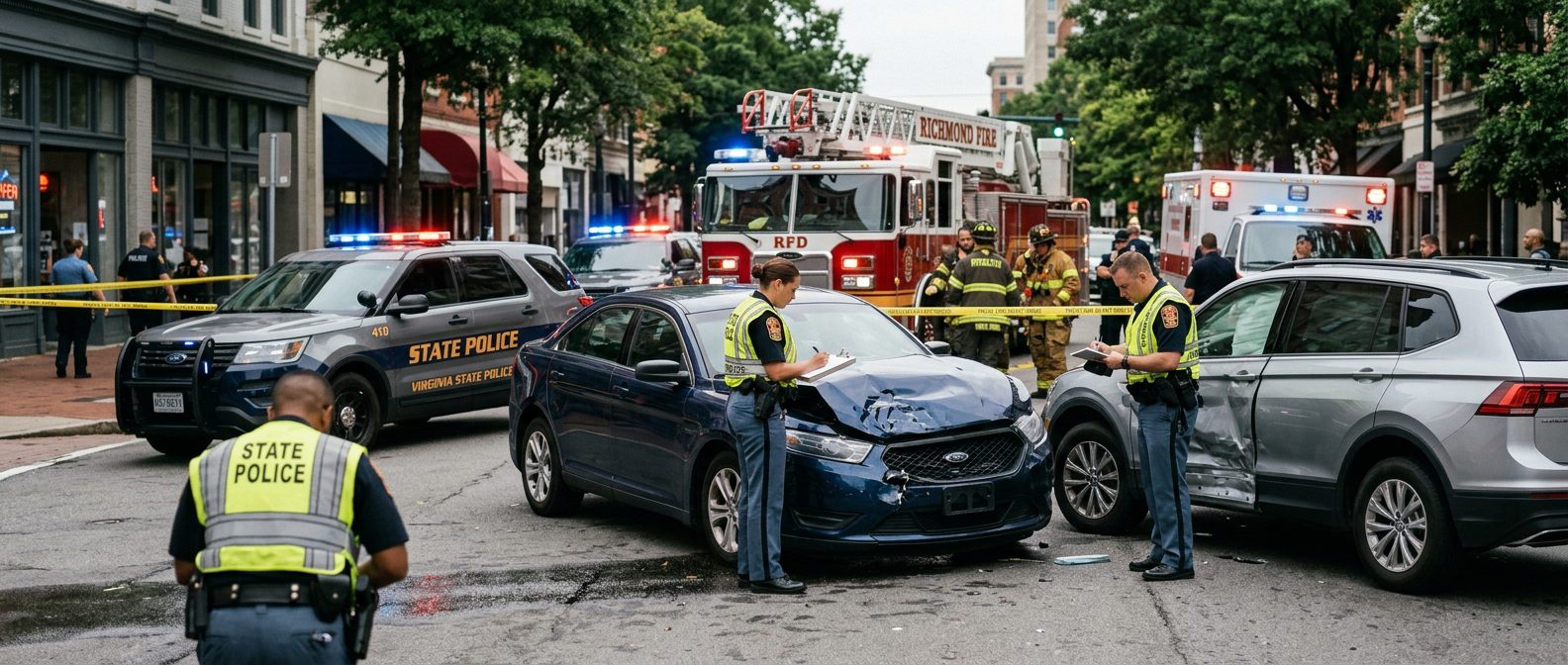
The crash itself matters. A minor collision that leaves a dented bumper is different from a highway crash that traps someone or leaves them badly hurt. A sudden death in a crash brings its own kind of grief. Research on transportation safety research has long documented how much crash severity varies from one collision to the next.
Physical injuries matter too. Pain, long hospital stays and uncertain medical news can keep stress high. Personal history matters as well. A person who has lived through past trauma, or who already dealt with anxiety or depression, may respond differently than someone without that history.
Support plays a role. Someone with close family or friends nearby may have a different day-to-day experience than someone who lives alone or has lost work.
Look at the direction of change over time. Is the person sleeping better, driving again or feeling less on edge? Steady progress is a good sign, even when it is slow. Setbacks are common and do not mean recovery has failed.
If a crash has left you shaken, you don't have to sort out your questions alone, and the firm is glad to talk through your situation with you. Talk it through with Correll Law Firm — we can walk you through how a situation like yours is usually handled and what your options are.

Emotional Reactions in the First Days and Weeks
Shock, numbness and fear are common right after a crash. Many people feel unreal, as if the event happened to someone else.
Racing thoughts and trouble sleeping are also common. So is jumping at sudden noises. Some people replay the crash again and again, especially at night. Driving past the scene or hearing squealing brakes can bring the whole event back in a rush.
These reactions are a normal response to a frightening event. They are often strongest in the first days. For many people, they ease gradually as the body and mind settle.
Some people feel fine at first and notice symptoms later. This pattern is often called delayed shock. A separate guide on delayed shock after a car accident covers it in more detail.
Reactions that fade over time are different from reactions that grow worse. The next section covers the second group.
Anxiety, Depression and Post-Traumatic Stress After a Crash
Anxiety, depression and post-traumatic stress disorder (PTSD) can all follow a car crash. Not every hard reaction is a disorder, but these conditions are worth knowing about.
Anxiety can show up as constant worry, tight muscles or panic attacks. Many people develop a fear of driving or of riding as a passenger. They may avoid certain roads, highways or bad weather. Avoidance can bring relief at first, but it often makes the fear harder to shake.
Depression can look like low mood, loss of interest, constant tiredness and pulling away from friends. It may affect work, sleep and appetite.
PTSD can include intrusive memories, nightmares, emotional numbness and strong reactions to reminders of the crash.
Symptoms that last longer than expected are a reason to seek an evaluation. So are symptoms that get in the way of work, parenting or daily tasks. A person does not need to wait for a crisis before asking for help.
Factors That Can Shape How Long Recovery Takes
Several factors can affect how long emotional recovery takes. None of them adds a fixed number of weeks or months.
Physical injuries can affect mood and sleep. Pain that limits movement can wear down patience and a sense of control. People with spinal or neck injuries often describe daily limits that add stress. The firm’s spinal cord injury page covers those injuries in more detail.
Head injuries can change memory, concentration and mood. These changes can make work and routines harder, which adds to the strain. The firm’s page on traumatic brain injury gives more context on these effects.
Prior mental health history matters. So does support from family and friends. Ongoing pain, time away from work and uncertainty about money or the future can keep stress high.
Each factor is general. Together, they help explain why two people in the same crash may recover at very different speeds.
When to Seek Professional Mental Health Care
A person may wish to speak with a doctor or licensed mental health professional when symptoms last, worsen or interfere with daily life.
Warning signs include persistent nightmares, frequent panic attacks, withdrawal from family, and drinking or drug use to cope. Trouble working or caring for children is another sign. Any of these is a reason to make an appointment, even if the crash feels far in the past.
A doctor can also check for physical causes of sleep trouble or fatigue. These can overlap with stress symptoms, so both sides deserve a look.
Anyone having thoughts of harming themselves should get help right away. In the United States, they can call or text 988 to reach the 988 Suicide and Crisis Lifeline at any hour.
How Physical Injuries and Legal Deadlines Affect the Timeline
Emotional recovery often runs alongside physical healing. Uncertainty about the body can slow the mind’s recovery. Waiting for test results or surgery can keep anxiety high. Progress in one area does not always match progress in the other.
Legal deadlines are a separate question. Virginia generally allows two years from the date of injury to file a personal injury lawsuit (Va. Code § 8.01-243(A)); the clock runs from the date of injury, not the date of discovery, with narrow exceptions.
A filing deadline is a legal date. It is not a measure of how long healing takes. Someone may still be recovering long after the date passes.
Families of someone who died in a crash face a separate set of rules. A Virginia wrongful death action is filed by the decedent’s personal representative within two years of the death (Va. Code §§ 8.01-50(C), 8.01-244(B)), on behalf of the family members the statute protects.
Not sure what your next step is?
Talk it through with Correll Law Firm — we can walk you through how a situation like yours is usually handled and what your options are.
Practical Steps That Support Emotional Recovery
Simple daily habits can support recovery. They do not replace an evaluation when symptoms persist.
Keep a regular sleep routine, even on hard days. Return to driving gradually, starting on quiet roads in daylight. Stay in touch with trusted people instead of isolating. Limit news coverage and social media posts about the crash, since repeated exposure can keep the event fresh.
Keep a short symptom journal. Write down when symptoms show up, how long they last and what seemed to set them off. A clear record helps a clinician understand what the person has been living through.