
Wrongful Death in Virginia
How Long Does a Wrongful Death Case Take in Virginia?
Understanding the timeline from filing to resolution can help your family plan ahead during a difficult time.
Published October 04, 2026
There is no set length for a wrongful death case in Virginia; some settle sooner and others take longer. The timeline depends on how complex the accident was, whether both sides are willing to negotiate, how busy the courts are, and whether the case goes to trial. Understanding the stages of the process can help you and your family plan ahead during an already difficult time.
The Wrongful Death Case Timeline in Virginia: What to Expect
Most wrongful death cases move through several predictable stages: investigation and filing, discovery (exchanging evidence), settlement negotiations or trial preparation, and finally resolution. Each stage takes time, and delays at one stage can push the overall timeline forward. The process is thorough by design—it takes time to gather evidence, understand liability, and build a case that honors your loved one’s memory.
If you've lost a loved one in a car or truck accident and are trying to understand what the legal process looks like, this page outlines the general stages a case may follow.

Investigation and Filing Your Wrongful Death Claim
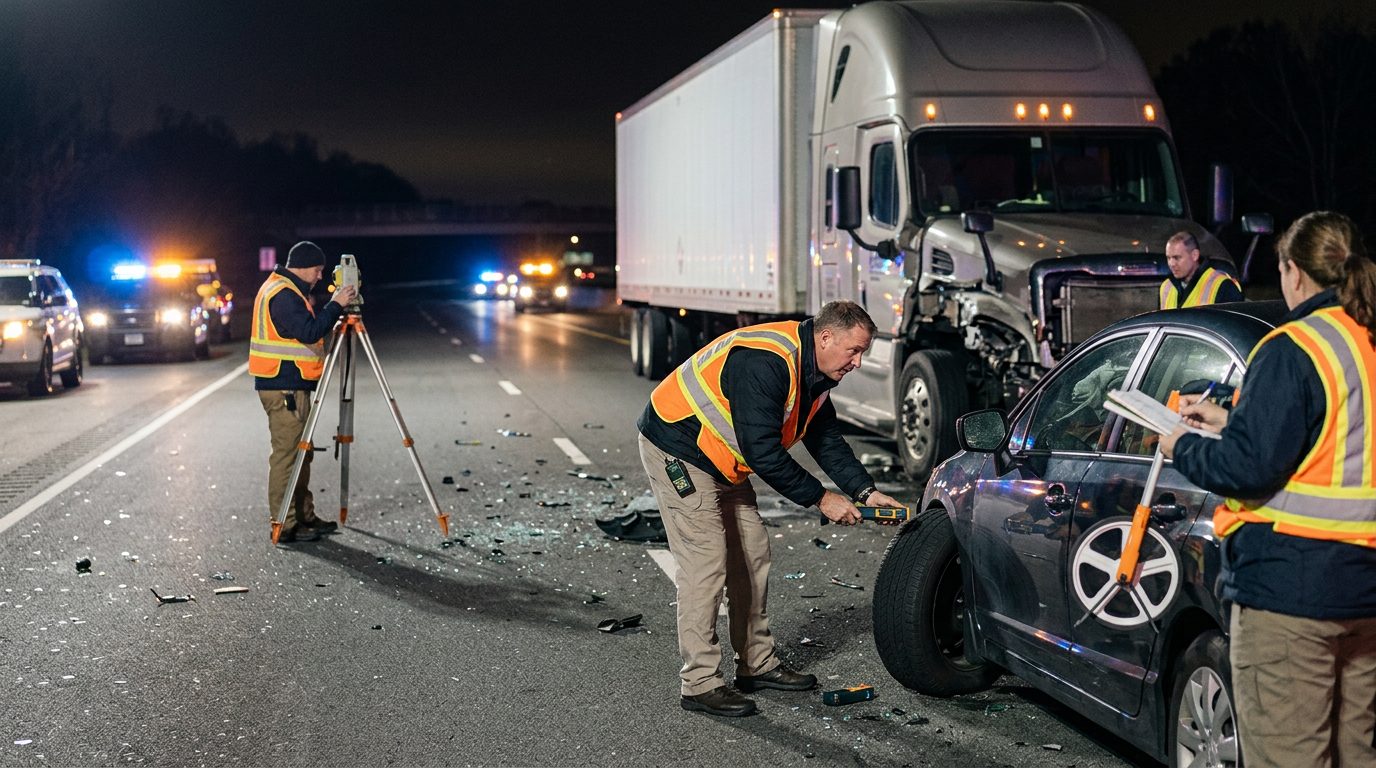
Before a lawsuit is even filed, the case must be investigated. This means collecting police reports, medical records, witness statements, and sometimes accident reconstruction analysis. In commercial truck accidents, this investigation may also include the truck’s maintenance records, driver logs, and company safety practices.
Once the investigation is complete and your legal team has a clear understanding of what happened, the wrongful death claim is filed in Virginia court. The filing itself is straightforward, but the groundwork behind it takes time.
What Is the Statute of Limitations for Filing a Wrongful Death Claim in Virginia?
A Virginia wrongful death action is filed by the decedent’s personal representative within two years of the death (Va. Code §§ 8.01-50(C), 8.01-244(B)), on behalf of the family members the statute protects.
Discovery: Exchanging Evidence and Building the Case
After the lawsuit is filed, both sides enter the discovery phase. This is where lawyers exchange documents, medical records, accident reports, and witness statements. Each side may also take depositions—recorded statements—from witnesses, medical experts, and representatives of the other party.
The length of discovery depends on the court’s schedule and the case, and in complex cases involving multiple vehicles, commercial trucks, or catastrophic injuries before death, it can extend much longer. In catastrophic-injury cases, discovery may require medical expert testimony about traumatic brain injury or spinal cord injury, which adds time but can be necessary to establish the full scope of suffering and damages.
This phase is crucial. It’s when both sides learn what evidence exists and how strong each side’s position really is.
At What Stage Do Most Wrongful Death Lawsuits Settle?
Many wrongful death cases settle during or shortly after discovery, once both sides have a clearer picture of the evidence and liability. Settlement discussions may begin early and continue throughout the case. Some cases settle on the courthouse steps just before trial begins.
Settlement timing varies widely. If liability is disputed or damages are complex, settlement may take longer—or may not happen at all, leading to trial.
How Long Does It Take to Get Paid After a Wrongful Death Settlement?
Funds are held in escrow and released once all conditions are met and releases are signed.
If the case goes to trial and a verdict is reached, payment may take longer due to post-trial motions or appeals filed by either side.
Not sure what your next step is?
Going to Trial: When Settlement Is Not Reached
If the case does not settle, it proceeds to trial before a judge or jury. Trial preparation and the trial itself can add significant time to the process. Virginia courts have varying schedules; some cases wait longer for a trial date than others, depending on the jurisdiction.
A trial typically lasts several days to a week, depending on how complex the case is. After trial, a verdict is rendered. Either side may then file post-trial motions or appeals, which further extends the timeline.
Factors That Speed Up a Wrongful Death Case
- Clear liability: If fault is obvious (for example, a commercial truck driver ran a red light), the case may move faster.
- Adequate insurance coverage: When insurance limits are sufficient to cover damages, settlement is more likely and happens sooner.
- Cooperative parties: If both sides are willing to negotiate in good faith, settlement can happen sooner.
- Straightforward damages: Cases where the loss is clear and quantifiable may resolve faster than those requiring extensive expert testimony.
Factors That Slow Down a Wrongful Death Case
- Disputed liability: When fault is unclear or contested, the case takes longer to investigate and litigate.
- Multiple defendants: Cases involving several at-fault parties (for example, a commercial truck, the trucking company, and a maintenance contractor) are more complex and take longer.
- Catastrophic injuries before death: Cases involving traumatic brain injury or spinal cord injury before the fatal outcome require extensive medical expert testimony and analysis.
- Insufficient insurance: When damages exceed policy limits, negotiations become more complicated.
- Court backlogs: Virginia courts vary in how quickly they can schedule trials; some jurisdictions have longer waits than others.
- Complex causation: Determining whether the accident directly caused death—versus a pre-existing condition—may require detailed expert analysis.
Probate and Estate Representation
Questions about who serves as a personal representative for a loved one’s estate are worth discussing with an attorney as part of your situation.

Why the Timeline Matters
Families need to understand that wrongful death cases are not quick. They require thorough investigation, evidence gathering, and often negotiation or trial. A longer timeline does not mean the case is weak; it often reflects the complexity of the facts or the need to build a strong record.
Having a clear sense of what to expect helps families plan financially and emotionally during the process. You are not alone in facing this.
If you have lost a loved one in a car or truck accident and would like to discuss your situation,..
Statements in this post and past results in cases are not a guarantee or prediction of similar results in future cases that Correll Law Firm and its lawyers may undertake.