
Serious Injury Claims | Virginia
Quick Settlement Risks for Serious Injury in Virginia
A fast settlement offer can look like relief, but it may close your claim before the full extent of your injuries is known. Here is what to watch for.
Published November 2, 2026
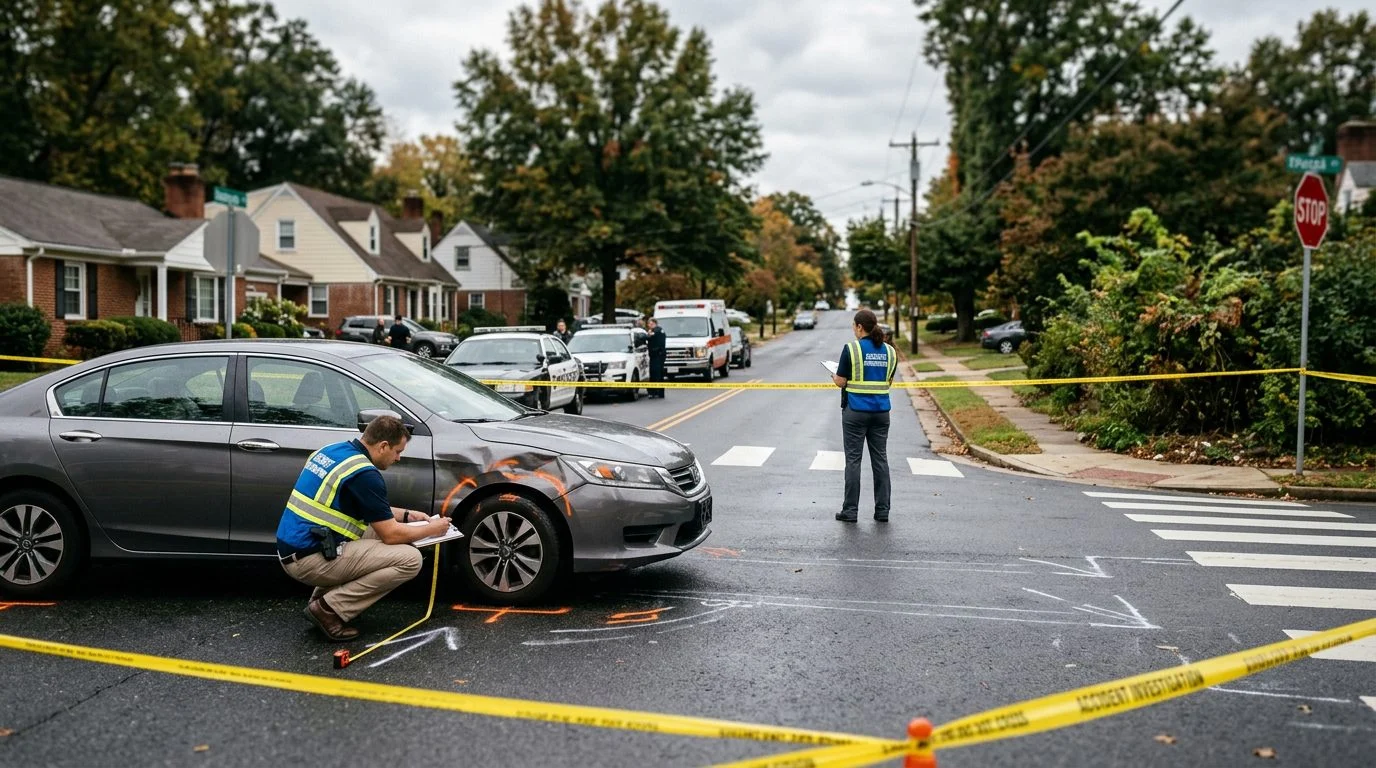
A quick settlement offer can feel like relief after a serious crash. But when injuries are still developing, accepting one early can carry real risks. This page explains the quick settlement risks serious injury claims can raise in Virginia. The firm represents people seriously hurt in car and commercial truck crashes, and families in wrongful death cases, from the Shenandoah Valley to Richmond and Henrico County.
What risks come with accepting a quick settlement before the full extent of a serious injury is known?
Accepting a quick settlement before the full extent of a serious injury is known can leave later losses uncovered. An early offer is usually based only on the medical information available at that time. A signed release may close the claim even if new problems appear later.
The quick settlement risks serious injury claims carry mostly come from timing. Serious injuries often take weeks or months to show their full shape. Doctors may not yet know how much healing is possible.
An offer may leave out future treatment, rehabilitation, equipment, or lost ability to work. If those needs appear later, the settlement may not cover them. Once a release is signed, the claim is often over.
An insurer may have its own reasons to resolve a claim quickly. The timing of an offer does not show whether an injury has stabilized. For more on early-offer risks in car crash claims, see early settlement risks in car crash claims.
Not sure what your next step is?
Talk it through with Correll Law Firm — we can walk you through how a situation like yours is usually handled and what your options are.
Why do serious injuries often show their full effects over time?
Some serious injuries, including traumatic brain injury and spinal cord injury, can show their full effects over weeks, months, or longer. Symptoms and limits may become clearer as a person recovers. Treatment plans may change along the way.
Brain and spinal injuries can be hard to read right away. Swelling, fatigue, memory trouble, numbness, or weakness may appear or shift over time. Doctors often watch how a person heals before they can describe long-term care.
A recovery plan can also change. A person may move from hospital care to therapy, follow-up visits, or home changes, and each step can reveal new needs. Research on spinal cord injury reports that medical and rehabilitation expenses vary across treatment periods, according to a spinal cord injury systematic review. Ongoing care and changes in work capacity may develop after an offer would have been accepted.
How can a signed release end a claim in Virginia?
A release is a signed document that generally closes a claim in exchange for a settlement. Once signed, it may not be reopened, even if new injuries are found later. Virginia’s filing deadline runs separately from any offer.
A release usually says the person signing gives up further claims over the same crash. Some releases are broad enough to cover injuries that are not yet known. Read the wording closely and ask what it would close.
Virginia generally allows two years from the date of injury to file a personal injury lawsuit (Va. Code § 8.01-243(A)); the clock runs from the date of injury, not the date of discovery, with narrow exceptions.
Some claims carry notice requirements that run out sooner. The date of an insurance offer does not set any deadline. A reader may wish to speak with a lawyer before signing any release.
How does partial fault affect an early offer?
Partial fault may bar recovery in Virginia, with limited exceptions, so an insurer may raise it early to lower an offer. Insurers often look for reasons to say the injured person shares blame. Statements made early, including recorded calls and written messages about the crash, can be used in that discussion.
The rule is stated plainly: Virginia follows contributory negligence: if you are found even partly at fault, you may be barred from recovering, with limited exceptions (Williams v. Harrison, 255 Va. 272 (1998)). Talk to a lawyer about your facts.
Whether that applies depends on the facts. For a comparison of settling early with pursuing a lawsuit, see car crash settlement versus trial in Virginia.
What should families know about early offers after a fatal crash?
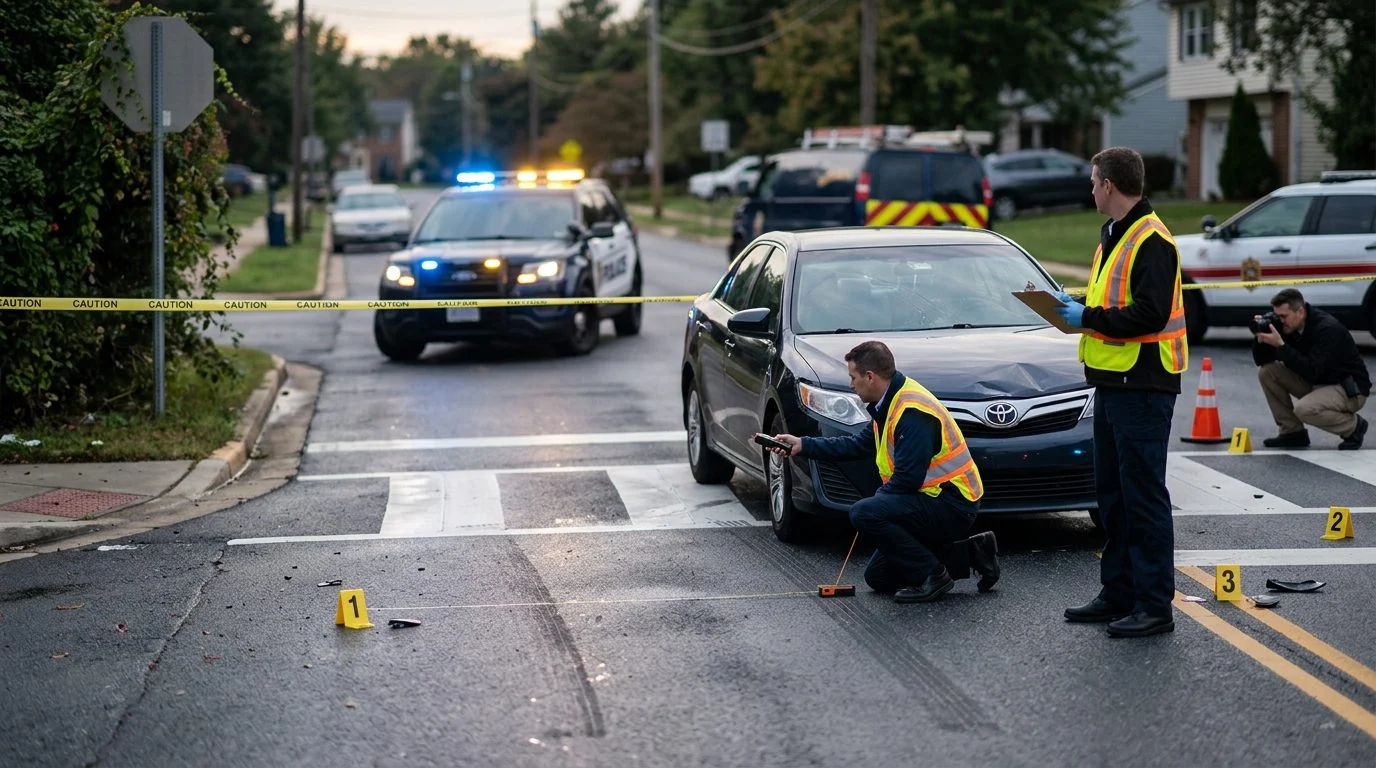
After a fatal crash, a wrongful death claim for a person’s death is brought by the decedent’s personal representative, not by each family member; claims for fetal death are brought by the natural mother, but if she dies, or is or becomes a person under a disability as defined in § 8.01-2, such action may be initiated or maintained by the administrator of the natural mother’s estate, her guardian, or her personal representative qualified to bring such action. An early offer may come before the family knows the full losses. Virginia ties a settlement of that claim to court approval or consent.
The filing rule is stated in the law: A Virginia wrongful death action is filed by the decedent’s personal representative within two years of the death (Va. Code §§ 8.01-50(C), 8.01-244(B)), on behalf of the family members the statute protects.
The damages rule is also set out: Virginia wrongful death damages cover the family’s sorrow, mental anguish and loss of the decedent’s companionship, guidance and care; lost income and services; medical expenses from the injury; funeral expenses; and, for willful or wanton conduct, punitive damages (Va. Code § 8.01-52).
Two more rules matter. Under Va. Code § 8.01-51, no action shall be maintained by the personal representative if the injured person had already settled the injury claim and accepted satisfaction before death. Under Va. Code § 8.01-55, a personal representative’s compromise of a wrongful death claim needs court approval or the consent of a circuit court. For how these claims apply after a passenger is killed, see wrongful death after a passenger crash.
What questions should someone ask before responding to an early offer?
Before responding to an early offer, consider whether the medical picture has settled. Consider whether future care and lost work capacity have been counted. Consider what the release would close.
- Has the medical outlook stabilized, or are doctors still watching how the injury heals?
- Have future treatment, therapy, and changes in work ability been considered?
- Would the release language close claims for injuries that are not yet known?
- What does the offer say about who was at fault?
Keep copies of medical records, bills, crash reports, and every written message from the insurer. Organized records make these questions easier to answer.
Virginia requires a driver involved in a crash with injury or death to stop and report it to police immediately (Va. Code §§ 46.2-371, 46.2-894). The two-year period is the deadline to file a lawsuit, not to report a crash (Va. Code § 8.01-243).
Not sure what your next step is?
Talk it through with Correll Law Firm — we can walk you through how a situation like yours is usually handled and what your options are.
Frequently asked questions
What are the biggest quick settlement risks serious injury victims face?
The main risk is signing before the full medical picture is known, because a release may close the claim. Missing an early notice requirement can also harm a claim.
Does a settlement offer have to be accepted right away?
No. Accepting an offer is a choice, and a reader may wish to speak with a lawyer before deciding.
Can a family settle a wrongful death claim on its own?
Family members do not file the claim or settle it alone. The personal representative handles the settlement, and Virginia law ties it to court approval or consent.