
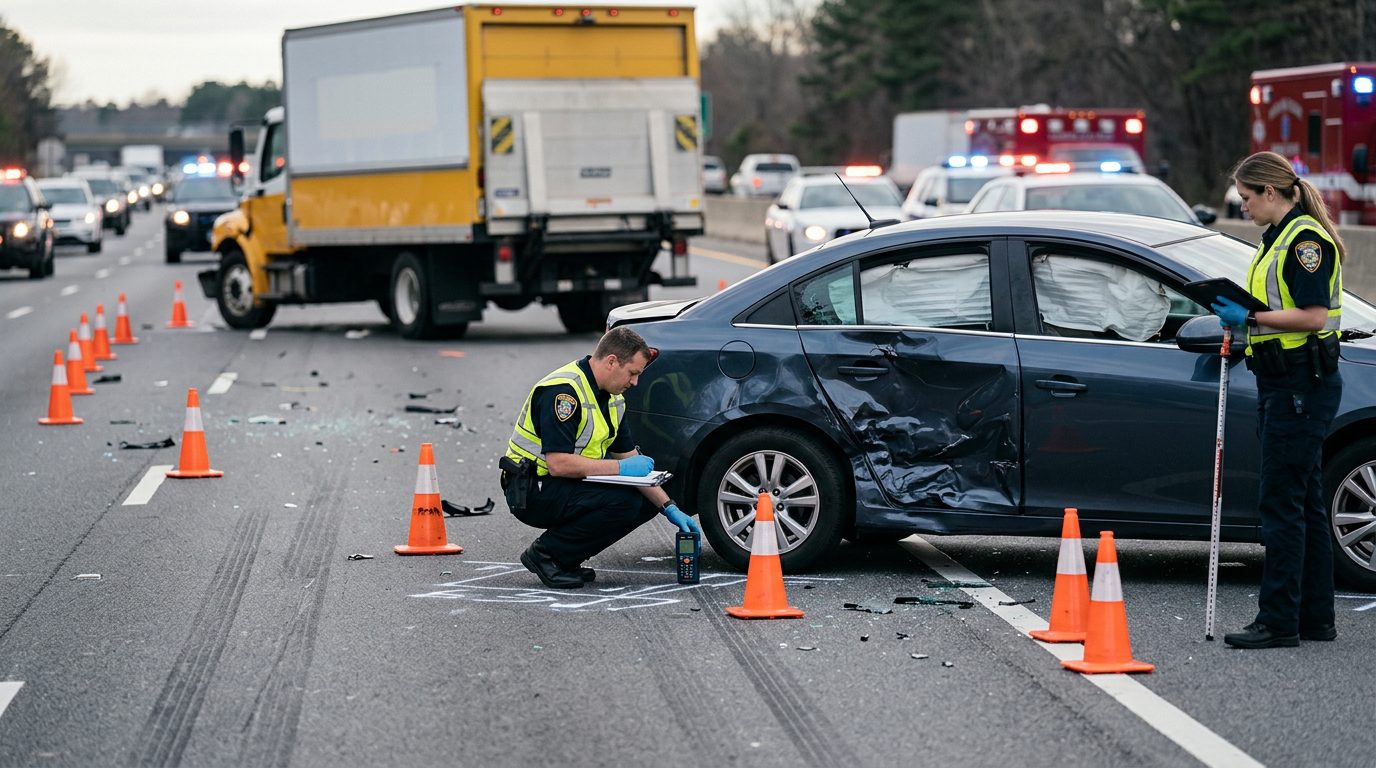
Car Accident Injuries
Serious Car Accident Injuries: Broken Bones, Brain & Spinal
If you've suffered a catastrophic injury in a car crash, Correll Law Firm is here to help you understand your rights and recover the damages you deserve.
Published October 04, 2026
Serious Car Accident Injuries: Broken Bones, Brain & Spinal Cord Damage
Serious car accident injuries—broken bones, traumatic brain injury, spinal cord damage—cause lasting disability, require months or years of treatment, and upend lives. When a crash causes these injuries, the medical, financial, and emotional consequences extend far beyond the first responders and the emergency room. Understanding what these injuries are, how they happen, and why they require legal attention can help you make informed decisions about your recovery and your family’s future.
Correll Law Firm handles serious car accident injury cases across Virginia from its offices in Winchester and Harrisonburg, serving injured people in Front Royal, Richmond, Henrico County, and throughout the Shenandoah Valley. We understand the full scope of what injured people and their families face.
If you or someone you care for has suffered a serious injury in a car crash, reach out to discuss what happened and what comes next. Talk it through with our team — the first case evaluation is free, confidential, and carries no obligation.
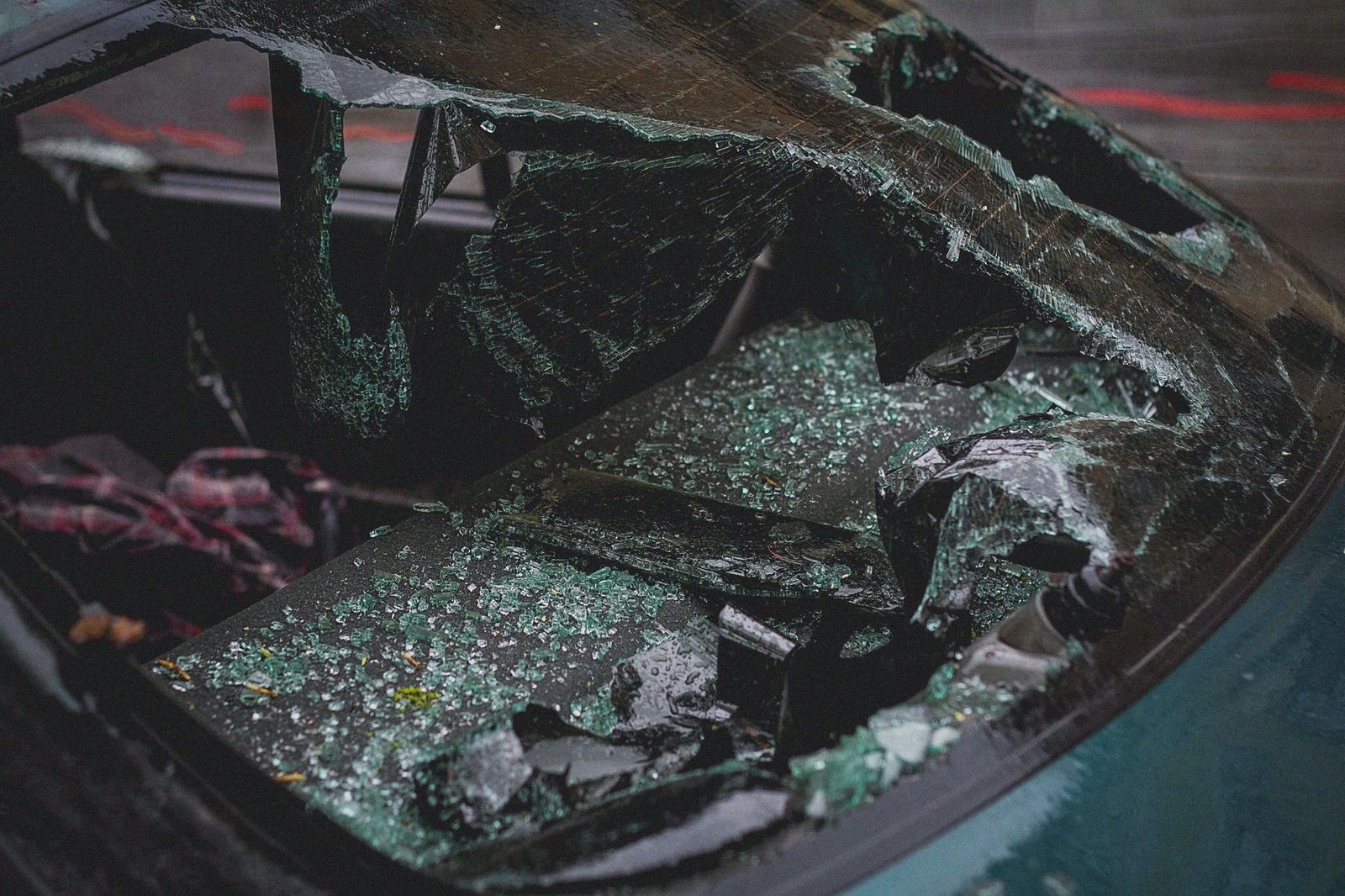
What Are Serious Car Accident Injuries?
Serious car accident injuries are those that cause lasting disability, require extended medical treatment, or permanently alter a person’s quality of life and ability to work or care for themselves.
These injuries matter legally because they generate high medical costs, lost wages, ongoing care expenses, and damages for pain and suffering. Insurance companies often underestimate the true lifetime cost of recovery. A quick settlement offer may seem reasonable in the first weeks after a crash, but it often falls short when you face years of therapy, specialist visits, home modifications, or full-time attendant care.
Serious car accident injuries include broken bones and fractures, traumatic brain injury, spinal cord injury, internal injuries, and severe burns. They affect drivers, passengers, pedestrians, and cyclists—anyone struck by a vehicle or trapped inside one during a crash.
Broken Bones and Fractures From Car Accidents
Broken bones are among the most common serious injuries in car crashes.
The most frequently fractured bones in car accidents are ribs, the pelvis, legs, arms, and collarbone. These fractures occur from direct impact, crushing forces, or sudden deceleration that wrenches the body violently. A simple fracture may heal within weeks with a cast or brace. A compound fracture—where the bone pierces the skin—requires emergency surgery, often followed by months of physical therapy and risk of infection or permanent scarring.
Recovery timelines vary. A broken arm may heal in 6 to 8 weeks. A pelvic fracture can take 3 to 6 months and may require bed rest or surgery. Some fractures, especially to weight-bearing bones like the femur (thighbone), carry long-term complications: chronic pain, reduced mobility, early-onset arthritis, and permanent loss of strength or range of motion.
Medical costs include emergency care, imaging (X-rays, CT scans), surgery, anesthesia, hospitalization, physical therapy, and follow-up specialist visits. These expenses can reach tens of thousands of dollars. If the injury causes permanent disability, future medical care and lost earning capacity become part of your claim.
Traumatic Brain Injury (TBI) After a Car Crash
Traumatic brain injury occurs when a sudden impact or violent movement causes the brain to move or shift inside the skull, damaging brain cells and disrupting normal function.
In a car crash, TBI happens when your head strikes the steering wheel, dashboard, window, or headrest. It can also result from sudden acceleration or deceleration that whips the brain inside the skull without direct contact. Penetrating injuries—where an object enters the skull—cause severe TBI.
Mild TBI (concussion) causes headache, dizziness, confusion, memory gaps, and sensitivity to light or noise. Symptoms may resolve in weeks, but some people develop post-concussion syndrome with lingering cognitive and mood changes lasting months.
Moderate to severe TBI causes loss of consciousness, significant cognitive changes, personality shifts, difficulty speaking, seizures, and loss of bowel or bladder control. Recovery is slow and uncertain. Some people regain most function; others face permanent cognitive, physical, or behavioral disability.
TBI is notoriously hard to prove. Symptoms may not appear until hours or days after the crash. Early CT scans or MRI imaging may appear normal even when brain injury has occurred. Symptoms—memory loss, difficulty concentrating, mood swings—can be mistaken for stress or depression. This is why medical documentation, neuropsychological testing, and expert testimony are critical in TBI cases.
Long-term effects include memory loss, trouble concentrating, mood and personality changes, sleep disturbances, increased risk of future brain injury, and heightened risk of neurodegenerative disease later in life. Treatment involves emergency imaging, hospitalization, rehabilitation therapy, and ongoing neurological care.
Spinal Cord Injury From Motor Vehicle Accidents
Spinal cord injury results from trauma to the spine: impact, whiplash, crushing, or penetrating injury that damages the nerve fibers carrying signals between the brain and the rest of the body.
The severity depends on whether the injury is incomplete (partial loss of function below the injury site) or complete (total loss of sensation and movement below the site). Location matters greatly.
Cervical (neck) injuries are the most severe. They carry the highest risk of paralysis and may affect all four limbs, the torso, and respiratory function. Some cervical injuries require a ventilator to breathe.
Thoracic (mid-back) injuries typically affect the legs and lower body, often resulting in paraplegia (paralysis of the lower half of the body).
Lumbar (lower-back) injuries affect the legs, bowel control, and bladder control, but usually preserve upper-body function.
Immediate effects include loss of sensation, paralysis, loss of bowel and bladder control, and inability to regulate body temperature. Long-term care is extensive: wheelchair accessibility, home modification, ongoing medical care, physical therapy, and often full-time attendant care. The lifetime cost of care for a serious spinal cord injury can be very high, requiring years of specialized treatment and support.
Other Serious Injuries in Car Accidents
Internal injuries include organ damage, internal bleeding, and ruptured blood vessels. They are often invisible on first inspection but can be life-threatening. Treatment may require emergency surgery and prolonged hospitalization.
Facial and disfiguring injuries require reconstructive surgery, multiple procedures, and carry psychological impact beyond the physical recovery.
Burn injuries can result from fuel leaks or electrical fires inside the vehicle. They require specialized burn care, skin grafting, and long-term wound management.
Crush injuries occur when the vehicle’s frame deforms or rolls, trapping and crushing limbs or the torso. These injuries carry high risk of infection, permanent nerve damage, and amputation.
Each of these injuries generates substantial medical costs and affects the injured person’s ability to work, socialize, and maintain independence.
Not sure what your next step is?
Talk it through with our team — the first case evaluation is free, confidential, and carries no obligation.
What to Expect Mentally and Emotionally After a Serious Car Accident
Serious injury from a car accident is a trauma, not just a medical event.
In the immediate aftermath, people often experience shock, fear, and disorientation. In the weeks and months that follow, post-traumatic stress is common: nightmares, flashbacks, anxiety about driving or riding in vehicles, and hypervigilance. Depression frequently develops during long recovery, especially when disability is permanent. Grief over the loss of independence, prior abilities, and identity is a normal part of adjustment.
These psychological injuries are recoverable damages in Virginia. The cost of mental health treatment—therapy, psychiatry, medication—is part of your claim, just as medical bills are.
Medical Treatment and Recovery for Serious Car Accident Injuries
Treatment unfolds in phases.
Emergency phase: Stabilization, imaging, emergency surgery if needed.
Acute care: Hospitalization, pain management, wound care, infection prevention.
Rehabilitation: Physical therapy, occupational therapy, speech therapy (especially for TBI), neuropsychological rehabilitation.
Long-term care: Ongoing therapy, specialist visits, home health services, adaptive equipment, and attendant care.
Timeline depends on injury type and severity. Some injuries require years of treatment. Costs can reach hundreds of thousands or millions over a lifetime, especially for spinal cord injury or severe TBI.
Why You Need a Lawyer for Serious Car Accident Injuries
Insurance companies have teams of adjusters trained to minimize payouts. They may offer a quick settlement in the first weeks after your injury, before the full scope of your recovery becomes clear.
A serious car accident injury generates complex damages: emergency medical bills, hospitalization, surgery, rehabilitation, ongoing specialist care, lost wages, lost earning capacity, home modifications, attendant care, pain and suffering, and psychological injury. Calculating these damages accurately requires medical experience, knowledge of long-term care costs, and understanding of how permanent disability affects lifetime earnings.
Liability investigation—determining who was at fault—requires gathering police reports, medical records, witness statements, accident scene evidence, and sometimes expert analysis of vehicle damage or road conditions. Insurance adjusters work quickly; thorough investigation takes time.
Negotiation with an insurance company is uneven without legal representation. You need someone on your side who understands the law, the medical facts, and the true cost of your injury.
How Correll Law Firm Handles Serious Car Accident Injury Cases
We begin with a free case evaluation. We listen to your story, explain your legal options, and answer your immediate questions.
We then conduct a thorough investigation: gathering police reports, medical records, witness statements, and evidence from the accident scene.
We work with medical experts—doctors, neurologists, orthopedic surgeons, rehabilitation specialists—to understand your injuries, prognosis, and long-term care needs.
We calculate damages carefully: documenting all medical costs, lost income, future care needs, and pain and suffering.
We negotiate with the insurance company, presenting a strong case backed by evidence and expert opinion.
If settlement talks stall, we prepare for trial, ready to take your case before a jury.
No attorney’s fee unless we win. Clients may remain responsible for costs accrued in the case.
Frequently Asked Questions
Q: How are settlement amounts for a spinal cord injury determined?
Settlement amounts vary widely based on injury severity, age, income, and liability facts. We cannot predict a specific outcome, but we work to recover all documented damages.
Q: What is the hardest injury to prove after a car accident?
Traumatic brain injury is often the hardest to prove because symptoms may not show on early imaging and can be mistaken for other conditions. Medical records, neuropsychological testing, and expert testimony help establish the injury.
Q: What neurological disorders can occur after a car accident?
Traumatic brain injury, concussion, post-concussion syndrome, and in severe cases, seizure disorders or movement disorders. A neurologist can evaluate and diagnose.
Q: How long do I have to file a claim?
Virginia law generally allows two years from the date of injury to file a personal injury lawsuit, though some claims carry earlier notice requirements. We recommend contacting us promptly.
Q: Do I have a case if I was partly at fault?
Virginia follows contributory negligence: if you are found even partly at fault, you may be barred from recovering, with limited exceptions (Contributory negligence bars recovery in Virginia). Talk to a lawyer about your facts. We encourage you to discuss your specific circumstances with us.
If you or someone you care for has suffered a serious injury in a car crash, reach out to discuss what happened and what comes next. Talk it through with our team — the first case evaluation is free, confidential, and carries no obligation.
Taking the Next Step
If you or a family member has suffered serious injuries in a car accident, the decisions you make now—about medical care, insurance claims, and legal representation—will shape your recovery and your family’s financial security for years to come.
Correll Law Firm has recovered millions of dollars for injured Virginians and their families. We handle serious car accident injury cases across Virginia: in Winchester, Front Royal, and Harrisonburg, and serving Richmond, Henrico County, and the Shenandoah Valley.
If you or someone you care for has suffered a serious injury in a car crash, reach out to discuss what happened and what comes next. Schedule a free case evaluation or call to speak with us today.
Related practice areas
- Wrongful Death Claims from Car and Truck Accidents in Virginia
- Commercial Truck Accident Claims in Virginia | Correll Law