
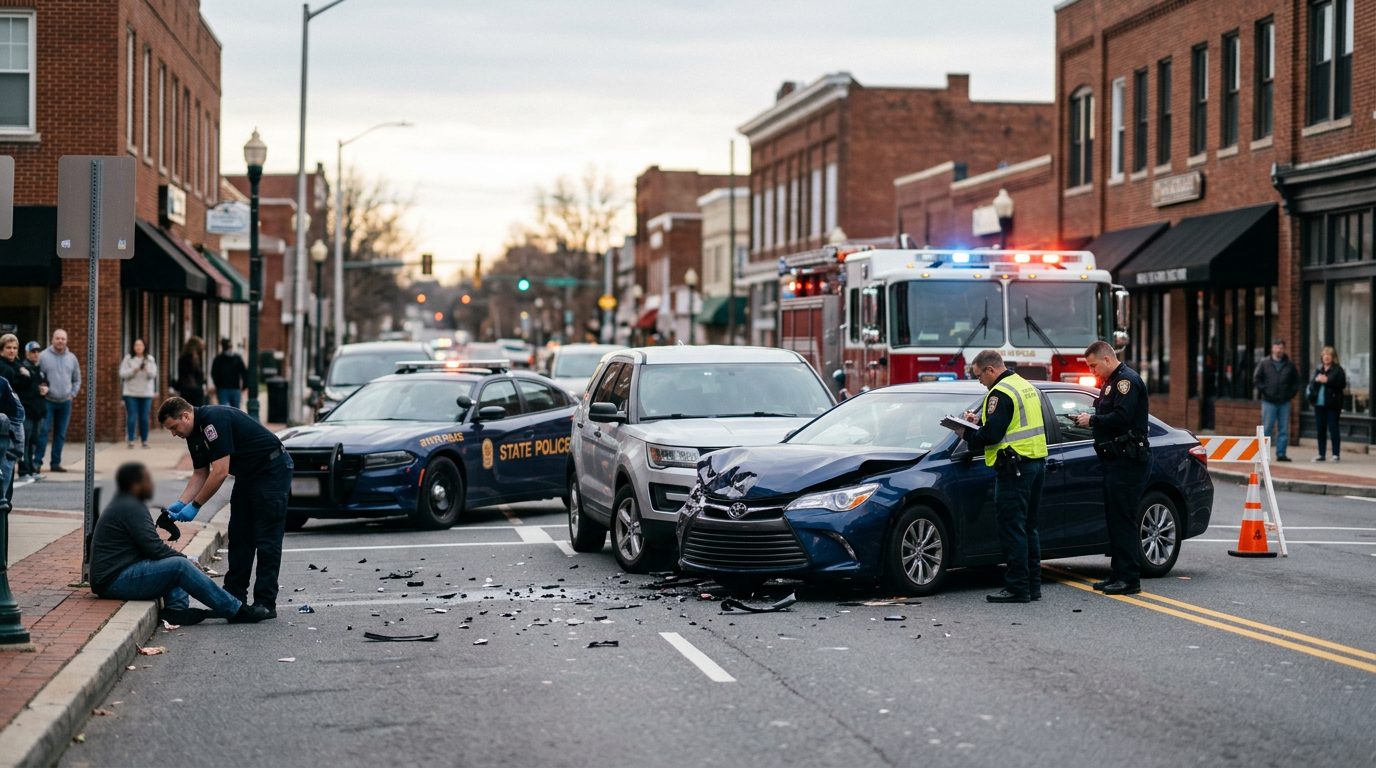
Hurt in a Car Accident in Virginia? You Do Not Have to Sort Out the Next Steps Alone
Correll Law Firm represents people injured in car and truck crashes, serious brain and spinal cord injuries, and families in wrongful death cases, from the Shenandoah Valley to Richmond and Henrico County.
Crashes the Firm Handles
Car Accidents
Collisions involving passenger vehicles, including rear-end crashes, intersection crashes and crashes on Virginia highways and local roads.
Truck and Commercial Vehicle Accidents
Crashes involving commercial trucks and other commercial vehicles, which can raise questions about records, company responsibility and federal safety rules.
Catastrophic and Brain or Spinal Cord Injuries
Serious injuries that can change work, daily life and family plans for years, including traumatic brain injury and spinal cord injury.
Wrongful Death
Cases in which a family has lost a loved one in a crash, and the surviving family needs help understanding the legal process during a painful time.
Published October 22, 2026
Where Correll Law Firm Handles Car Accident Claims
Correll Law Firm handles car accident claims for people hurt in Virginia. The firm is based in Winchester and has a Harrisonburg location. The firm represents people seriously hurt in car and commercial truck crashes, people with catastrophic brain and spinal cord injuries, and families in wrongful death cases.
The first days after a crash are often hard to think through clearly. Knowing the basic Virginia rules early can help you decide what to do next. A crash can change work, family life and daily routines all at once.
The firm’s guide to car, truck and wrongful death claims covers the wider picture. This page answers the car crash questions people ask most often. Every crash is different, so the facts of your case shape which points matter most.
Talk it through with Correll Law Firm — we can walk you through how a situation like yours is usually handled and what your options are.

Virginia Communities the Firm Serves After a Crash
The firm represents people from the Shenandoah Valley, Richmond and Henrico County. Crashes don’t stop at county lines, and neither do the people who deal with them. A driver hurt on a Richmond highway may live in the Shenandoah Valley. A family in Henrico County may lose a loved one in a crash on a rural road in the valley.
If you were hurt in a crash on an interstate, a county road or a city street, the same basic questions apply. The details will differ from one crash to the next.
Where a crash happens also decides which police agency responds. Note the road name, the nearest landmark and the time, because those details usually appear in the report.
Readers in Richmond can review the Richmond guide. Henrico County readers can see the Henrico County guide.
Reporting a Car Crash in Virginia
Reporting a crash comes first, and it has a clock of its own. Virginia requires a driver involved in a crash with injury or death to stop and report it to police immediately (Va. Code §§ 46.2-371, 46.2-894).
Many drivers are shaken after a crash and forget small details. A short written note made that day can help. Include the time, the weather, which lanes were open and where each vehicle stopped.
Reporting is a separate step from filing a lawsuit.
Police reports often become the first written record of what happened. Write down the names of any witnesses and the other driver’s insurance details while they are fresh. Keep the police report number with your other papers so you can find it later.
How Long a Virginia Car Accident Claim Has to Be Filed
The filing deadline is one of the most important dates in a Virginia injury claim. Virginia generally allows two years from the date of injury to file a personal injury lawsuit (Va. Code § 8.01-243(A)); the clock runs from the date of injury, not the date of discovery, with narrow exceptions.
Some claims can have different timelines, so do not assume two years applies to every claim. Check the facts of your situation early.
Many people lose track of dates during treatment and recovery. Put the crash date on a calendar on day one. Keep a copy of anything that mentions a deadline.
Think of the filing deadline as an outer limit, not a target. Claims are often easier to build while memories and records are still fresh.
How Fault Can Affect a Virginia Car Accident Claim
Fault is often the central question in a Virginia car accident claim. Virginia follows contributory negligence: if you are found even partly at fault, you may be barred from recovering, with limited exceptions. Talk to a lawyer about your facts.
Police reports, photos, and statements from drivers and witnesses often shape how a crash is understood. Early statements to an insurance company can shape that picture too.
Fault can also be disputed when two drivers each say the other moved first. In that situation, physical evidence such as vehicle damage and where the cars came to rest often matters a great deal.
Stick to what you know. Say so plainly when you are unsure about a detail. Guessing about speed or distance can make later questions harder to answer.

Information to Gather and Organize After a Car Accident
Organized records make a Virginia claim easier to explain to anyone who reviews it. Keep one folder with these items:
- Medical records and a list of treatment dates
- Photos of the vehicles, the road and any visible injuries
- The police report number and the names of witnesses
- Letters and emails from insurance companies
- A written timeline of symptoms and missed work
Symptoms can change from day to day. Keep notes on how you feel each day, including any change you notice after the crash.
Families who lost a loved one in a crash face different questions. The firm’s guide to car, truck and wrongful death claims explains how those cases are organized.
Good records and a clear timeline make each later step easier to explain.
Frequently asked questions
Where are Correll Law Firm’s offices?
The firm is based in Winchester and has a Harrisonburg location, both in Virginia.
Check the facts of your situation early.
What is contributory negligence in Virginia?
It is a rule that can bar recovery if you are found even partly at fault, with limited exceptions.