
Wrongful Death
Grounds for a Wrongful Death Lawsuit in Virginia
When a loved one dies because of someone else's negligence or wrongful conduct, Virginia law may allow the family to pursue a wrongful death claim. Learn what must be proven and how Correll Law Firm can help.
Published October 05, 2026
What Are the Typical Grounds for a Wrongful Death Lawsuit?
A wrongful death claim arises when someone dies as a result of another person’s or company’s negligence or wrongful conduct. In Virginia, the law sets out specific legal foundations—called “grounds”—that must exist for a family to bring a wrongful death case. Understanding these grounds is often the first step for families grieving a loss from a car or truck accident.
If someone you love was killed in a car or truck accident in Virginia, you may have grounds for a wrongful death claim—and you don't have to navigate this alone. Reach out to discuss what happened and what your family's options may be. Talk it through with our team — the first case evaluation is free, confidential, and carries no obligation.

Understanding the Grounds for a Wrongful Death Claim
“Grounds” simply means the legal foundation or basis required to bring a wrongful death case forward. Wrongful death claims typically arise from tragic circumstances: a driver killed by a negligent truck driver, a passenger struck by a reckless motorist, or a family member lost in a collision caused by someone else’s failure to drive safely.
Virginia law requires that certain elements be present for a wrongful death claim to proceed. These aren’t arbitrary rules—they exist to ensure that claims are grounded in real harm caused by real negligence. This page focuses on car and truck accidents, where wrongful death claims are common in the Shenandoah Valley, Richmond, and surrounding counties.
The Core Elements of a Wrongful Death Claim in Virginia
A wrongful death action in Virginia must generally be brought within two years after the death, per Va. Code § 8.01-244(B). Before filing, four core elements must be present:
Element 1: A death occurred. This is straightforward—the person has died.
Element 2: The death was caused by the wrongful act, negligence, or default of another person or entity. This is the heart of the claim. The defendant’s conduct must have directly caused the death. In a car accident, this might be a driver who ran a red light and struck the deceased’s vehicle. In a truck accident, it might be a driver operating under fatigue or a company that failed to maintain critical safety equipment.
Element 3: The death resulted in damages to the surviving family members or the estate. “Damages” means the losses the family or estate suffered: loss of financial support, loss of companionship, and medical and funeral expenses. Damages vary widely depending on the deceased’s age, earning capacity, and family situation.
Element 4: A personal representative or qualified family member brings the claim on behalf of the deceased’s estate. A personal representative is often named in a will or appointed by the court. Surviving family members—spouse, children, parents—may have standing to recover, though the claim technically belongs to the estate.
What “Wrongful Act” or “Negligence” Means in a Death Claim
Negligence means failure to exercise reasonable care. In car and truck accidents, negligence grounds include speeding, distracted driving, impaired driving, failure to maintain a vehicle, driver fatigue, improper loading, and violations of federal motor carrier safety standards.
Large trucks present particular risks. A large truck can weigh 20–30 times as much as a passenger vehicle, and large truck drivers were involved in 1.6 fatal crashes per 100 million miles traveled in 2024. Under federal hours-of-service regulations, drivers of large trucks are allowed to operate for as long as 11 hours at a stretch, which can contribute to fatigue-related accidents.
The defendant’s conduct must have directly caused the death. Virginia follows contributory negligence: if you are found even partly at fault, you may be barred from recovering, with limited exceptions (Contributory negligence bars recovery in Virginia). Talk to a lawyer about your facts. Whether a plaintiff can recover if partly at fault requires evaluation of the specific facts and any applicable exceptions—this is not a one-size-fits-all rule. If you’re unsure about your family’s situation, discussing the specific facts with a lawyer is essential.
Damages in a Wrongful Death Case
Damages represent the losses the family or estate suffered as a result of the death. These include:
- Loss of financial support the deceased would have provided
- Loss of companionship and consortium
- Medical expenses incurred before death
- Funeral and burial costs
Damages vary widely. A young parent with decades of earning potential ahead represents different damages than an elderly person. A spouse and children may recover differently than adult siblings. Each case is unique, and the value of damages depends on the circumstances.
Who Can Bring a Wrongful Death Claim
A personal representative—often named in a will or appointed by the court—typically brings the wrongful death claim. This person acts on behalf of the deceased’s estate and any surviving family members who may benefit from recovery.
Surviving family members—spouse, children, parents—may have standing to recover, but the claim belongs to the estate, not to individuals. The rules around who can bring a claim are specific to Virginia law and the facts of each case.
Not sure what your next step is?
Talk it through with our team — the first case evaluation is free, confidential, and carries no obligation.
Is It Hard to Prove a Wrongful Death Claim?
This is a question many grieving families ask. The answer depends on the specific facts: the evidence available, witness accounts, accident reconstruction, medical records, and the defendant’s conduct.
Some cases have clear evidence of negligence. A drunk driver who caused a fatal collision, or a commercial truck with known brake failures that led to a crash, may present straightforward proof. Other cases require more investigation to establish the chain of events and the defendant’s responsibility.
Each wrongful death case is unique. There’s no single answer to how “hard” it is to prove. What matters is a careful review of the facts, the evidence available, and the applicable law. This is why discussing your specific situation with a lawyer is so important—they can evaluate the strength of your potential claim based on what actually happened.
Wrongful Death in Car and Truck Accidents
Car accidents are a common source of wrongful death claims when a driver’s negligence causes a fatal collision. The grounds remain the same: the defendant’s negligent conduct caused the death, and the family suffered damages.
Truck accidents often involve additional complexity. Commercial trucking is regulated by federal safety standards. A wrongful death claim may involve not only the truck driver’s conduct but also the trucking company’s maintenance practices, hiring decisions, and compliance with federal motor carrier safety standards. Multiple parties may bear responsibility.
The grounds for a wrongful death claim remain the same—negligence that caused death—but the investigation and evidence in a commercial truck accident may be more involved. Federal regulations, maintenance records, driver logs, and industry standards often play a role.
The Filing Deadline for a Wrongful Death Claim
Virginia law generally allows two years from when the cause of action accrues to file a wrongful death claim, per Va. Code § 8.01-243(A). This deadline is important and should not be missed.
Some claims carry notice requirements that may run out sooner. The specific deadline depends on the facts of your case and should be discussed with a lawyer as soon as possible after a loss.
What Happens Next if You Have Grounds for a Claim
If the grounds are present—a death caused by another’s negligence, damages to the family or estate, and a qualified representative to bring the claim—a wrongful death case can be filed.
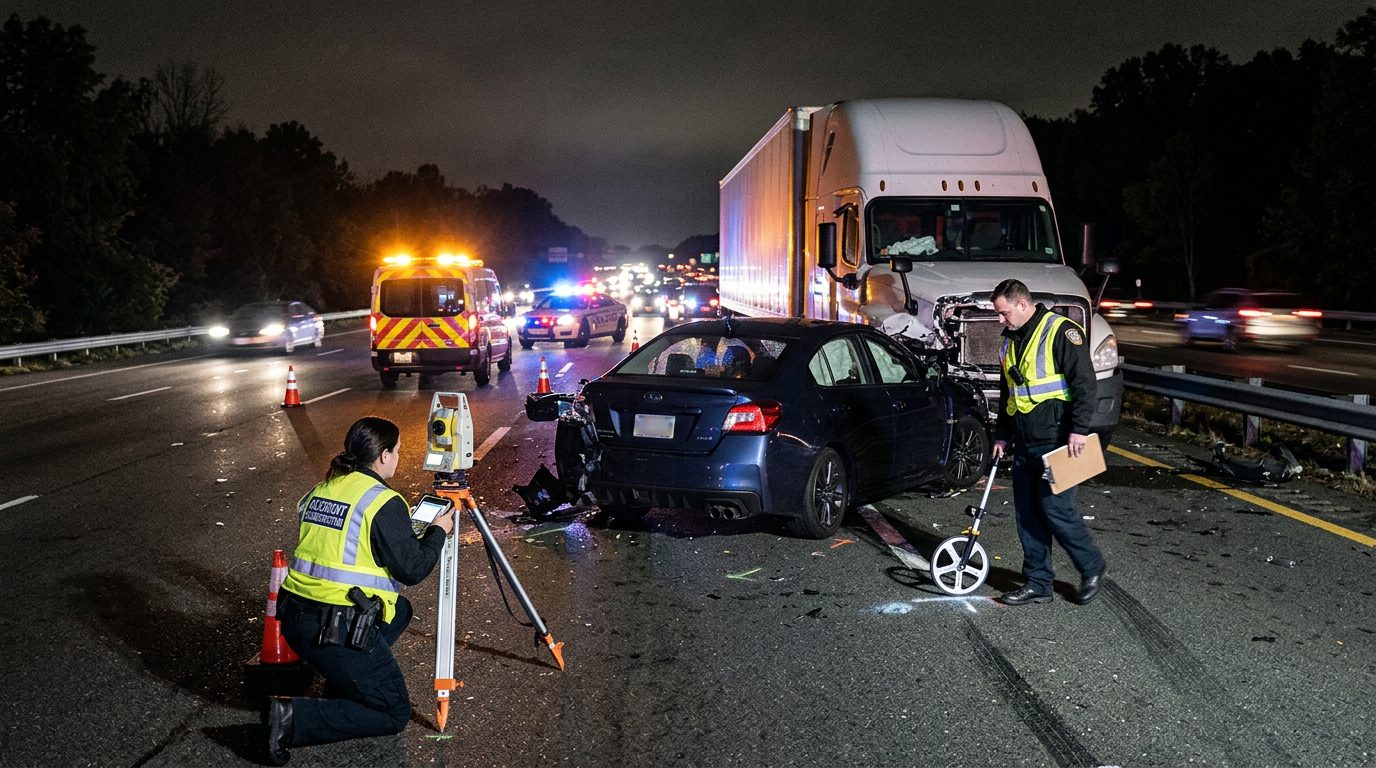
From there, the process typically involves investigation, gathering evidence, and often settlement negotiations. Some cases resolve through settlement; others proceed to trial. The process is complex and may involve expert testimony from accident reconstruction specialists, medical professionals, and others.

Moving Forward After a Loss
Losing a loved one in a car or truck accident is devastating. Families face not only grief but also practical decisions about whether to pursue legal action. Understanding the grounds for a wrongful death claim is a first step.
Many families in this situation benefit from speaking with a lawyer who can review the facts, explain their options, and help them understand what a wrongful death claim might mean for their family. No attorney’s fee unless we win. Clients may remain responsible for costs accrued in the case.
If your family lost someone in a car or truck accident in Virginia—whether in the Shenandoah Valley, Richmond, Henrico County, or elsewhere in the state—and you’re wondering whether you may have grounds for a wrongful death claim, reach out. Our team at Correll Law Firm focuses on wrongful death cases and can help you understand your options. You don’t have to face this alone.
Related practice areas
- Wrongful Death Claims from Car and Truck Accidents in Virginia