
Wrongful Death | Winchester, Harrisonburg and the Shenandoah Valley
When a Sudden Loss Leaves Your Family With Hard Questions
Correll Law Firm represents families in Virginia after a crash or other wrongful act has taken a loved one's life.
Published November 10, 2026
A sudden death after a car or truck crash leaves a family with grief and many hard questions. When someone dies because another party’s wrongful act, neglect or default caused the death, the family may be able to bring a Virginia wrongful death claim, a lawsuit that would have been available to the injured person had death not ensued. It is built around the losses the family has suffered.
It explains who files, who shares in any recovery, what damages cover, the filing deadline, early steps after a crash, punitive damages and how fault can affect a claim. It uses plain words and links to the official Virginia Code where it can.
How a Virginia Wrongful Death Claim Differs From an Injury Claim
The key difference is whose loss the claim measures. An injury claim is brought by a person who was hurt and survived. A wrongful death claim comes after the injured person has died.
Under Va. Code § 8.01-50, a person who would have been liable for an injury can still face a damages action after the injured person dies. The law keeps the claim alive even though the person who was hurt is gone.
That is why the claim is brought by and in the name of the personal representative of the deceased person, except that actions for fetal death under subsection B are brought by and in the name of the natural mother. The law looks at what the family has lost, such as companionship, lost income and services, medical expenses tied to the injury, and funeral expenses. Each of these is covered below.
Many families feel unprepared when they first look at these rules. Nobody is expected to know the legal terms before reading on. The sections that follow take one question at a time.
If your family is facing this loss, you do not have to work through these questions alone, and the firm is ready to talk through your situation. Talk it through with Correll Law Firm — we can walk you through how a situation like yours is usually handled and what your options are.

Who Files the Claim and Who Shares in the Recovery
The decedent’s personal representative files the action, and family members share in what is recovered. Virginia law says it this way: A Virginia wrongful death action is brought by and in the name of the decedent’s personal representative and must be brought within two years after the death of the injured person under § 8.01-244. The filing rules come from Va. Code § 8.01-50 and Va. Code § 8.01-244.
A personal representative is the person who acts for a deceased person’s estate. The case is filed in that person’s name, not in each family member’s name, except that actions for fetal death under subsection B are brought by and in the name of the natural mother; if she dies or is under a disability as defined in § 8.01-2, such action may be initiated or maintained by the administrator of the natural mother’s estate, her guardian, or her personal representative qualified to bring such action. Families should know who holds this role, because that person acts for the estate throughout the case.
Family members do not usually file the case themselves. They share in the recovery instead. The statute sets who shares. Va. Code § 8.01-53 lists the surviving spouse, children and children of any deceased child first. Parents, brothers, sisters and some other relatives may share, depending on who survives and who depended on the decedent. Each family’s makeup matters here.
What Virginia Wrongful Death Damages Cover
Virginia wrongful death damages cover the family’s sorrow, mental anguish and loss of the decedent’s companionship, guidance and care; lost income and services; medical expenses from the injury; funeral expenses; and, for willful or wanton conduct, punitive damages (Va. Code § 8.01-52).
Sorrow and loss of companionship come first. The statute allows damages for sorrow, mental anguish and solace. That can include the decedent’s companionship, comfort, guidance and advice.
Lost income and services come next. A family may recover the reasonably expected loss of the decedent’s income. It may also recover the loss of services, protection, care and assistance the decedent provided at home.
Medical and funeral expenses come last. The statute allows recovery for care, treatment and hospital expenses tied to the injury that caused the death. It also allows reasonable funeral expenses.
The statute says the jury or the court may award damages it considers fair and just. The amounts depend on the evidence in each case.
The Filing Deadline Families Need to Track
A Virginia wrongful death lawsuit must be brought within two years after the death. Under Va. Code § 8.01-244, the personal representative must bring the action within two years after the death of the injured person.
The timeline starts on the date of death. Families should note that date early, along with the crash date.
Keep a simple timeline from the start. Include the crash date, the date of death, police report numbers, hospital records and letters from insurers. Keeping dates, reports and correspondence in one place makes the timeline easy to follow.
This is a deadline for filing a lawsuit. It is separate from the steps taken right after a crash, which come next. Some related claims may follow different timing, and the answer depends on the facts of each death.
Early Steps After a Fatal Crash
Virginia requires a driver in a crash with injury or death to stop and report it to police immediately. The duty appears in Va. Code § 46.2-371 and Va. Code § 46.2-894.
The two-year period discussed above is the deadline to file a lawsuit, not a deadline to report a crash (Va. Code § 8.01-244(B)). Families often mix up these two dates, so it helps to keep them apart.
Records matter over time. Families often gather the police crash report, medical records, bills, funeral receipts and insurance letters. Keeping copies in one place helps if the matter moves forward.
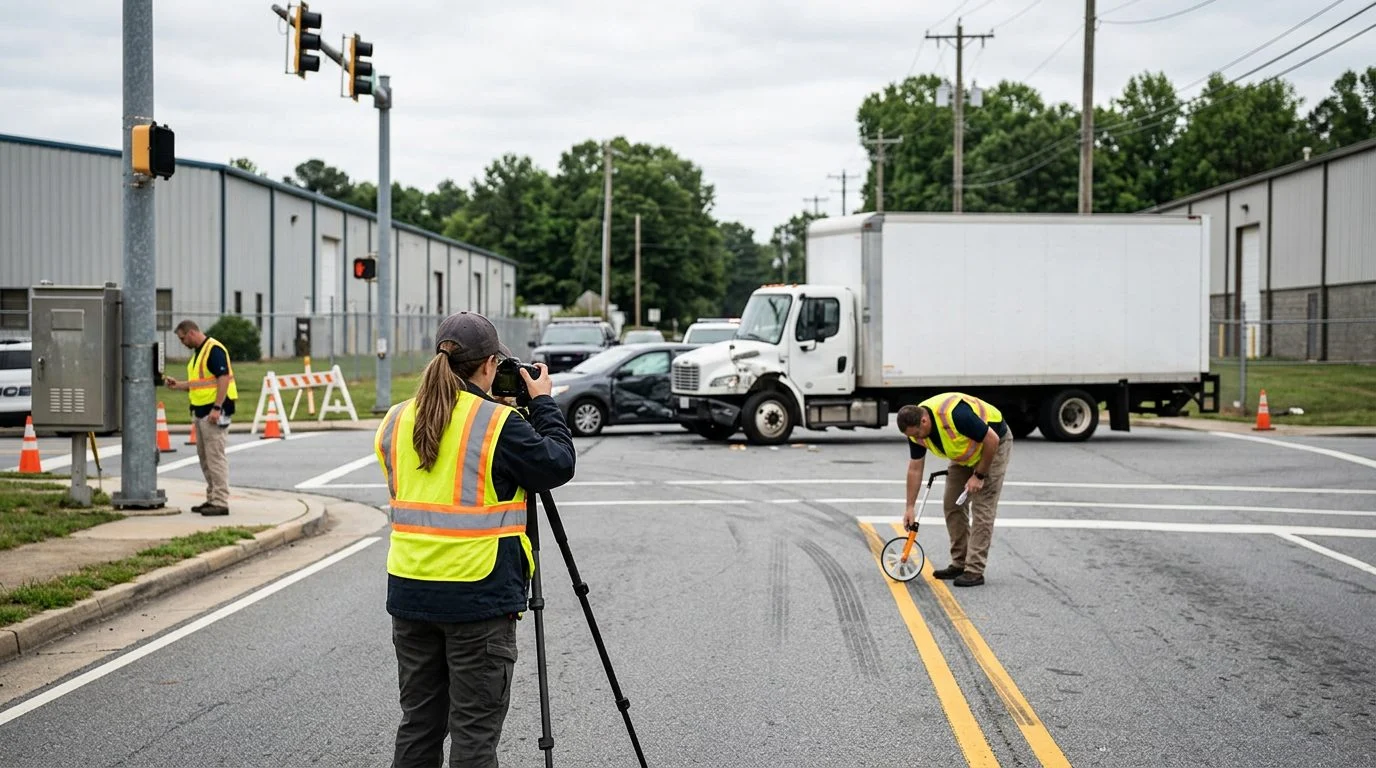
In a commercial truck crash, the investigation can reach further than the police report. Records kept by the trucking company, such as driver and vehicle paperwork, may become part of the picture as the matter develops.
Punitive Damages and the Legal Standard
Punitive damages are available only when conduct meets a specific legal standard. Virginia allows punitive damages for actual malice, or for willful or wanton conduct or recklessness showing a conscious disregard for the safety of others, capped at $350,000 (Va. Code § 8.01-38.1).
Facts such as the driver’s choices, impairment or known safety violations can matter when a jury decides whether the conduct showed willful or wanton conduct or recklessness showing a conscious disregard for the safety of others.
Not sure what your next step is?
Talk it through with Correll Law Firm — we can walk you through how a situation like yours is usually handled and what your options are.

How Shared Fault Can Affect a Family’s Claim
Fault is one of the first questions in any Virginia claim.
Virginia follows contributory negligence: if you are found even partly at fault, you may be barred from recovering, with limited exceptions. Talk to a lawyer about your facts. See Williams v. Harrison.
Questions about the decedent’s own conduct and about other parties’ conduct both shape how a claim is evaluated. Early records help answer them. Each crash has its own facts, so general rules are only a starting point.
These questions are the main building blocks of a Virginia wrongful death claim. They cover who files, what is recoverable, the deadline, early records, the punitive standard and fault. Virginia families, from the Shenandoah Valley to Richmond and Henrico County, face the same statute. For broader background, see wrongful death after car and truck crashes.
Is a wrongful death claim only for car crashes? No. Virginia’s wrongful death statute covers any wrongful act, neglect or default that causes a death, including commercial vehicle crashes.